How to Plan a Multi-City European Rail Trip
A guide to Designing the Route, Pace, and Budget, Confirming Documents, Accommodation, and Reservations, Packing Light and Preparing for City Arrivals, Managing Travel Days, Disruptions, and Trip Records
A successful multi-city rail trip is built around realistic travel days rather than the largest possible number of pins on a map. Use these 24 steps in our Travel collection to design the route, confirm the details that vary by operator and country, and keep your luggage manageable. For train-specific planning, the practical route and reservation guides at The Man in Seat 61 are a useful companion to official operator information.
How do you plan a Multi-City European Rail Trip?
 Howcompass | How to Plan a Multi-City European Rail Trip
Designing the Route, Pace, and Budget
HowcompassName the main purpose and priorities
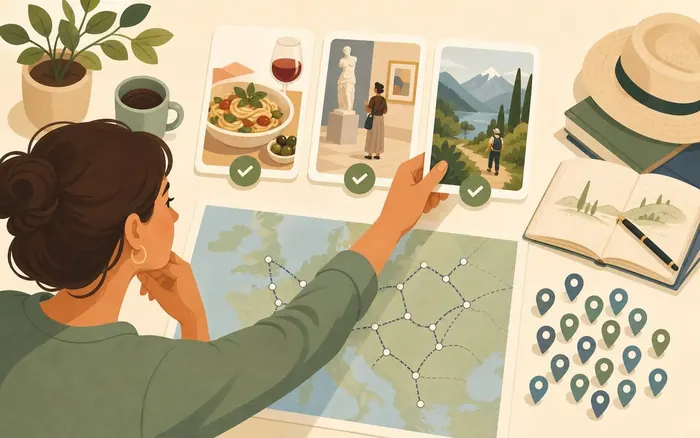
Choose the trip's main purpose and three genuine priorities. Decide whether food, architecture, hiking, museums, music, or visiting friends matters most, then select the experiences you would regret missing. Let those priorities determine the route instead of adding cities simply because they appear on a standard itinerary.
 Howcompass
Cap the stops at an enjoyable pace
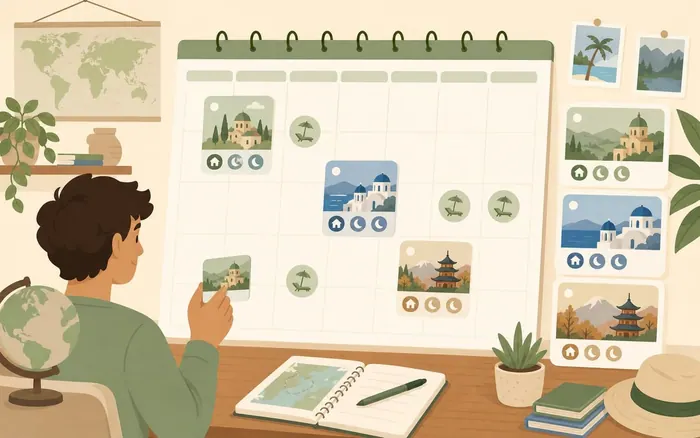
Limit the number of stops to a pace you can enjoy. Count unpacking, finding accommodation, local transport, meals, and returning to the station as part of every move, not just the scheduled train time. Where practical, give a city at least two full days and keep one-night stops for places that genuinely fit the route.
 Howcompass
Sketch a route with slack connections
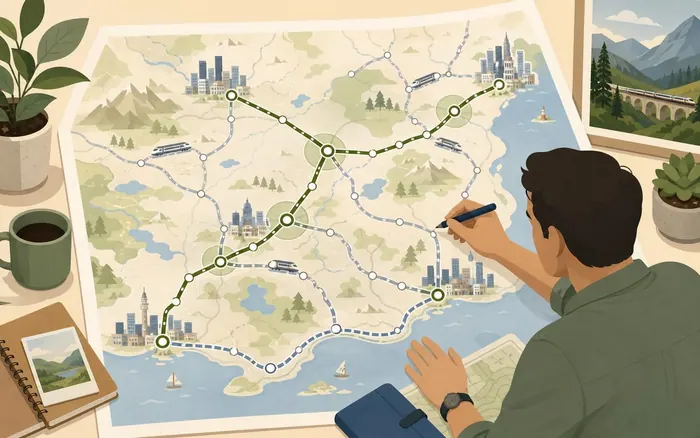
Sketch a logical route with realistic connections. Arrange the cities to reduce unnecessary backtracking, then check representative timetables for the actual season and weekday you expect to travel. Avoid relying on a short legal connection when a delayed train, a large station, accessibility needs, or unfamiliar platforms could make it stressful.
 Howcompass
Count door-to-door time per transfer
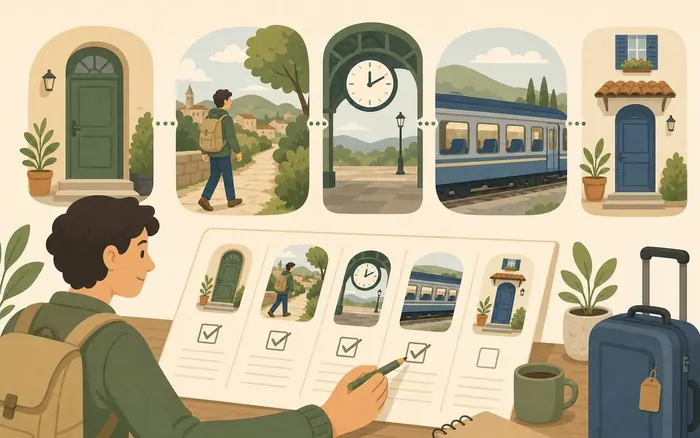
Calculate total door-to-door travel time for every transfer day. Add the journey from accommodation to the station, arrival buffer, platform changes, the train itself, and the trip to your next bed. Mark days that would otherwise contain nothing but transport, and move a stop or remove one when the itinerary leaves no time to rest.
 Howcompass
Budget the whole trip, not the fare
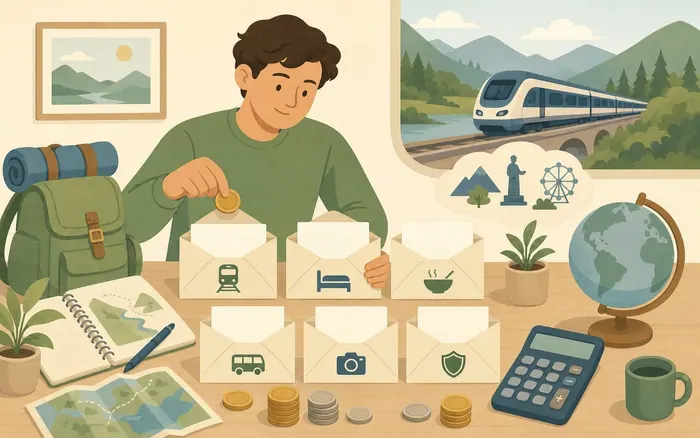
Build a whole-trip budget beyond the headline rail fare. Include reservations, sleeper supplements, local transit, accommodation taxes, luggage storage, food, attractions, mobile connectivity, insurance, and a contingency for disruptions. Compare prices for your dates and record the currency and cancellation conditions so a cheap fare does not hide expensive inflexibility.
 7Howcompass
Price the pass against single tickets
Compare point-to-point tickets with a rail pass using your exact route. Price the journeys you will actually take, then add mandatory reservation and sleeper fees, activation rules, travel-day limits, and the value of flexibility before choosing. Use the Interrail pass guide as a checklist; a pass is not automatically cheaper or more convenient for every itinerary.
Confirming Documents, Accommodation, and Reservations
 8Howcompass
Check document rules for your nationality
Check entry and travel-document rules for your own nationality. Verify passport validity, visas, transit requirements, and any rules for minors or non-national residents through official government sources for every country on the route, including brief border crossings. The Your Europe travel portal explains where to begin, but your personal documents and non-EU itineraries may require additional checks.
 Howcompass
Book beds around your real arrivals
Book accommodation around your real arrival and departure needs. Check the route from the station, late check-in rules, step-free access, luggage storage, cancellation terms, and whether the neighborhood works after dark. A slightly higher nightly price may be worthwhile if it removes an awkward transfer or an early-morning taxi.
 10Howcompass
Reserve the rigid parts first
Secure the least flexible parts of the itinerary first. Book limited sleeper accommodation, special scenic services, major-event dates, and the long legs that anchor your route before filling in flexible regional journeys. Keep a note of what is refundable and avoid making every day non-changeable unless the savings justify the loss of options.
 Howcompass
Complete mandatory seat reservations
Make mandatory seat and sleeper reservations in the correct form. A rail pass may not include a reserved seat, and some operators require a separate reservation document or passholder fare, so confirm both parts before departure. Follow our cross-border seat-reservation guide and verify details with the operator for your train.
 12Howcompass
Sort insurance, medication, and contacts
Arrange suitable insurance and health preparations before travel. Read coverage for medical care, cancellation, missed connections, existing conditions, activities, and valuables rather than assuming every policy treats them alike. Carry necessary medication in its original packaging where required, check documentation rules, and save emergency and policy contact details separately from your phone.
 Howcompass
Pack offline documents and share plans
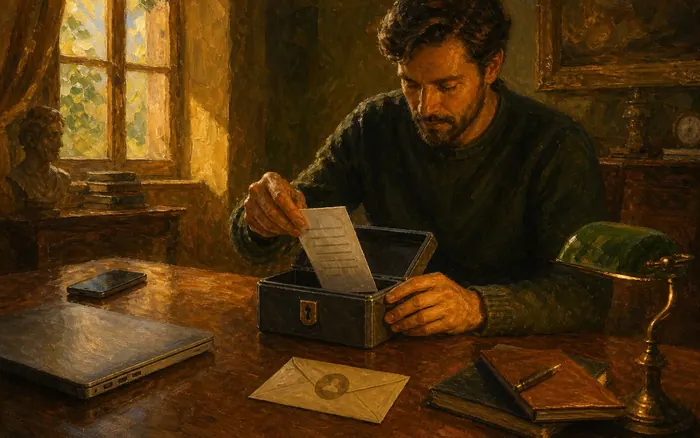
Create an offline document pack and share the itinerary. Save tickets, reservations, accommodation addresses, insurance details, passport copies where appropriate, and emergency contacts in an offline folder, with paper backups for critical pages. Give a trusted person your route and update them if you change plans, while protecting sensitive documents from public sharing.
Packing Light and Preparing for City Arrivals
 Howcompass
Choose luggage you can carry alone
Choose luggage you can manage without assistance. Lift, roll, and carry the packed bag up and down stairs and across an uneven surface, then remove items until you can handle it comfortably during a short connection. Check the packing-light principles against your mobility needs rather than treating one-bag travel as a competition.
 Howcompass
Pack layers and plan to wash clothes
Pack coordinated layers and plan to wash clothes. Build a small set of outfits around the weather and your activities, with comfortable broken-in shoes and one suitable layer for rain or cool evenings. Our guide to washing travel clothes in a hotel sink can reduce the amount you carry, provided fabrics have enough time and airflow to dry.
 Howcompass
Keep a day bag of true essentials
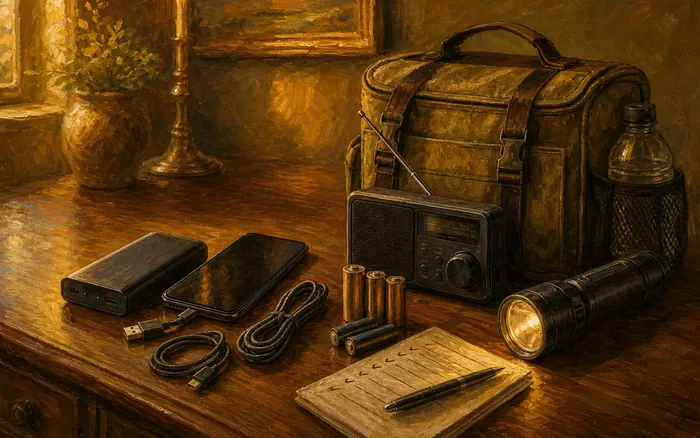
Keep essentials in a small day bag that stays with you. Include documents, medication, payment cards, phone and power bank, water, a snack, a light layer, and anything you cannot easily replace, while keeping larger luggage out of aisles and doors. Prepare a modest arrival kit so a delayed bag or late check-in does not leave you without the basics.
 Howcompass
Download maps before you need them
Download maps, tickets, and key transport information for offline use. Save each station area, accommodation, first local journey, and a few useful landmarks before you depend on a connection, and test that the files open in airplane mode. Our offline-map guide covers the setup; carry a power bank and do not handle navigation while crossing roads.
 Howcompass
Set up payments and connectivity backups
Plan payment and mobile connectivity with a backup. Check card fees, cash needs, local transport payment rules, roaming or eSIM terms, and any bank notification requirements for your providers. Keep a second payment method separate from the first and never share card PINs or one-time security codes with someone contacting you unexpectedly.
 Howcompass
Prepare arrival anchors for each city
Prepare one or two arrival anchors for each city. Reserve a genuinely important timed museum or event where necessary, identify a simple first meal and grocery stop, and note opening days or local holidays that could affect plans. Our museum-entry guide helps with busy attractions; leave the remaining schedule open enough for discovery.
Managing Travel Days, Disruptions, and Trip Records
 Howcompass
Arrive early enough to find your train
Reach each departure station with time to find the right train. Confirm the station name, departure board, platform, coach, and seat information using your ticket and official displays, remembering that large cities may have several similarly named stations. Keep enough buffer for security, ticket checks, accessibility assistance, or a wrong turn without turning every departure into a sprint.
 21Howcompass
Validate tickets before you board
Activate or validate tickets and passes where the rules require it. Complete any travel-day entry, validation, check-in, or date activation before boarding when required by the operator, and keep the matching identification available for inspection. Rules differ by product and country, so follow the specific instructions rather than assuming a previous journey works the same way.
 Howcompass
Stow luggage without blocking neighbors
Store luggage considerately and keep valuables under your control. Use designated racks without blocking doors, aisles, seats, or another passenger's access, and keep documents, electronics, medication, and payment cards in your day bag. Check your belongings before every stop and gather them calmly in time for your own station.
 23Howcompass
Handle delays through official channels
Respond to delays and missed connections through official channels. Listen for operator instructions, ask station or onboard staff about rebooking and alternative routes, and retain tickets, receipts, and delay records if you may need to claim later. For eligible EU journeys, review the European Commission's rail passenger-rights guidance; coverage and exemptions vary, so check the conditions for your ticket and route.
 Howcompass
Reset after arrival before adding plans
Reset briefly after every arrival before adding another activity. Confirm your accommodation, drink water, eat if needed, review the next day's departure, and save the local route back to your lodging. If the day has gone wrong, shorten the sightseeing list rather than sacrificing sleep and making the following travel day harder.
 25Howcompass
Log expenses while the day is fresh
Record expenses and useful notes while they are still fresh. Compare the day's spending with your budget, save necessary receipts, and note platform quirks, reliable food stops, accessibility details, and whether the pace felt right. Our pocket expense and postcard log provides a simple format; use what you learn to adjust later stops instead of forcing the original plan.
Frequently Asked Questions
Question: Is a rail pass cheaper than individual tickets?
It depends on the route, booking dates, reservation fees, sleeper supplements, and how much flexibility you need. Price your exact journeys both ways before buying, including every mandatory extra rather than comparing only the headline pass and ticket prices.
Question: How many cities should I visit in two weeks?
There is no universal number. Count total door-to-door transfer time and the experiences you want in each city; many travelers enjoy fewer bases with day trips more than moving to a new bed every night.
Question: What should I do if I miss a reserved connection?
Contact the operator or station staff promptly and follow their instructions for the ticket and circumstances. Keep your documents and expense receipts, and check the passenger-rights and ticket conditions that apply instead of assuming automatic rebooking or compensation.
Question: How far in advance should I book European trains?
Reserved high-speed, night, and international services usually release seats weeks or months ahead, and the cheapest published fares on many operators sell out first, so book those legs as soon as your dates are firm. Regional and local trains normally keep a flat price and rarely need advance booking, which is why leaving them open works well with a pass. Check how refundable each fare is before you commit, because the earliest ticket is often the least flexible one.
Tips
- Put the next accommodation address and check-in instructions at the top of your offline notes before every travel day.
- Keep one unscheduled morning or afternoon after several intensive sightseeing days; the pause often becomes part of the trip rather than time lost.
- Photograph your luggage and its identifying tag before departure so you can describe it accurately if it is misplaced.
Warnings
- Entry, visa, ticket-validation, reservation, and passenger-rights rules vary by traveler, operator, and country; verify your specific journey with official sources.
- Do not leave passports, medication, payment cards, or other valuables unattended in station lockers or luggage racks.
- Never sacrifice safe rest or attempt to board a moving train to preserve an itinerary; adjust the route and ask staff for assistance instead.
Things You'll Need
- Prioritized city list and realistic route map
- Whole-trip budget with a disruption contingency
- Tickets, reservations, documents, and offline backups
- Manageable main bag and an essentials day bag
- Offline maps, power bank, and payment backup
- Expense log and emergency-contact details
Related Howcompass Guides




References (5)
- Interrail Pass Guide — pass mechanics, travel days, and reservation feesThe Man in Seat 61
- Interrail and Eurail Reservations Guide — operator-specific booking methodsThe Man in Seat 61
- Travelling in the EU — documents, rules, and passenger-rights starting pointsEuropean Union, Your Europe
- Rail Passenger Rights — applicable rules and claims guidanceEuropean Commission, Mobility and Transport
- Packing Smart and Traveling Light — mobility and one-bag planningRick Steves' Europe
Sources are listed so you can read the underlying guidance yourself. Our editorial policy explains how guides are reviewed.
Did this article help you?
0 readers found this helpful — add your vote.
No comments yet — be the first to share your results.