How to Build a Safe Weekly Walking Routine for Beginners
A guide to Setting a Realistic Starting Point, Practicing Comfortable Walking Basics, Building Time While Managing Safety, Making the Routine Enjoyable and Sustainable, Reviewing and Maintaining Your Routine
A sustainable walking routine begins with what you can do comfortably now, not with an arbitrary distance or a sudden jump to a public-health target. Use these 22 steps in our Sports and Fitness collection to build a repeatable week, and ask a qualified health professional for individual guidance if you have symptoms, a health condition, are pregnant, or are returning after illness, injury, or surgery.
How do you build a Safe Weekly Walking Routine for Beginners?
 Howcompass | How to Build a Safe Weekly Walking Routine for Beginners
Setting a Realistic Starting Point
HowcompassRecord your current activity baseline
Record your current activity and comfort level before choosing a walking target. For several ordinary days, note how much walking you already do, how long you can move at an easy pace, and whether you experience pain, unusual breathlessness, dizziness, or fatigue. The CDC guidance on getting more active minutes supports starting with small amounts and building gradually, so treat your observations as a baseline rather than judging yourself against another person's routine. Compare your notes with the beginner plans under sports and fitness.
 Howcompass
Ask a clinician about your limitations
Discuss individual limitations with a qualified health professional when your circumstances call for it. Ask about suitable intensity, surfaces, duration, and warning signs if you have a heart, lung, joint, balance, metabolic, or other relevant condition, take medicines that affect exercise, are pregnant, or have had a recent illness, injury, procedure, or unexplained symptoms. Bring your activity notes to the conversation, and do not use a general walking plan to override restrictions or advice given for your own situation. Bring the blood pressure readings you have been logging at home.
 Howcompass
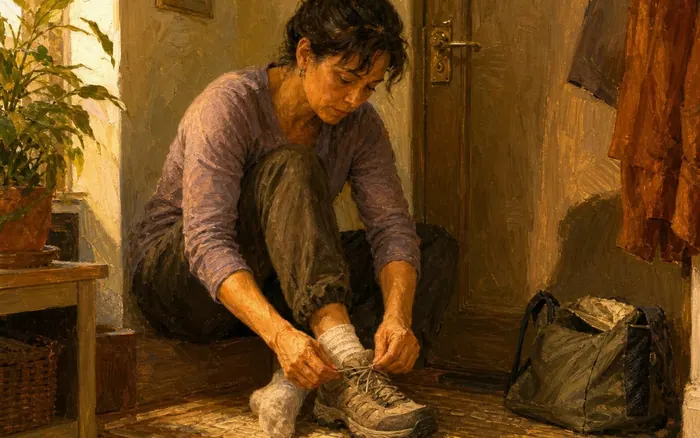
Choose shoes that fit your walking feet
Choose comfortable shoes and clothing that suit your feet and conditions. Try shoes with a secure heel, enough toe room, and the support and cushioning that feel comfortable during a short test walk, using socks that do not rub or bunch. The American Heart Association Every Step Counts guidance highlights supportive shoes, weather-appropriate clothing, hydration, and sun protection; replace footwear when wear or damage makes it unstable or uncomfortable rather than following a fixed mileage rule alone. Treat a blistered heel promptly with our minor cut or graze care steps.
 Howcompass
Plan a route that suits your ability
Plan a route that matches your current ability and surroundings. Start with a level, well-maintained path or sidewalk, good lighting, safe crossings, and a simple way to shorten the walk, then check for uneven surfaces, traffic, isolation, weather exposure, and places to rest. The National Institute on Aging outdoor exercise safety tips recommend safe, familiar routes and conditions; our offline map guide can help preserve route information, but actual hazards and official closures always take priority over a saved route.
 Howcompass
Put short walks on protected days
Schedule short sessions on days you can realistically protect. Put specific walking appointments on your calendar, leaving enough time to prepare and recover, and begin with a frequency and duration that feel manageable rather than filling every day. The AHA physical activity recommendations for adults describe an eventual goal of at least 150 minutes of moderate activity per week for most adults, but that is a longer-term public-health target rather than a requirement for your first beginner session. Anchor one session to your sleep and morning routine so it happens before the day fills.
Practicing Comfortable Walking Basics
 Howcompass
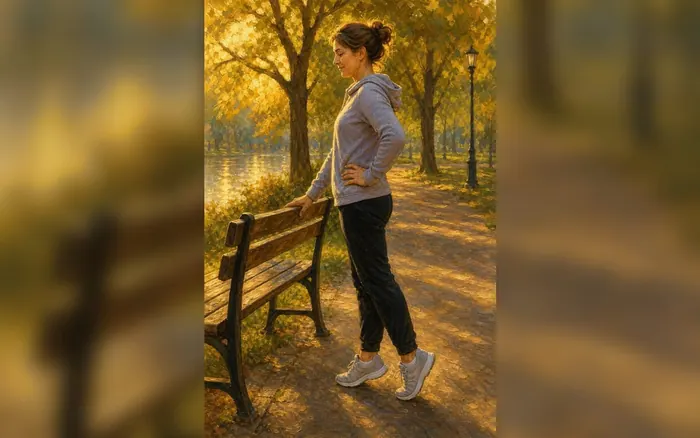
Warm up with several easy minutes
Begin each outing with several minutes of easy movement. Start slower than your intended walking pace, let your breathing and joints adjust gradually, and use gentle, pain-free ankle or calf movements if they are comfortable for you. The AHA Walking Clubs 101 guide recommends an easy walking warm-up; avoid forceful static stretching, bouncing, or any movement that causes sharp pain, especially before your body has warmed up. The gentle moves in a 10 minute morning stretch make a usable script.
 Howcompass
Walk tall with a natural stride
Walk with a relaxed, natural posture and stride. Look ahead rather than staring at your phone, keep your shoulders comfortably loose, let your arms swing naturally, and take steps that feel smooth instead of deliberately overstriding. Use a stable handhold or an appropriate mobility aid if one has been recommended, and choose a quieter route or slower pace whenever you need more attention for balance, crossings, or uneven ground. The alignment cues in fix your sitting posture carry over to upright walking.
 Howcompass
Check your pace with the talk test
Use the talk test to keep early walks at an appropriate effort. At a moderate intensity, you can generally talk but not sing; on your first outings, stay at an easy conversational level and notice how your body responds rather than chasing speed. The CDC active-minutes guidance explains this practical intensity check, but it does not make chest pain, faintness, severe breathlessness, or other concerning symptoms safe to push through. Give the same conversational effort as easy breaststroke laps without joint load.
 Howcompass
Repeat short bouts before adding distance
Start with short bouts that you can repeat without undue strain. Try a brief easy walk, finish while you still feel in control, and see how you feel later that day and the next morning before adding more. Short periods of activity can contribute to your week, so several manageable walks may be more useful than one exhausting outing; people with individual clinical advice should follow the duration and intensity limits provided by their own professional. Add light strength work from a no equipment routine on days you feel fresh.
Building Time While Managing Safety
 Howcompass
Increase one variable at a time
Increase only one manageable part of the routine at a time. Add a little total time, an extra short session, or a slightly brisker segment while keeping the other elements stable, then hold that level long enough to observe your recovery. Avoid treating a fixed percentage as safe for everybody; your symptoms, sleep, health, and previous activity matter more than a formula, and the CDC gradual activity guidance supports building up over time rather than making a sudden leap.
 Howcompass
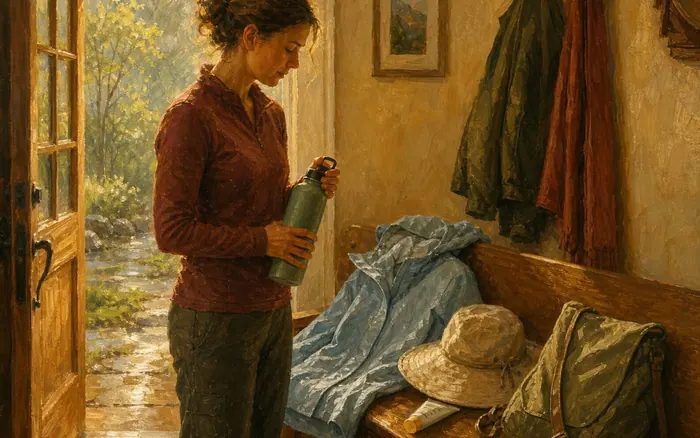
Dress and pack for the weather
Prepare for hydration, sun, heat, cold, and changing weather before leaving. Carry water when appropriate for your route and needs, dress in suitable layers, and use sun protection or rain gear according to conditions, while avoiding routes that expose you to dangerous heat, ice, lightning, flooding, or poor air quality. The AHA walking preparation advice includes hydration and weather-ready clothing; move indoors or postpone the walk when conditions exceed your safe options. Read the official health guidance for heat, cold, and air quality first.
 Howcompass
Stay visible and watch every crossing
Make yourself visible and treat every road crossing as a separate safety task. Use light-colored or reflective elements in low light, stay on sidewalks or separated paths where available, face traffic when walking on a lawful road shoulder without a sidewalk, and obey local rules and signals. Stop using headphones or lower distractions enough to hear what is happening, make eye contact with drivers when possible, and never assume a vehicle has seen you or will yield. The road-awareness habits in riding in city traffic transfer well to crossings.
 Howcompass
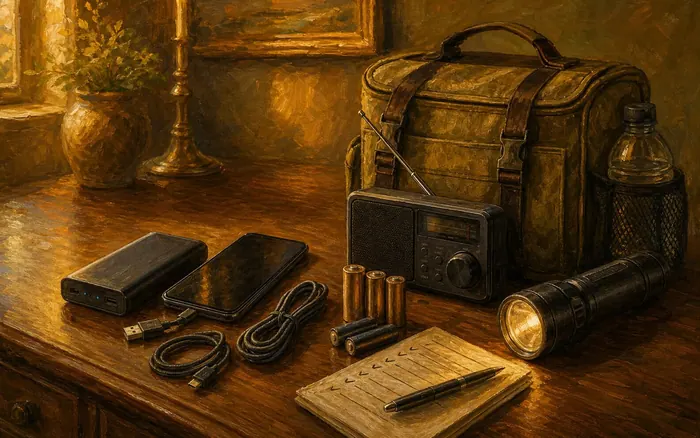
Carry identification and a way to call
Carry practical identification and a way to request help. Bring a charged phone when available, identification, and any personal medical information or medicine that your clinician recommends, and tell a trusted person your route and expected return when walking alone or in a quiet area. The NIA outdoor safety recommendations include carrying identification and a phone and sharing route plans; keep valuables secure and do not let phone navigation distract you at crossings. Share the plan the way you would with a family emergency contact card.
 Howcompass
Log symptoms rather than only distance
Note symptoms and recovery instead of relying on distance alone. After each walk, record unusual soreness, foot irritation, breathlessness, dizziness, fatigue, or any symptom that concerned you, along with when it began and whether it settled after stopping. Stop the session when something feels wrong, and seek prompt professional advice for persistent, recurrent, or worsening problems; use emergency services for severe or alarming symptoms rather than waiting to complete a walking log. Ask your clinician about repeated dizziness and your blood pressure readings.
Making the Routine Enjoyable and Sustainable
 Howcompass
Recruit a compatible walking partner
Invite a compatible walking partner or join a suitable group when support would help. Agree on pace, duration, route, and a no-pressure way for anyone to shorten the walk, and choose companions who respect your current ability rather than turning every outing into a race. A partner can also help with motivation and awareness, but you should each carry your own essentials and avoid becoming separated in unfamiliar or low-visibility conditions. A fixed family routine walking slot is easier to protect than an open plan.
 Howcompass
Fit walks around your other training
Coordinate walking with the rest of your activity week. Count physically active errands and other exercise when judging your overall fatigue, leave enough recovery between demanding sessions, and avoid adding brisk walks on top of a sudden new running or strength program without adjusting the total load. Use our broader running and strength-training safety guide when you are ready for additional exercise, and keep walking as useful movement rather than a reason to train hard every day or carry loads that alter your balance.
 Howcompass
Place easy days after hard walks
Place easier recovery time between more demanding walks. Use a rest day, a shorter comfortable walk, or gentle mobility that you already tolerate when you feel ordinary training fatigue, and keep at least some days intentionally light. Recovery needs differ with health, age, sleep, workload, and experience, so persistent exhaustion or declining performance is a reason to reduce the load and seek appropriate advice rather than automatically adding more sessions.
 Howcompass
Slow down before you stop
Slow down gradually at the end of each walk. Reduce your pace for a few minutes until your breathing and effort begin settling, then use only gentle, comfortable movements that work for your body. Sit or hold a stable support if you feel unsteady, and allow extra recovery time after unusually long or brisk outings instead of stopping abruptly and immediately rushing into the next task. Finish with the slower version of a 10 minute morning stretch if you feel stiff.
Reviewing and Maintaining Your Routine
 Howcompass
Keep a brief session log
Keep a simple log of sessions and how they felt. Record the date, approximate duration, relative effort, route, weather, and one brief recovery note, using a paper notebook, calendar, or privacy-conscious app rather than collecting more data than you need. Review trends over a week or two instead of reacting to one difficult day, and never share your live location or detailed routine publicly merely to make the log social. The journalling rhythm in a weekly review journal keeps the log honest.
 Howcompass
Check sleep and energy before progressing
Review sleep, energy, and enjoyment before increasing the plan again. Look for patterns such as consistently refreshing walks, lingering fatigue, sore feet after a particular route, or missed sessions caused by scheduling rather than motivation. Our two-week sleep and morning energy log can help you notice recovery patterns, but persistent or unexplained symptoms deserve appropriate clinical attention rather than a self-diagnosis based on a notebook.
 22Howcompass
Set a minimum and a backup walk
Set a flexible weekly minimum and a backup version for difficult days. Choose a small commitment you can usually complete safely, then define shorter, slower, indoor, or rescheduled alternatives for poor weather, low energy, or a disrupted calendar. Treat the backup as a valid way to preserve the habit rather than a failed walk, and return to your usual level only when your health and recovery support it. The backup-day design in a daily vocabulary habit protects a walking habit the same way.
 23Howcompass
Grow your activity at a sustainable pace
Build toward longer-term activity goals at your own sustainable pace. Reassess every few weeks, keep the sessions that feel useful, and gradually work toward the AHA weekly activity recommendations when appropriate for you, without sacrificing safety to reach a round number. Walking can remain valuable even below that target, so continue with the amount you can tolerate and update the plan whenever your health, environment, or goals change. Move on to running and strength training only when walks feel effortless.
Frequently Asked Questions
Question: How long should a beginner's first walk be?
There is no single safe duration for everyone. Begin with a short, easy outing you can finish comfortably, even if that means only a few minutes, and observe how you feel afterward and the next day. Increase gradually based on your response and any individualized professional advice rather than copying another person's distance.
Question: Do I need to reach 150 minutes in my first week?
No. The commonly cited 150-minute weekly target is a longer-term public-health recommendation for moderate activity, not a beginner's entry requirement. Short bouts can count, and starting below the target still provides an opportunity to build the habit; progress at a pace suited to your health and recovery.
Question: Should I keep walking if I feel pain or dizziness?
Stop and assess your safety rather than pushing through. Sit or move somewhere safe, get assistance when needed, and seek professional advice for persistent, recurrent, or worsening symptoms. Severe or alarming symptoms, including chest pressure, fainting, or severe breathing difficulty, warrant urgent medical help rather than another test walk.
Question: My knees ache the day after a short walk. Should I stop?
Ordinary soreness that eases within a day or two and improves as you repeat the activity is usually deconditioning, so reduce the distance slightly and keep moving. Stop and seek assessment when pain is sharp, localised to one spot, swelling, or present at rest or during the night. On those days replace the walk with an easy session, such as a short flat loop, and note the symptom pattern so a clinician can judge it.
Tips
- Put your shoes, socks, water, and weather gear in one consistent place so preparation does not consume the time reserved for a short walk.
- Use an out-and-back route with a clear turnaround option when exploring somewhere new, and leave enough energy for the return rather than judging only the outbound half.
- Mark walking appointments as adjustable commitments on your calendar; moving a session to a safer time is better than skipping it or forcing it into hazardous conditions.
Warnings
- Stop exercising and seek urgent medical help for severe or alarming symptoms such as chest pressure, fainting, or severe breathing difficulty; do not try to walk them off or complete a target first.
- Do not walk outdoors in lightning, flooding, dangerous heat or cold, unsafe air quality, or other hazardous conditions simply to preserve a streak; postpone the session or use a safe alternative.
- Follow individualized advice from your qualified health professional, especially when symptoms, pregnancy, medication, illness, injury, surgery, or a chronic condition affects what activity is appropriate for you.
Things You'll Need
- Comfortable supportive walking shoes and non-irritating socks
- Weather-appropriate clothing, sun protection, and visibility aids
- Water appropriate for the route, conditions, and your individual needs
- A charged phone, identification, and any personally recommended medical items
- A safe route plan with rest points, crossings, and a shorter backup option
- A paper or private digital log for duration, effort, symptoms, and recovery
Related Howcompass Guides




References (5)
- Getting More Active Minutes Throughout the DayCenters for Disease Control and Prevention
- American Heart Association Recommendations for Physical Activity in AdultsAmerican Heart Association
- Every Step CountsAmerican Heart Association
- Walking Clubs 101American Heart Association
- Safety Tips for Exercising Outdoors for Older AdultsNational Institute on Aging
Sources are listed so you can read the underlying guidance yourself. Our editorial policy explains how guides are reviewed.
Did this article help you?
0 readers found this helpful — add your vote.
No comments yet — be the first to share your results.