How to Plan a 2-Week Europe Trip
A guide to Setting Your Travel Foundations, Choosing Your Route and Destinations, Booking Flights and Accommodation, Planning Your Itinerary and Transportation, Preparing for the Trip
Two weeks in Europe is long enough to see four or five places properly and short enough that every extra city costs a day in transit. This guide starts with a route and a nightly budget, then books transport and beds in the order that protects the plan. If money is the constraint rather than time, read Travel on a Budget once the route is set.
Choose four or five bases, not ten cities, and check travel time between them before booking anything. Book long-distance rail or flights early, then accommodation near transit rather than in the postcard centre. Carry a passport valid for at least three months beyond your planned exit and confirm your Schengen day count — the short-stay rule is 90 days in any 180-day period. Budget roughly 150–250 euros a day per person in Western Europe, less in the east.
- Time
- 10–20 hours planning
- Cost
- $2,500–$4,500 per person for two weeks
- Difficulty
- Moderate
- People
- 1–4
- Space
- One carry-on each
- Tools
- Passport, rail app, booking confirmations, travel insurance
How do you plan a 2-Week Europe Trip?
 Howcompass | How to Plan a 2-Week Europe Trip
Setting Your Travel Foundations
HowcompassDefine Your Travel Style and Goals
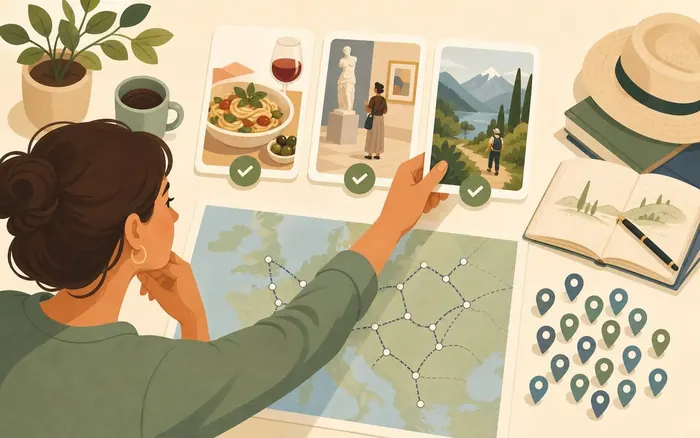
Start by clarifying what kind of European experience you want. Ask yourself whether you prefer immersing yourself in big-city culture, wandering small villages, hiking through national parks, or a mix of everything. Write down your top three travel priorities — food, history, nature, art, nightlife, or relaxation — and use them as a filter for every destination choice you make. If budget is a concern, check out our Save Money Every Month guide to free up travel funds.
 Howcompass
Set a Realistic Budget
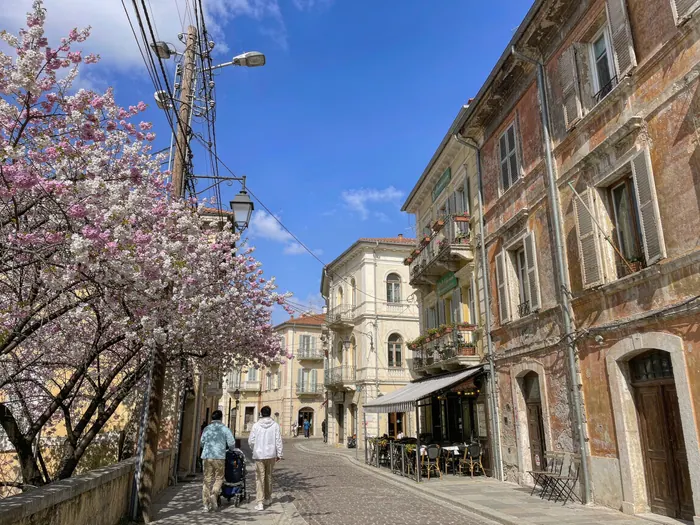
Break your total trip cost into categories: flights, accommodation, food, intercity transport, activities, insurance, and a contingency fund. A two-week mid-range Europe trip typically costs between 2,000 and 4,000 USD per person, depending on destinations and season. Use tools like Budget Your Trip to research daily costs in each city. Always add a 15-20% buffer for unexpected expenses, currency fluctuations, and spontaneous upgrades.
 Howcompass
Choose Your Travel Season
Europe's climate varies dramatically across regions and seasons. Summer (June-August) brings long daylight hours and warm weather but also peak crowds and prices. Spring (April-May) and autumn (September-October) offer mild weather, fewer tourists, and lower costs. Winter (November-March) is ideal for Christmas markets, skiing, and budget travel. Check Weather2Travel for month-by-month climate data across European destinations before you commit to dates.
 Howcompass
Determine Your Trip Duration
Two weeks gives you enough time to visit 3-5 cities without feeling rushed, but you must be realistic about travel time between destinations. Allocate 2-3 nights per city for the first week and 3-4 nights for your final base. If you plan to cover a wide geographic area, consider adding a buffer day between major stops. For packing guidance, see our Pack a Two-Week Wardrobe Into One Carry-On Bag guide to avoid overpacking.
 Howcompass
Secure Travel Insurance and Documents
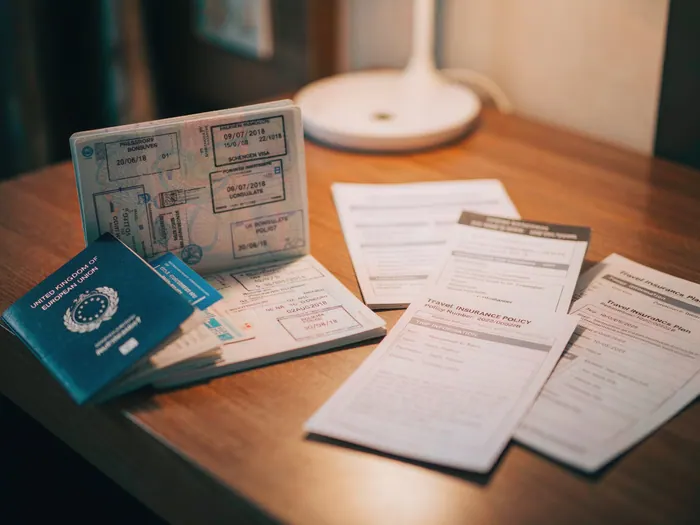
Comprehensive travel insurance is non-negotiable for a two-week Europe trip — it covers medical emergencies, trip cancellations, lost luggage, and theft. Providers like SafetyWing and World Nomads offer affordable long-term coverage. Ensure your passport is valid for at least six months beyond your return date, and scan all important documents — passport, insurance policy, vaccination records, and booking confirmations — into a cloud folder for easy access.
Choosing Your Route and Destinations
 Howcompass
Research European Destinations
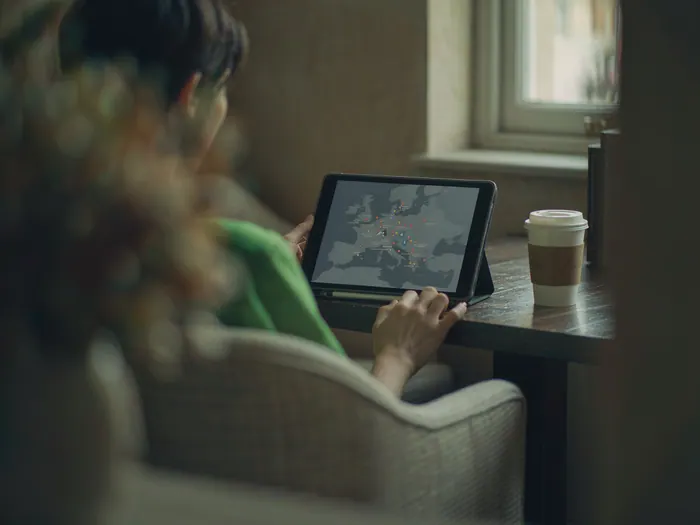
Create a shortlist of European countries and cities that match your travel style and budget. Consider geographic clustering to minimize travel time. Western Europe (France, Germany, Italy) offers easy rail connections but higher costs. Eastern Europe (Czech Republic, Hungary, Poland) provides incredible value and rich history. Southern Europe (Spain, Portugal, Greece) delivers sunshine and Mediterranean cuisine. Use Lonely Planet for destination guides and inspiration.
 Howcompass
Map Out a Geographic Route
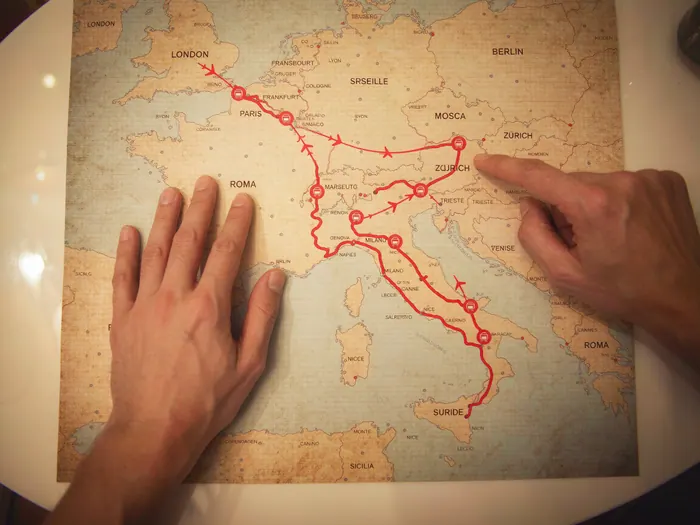
Plot your shortlist on a map and identify a logical geographic path that avoids backtracking. A classic two-week route might be London to Paris to Lyon to Nice to Milan to Venice, connected by train. Another option is a Northern Europe loop: Copenhagen to Hamburg to Berlin to Prague to Vienna. Keep total travel time between consecutive stops under six hours to maximize sightseeing time. For rail-specific planning, see our Plan a Multi-City European Rail Trip guide.
 Howcompass
Prioritize Must-See Landmarks
List the top attractions in each city and rank them by must-see, nice-to-see, and skip. Book timed-entry tickets for popular sites like the Louvre, Colosseum, and Vatican Museums weeks in advance — they sell out. For guidance on skipping lines at major European museums, read our Visit Popular European Museums Without Waiting in Ticket Lines guide. Be realistic: you cannot do everything in one trip, so prioritize depth over breadth.
 Howcompass
Balance City and Nature Experiences
A great Europe trip blends urban exploration with natural scenery. Pair a city stay with a day trip to the countryside — Italy's Tuscan hills from Florence, the Scottish Highlands from Edinburgh, or the Swiss Alps from Zurich. Nature breaks prevent museum fatigue and give you photo opportunities that define the trip. Research hiking trails, lake cruises, and scenic train routes near each base city.
 Howcompass
Check Visa and Entry Requirements
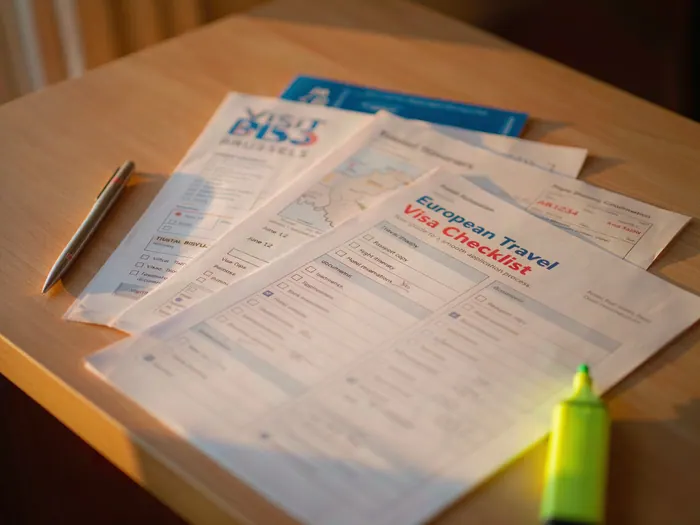
Verify visa requirements for every country on your route. The Schengen Area allows 90 days of visa-free travel for many nationalities, but rules differ for non-Schengen countries like the UK, Croatia, and Romania. Check passport validity, visa-free limits, and any transit requirements. For help organizing your documents at the border, see our Pass Border Control With an Organised Travel-Document System guide.
 Howcompass
Create a Flexible Route Map
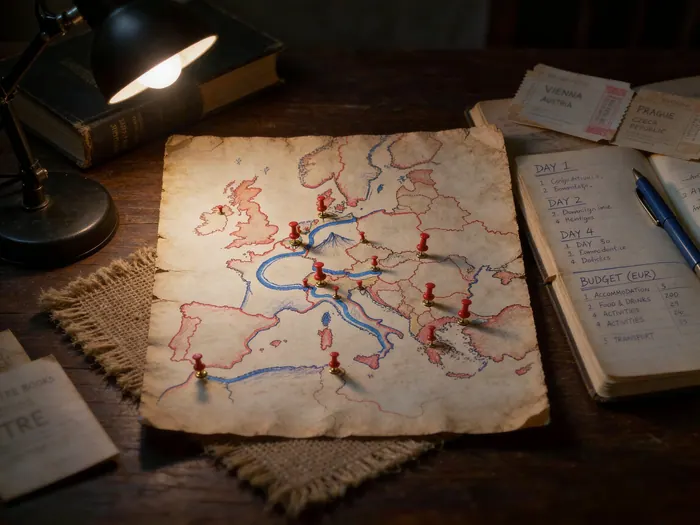
Finalize your route on a visual map with estimated travel times between cities. Mark your entry and exit airports, overnight stops, and key day trips. Keep the map flexible — leave one or two unplanned days per week to follow spontaneous recommendations from locals or fellow travelers. A flexible route prevents the stress of rigid schedules when weather or opportunities arise.
Booking Flights and Accommodation
 Howcompass
Find the Best Flight Deals
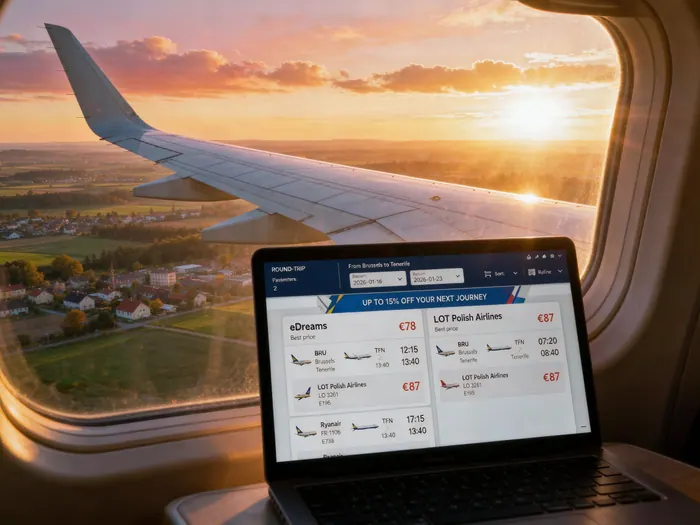
Search for flights using aggregators like Skyscanner and Kayak with flexible date views to find the cheapest days to fly. Book long-haul flights 6-8 weeks ahead for the best prices. Consider flying into one city and out of another (open-jaw tickets) to save backtracking time. Sign up for fare alerts on multiple platforms and be ready to book within 24 hours of a price drop.
 Howcompass
Choose Airport Entry and Exit Points
Pick primary and backup arrival and departure airports based on your route. Major hubs like London Heathrow, Paris CDG, Frankfurt, and Rome Fiumicino offer the most flight options and rail connections. Check airport transfer costs and times — a cheap flight into a distant airport may cost more in ground transport. For packing carry-ons efficiently, see our Pack a Carry-On Bag for a Short International Flight guide.
 Howcompass
Book Accommodation Strategically
Choose accommodation based on location, budget, and trip style. Hotels offer convenience but cost more; hostels and guesthouses save money and offer local insights. Book the first and last nights before you plan the rest — securing arrival and departure lodging reduces early stress. Use Booking.com and Hotels.com to compare options, and filter by distance to major attractions and public transport.
 Howcompass
Consider Alternative Lodging Options
Beyond hotels, explore vacation rentals, apartment hotels, and family-run B&Bs for a more authentic experience. Airbnb and VRBO offer entire apartments with kitchens — perfect for saving on meals. Agritourism farms in rural Italy, France, and Spain provide unique stays with local food and activities. Book alternative lodging early, especially in rural areas with limited options.
 Howcompass
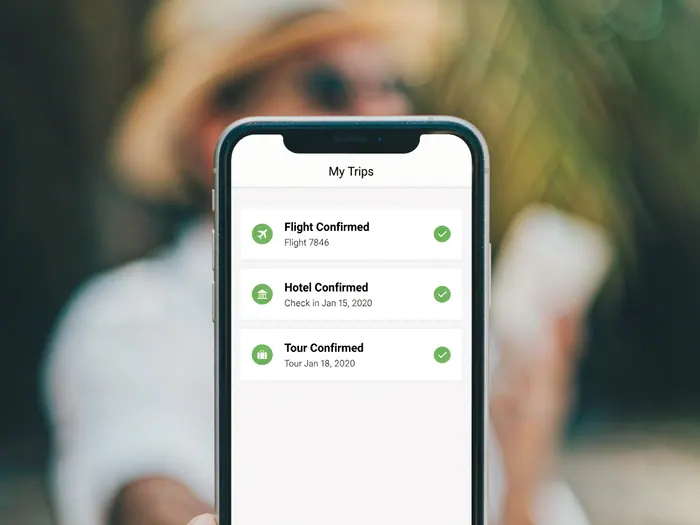
Reserve Key Attractions and Tours
Pre-book tickets for must-see attractions and popular tours before you leave home. Use platforms like GetYourGuide and Tiqets for skip-the-line tickets, guided tours, and day trips. Popular activities like the Amalfi Coast boat tour, Van Gogh Museum entry, and Scottish Highland day trips sell out weeks in advance. Always confirm the cancellation policy before booking.
 Howcompass
Confirm All Bookings
Review every booking confirmation — flights, trains, hotels, tours, and insurance — and save them all in one digital folder or travel app. Print physical copies of hotel vouchers and train tickets as backups, especially for countries with unreliable internet. Double-check dates, times, and cancellation policies. Share your full itinerary with a trusted friend or family member back home.
Planning Your Itinerary and Transportation
 Howcompass
Plan Daily Activities
Sketch a rough daily plan for each city: morning activity, lunch spot, afternoon exploration, and evening dinner or show. Group nearby attractions to minimize transit time. Balance intense sightseeing days with lighter ones. Leave afternoons flexible for wandering — the best European travel moments come from getting lost in a charming side street or discovering a local market.
 Howcompass
Research European Train Networks
European trains are the most comfortable and eco-friendly way to travel between cities. Research routes, schedules, and fare structures on Interrail and Rail Europe. High-speed trains like the TGV, Frecciarossa, and ICE connect major cities in hours. Local and regional trains are slower but cheaper and more scenic. Check if your route offers cross-border direct connections.
 Howcompass
Book Intercity Transport
Book intercity trains as early as possible — popular routes like Paris to Nice or Munich to Venice fill up and prices rise. Use the DB Train Planner for German and cross-border routes, and SNCF Connect for French trains. For long distances, compare train costs with budget airlines like Ryanair and EasyJet. Remember to factor in airport transfer time when comparing.
 Howcompass
Plan City Transportation
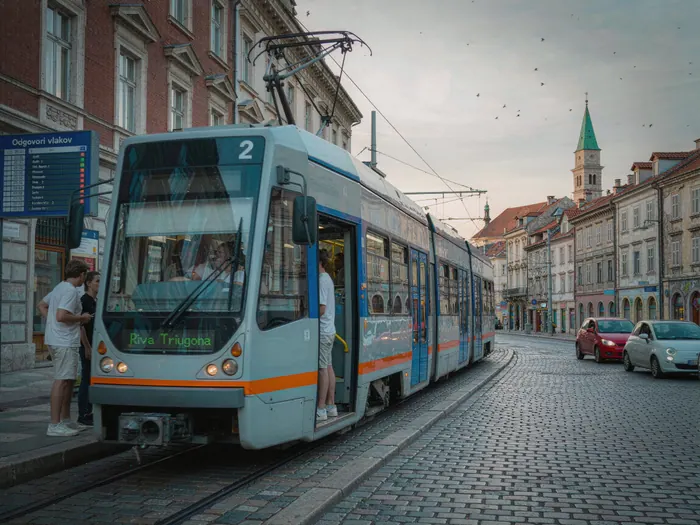
Research public transport systems in each city before you arrive. Most European cities have efficient metro, tram, and bus networks — buy day passes or multi-day tickets for unlimited travel. Download local transit apps like Citymapper or Moovit for real-time routes. For shorter distances, walking is often the best way to explore. Consider renting a bike in cities with cycling infrastructure like Amsterdam or Berlin.
 Howcompass
Build a Day-by-Day Schedule
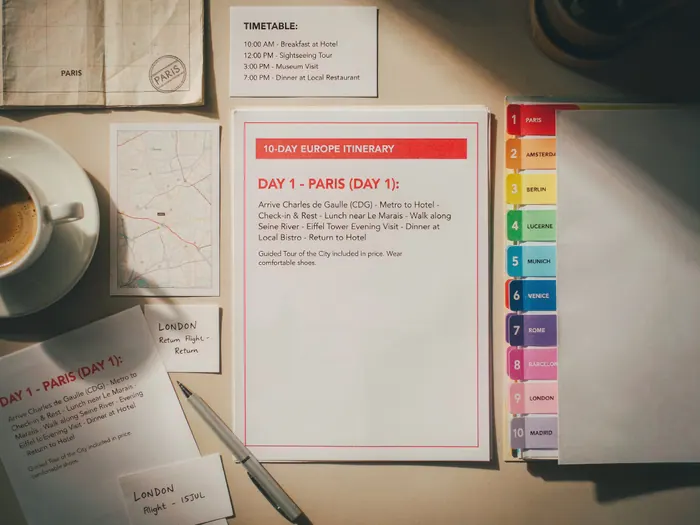
Create a detailed day-by-day itinerary in a spreadsheet or travel planner app. Include transport times, attraction hours, and meal breaks. Color-code by city or theme for visual organization. Include addresses, metro stops, and phone numbers for each stop. Keep the schedule realistic — over-planning leads to burnout. For tracking expenses on the go, see our Keep a Pocket Expense and Postcard Log on Multi-City Trips guide.
 Howcompass
Add Buffer Time and Rest Days
Insert buffer days between major travel segments and after long sightseeing days. Delays happen, weather changes plans, and sometimes you just need a slower morning. A buffer day also gives you flexibility to extend a stay in a city you love or skip a destination that did not interest you. For managing fatigue and jet lag, read our Stop Motion Sickness and Reset Jet Lag With Physical Routines guide.
Preparing for the Trip
 Howcompass
Pack Smart for Europe
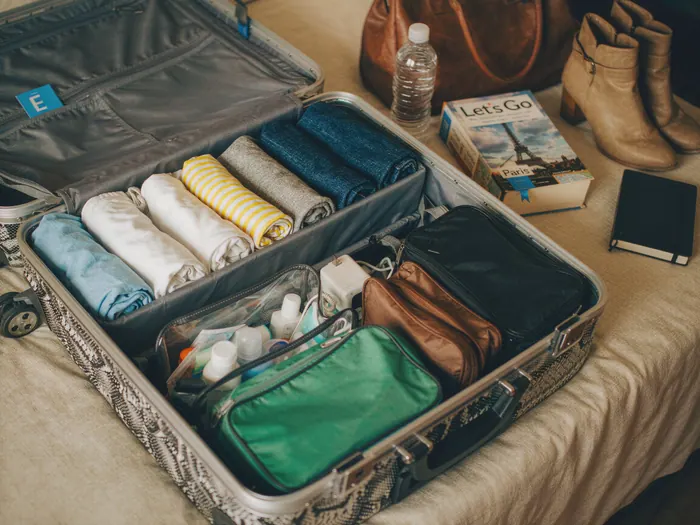
Pack light and versatile — a two-week trip should fit in a carry-on and a small personal item. Choose layerable clothing that works across seasons and dress codes. Include essentials: passport, travel documents, power adapter (Type C or Type G), portable charger, medications, and a small first-aid kit. Roll clothes to save space and reduce wrinkles. Leave room in your bag for souvenirs on the way home.
 Howcompass
Prepare Finances and Currency
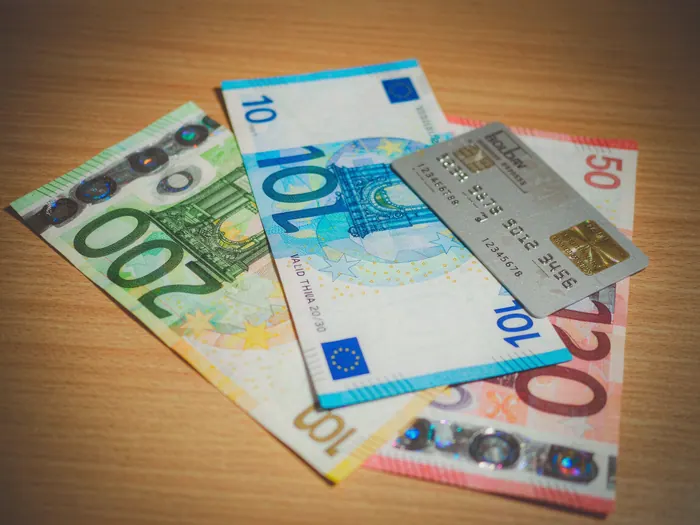
Notify your bank of your travel dates to avoid card blocks, and carry at least two credit cards from different networks. Research your bank's foreign transaction fees — Wise and Revolut offer multi-currency accounts with low fees. Download XE Currency for exchange rate tracking. Carry 50-100 EUR in cash for small purchases, tips, and places that do not accept cards. Never exchange money at airports — rates are terrible.
 Howcompass
Learn Basic Local Phrases
Download a language learning app like Babbel or Duolingo and spend 15 minutes daily learning basic phrases for each country on your route: hello, thank you, please, where is the bathroom, and how much does it cost. Even a few words in the local language open doors and show respect. Download offline language packs for the Google Translate app as a backup.
 Howcompass
Finalize Documents and Copies
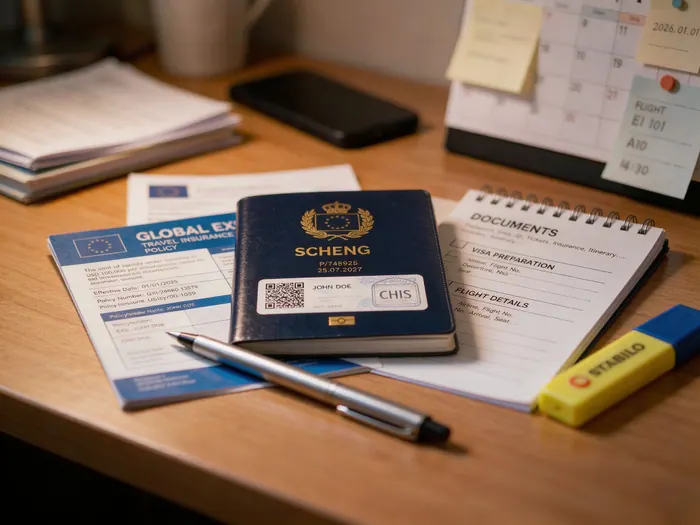
Make two physical and digital copies of every important document: passport, visa, insurance, vaccination records, hotel bookings, and train tickets. Store one set in your carry-on and another in your checked luggage. Upload digital copies to a secure cloud service like Google Drive or Dropbox. Write down your embassy contacts for each country on your route and keep them with your documents.
 Howcompass
Create a Trip Journal
Start a travel journal before you leave — it becomes the most precious souvenir of your trip. Decide whether you prefer a physical notebook or a digital journal app like Day One or Journey. Record daily highlights, restaurant recommendations, unexpected encounters, and personal reflections. Include train tickets, museum stubs, and postcards as keepsakes. Your future self will thank you for the memories.
How to know it worked
- Four or five bases, with no transfer longer than three hours.
- Every night has a confirmed bed and every long leg a booked ticket.
- Passport validity and Schengen days are checked against official sources.
- The daily budget includes food, local transport and a contingency.
Common mistakes to avoid
- Adding cities until the trip becomes a series of station platforms.
- Booking non-refundable rooms before checking rail times between them.
- Assuming a rail pass covers reservations; many high-speed trains need one.
- Packing for a photoshoot rather than for walking and laundry.
- Leaving passport and insurance checks until the week of travel.
- Budgeting only flights and hotels, then discovering city tax, luggage fees and airport transfers.
Frequently Asked Questions
Question: How many cities can I see in two weeks?
Four or five bases is realistic. Each move costs half a day in packing, transit and checking in. Seven cities in fourteen days usually means you remember trains rather than places.
Question: Is a rail pass worth it?
It can be for flexible multi-country travel, but compare the pass price plus reservation fees against individual tickets. High-speed and night trains often require paid reservations, and early-booked point-to-point fares can be cheaper.
Question: What is the best time to visit Europe?
Late spring and early autumn give better weather and smaller crowds than July and August. Winter is cheaper and good for cities and museums, but some rural attractions close. Check local holidays before booking.
Question: How much should I budget per day?
Roughly 150–250 euros a day per person in Western Europe covers mid-range accommodation, food, local transport and one paid attraction. Eastern Europe can be 60–70% of that. Add flights, long-distance rail and insurance separately.
Question: What documents do I need?
A passport valid for at least three months beyond your planned exit, any required visa, proof of accommodation and onward travel, and travel insurance. Check your own government's advice and the EU Schengen rules before booking.
Question: Should I buy a local SIM or use roaming?
A local or regional eSIM is usually cheaper for data over two weeks. Check that your phone supports eSIM and that the plan covers every country on your route. Keep an offline map and your booking confirmations downloaded.
Tips
- Book long-haul flights 6-8 weeks ahead for the best prices — last-minute fares can double.
- Always carry a power adapter and portable charger; Europe uses different plug types than North America and Asia.
- Download offline maps and language packs before you leave — free Wi-Fi is not always available on trains and in rural areas.
- Use the Google Maps 'Download Map' feature for each city to save data while navigating offline.
- Learn the local tipping customs — in Japan and Korea tipping is not expected, but in France and Italy a 5-10% service charge is appreciated.
- Buy a multi-city rail pass like Interrail or Eurail if you plan more than four train journeys — it often saves money.
- Keep digital and physical copies of every booking confirmation in case of lost phone or internet issues.
- Walk at least 10,000 steps a day in European cities — it is the best way to see authentic neighborhoods beyond tourist zones.
- Visit free museums and galleries first to understand the culture before investing in paid attractions.
- Use local transit apps like Citymapper for real-time public transport directions instead of relying on paper maps.
- Try street food and local markets for authentic cuisine at half the price of tourist restaurants.
- Pack a lightweight daypack for daily excursions — leave your main luggage at your hotel or accommodation.
- Take photos of every meal, scenic view, and street sign — your future self will want to remember everything.
- Download the airline and rail apps for each leg of your journey to receive real-time delay and gate change notifications.
- Always confirm your hotel address and nearest metro station before arriving in a new city — it saves confusing navigation at arrival.
Warnings
- Never carry all your cash and cards in one place — split them between your wallet, hotel safe, and carry-on bag.
- Beware of pickpockets in major tourist areas like the Eiffel Tower, Colosseum, and Charles Bridge — keep valuables in front of you and zipped.
- Do not rely solely on your phone for navigation — carry a physical map backup in case your phone runs out of battery or gets stolen.
- Check the local emergency numbers for each country on your route — they vary widely (112 is the EU-wide emergency number).
- Always verify the authenticity of taxi services — use official taxi apps or ask your hotel to call one to avoid overcharging.
- Be aware of strike action — train and air traffic strikes are common in France, Italy, and Spain, especially in summer and around holidays.
- Do not drink tap water in Southern Europe without checking local advisories — bottled water is inexpensive and widely available.
- Keep your passport secured at all times — losing it abroad can mean days of bureaucratic hassle and expense to replace.
- Be cautious when using public Wi-Fi in cafes and airports — avoid accessing banking or sensitive accounts on unsecured networks.
- Research the local COVID-19 and health entry requirements before travel — rules change frequently and vary by country.
Things You'll Need
- Valid passport (valid 6+ months beyond return date)
- Travel insurance policy
- Credit and debit cards (notify bank of travel)
- European power adapter (Type C, E, or G)
- Portable phone charger and power bank
- Comfortable walking shoes
- Layered clothing for varying climates
- Travel-size toiletries (under 100ml for carry-on)
- Basic first-aid kit and prescription medications
- Language phrasebook or translation app
- Travel journal or notebook
- Physical and digital copies of all bookings
- Multi-currency travel card or money belt
- Reusable water bottle
- Sunscreen and travel-size moisturizer
Related Howcompass Guides



References (8)
- EU Visa PolicyEuropean Commission
- IATA Travel CentreInternational Air Transport Association
- International Travel InformationU.S. Department of State
- Eurail Rail PassesEurail
- Deutsche Bahn TimetablesDeutsche Bahn
- Rome2Rio Route PlannerRome2Rio
- Foreign Travel AdviceUK Foreign, Commonwealth & Development Office
- Security Screening InformationU.S. Transportation Security Administration
Sources are listed so you can read the underlying guidance yourself. Our editorial policy explains how guides are reviewed.
What changed in this update: Reviewed November 2026: added the four-to-five-bases rule, the Schengen day check and the booking order that avoids non-refundable mistakes.
Did this article help you?
0 readers found this helpful — add your vote.
No comments yet — be the first to share your results.