How to Build a Healthy Sleep and Morning Routine
A guide to Anchoring Your Morning Circadian Clock, Managing Daytime Energy, Movement, and Light, Optimizing Your Bedroom Environment, Executing a 60-Minute Evening Wind-Down
Your body's master circadian clock in the suprachiasmatic nucleus is governed by two powerful signals: bright outdoor light in the morning and darkness and cool temperature at night. By aligning your daily habits with those biological cues, you can fall asleep faster and wake up refreshed without relying on third cups of coffee. Explore more wellness guides in [Health](/category/Health). Whether you are starting with Anchoring Your Morning Circadian Clock or moving on to Managing Daytime Energy, Movement, and Light, Optimizing Your Bedroom Environment, or Executing a 60-Minute Evening Wind-Down, following each step in order makes the difference between guesswork and reliable results, with practical guidance from Dr. Maja Lindström, Preventive Medicine.
How do you build a Healthy Sleep and Morning Routine?
 Howcompass | How to Build a Healthy Sleep and Morning Routine
According to Dr. Maja Lindström, Preventive Medicine, there are 4 key stages to master: Anchoring Your Morning Circadian Clock, Managing Daytime Energy, Movement, and Light, Optimizing Your Bedroom Environment, Executing a 60-Minute Evening Wind-Down. Good sleep starts twelve hours before your head touches the pillow. Follow these 22 evidence-based steps to anchor your circadian rhythm, wind down your nervous system in the evening, and wake up with steady energy.
Anchoring Your Morning Circadian Clock
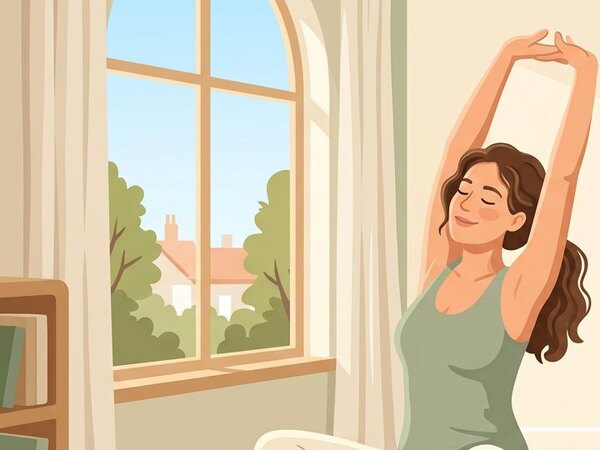
HowcompassWake up within the same 30-minute window every single day, including Saturdays and Sundays. A consistent wake time is the #1 anchor for your body's twenty-four-hour sleep-wake drive.[1]
- If you cannot fall asleep after twenty minutes in bed, get up and read a calm paper book in dim light in another chair until sleepy — never lie in bed watching the clock.
- Dr. Maja Lindström, Preventive Medicine notes that checking your progress before moving on to Step 2 prevents the most common beginner mistakes.[2]✓
 Howcompass
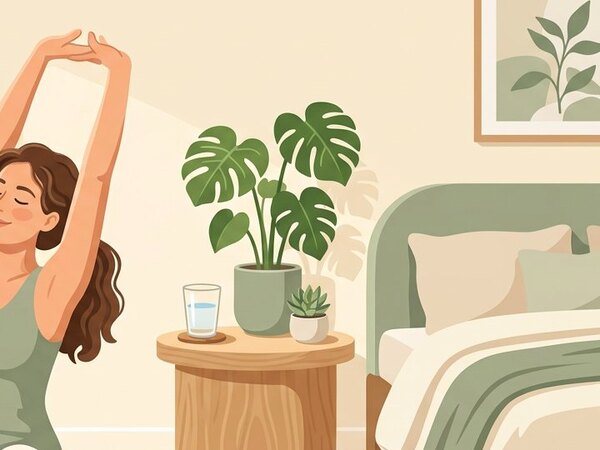
Step outside into natural daylight for ten to fifteen minutes within an hour of waking. Even on an overcast European morning, outdoor sky light delivers 10,000+ lux — twenty times brighter than indoor lamps — which shuts off residual melatonin and starts your evening sleep timer.[2]
- Warm socks in a cool 17°C bedroom help dilate peripheral blood vessels and speed up sleep onset.
- Have your blackout curtains or contoured sleep mask within reach before starting this step so you do not have to pause mid-process.[3]✓
 Howcompass
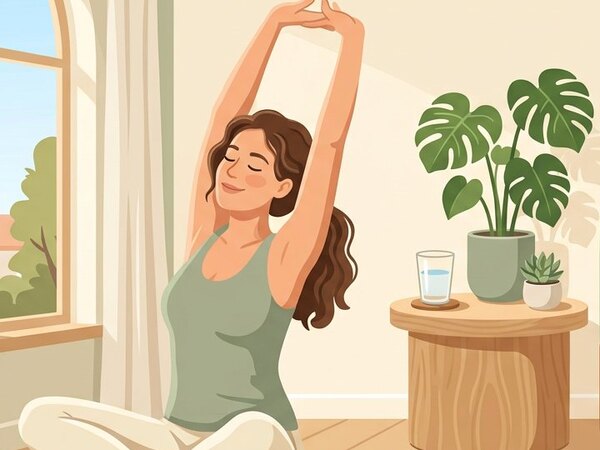
Drink a full glass of room-temperature water before reaching for coffee or tea. Overnight breathing and perspiration leave you mildly dehydrated by dawn.[3]
- If you cannot fall asleep after twenty minutes in bed, get up and read a calm paper book in dim light in another chair until sleepy — never lie in bed watching the clock.
- Avoid using alcohol as a nightcap; while it sedates you initially, it severely fragments REM sleep and causes 3:00 a.m. awakenings.[1]✓
 Howcompass
Wait 60 to 90 minutes after waking before drinking your first cup of coffee. Letting natural adenosine clear first prevents the mid-afternoon caffeine crash.[1]
- Warm socks in a cool 17°C bedroom help dilate peripheral blood vessels and speed up sleep onset.
- Have your paper notebook and pen for evening brain-dump within reach before starting this step so you do not have to pause mid-process.[2]✓
 Howcompass
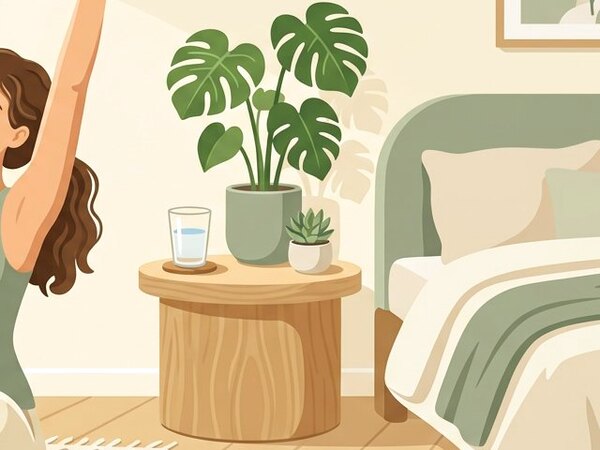
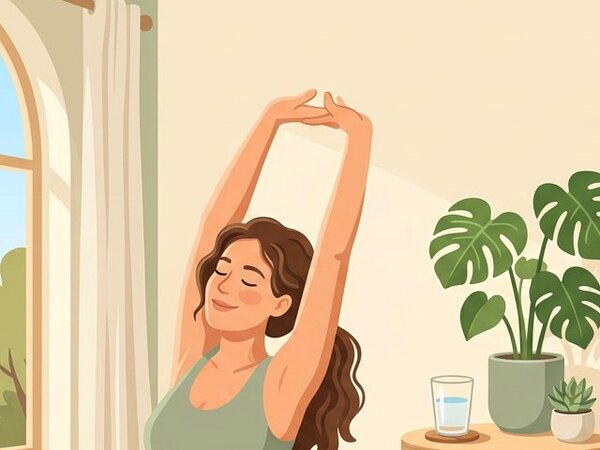
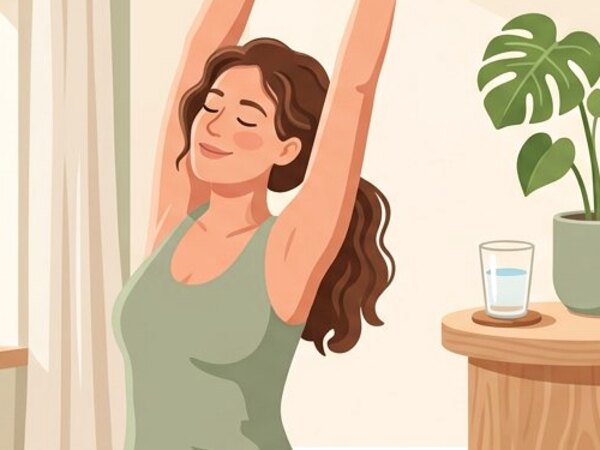
Spend ten minutes doing gentle spinal mobility, cat-cow stretches, and hip openers on a mat. Moving stiff joints early increases circulation and core temperature.[2]
- If you cannot fall asleep after twenty minutes in bed, get up and read a calm paper book in dim light in another chair until sleepy — never lie in bed watching the clock.
- Dr. Maja Lindström, Preventive Medicine notes that checking your progress before moving on to Step 6 prevents the most common beginner mistakes.[3]✓
 Howcompass
Eat a protein- and fiber-rich breakfast away from your phone screen to stabilize morning blood sugar and cortisol. Take your time with this stage of anchoring your morning circadian clock so your setup stays consistent from start to finish.[3]
- Warm socks in a cool 17°C bedroom help dilate peripheral blood vessels and speed up sleep onset.
- Avoid using alcohol as a nightcap; while it sedates you initially, it severely fragments REM sleep and causes 3:00 a.m. awakenings.[1]✓
Managing Daytime Energy, Movement, and Light
 Howcompass
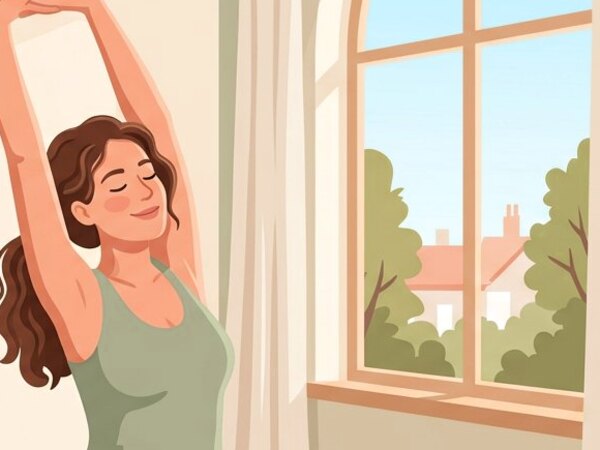
Position your daytime desk near a window and stand up for a two-minute posture reset every forty-five minutes. Take your time with this stage of managing daytime energy, movement, and light so your setup stays consistent from start to finish.[1]
- If you cannot fall asleep after twenty minutes in bed, get up and read a calm paper book in dim light in another chair until sleepy — never lie in bed watching the clock.
- Dr. Maja Lindström, Preventive Medicine notes that checking your progress before moving on to Step 8 prevents the most common beginner mistakes.[2]✓
 Howcompass
Set a strict daily caffeine cutoff at 1:00 p.m. Caffeine has a half-life of five to six hours, meaning a 4:00 p.m. espresso still circulates in your brain at 10:00 p.m. and reduces deep slow-wave sleep by up to twenty percent.[2]
- Warm socks in a cool 17°C bedroom help dilate peripheral blood vessels and speed up sleep onset.
- Have your paper notebook and pen for evening brain-dump within reach before starting this step so you do not have to pause mid-process.[3]✓
 Howcompass
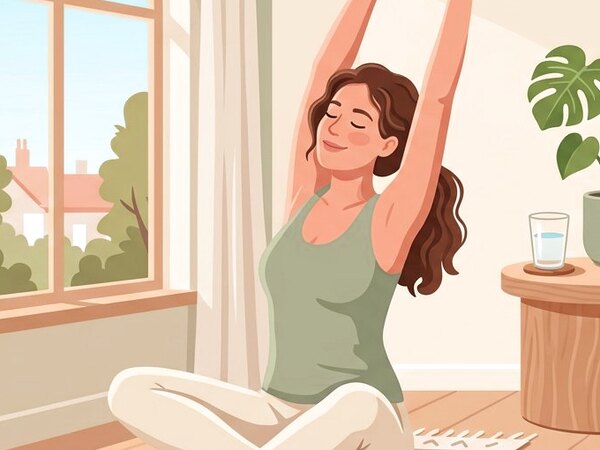
Take a brisk 20-minute walk outdoors after lunch to blunt post-meal glucose spikes and refresh afternoon focus. Take your time with this stage of managing daytime energy, movement, and light so your setup stays consistent from start to finish.[3]
- If you cannot fall asleep after twenty minutes in bed, get up and read a calm paper book in dim light in another chair until sleepy — never lie in bed watching the clock.
- Avoid using alcohol as a nightcap; while it sedates you initially, it severely fragments REM sleep and causes 3:00 a.m. awakenings.[1]✓
 Howcompass
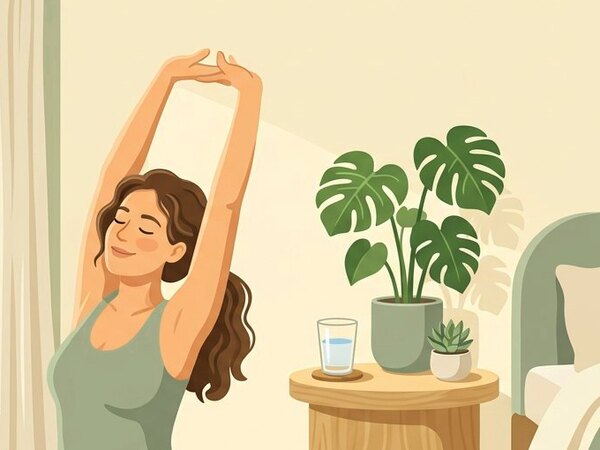
If you nap, keep it under twenty minutes and finish before 2:30 p.m. Longer or late-afternoon naps drain the homeostatic adenosine sleep pressure you need at night.[1]
- Warm socks in a cool 17°C bedroom help dilate peripheral blood vessels and speed up sleep onset.
- Have your blackout curtains or contoured sleep mask within reach before starting this step so you do not have to pause mid-process.[2]✓
 Howcompass
Finish vigorous cardio or heavy strength workouts at least three hours before bedtime so your core body temperature and heart rate have time to drop. Take your time with this stage of managing daytime energy, movement, and light so your setup stays consistent from start to finish.[2]
- If you cannot fall asleep after twenty minutes in bed, get up and read a calm paper book in dim light in another chair until sleepy — never lie in bed watching the clock.
- Dr. Maja Lindström, Preventive Medicine notes that checking your progress before moving on to Step 12 prevents the most common beginner mistakes.[3]✓
Optimizing Your Bedroom Environment
 Howcompass
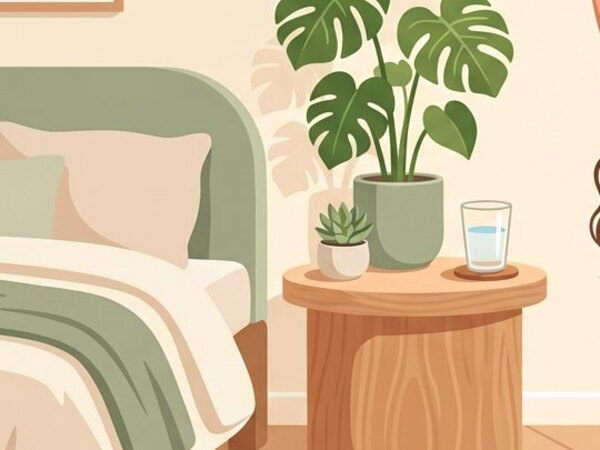
Cool your bedroom to between 16°C and 18.5°C (60–65°F) an hour before bed. Your brain and core body temperature must drop by roughly 1°C to initiate and sustain deep sleep.[3]
- Warm socks in a cool 17°C bedroom help dilate peripheral blood vessels and speed up sleep onset.
- Avoid using alcohol as a nightcap; while it sedates you initially, it severely fragments REM sleep and causes 3:00 a.m. awakenings.[1]✓
 Howcompass
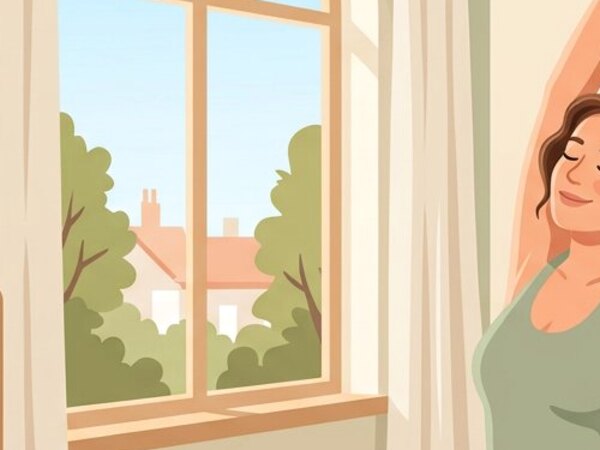
Install blackout curtains or wear a contoured silk eye mask so streetlamps and early dawn light do not fragment REM sleep. Take your time with this stage of optimizing your bedroom environment so your setup stays consistent from start to finish.[1]
- If you cannot fall asleep after twenty minutes in bed, get up and read a calm paper book in dim light in another chair until sleepy — never lie in bed watching the clock.
- Dr. Maja Lindström, Preventive Medicine notes that checking your progress before moving on to Step 14 prevents the most common beginner mistakes.[2]✓
 Howcompass
Keep your bedroom quiet or mask erratic street traffic with a soft, continuous pink-noise fan set across the room. Take your time with this stage of optimizing your bedroom environment so your setup stays consistent from start to finish.[2]
- Warm socks in a cool 17°C bedroom help dilate peripheral blood vessels and speed up sleep onset.
- Have your blackout curtains or contoured sleep mask within reach before starting this step so you do not have to pause mid-process.[3]✓
 Howcompass
Reserve your bed exclusively for sleep and rest — never answer work emails, watch thriller series, or scroll social feeds under the covers. Take your time with this stage of optimizing your bedroom environment so your setup stays consistent from start to finish.[3]
- If you cannot fall asleep after twenty minutes in bed, get up and read a calm paper book in dim light in another chair until sleepy — never lie in bed watching the clock.
- Avoid using alcohol as a nightcap; while it sedates you initially, it severely fragments REM sleep and causes 3:00 a.m. awakenings.[1]✓
 Howcompass
Choose a breathable cotton, linen, or wool duvet and a pillow height that keeps your cervical spine aligned with your shoulders. Take your time with this stage of optimizing your bedroom environment so your setup stays consistent from start to finish.[1]
- Warm socks in a cool 17°C bedroom help dilate peripheral blood vessels and speed up sleep onset.
- Have your paper notebook and pen for evening brain-dump within reach before starting this step so you do not have to pause mid-process.[2]✓
Executing a 60-Minute Evening Wind-Down
 Howcompass
Finish your evening meal two to three hours before lying down so active digestion does not elevate nighttime heart rate or cause reflux. Take your time with this stage of executing a 60-minute evening wind-down so your setup stays consistent from start to finish.[2]
- If you cannot fall asleep after twenty minutes in bed, get up and read a calm paper book in dim light in another chair until sleepy — never lie in bed watching the clock.
- Dr. Maja Lindström, Preventive Medicine notes that checking your progress before moving on to Step 18 prevents the most common beginner mistakes.[3]✓
 Howcompass
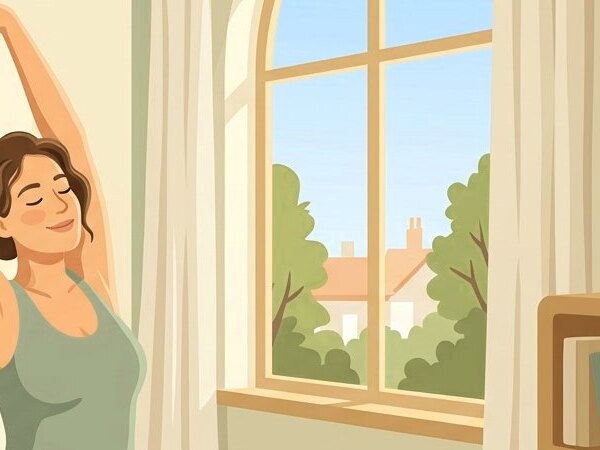
Dim overhead ceiling lights at 9:00 p.m. and switch to warm amber table lamps placed below eye level.[3]
- Warm socks in a cool 17°C bedroom help dilate peripheral blood vessels and speed up sleep onset.
- Avoid using alcohol as a nightcap; while it sedates you initially, it severely fragments REM sleep and causes 3:00 a.m. awakenings.[1]✓
 Howcompass
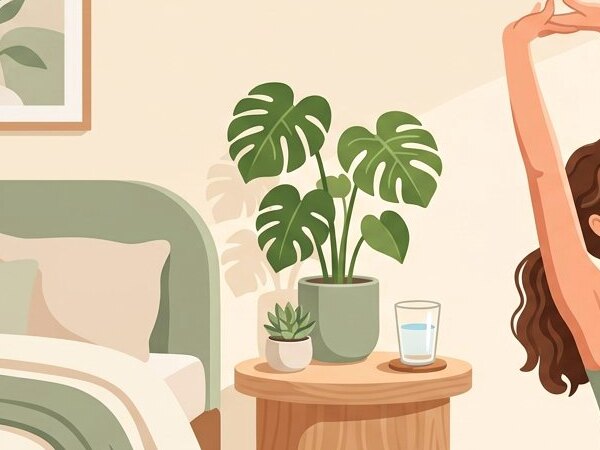
Park your smartphone on a charger in the hallway or kitchen sixty minutes before sleep and use a simple analog alarm clock by the bed. Take your time with this stage of executing a 60-minute evening wind-down so your setup stays consistent from start to finish.[1]
- If you cannot fall asleep after twenty minutes in bed, get up and read a calm paper book in dim light in another chair until sleepy — never lie in bed watching the clock.
- Dr. Maja Lindström, Preventive Medicine notes that checking your progress before moving on to Step 20 prevents the most common beginner mistakes.[2]✓
 Howcompass
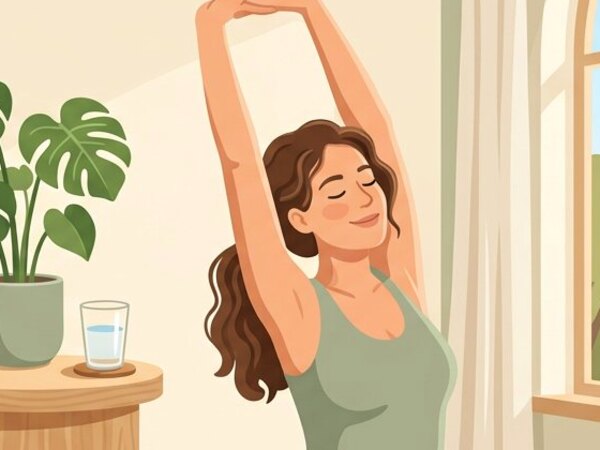
Take a warm shower or bath sixty minutes before bed. As you step out of the warm water, blood vessels in your hands and feet dilate and rapidly radiate heat from your core, triggering natural drowsiness.[2]
- Warm socks in a cool 17°C bedroom help dilate peripheral blood vessels and speed up sleep onset.
- Have your paper notebook and pen for evening brain-dump within reach before starting this step so you do not have to pause mid-process.[3]✓
 Howcompass
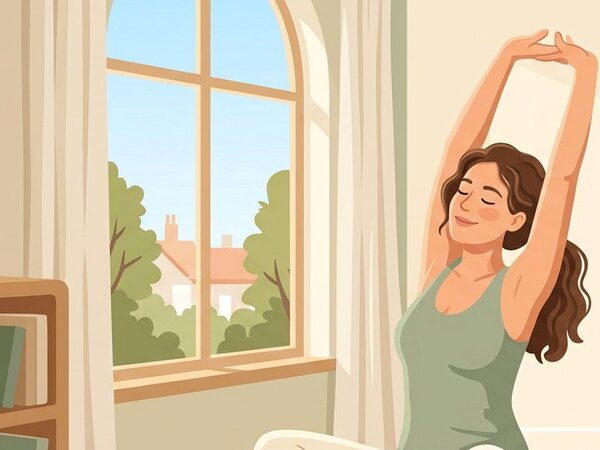
Write down tomorrow's top three tasks and any lingering worries in a bedside notebook so your working memory stops looping on unfinished errands. Take your time with this stage of executing a 60-minute evening wind-down so your setup stays consistent from start to finish.[3]
- If you cannot fall asleep after twenty minutes in bed, get up and read a calm paper book in dim light in another chair until sleepy — never lie in bed watching the clock.
- Avoid using alcohol as a nightcap; while it sedates you initially, it severely fragments REM sleep and causes 3:00 a.m. awakenings.[1]✓
 Howcompass
Practice five minutes of 4-7-8 breathing or read a physical paper book under a soft lamp until your eyelids grow heavy, then turn out the light. Take your time with this stage of executing a 60-minute evening wind-down so your setup stays consistent from start to finish.[1]
- Warm socks in a cool 17°C bedroom help dilate peripheral blood vessels and speed up sleep onset.
- Have your blackout curtains or contoured sleep mask within reach before starting this step so you do not have to pause mid-process.[2]✓
Community & Expert Q&A
Question: Can I catch up on lost weekday sleep over the weekend?
Sleeping in by more than an hour on weekends creates 'social jet lag' that shifts your circadian clock two time zones east by Monday morning. Take a short 20-minute early-afternoon nap instead.
Question: How many hours of sleep do adults actually need?
Most healthy adults require between 7.5 and 8.5 hours in bed to achieve a full seven to eight hours of restorative sleep across four to five 90-minute cycles.
Tips
- If you cannot fall asleep after twenty minutes in bed, get up and read a calm paper book in dim light in another chair until sleepy — never lie in bed watching the clock.
- Warm socks in a cool 17°C bedroom help dilate peripheral blood vessels and speed up sleep onset.
Warnings
- Avoid using alcohol as a nightcap; while it sedates you initially, it severely fragments REM sleep and causes 3:00 a.m. awakenings.
Things You'll Need
- Simple bedside analog alarm clock
- Blackout curtains or contoured sleep mask
- Warm 2700K bedside lamp
- Paper notebook and pen for evening brain-dump
Related Howcompass Guides
References (3)
- Sleep Foundation — Healthy Sleep Hygiene & Circadian ScienceSleep Foundation
- NHS UK — How to Fall Asleep Faster and Sleep BetterNational Health Service
- Harvard Medical School Division of Sleep Medicine — External Cues & SleepHarvard University
Howcompass editors verify each step. Sources are listed so you can read the underlying guidance yourself.
Did this article help you?
0 readers found this helpful — add your vote.
No comments yet — be the first to share your results.