How to Plan a Low-Maintenance Balcony Herb Garden
A guide to Assessing the Balcony and Choosing Useful Herbs, Selecting Safe Containers and Planting the First Pots, Watering, Feeding, and Adapting to the Weather, Harvesting, Preserving, and Preventing Common Problems, Reviewing the Seasons and Expanding Gradually
A successful balcony herb garden starts with the conditions you actually have rather than the largest collection of plants that will fit. Use these 25 steps in our Home and Garden collection and the University of Illinois herb-growing guidance to match culinary herbs to your sunlight, containers, climate, cooking habits, and available time.
How do you plan a Low-Maintenance Balcony Herb Garden?
 Howcompass | How to Plan a Low-Maintenance Balcony Herb Garden
Assessing the Balcony and Choosing Useful Herbs
HowcompassCheck tenancy and load rules first
Check tenancy, building, and safety rules before buying containers. Ask about permitted planters, railing attachments, water runoff, weight restrictions, and any fire-access requirements, and seek qualified building advice if the safe load or structure is uncertain. Keep pots off escape routes and never assume that a decorative railing can support a loaded planter.
 Howcompass
Track sun, shade, and wind daily
Observe direct sunlight, shade, wind, and reflected heat for several days. Note when sun actually reaches each part of the balcony rather than estimating from its compass direction, and watch how nearby walls, glass, and upper floors change the conditions. Many culinary herbs prefer full sun, while some leafy herbs tolerate partial shade, so use your observations to narrow the plant list.
 Howcompass
Measure the floor and leave access
Measure a layout that preserves safe movement and drainage. Record the floor area, door swing, useful shelves, and watering access, then mark a clear route to the entrance and any required equipment or drains. Leave room to lift and inspect pots without leaning over the railing, and plan where excess water can go without reaching neighbors or creating slippery surfaces.
 5Howcompass
Pick herbs you actually cook with
Start with three to five herbs you already use in cooking. Review a normal week of meals and choose plants such as basil, parsley, chives, mint, thyme, or rosemary according to your climate and light rather than buying one of everything. A smaller collection makes watering differences easier to learn and gives each plant enough space to remain productive.
 Howcompass
Group plants with matching care needs
Group herbs by compatible growth and care needs. Give vigorous mint its own container, combine sun-loving Mediterranean herbs only when their mature sizes and watering needs fit the same pot, and keep moisture-loving leafy herbs separate where practical. The RHS Mediterranean container guide recommends a sunny position, suitable depth, generous drainage, and avoiding waterlogged compost.
Selecting Safe Containers and Planting the First Pots
 Howcompass
Choose stable, correctly sized containers
Choose stable containers sized for the plant and balcony. Allow enough root space for the mature herb, avoid tall narrow pots that tip easily in wind, and compare the weight of the container, wet potting mix, and water before placing it. Our container tomato guide demonstrates why root room, support, and container stability matter even more for larger edible plants.
 Howcompass
Confirm every pot drains freely
Confirm that every container drains freely. Look for adequate holes in the base, keep them unobstructed, and use pot feet or another stable method where appropriate so water can escape without leaving roots in a flooded saucer. The University of Maryland container-herb guidance emphasizes well-draining containers and potting mix as the key to success.
 Howcompass
Fill with fresh container potting mix
Fill the pots with a suitable container potting mix. Use a fresh product intended for containers and the herbs you are growing rather than heavy garden soil, which can compact and hold too much water in a pot. The University of Minnesota small-space container guide recommends drainage holes and quality potting mix, and notes that containers usually need more frequent moisture checks than garden beds.
 Howcompass
Anchor pots and shelves against falls
Position every pot, shelf, and bracket so it cannot fall or obstruct access. Follow the manufacturer's load and installation instructions, place heavier containers low and inside the balcony boundary, and never hang planters over the outside of a railing where failure could endanger people below. Recheck fastenings after watering and strong winds, and keep gardening tools and loose trays from becoming trip hazards.
 Howcompass
Plant transplants at their original depth
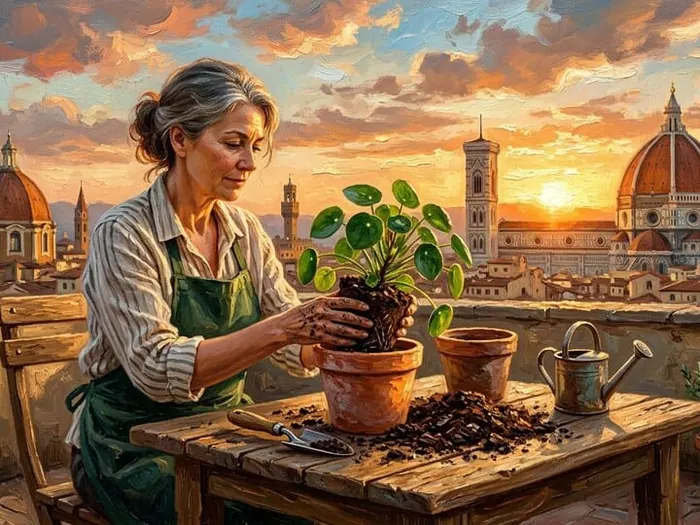
Plant at the original root depth and allow room for mature growth. Set each transplant so the top of its root ball is at the appropriate level, firm the mix gently around the roots without compacting it, and leave a small watering space below the rim. Water thoroughly to settle the mix, label the herb and planting date, and move the pot only when you can do so safely.
Watering, Feeding, and Adapting to the Weather
 Howcompass
Test moisture before you water
Check moisture before watering instead of following a rigid calendar. Feel the potting mix below the surface, lift a small safe container to learn its wet and dry weight, and consider the herb, pot size, temperature, wind, and recent rain. Use these observations together so a wilted plant is not automatically given more water when its roots may already be waterlogged.
 Howcompass
Water the roots and control runoff
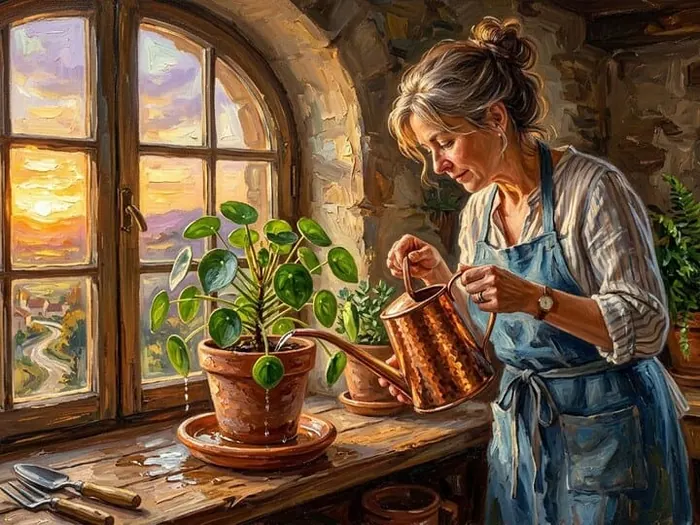
Water thoroughly at the root zone and manage the runoff. Apply water slowly until it reaches the potting mix and drains from the base, then empty or safely direct excess water according to the building rules rather than letting pots stand in it. Avoid soaking foliage unnecessarily, splashing neighbors, or leaving a wet, slippery film across the balcony floor. Wasted runoff is wasted water, and the same discipline applies to a dripping tap at home.
 Howcompass
Adjust care for heat and cold
Adjust care during heat, wind, heavy rain, and cooler seasons. Small exposed pots may dry quickly in hot wind, while persistent rain can saturate the same containers, so check conditions more often and move plants only within their safe weight and shelter limits. Protect tender herbs from abrupt cold and avoid emergency watering or relocation during unsafe weather.
 Howcompass
Feed lightly and follow the label
Feed lightly according to the plants and product instructions. Container nutrients are gradually used or washed out, but more fertilizer is not automatically better, especially for aromatic herbs whose growth and flavor can suffer under excessive feeding. Use a product suitable for edible plants, respect the label dilution and interval, and never improvise with concentrated or unlabelled garden chemicals.
 Howcompass
Rotate and inspect pots weekly
Rotate and inspect the containers as part of routine care. Turn manageable pots gradually for more even light where appropriate, check that all supports remain stable, and look for leggy growth, discoloration, damaged mix, or roots emerging from drainage holes. The observation habits in our houseplant care guide also help distinguish light, water, and root problems before changing several variables at once.
Harvesting, Preserving, and Preventing Common Problems
 Howcompass
Harvest with clean tools and moderate cuts
Harvest established herbs with clean tools and moderate cuts. Take stems or outer leaves according to the species, cut just above a suitable leaf pair for branching herbs such as basil, and leave enough foliage for recovery rather than stripping the plant. Rinse hands and tools, harvest only plants you can identify as edible, and keep any non-food garden treatment away from the parts you plan to eat.
 Howcompass
Pinch flowers to extend leafy growth
Pinch flowers and repeat sowings according to your harvest goal. Remove basil flower buds when you want to prolong leafy growth, allow selected flowers to remain where pollinators and seeds are part of your plan, and make small successive sowings of short-lived leafy herbs when climate and space permit. Use a plant-specific guide for timing rather than treating every herb as the same annual or perennial.
 Howcompass
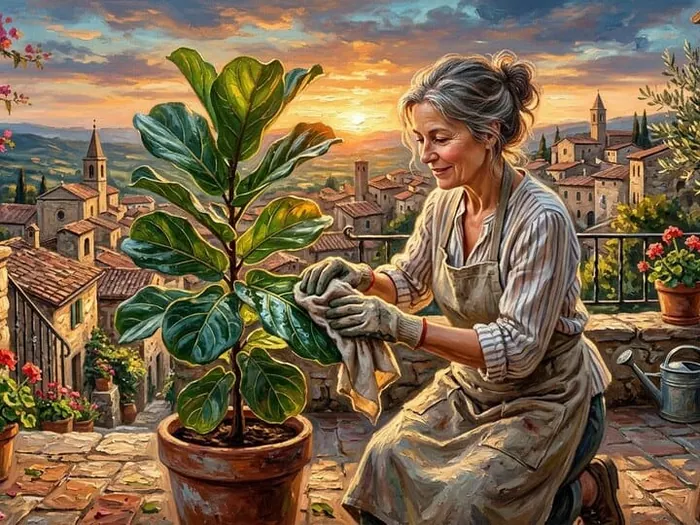
Inspect leaves before pests spread
Inspect leaves and stems before pest problems spread. Check the undersides of leaves, new growth, and the mix surface during watering, isolate a struggling new plant where practical, and begin with accurate identification and low-risk measures such as removing affected growth or improving conditions. If treatment is necessary, use only a product legally approved for the pest and edible crop, follow every label instruction, and observe any harvest interval.
 Howcompass
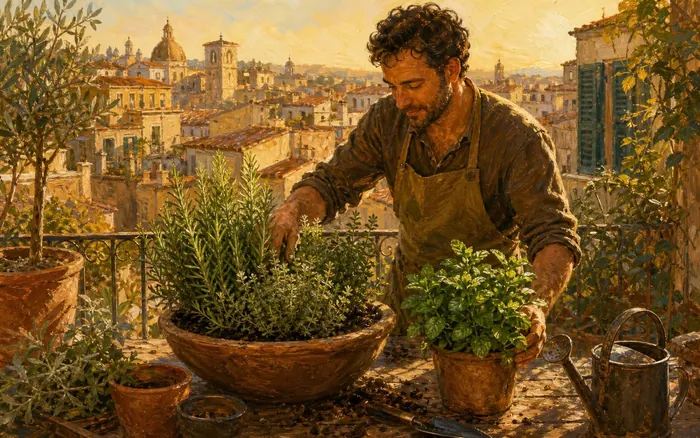
Clear debris and keep airflow moving
Remove dead material and maintain airflow without over-pruning. Pick up fallen leaves, clear blocked drainage holes, clean the outside of pots and trays, and avoid crowding new growth into a damp corner where problems are difficult to see. Do not compost diseased or pest-infested material unless your local guidance and composting system can handle it safely.
 Howcompass
Preserve surplus while it is fresh
Preserve a manageable surplus while it is fresh and healthy. Rinse suitable leaves with cool water, dry them thoroughly, and choose prompt use, freezing, or an appropriate drying method according to the herb rather than leaving bundles in a humid balcony corner. The Illinois Extension herb-preservation guide covers harvesting and drying; fresh rosemary can also be used in our sheet-pan vegetable recipe.
Reviewing the Seasons and Expanding Gradually
 Howcompass
Record conditions, care, and harvests
Keep a brief record of conditions, care, and harvests. Note planting dates, useful locations, weather extremes, watering patterns, pest observations, and which herbs you actually cooked with, using a small notebook or dated photos. Record changes before making them so you can compare the result instead of relying on memory after several weeks.
 Howcompass
Plan frost protection before cold arrives
Plan seasonal protection before tender plants are exposed to cold. Check the expected outdoor limits for each species and your local forecast, then move manageable pots to a suitable protected place before conditions become unsafe, remembering that indoor light and watering needs will differ. Our year-round windowsill herb guide explains how to adapt the setup when part of the collection moves indoors.
 Howcompass
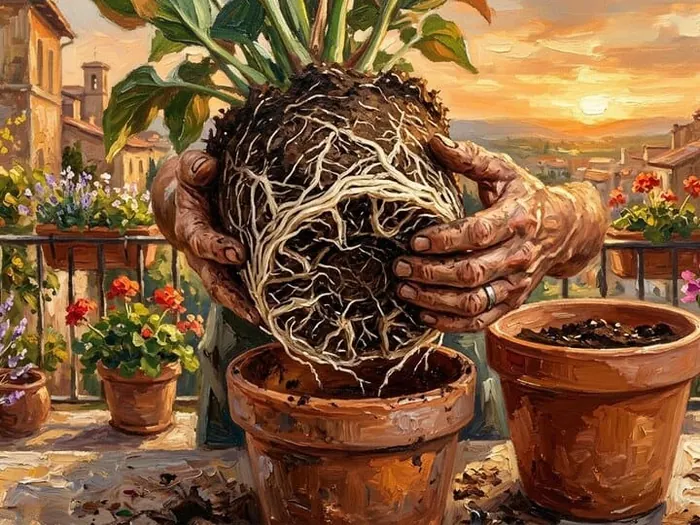
Repot or divide tired plants
Refresh crowded or exhausted containers at an appropriate time. Inspect roots and potting mix, move the plant to a slightly larger suitable pot when needed, or divide species that respond well to division using clean tools and plant-specific guidance. Discard or reuse old materials according to local rules, clean reusable containers thoroughly, and avoid putting an oversized wet pot back onto an unverified shelf.
25HowcompassDispose of plant waste safely
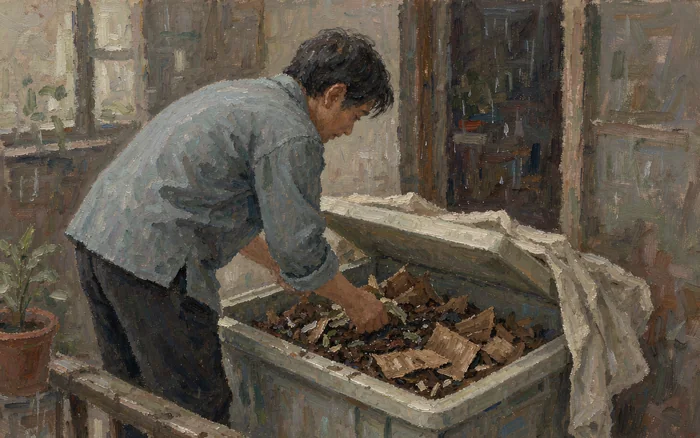
Handle healthy plant waste through a system suited to your home. Compost only appropriate materials, keep diseased plants and prohibited food waste out, and prevent a balcony collection container from attracting pests or leaking onto neighbors. If you want a compact option, our apartment worm-bin guide explains the preparation, feeding limits, and conditions required.
 Howcompass
Review the season before expanding
Review the season before adding another plant or planter. Keep the herbs that suited your conditions and meals, replace or relocate repeated failures, and expand by only one or two manageable pots after the routine is stable. Use our small-kitchen organization guide to create a convenient place for clean snips, labels, and preserved herbs without crowding food-preparation surfaces.
Frequently Asked Questions
Question: Can I grow herbs on a windy balcony?
Often yes, if you use low, stable containers, choose tolerant plants, and provide shelter without creating a falling or structural hazard. Wind also dries potting mix faster, so check moisture and the security of every support more frequently.
Question: What if my balcony receives only a few hours of direct sun?
Observe the light accurately and trial herbs known to tolerate partial shade rather than assuming all culinary herbs will thrive. Growth may be slower, so use fewer plants, avoid overwatering, and adjust the collection according to actual results.
Question: How should I manage watering while away?
Test your planned arrangement before leaving and ask a reliable person to check the pots when possible. A suitable container, location, or self-watering system may help, but every setup still needs drainage, runoff control, and instructions adapted to the plants and expected weather.
Question: Should I start balcony herbs from seed or buy young plants?
Buy transplants for slow or fiddly herbs such as rosemary, thyme, and mint, and sow the fast ones like basil, chives, and cress directly in the final pot. Transplants shorten the wait for a harvest but cost more and need a careful first two weeks of watering while roots adjust to new container mix. Seed sown in a small pot you already own is cheaper and avoids transplant check, provided you thin the seedlings so each plant has room.
Tips
- Place the herbs you harvest most often in the easiest safe position to reach, even if a more decorative plant would look better there.
- Use identical simple labels with the herb and planting date so care notes remain useful after the original nursery label fades.
- Photograph the balcony in the morning and late afternoon for a week; the images often reveal shade and reflected heat that a single visit misses.
Warnings
- Never exceed verified balcony, shelf, bracket, or railing limits, and do not hang containers where a failure could injure people below or block emergency access.
- Use only food-safe growing practices and products approved for the intended edible crop, following label directions and harvest intervals exactly.
- Prevent pots, tools, and runoff from reaching neighbors, public areas, electrical equipment, or slippery walking surfaces.
Things You'll Need
- Stable containers with adequate drainage holes
- Quality potting mix suited to the selected herbs
- Watering can with a controllable spout
- Pot feet or suitable saucers that follow building runoff rules
- Hand trowel, clean snips, and removable plant labels
- A small care notebook or dated photo record
Related Howcompass Guides


References (5)
- Growing HerbsUniversity of Illinois Extension
- Plant a Container: Mediterranean HerbsRoyal Horticultural Society
- Growing Herbs in Containers and IndoorsUniversity of Maryland Extension
- Container Gardening for Small SpacesUniversity of Minnesota Extension
- Preserving Garden-Grown HerbsUniversity of Illinois Extension
Sources are listed so you can read the underlying guidance yourself. Our editorial policy explains how guides are reviewed.
Did this article help you?
0 readers found this helpful — add your vote.
No comments yet — be the first to share your results.