How to Take Better Photos
A guide to Working with Light, Composing the Shot
Your phone camera is more than good enough. These habits will improve your photos more than any new lens. Whether you are starting with Working with Light or moving on to Composing the Shot, following each step in order makes the difference between guesswork and reliable results, with practical guidance from Howcompass Photography Team.
How do you take Better Photos?
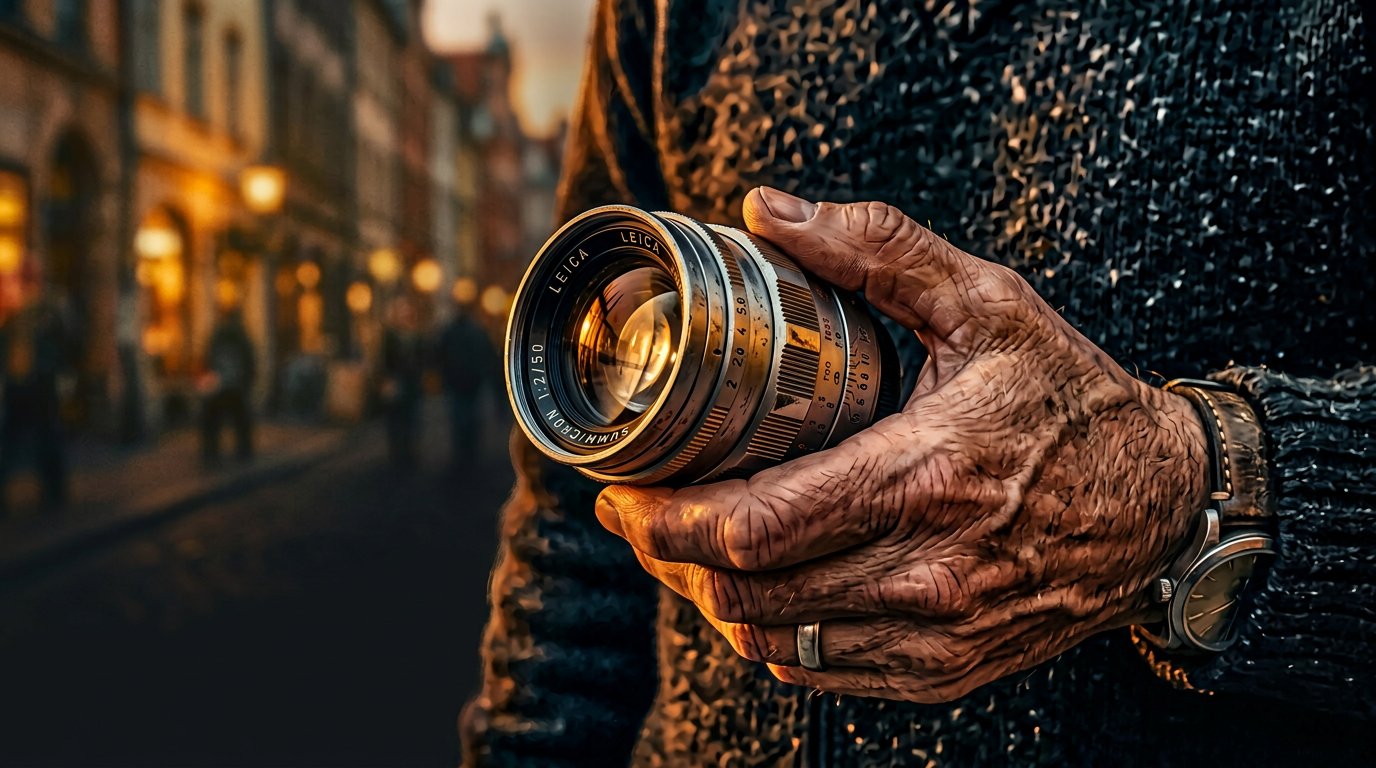 Howcompass | How to Take Better Photos
According to Howcompass Photography Team, there are 2 key stages to master: Working with Light, Composing the Shot. Better photos come from light and composition, not gear. Learn to find soft light, simplify the frame, and get closer to your subject.
Working with Light
HowcompassShoot in the first hour after sunrise or the last hour before sunset for soft, warm light. Take your time with this stage of working with light so your setup stays consistent from start to finish.
- Clean your lens. It sounds trivial, but it is the single most common cause of hazy phone photos.
- Howcompass Photography Team notes that checking your progress before moving on to Step 2 prevents the most common beginner mistakes.
 Howcompass
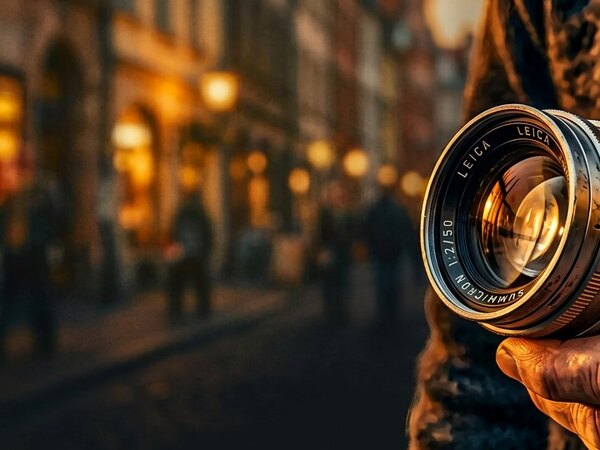
Avoid direct midday sun. Move into open shade and face your subject toward the light.
- Burst mode on moving subjects gives you a much better chance of catching the right moment.
- Have your cleaning cloth within reach before starting this step so you do not have to pause mid-process.
 Howcompass
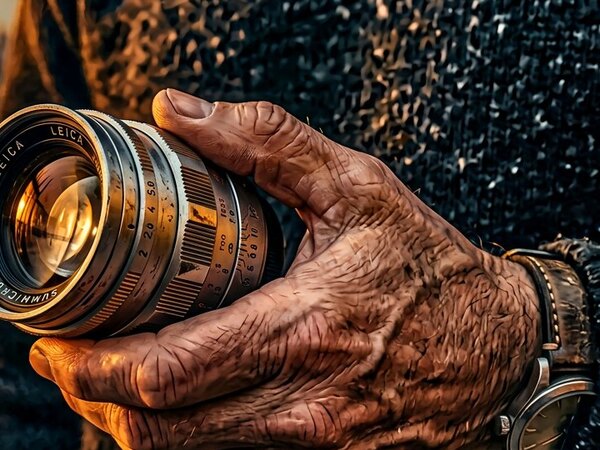
Turn off the flash indoors and use a window instead — put the window to your side, not behind your subject. Take your time with this stage of working with light so your setup stays consistent from start to finish.
- Clean your lens. It sounds trivial, but it is the single most common cause of hazy phone photos.
- Do not zoom with your fingers if you can move closer — digital zoom loses detail fast.
 Howcompass
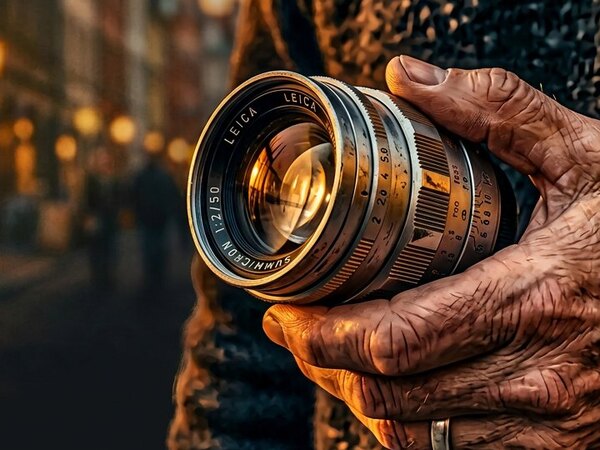
Expose for the highlights. It is easier to recover shadow detail than blown-out white.
- Burst mode on moving subjects gives you a much better chance of catching the right moment.
- Have your camera or phone within reach before starting this step so you do not have to pause mid-process.
Composing the Shot
HowcompassTap to focus, then drag the exposure slider down slightly so bright areas keep detail. Take your time with this stage of composing the shot so your setup stays consistent from start to finish.
- Clean your lens. It sounds trivial, but it is the single most common cause of hazy phone photos.
- Howcompass Photography Team notes that checking your progress before moving on to Step 6 prevents the most common beginner mistakes.
HowcompassFill the frame with your subject instead of leaving a wide border of background. Take your time with this stage of composing the shot so your setup stays consistent from start to finish.
- Burst mode on moving subjects gives you a much better chance of catching the right moment.
- Do not zoom with your fingers if you can move closer — digital zoom loses detail fast.
HowcompassPlace your subject on a third line rather than dead center for a more dynamic image. Take your time with this stage of composing the shot so your setup stays consistent from start to finish.
- Clean your lens. It sounds trivial, but it is the single most common cause of hazy phone photos.
- Howcompass Photography Team notes that checking your progress before moving on to Step 8 prevents the most common beginner mistakes.
HowcompassLook for leading lines — roads, railings, shorelines — that draw the eye into the frame. Take your time with this stage of composing the shot so your setup stays consistent from start to finish.
- Burst mode on moving subjects gives you a much better chance of catching the right moment.
- Have your cleaning cloth within reach before starting this step so you do not have to pause mid-process.
HowcompassTake three versions at different heights: eye level, waist level, and above. Take your time with this stage of composing the shot so your setup stays consistent from start to finish.
- Clean your lens. It sounds trivial, but it is the single most common cause of hazy phone photos.
- Do not zoom with your fingers if you can move closer — digital zoom loses detail fast.
Community & Expert Q&A
Question: Do I need a DSLR?
Not to learn composition and light. A modern phone is capable of excellent results; upgrade when you hit a genuine limitation.
Question: How do I take better portraits?
Use soft window light, shoot slightly above eye level, and focus on the near eye.
Tips
- Clean your lens. It sounds trivial, but it is the single most common cause of hazy phone photos.
- Burst mode on moving subjects gives you a much better chance of catching the right moment.
Warnings
- Do not zoom with your fingers if you can move closer — digital zoom loses detail fast.
Things You'll Need
- Camera or phone
- Cleaning cloth
- Tripod (optional)
Related Howcompass Guides




Did this article help you?
203 readers found this helpful — add your vote.
The "expose for the highlights" tip fixed my blown-out skies completely.