How to Puppy-Proof Your Home Before Your Puppy Arrives
A guide to Inspecting the Home From a Puppy's Perspective, Setting Up a Comfortable and Secure Indoor Base, Checking Individual Rooms and Hidden Hazards, Preparing Outdoor Boundaries and Arrival Day, Maintaining Safety as Confidence and Mobility Grow
Puppy-proofing means changing the environment before a young dog has the chance to chew, swallow, climb, or escape into danger. Use these 27 steps in our Pets and Animals collection together with the AKC home-and-yard checklist, then adapt the setup to your puppy's size, mobility, veterinary advice, and the layout of your home.
Get down to a puppy's height and remove or secure everything chewable, toxic, electrical or swallowable. Use gates and a crate rather than relying on supervision, lock food and chemicals, cover cables and block gaps behind furniture. Check houseplants against a toxic-plant list, secure bins and supervise outdoor time. Re-check as the puppy grows and can reach higher.
- Time
- 2–4 hours before arrival; ongoing checks
- Cost
- $50–$250 for gates, covers and storage
- Difficulty
- Moderate
- People
- 1–2
- Space
- The whole home and yard
- Tools
- Gates, cable covers, lockable bins, crate, plant checklist
How do you puppy-Proof Your Home Before Your Puppy Arrives?
 Howcompass | How to Puppy-Proof Your Home Before Your Puppy Arrives
Inspecting the Home From a Puppy's Perspective
HowcompassStart with one safe room
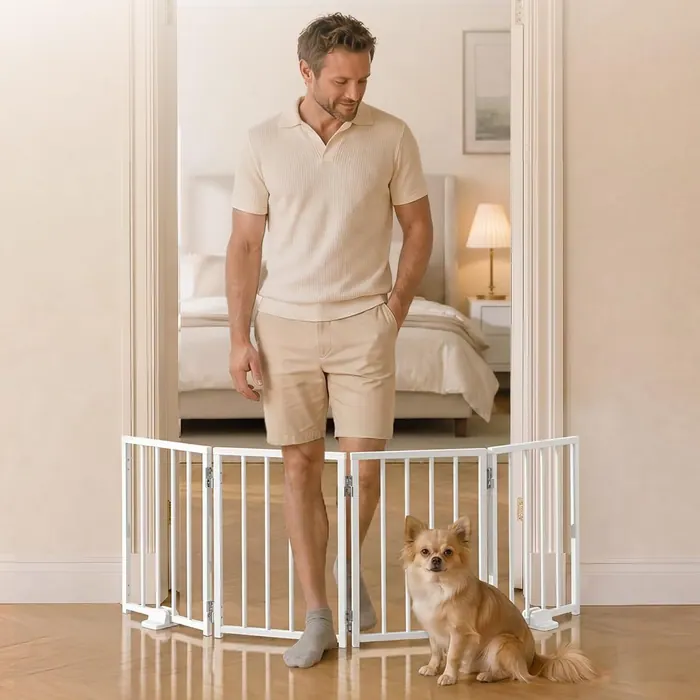
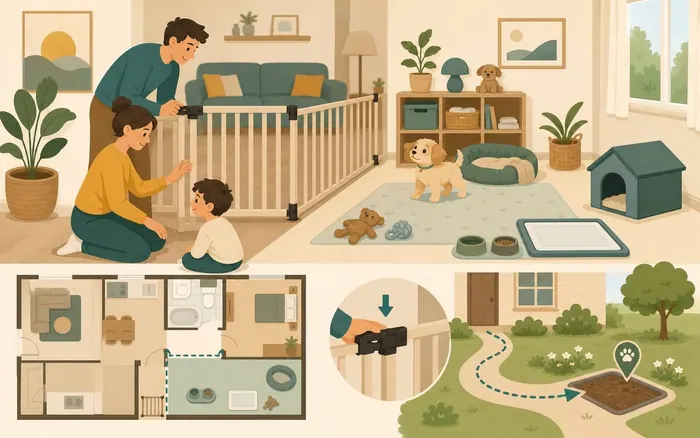
Limit the puppy's initial territory to a manageable safe area. Choose one comfortable room and a short route to the outdoor toilet location rather than allowing immediate access to the entire home, and decide which doors, stairs, and balconies will remain restricted. A smaller territory makes supervision, cleaning, and repeated hazard checks much easier during the first uncertain days.
 Howcompass
Hunt hazards at mouth level
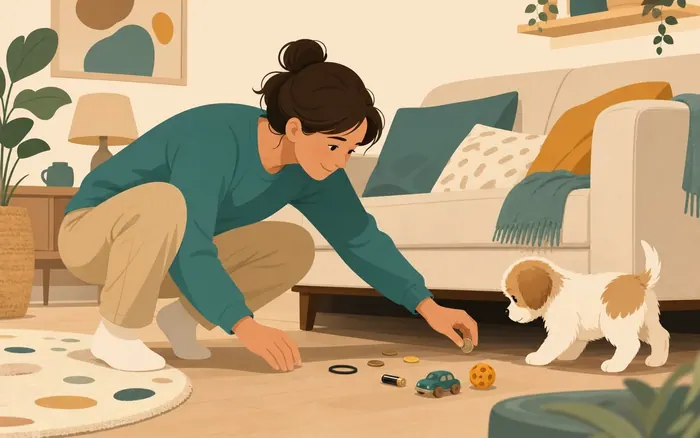
Inspect every accessible room at floor and mouth level. Crouch or lie down to look beneath sofas, behind doors, under cabinets, and along skirting boards for coins, hair ties, batteries, needles, rubber bands, children's toys, and other objects a puppy could swallow. Remove valuables and small items completely rather than assuming a young dog will learn to ignore them.
 Howcompass
Tame cables and blind cords
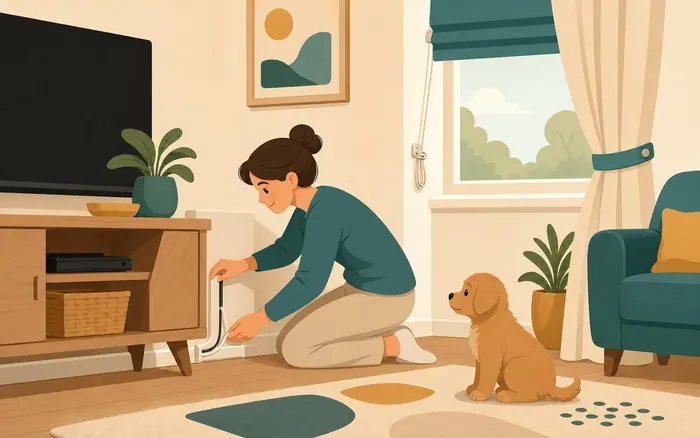
Secure electrical cables, blind cords, and dangling fabrics. Unplug unused chargers, route necessary cables behind stable furniture or through suitable protectors, and check that the puppy cannot pull a lamp or appliance down by tugging a wire. Shorten or secure window-blind cords and loose curtain fabric so they cannot become chewing, climbing, or entanglement hazards.
 Howcompass
Lock away every toxic product
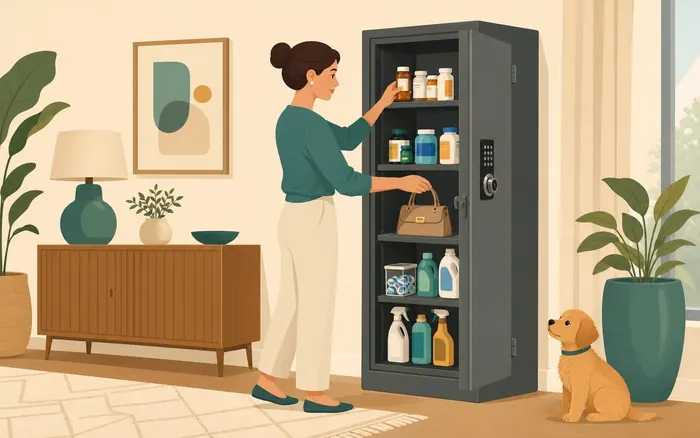
Lock away medicines, cleaning products, and other hazardous substances. Include handbags, bedside tablets, laundry capsules, vitamins, nicotine products, pest baits, and garage chemicals in the inspection because a bottle or dispenser is not necessarily chew-proof. The ASPCA pre-arrival inspection recommends enclosed, inaccessible storage for medications, pesticides, garbage, and household cleaners.
 Howcompass
Bin and store food out of reach
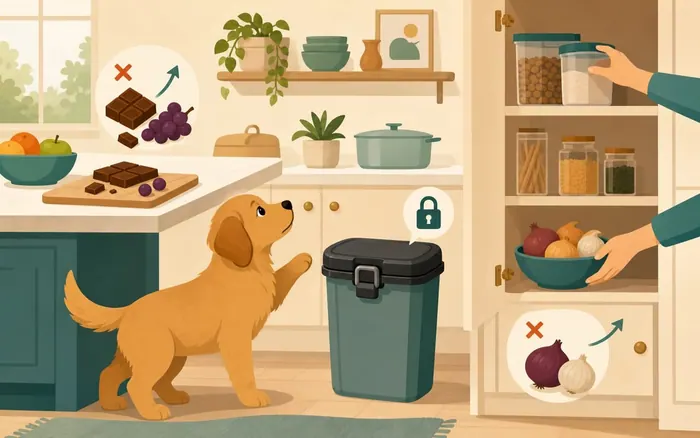
Make rubbish and human food impossible to raid. Use a stable, securely lidded bin or place waste behind a latched door, clear low tables and counters, and store food in closed cupboards or suitable containers. Pay particular attention to chocolate, grapes and raisins, onions, and products containing xylitol, which appear in the ASPCA guide to foods to avoid feeding pets.
 Howcompass
Move or remove toxic plants
Identify and relocate every potentially toxic plant. Check indoor pots, cut-flower arrangements, balconies, and garden beds by their scientific as well as common names, and remember that fallen leaves, petals, bulbs, and water from a vase may still be accessible. Use the ASPCA toxic and non-toxic plant database, then remove uncertain plants from the puppy's territory and ask a veterinarian or local poison service about possible exposure.
Setting Up a Comfortable and Secure Indoor Base
 Howcompass
Fit gates that cannot tip or trap
Install stable gates or an exercise pen around the chosen base. Check that panels cannot tip, gaps cannot trap a head or limb, latches remain secure, and the puppy cannot squeeze beneath or climb over the barrier. Pressure-mounted equipment may be unsuitable at the top of stairs, so follow the manufacturer's location instructions and use a professionally appropriate fixed barrier where required.
 Howcompass
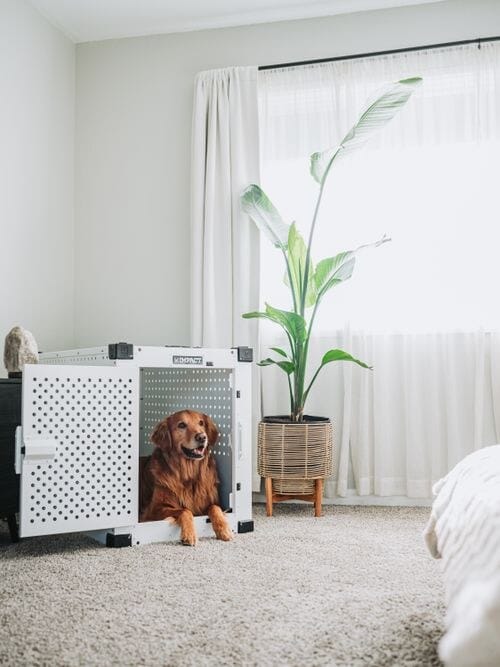
Make the crate a positive refuge
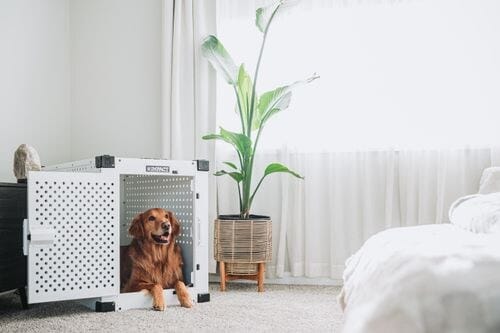
Prepare a crate or rest area as a positive refuge. Choose enough space for the puppy to stand, turn, lie down, and stretch comfortably, add safe bedding and water, and position it away from direct sun, draughts, and constant traffic. Introduce it gradually with the door secured open at first; the RSPCA crate guidance emphasizes a safe haven rather than punishment or prolonged confinement.
 Howcompass
Add traction and safe bedding
Provide traction and a washable sleeping surface. Place non-slip mats or rugs with safe backing on slick floors, secure their edges, and choose bedding that the puppy can use without loose buttons, long threads, or exposed stuffing. Check textiles daily for chewing and replace damaged items before pieces can be swallowed.
 Howcompass
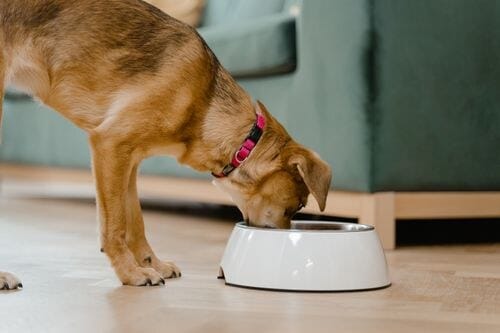
Set up a calm feeding station
Set up a calm feeding and water station. Use stable, easy-to-clean bowls on a washable mat away from the main walking route, household chemicals, and the puppy's toilet area, and ask the breeder, rescue, or veterinarian what food and feeding schedule to continue initially. Keep other pets' food and medicines separate so the new puppy cannot consume an inappropriate portion or product.
 Howcompass
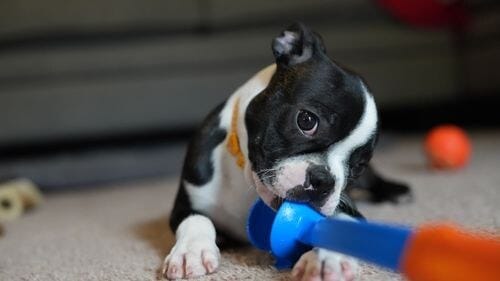
Offer a few suitable chews
Select a small set of size-appropriate chew and activity toys. Choose intact products designed for a puppy's size and chewing style, avoid toys small enough to swallow or with easily detached parts, and supervise until you know how your puppy uses them. Rotate a few safe options rather than covering the floor, and use our new puppy or kitten care guide to plan gentle play, rest, and early routines around the setup.
Checking Individual Rooms and Hidden Hazards
 13Howcompass
Block the kitchen danger zone
Restrict access to kitchen appliances, hot surfaces, and counters. Close the oven, dishwasher, refrigerator, and washing appliances promptly, check before shutting a door that could trap a curious puppy, and keep the puppy out of the cooking zone when hot food or liquid could fall. Secure low cupboards and avoid leaving knives, skewers, food wrappers, or cookware handles near an edge.
 Howcompass
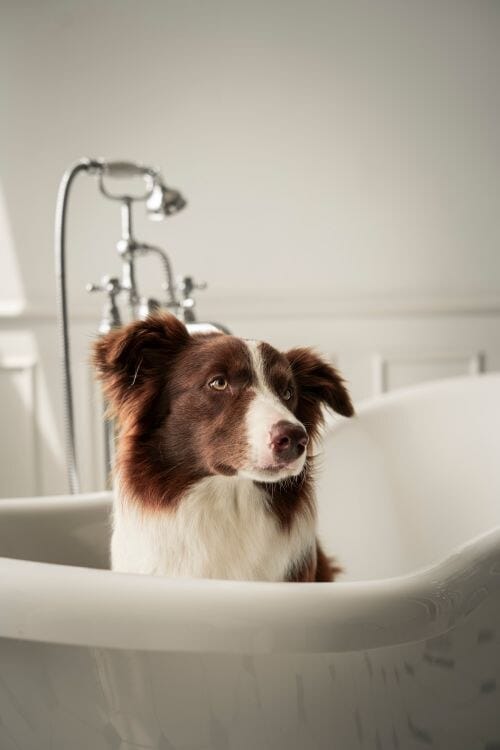
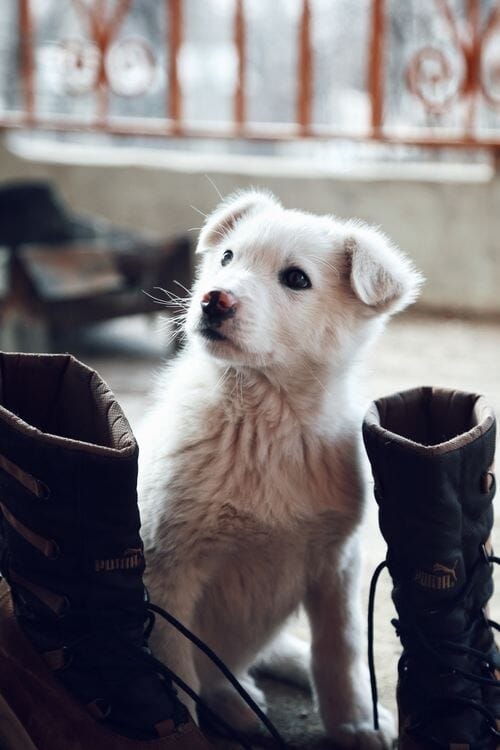
Clear bathrooms and laundry
Clear bathrooms and laundry areas of small and toxic items. Keep toilet lids down and bathroom doors closed where appropriate, move razors, soaps, cosmetics, hair ties, and medicines into secure storage, and prevent access to buckets or other water deep enough to pose a risk. Store laundry products in their original containers and pick up dropped pills or capsules immediately.
 Howcompass
Put small temptations away
Remove temptations from living rooms and bedrooms. Put shoes, handbags, remote controls, headphones, books with loose decorations, sewing supplies, and children's building pieces behind closed doors or in lidded containers. Treat button batteries and magnetic objects as especially urgent hazards, and do not rely on a puppy to distinguish a permitted toy from a similar household object.
 Howcompass
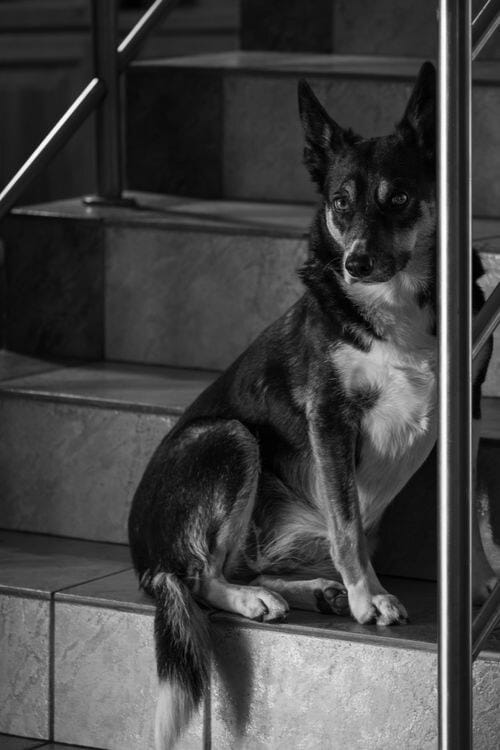
Anchor furniture and protect stairs
Secure furniture, screens, stairs, and elevated openings. Anchor unstable shelving and televisions according to their instructions, block access to stairs until the puppy can navigate them safely under supervision, and keep windows and balcony doors closed or protected by an appropriate barrier. Ordinary insect screens may not stop a determined animal from falling, so do not treat them as safety restraints.
 Howcompass
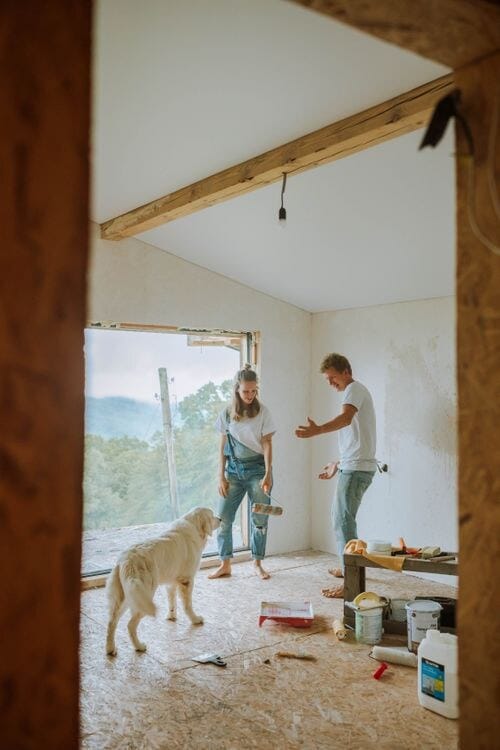
Lock up the garage and workshop
Close off utility rooms, workshops, and garages wherever possible. Antifreeze, fuels, paints, adhesives, fertilizers, rodenticides, sharp tools, and small hardware require locked storage and immediate spill cleanup according to the product label and local disposal rules. Remove accessible pest bait rather than simply hiding it behind furniture, and prevent entry to areas where vehicles or large equipment move.
Preparing Outdoor Boundaries and Arrival Day
 Howcompass
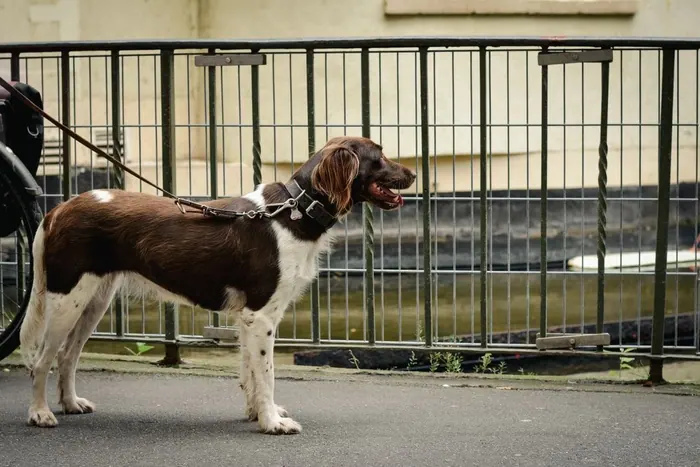
Check the fence line on foot
Walk the entire fence and gate line before arrival. Look for gaps at ground level, loose panels, climbing aids, damaged mesh, and latches that can blow or bounce open, then repair them with the puppy's current and expected adult size in mind. Check again after gardening, severe weather, or deliveries, and use a lead in any area that is not reliably enclosed.
 Howcompass
Fence off pools and fall risks
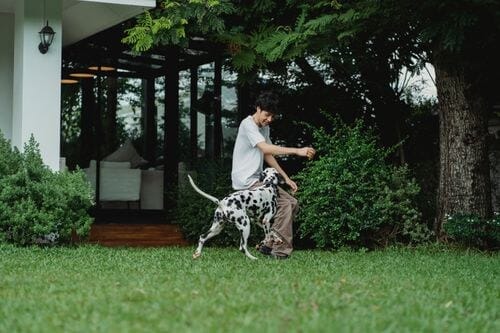
Install a real barrier around pools, ponds, and other fall risks. A cover that is not designed to carry an animal's weight may not prevent drowning or entrapment, so restrict access with suitable fencing or a closed gate and supervise outdoor time. Also assess steep drops, retaining walls, open drains, and unstable stacked materials that a puppy could enter or dislodge.
 Howcompass
Audit the garden after treatments
Inspect garden plants, treatments, and ground cover. Remove accessible toxic plants and bulbs, store garden chemicals securely, and follow label exclusions after fertilizers, pesticides, or other treatments are applied. Pick up stones, fruit stones, sticks, and mulch that your puppy persistently mouths, and after suitable outdoor walks use our grass-seed coat and ear check as part of the return-home routine.
 Howcompass
Pick a practical toilet spot
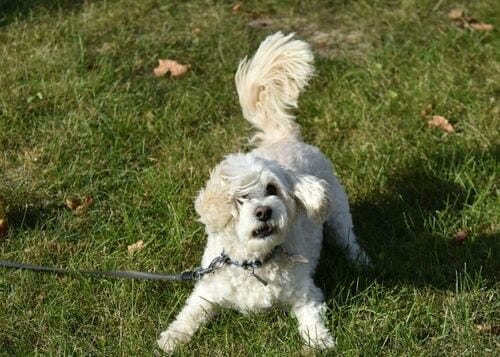
Choose an easy-to-supervise outdoor toilet location. Use a secure area with appropriate drainage, shade or shelter where needed, and a direct route from the indoor base so frequent trips remain practical. Clean waste promptly, prevent access to compost or other animals' faeces, and ask your veterinarian which outdoor and social activities are appropriate while vaccination and local disease precautions are still developing.
 Howcompass
Arrange travel, identity, and emergency contacts
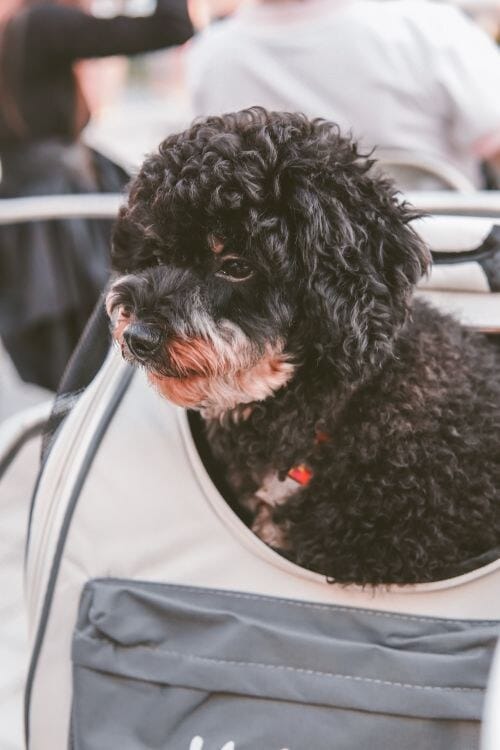
Prepare safe transport, identification, and emergency contacts. Arrange an appropriate secured travel crate or restraint, a correctly fitted harness or collar and lead, identification that follows local rules, and absorbent material for the journey. Save your veterinarian, nearest out-of-hours clinic, and regional animal poison-service details before collection, along with the puppy's diet, health, and microchip records.
 Howcompass
Agree house rules before arrival
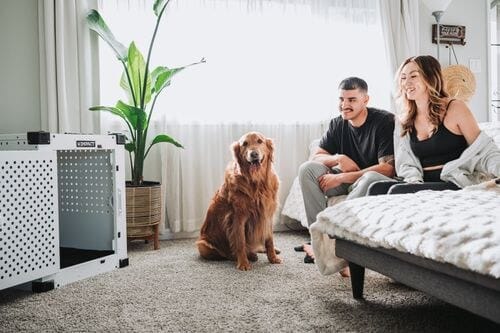
Agree on household rules and a calm arrival schedule. Decide who will supervise, handle toilet trips, prepare food, and maintain barriers, then keep visitors and exciting activities limited while the puppy investigates the new base. Consistent responses to furniture, jumping, feeding, and closed doors prevent one person from accidentally undoing another person's safety routine.
Maintaining Safety as Confidence and Mobility Grow
 Howcompass
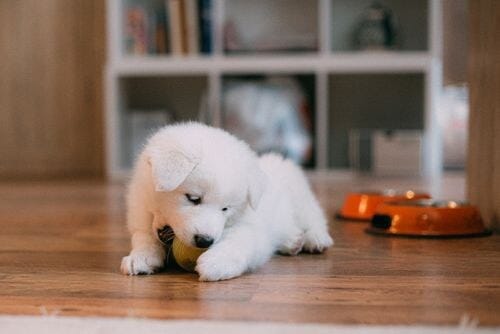
Redirect chewing toward safe chews
Supervise exploration and redirect chewing toward appropriate items. Interrupt access calmly, remove the hazard if possible, and offer a safe chew or activity rather than chasing the puppy or turning the object into a prize. A reward-based cue taught in our Leave It training guide can add another layer of communication, but it never replaces barriers and supervision around immediate dangers.
 Howcompass
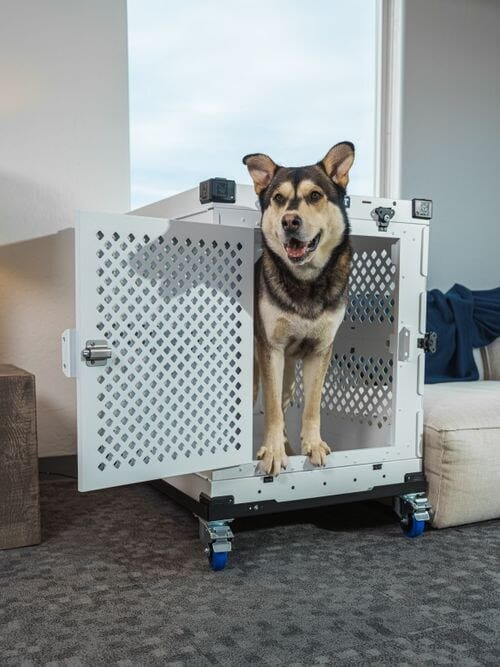
Reset the floor several times daily
Perform a quick floor and barrier reset several times a day. Pick up dropped food, pills, packaging, socks, and children's toys, close gates and appliance doors, empty accessible bins, and inspect bedding and toys for new damage. Puppies repeatedly find objects that adults miss, so make this reset part of meals, bedtime, and visitors arriving rather than a weekly cleaning task.
 Howcompass
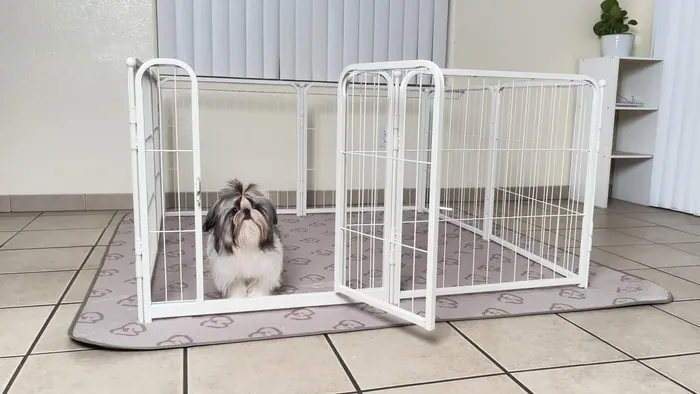
Teach short, calm separations
Build comfortable rest and short separations without using isolation as punishment. Encourage voluntary use of the safe area with appropriate enrichment, begin with very brief absences suited to the puppy's age and comfort, and arrange care so a young dog is not left alone longer than it can reasonably manage. Short, positive training such as our puppy sit lesson should fit around ample sleep rather than replace rest.
 Howcompass
Open new rooms one at a time
Expand access gradually after the current area remains safe. Add one room at a time while you can supervise, inspect it again at the puppy's new height and jumping ability, and return to the smaller base if chewing, toileting, or escape attempts show that more management is needed. Freedom is something to increase according to behavior and development, not according to a fixed birthday.
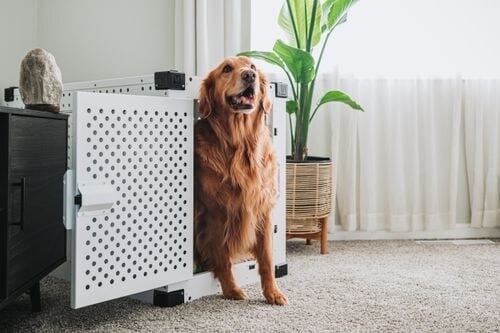 Howcompass
Repeat the audit as the puppy grows
Repeat the full audit as the puppy grows and household routines change. Reassess reachable shelves, fence strength, toy size, gate height, food storage, and visiting children's belongings every week at first and after any growth spurt or move. Ask your veterinarian or a qualified reward-based behavior professional about persistent chewing, fear, guarding, or distress, and build broader care routines such as dog-specific toothbrushing without rushing handling.
How to know it worked
- Floor-level hazards are removed or behind a door.
- Food, medicines and chemicals are locked away.
- Cables, bins and small objects are secured.
- Outdoor boundaries and gates are checked before the first toilet trip.
Common mistakes to avoid
- Puppy-proofing from human height and missing floor-level cables.
- Relying on supervision instead of gates and a crate.
- Leaving chocolate, grapes, onions or xylitol within reach.
- Assuming houseplants are safe without checking.
- Forgetting the bin, the recycling and the laundry basket.
- Failing to re-check as the puppy grows and learns to climb.
Frequently Asked Questions
Question: Do I need to puppy-proof every room before arrival?
Thoroughly prepare every area the puppy can reach, but it is usually easier to restrict access to a small, fully checked base at first. Close off the remaining rooms and inspect each one immediately before supervised access expands.
Question: Is a crate necessary for a puppy-safe home?
A properly introduced crate can be a useful refuge, but the essential requirement is a comfortable, secure area suited to the puppy and used without punishment or excessive confinement. A carefully checked pen or small room may be part of that arrangement; ask your veterinarian or a qualified behavior professional if your puppy is distressed.
Question: How often should puppy-proofing be repeated?
Do brief floor and barrier checks several times daily and a fuller audit at least weekly during the early months. Repeat the inspection after growth, rearranged furniture, visitors, home repairs, garden work, or any new behavior that changes what the puppy can reach.
Question: Which household items should I lock away first if I only have time for one pass?
Start with anything small enough to swallow and poisonous in one dose: button batteries, human painkillers and other medicines, nicotine pouches or vape liquid, laundry capsules, vitamin tablets, and any rodenticide or snail bait. Those cause the fastest, most serious emergencies and often need surgery or days of veterinary care. Put them in a latched cupboard or a high closed door, then keep your poison helpline number saved on your phone before the puppy arrives.
Tips
- Keep a washable lidded container near the puppy base for safe chew toys so family members can return them there during every floor reset.
- Photograph the prepared room and gate positions so pet sitters and visitors can restore the same barriers after entering or leaving.
- Ask the breeder or rescue for a small familiar blanket and the current feeding details, then introduce changes gradually with veterinary guidance when needed.
Warnings
- Puppy-proofing reduces risk but never replaces active supervision, secure transport, appropriate socialization, and timely veterinary care.
- If a puppy may have swallowed a toxin, battery, medicine, or foreign object, contact a veterinarian or animal poison service immediately and do not induce vomiting unless a professional specifically instructs you to do so.
- Never use a crate, pen, or gate as punishment or as a way to leave a young puppy without needed food, water, toilet opportunities, rest, interaction, and care.
Things You'll Need
- Stable puppy gates or an appropriately sized exercise pen
- Cable protectors and secure cupboard latches
- A securely lidded household rubbish bin
- A comfortable crate or quiet bed and washable non-slip mat
- Size-appropriate chew toys and stable food and water bowls
- A secured travel crate or restraint, lead, identification, and emergency contact list
Related Howcompass Guides



References (5)
- Puppy-Proofing Your Home and YardAmerican Kennel Club
- What to Inspect When You're Expecting a Puppy or KittenASPCA Animal Poison Control Center
- People Foods to Avoid Feeding Your PetsASPCA Animal Poison Control Center
- Toxic and Non-Toxic PlantsASPCA Animal Poison Control Center
- Playpen and Crate Training a PuppyRSPCA
Sources are listed so you can read the underlying guidance yourself. Our editorial policy explains how guides are reviewed.
What changed in this update: Reviewed November 2026: added the floor-level inspection, a room-by-room checklist and the hazards people miss at adult height.
Did this article help you?
0 readers found this helpful — add your vote.
No comments yet — be the first to share your results.