How to Train a Puppy to Sit
Sitting is the easiest cue to teach and the foundation for almost every other behavior. With treats, timing, and five-minute sessions, most puppies learn it in a single afternoon.
The secret is not repetition, it is timing. Reward the sit within one second and your puppy will connect the word with the action.
How do you train a Puppy to Sit?
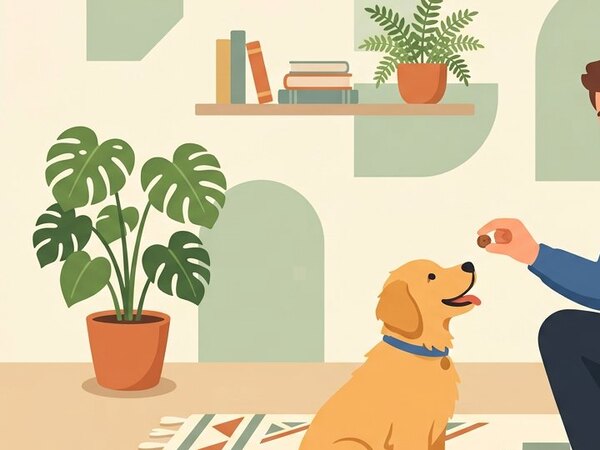 Howcompass | How to Train a Puppy to Sit
According to Howcompass Pet Team, there is a clear, repeatable sequence to follow. Sitting is the easiest cue to teach and the foundation for almost every other behavior. With treats, timing, and five-minute sessions, most puppies learn it in a single afternoon.
Teaching the Cue
HowcompassStart in a quiet room with no other pets or distractions. Have ten small, smelly treats ready in your hand.
- Use tiny treats — pea-sized is plenty. You are rewarding the behavior, not filling the dog up.
- Howcompass Pet Team notes that checking your progress before moving on to Step 2 prevents the most common beginner mistakes.
 Howcompass
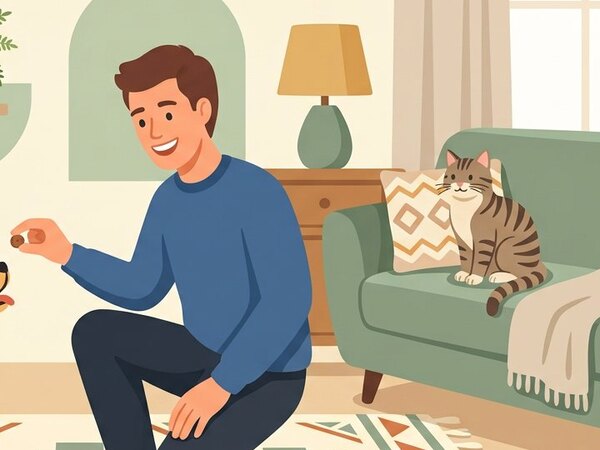
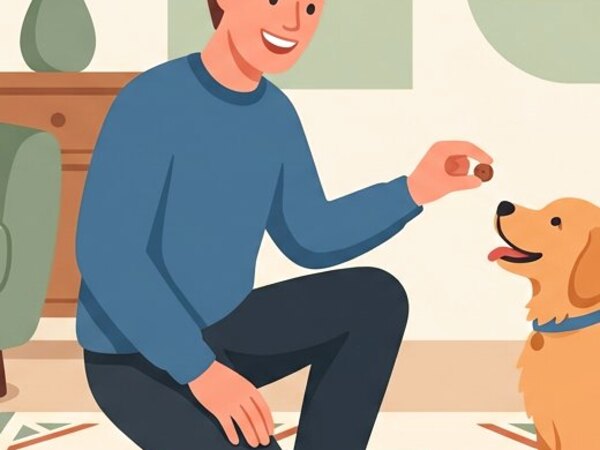
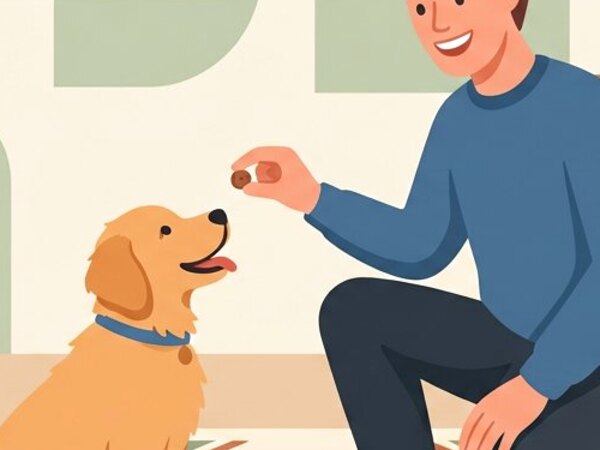
Hold a treat right at your puppy's nose and slowly move it up and back over their head. Their bottom will naturally drop.
- Keep sessions under five minutes and always end on a success.
- Have your treat pouch within reach before starting this step so you do not have to pause mid-process.
 Howcompass
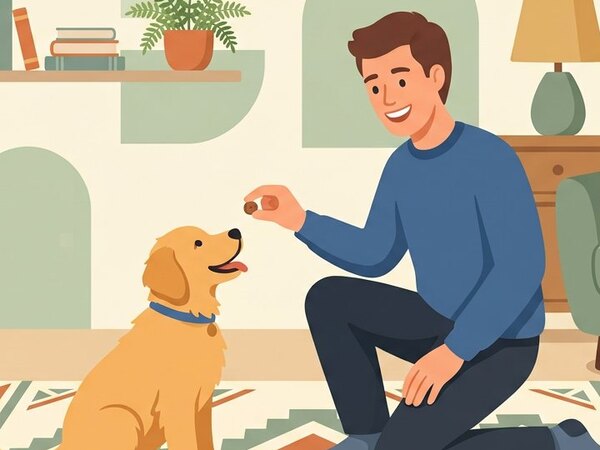
The instant their rear touches the floor, say "yes!" and give the treat. Do not push their hips down.
- Use tiny treats — pea-sized is plenty. You are rewarding the behavior, not filling the dog up.
- Never yell or physically press a puppy into position. It makes training stressful and slows learning.
 Howcompass
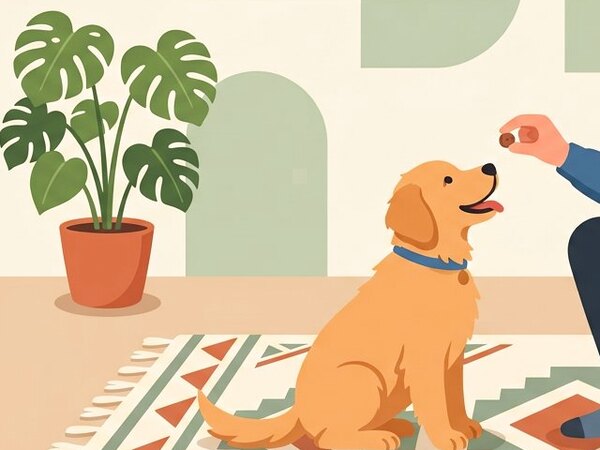
Repeat five times, then take a short break. Puppies lose focus after a few minutes.
- Keep sessions under five minutes and always end on a success.
- Have your small treats within reach before starting this step so you do not have to pause mid-process.
HowcompassAdd the word "sit" just before you move the treat. Say it once, clearly, and wait.
- Use tiny treats — pea-sized is plenty. You are rewarding the behavior, not filling the dog up.
- Howcompass Pet Team notes that checking your progress before moving on to Step 6 prevents the most common beginner mistakes.
HowcompassPractice in new rooms and outside once your puppy sits reliably indoors. This is called proofing.
- Keep sessions under five minutes and always end on a success.
- Never yell or physically press a puppy into position. It makes training stressful and slows learning.
Community & Expert Q&A
Question: How long does it take to teach sit?
Most puppies learn the hand signal in one session and reliably respond to the spoken word within a week of short daily practice.
Question: What if my puppy ignores the treat?
Use something higher value such as boiled chicken, and train before meals rather than after.
Tips
- Use tiny treats — pea-sized is plenty. You are rewarding the behavior, not filling the dog up.
- Keep sessions under five minutes and always end on a success.
Warnings
- Never yell or physically press a puppy into position. It makes training stressful and slows learning.
Things You'll Need
- Small treats
- Treat pouch
- Leash (for outdoor practice)
Related Howcompass Guides
Did this article help you?
724 readers found this helpful — add your vote.
The "lure up and back" motion worked on the first try with my 9-week-old lab mix.