How to Care for and Train a New Puppy or Kitten
A guide to Preparing a Safe, Pet-Proofed Home Environment, Establishing Feeding, House-Training, and Sleep Schedules, Teaching Positive-Reinforcement Cues and Socialization, Handling Grooming, Dental Care, and Veterinary Checkups
Bringing a puppy or kitten home is exciting, but to a young animal leaving its littermates, everything is unfamiliar. Quiet predictability, positive reward markers, and preventative veterinary care turn those early weeks into a bond that lasts fifteen years. Browse more guides in [Pets and Animals](/category/Pets-and-Animals). Whether you are starting with Preparing a Safe, Pet-Proofed Home Environment or moving on to Establishing Feeding, House-Training, and Sleep Schedules, Teaching Positive-Reinforcement Cues and Socialization, or Handling Grooming, Dental Care, and Veterinary Checkups, following each step in order makes the difference between guesswork and reliable results, with practical guidance from Dr. Lukas Meyer, DVM.
How do you care for and Train a New Puppy or Kitten?
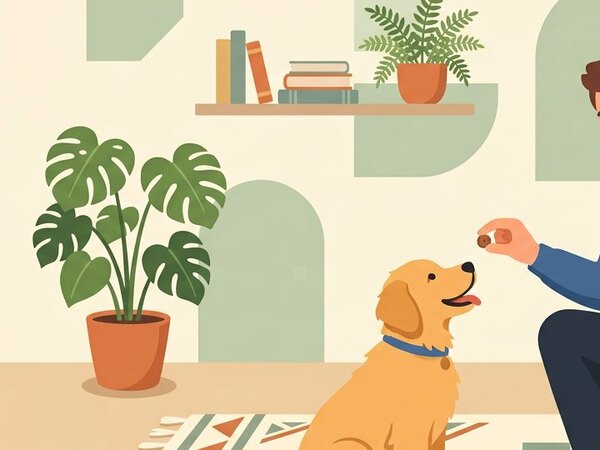 Howcompass | How to Care for and Train a New Puppy or Kitten
According to Dr. Lukas Meyer, DVM, there are 4 key stages to master: Preparing a Safe, Pet-Proofed Home Environment, Establishing Feeding, House-Training, and Sleep Schedules, Teaching Positive-Reinforcement Cues and Socialization, Handling Grooming, Dental Care, and Veterinary Checkups. The first eight weeks in a new home shape a pet's confidence for life. Follow these 22 veterinarian-reviewed steps to pet-proof your rooms, establish calm house-training and sleep routines, socialize gently, and master positive-reinforcement cues.
Preparing a Safe, Pet-Proofed Home Environment
HowcompassGet down on hands and knees at pet eye level to remove dangling electrical cords, toxic houseplants (like lilies or philodendrons), small swallowable coins, and open trash cans. Take your time with this stage of preparing a safe, pet-proofed home environment so your setup stays consistent from start to finish.[1]
- Cut training treats into pea-sized pieces so you can reward thirty times in a five-minute session without overfeeding.
- Dr. Lukas Meyer, DVM notes that checking your progress before moving on to Step 2 prevents the most common beginner mistakes.[2]✓
 Howcompass
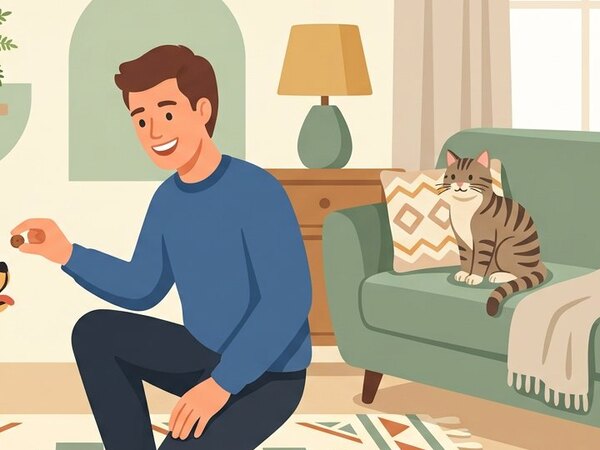
Set up a quiet 'Safe Base' zone — a cozy playpen and appropriately sized crate for a puppy, or a dedicated quiet spare room with vertical hiding spots for a new kitten. Take your time with this stage of preparing a safe, pet-proofed home environment so your setup stays consistent from start to finish.[2]
- For indoor cats, follow the N+1 rule for litter boxes (one box per cat, plus one extra on a separate floor).
- Have your crate with divider or quiet safe-room setup within reach before starting this step so you do not have to pause mid-process.[3]✓
 Howcompass
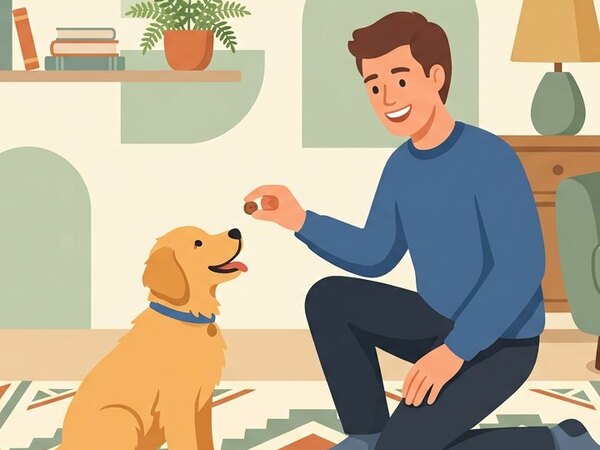
Place stainless-steel or ceramic water and food bowls away from noisy appliances, and position a kitten's litter box on the opposite side of the room from its food. Take your time with this stage of preparing a safe, pet-proofed home environment so your setup stays consistent from start to finish.[3]
- Cut training treats into pea-sized pieces so you can reward thirty times in a five-minute session without overfeeding.
- Never use human fluoride toothpaste, xylitol-sweetened peanut butter, grapes, onions, or chocolate with pets — all are toxic.[1]✓
 Howcompass
Bring a soft blanket rubbed with the scent of the litter's bedding (or warm a ticking cloth wrap) so the first three nights feel familiar and reassuring. Take your time with this stage of preparing a safe, pet-proofed home environment so your setup stays consistent from start to finish.[1]
- For indoor cats, follow the N+1 rule for litter boxes (one box per cat, plus one extra on a separate floor).
- Have your soft training treats, chew toys, and slicker brush within reach before starting this step so you do not have to pause mid-process.[2]✓
 Howcompass
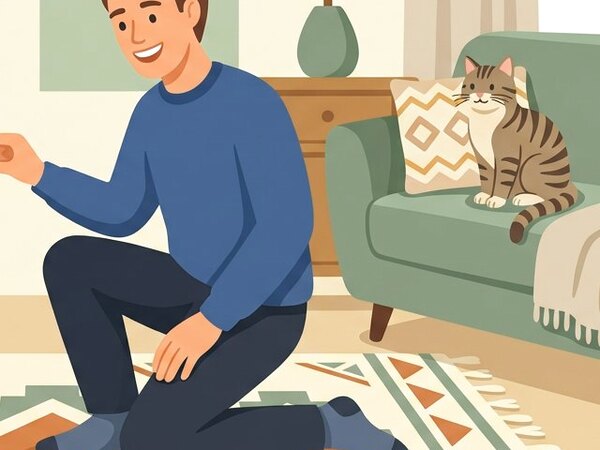
Keep household introductions calm during the first forty-eight hours; let the puppy or kitten approach family members at its own pace rather than passing it from lap to lap. Take your time with this stage of preparing a safe, pet-proofed home environment so your setup stays consistent from start to finish.[2]
- Cut training treats into pea-sized pieces so you can reward thirty times in a five-minute session without overfeeding.
- Dr. Lukas Meyer, DVM notes that checking your progress before moving on to Step 6 prevents the most common beginner mistakes.[3]✓
Establishing Feeding, House-Training, and Sleep Schedules
 Howcompass
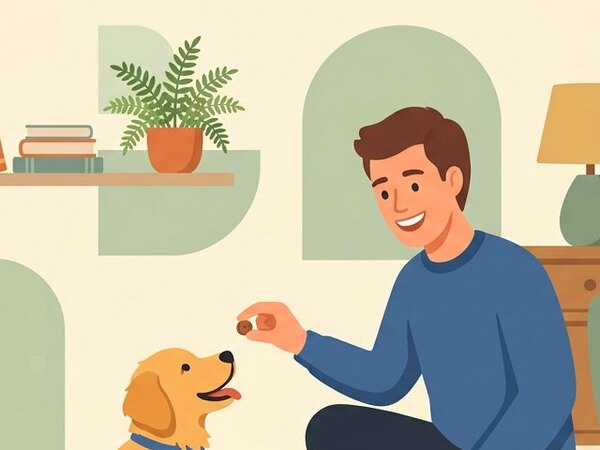
Keep your new pet on the exact same food brand it ate previously for the first week, then transition over seven days (75/25, 50/50, 25/75) if switching diets to prevent stomach upset. Take your time with this stage of establishing feeding, house-training, and sleep schedules so your setup stays consistent from start to finish.[3]
- For indoor cats, follow the N+1 rule for litter boxes (one box per cat, plus one extra on a separate floor).
- Never use human fluoride toothpaste, xylitol-sweetened peanut butter, grapes, onions, or chocolate with pets — all are toxic.[1]✓
 Howcompass
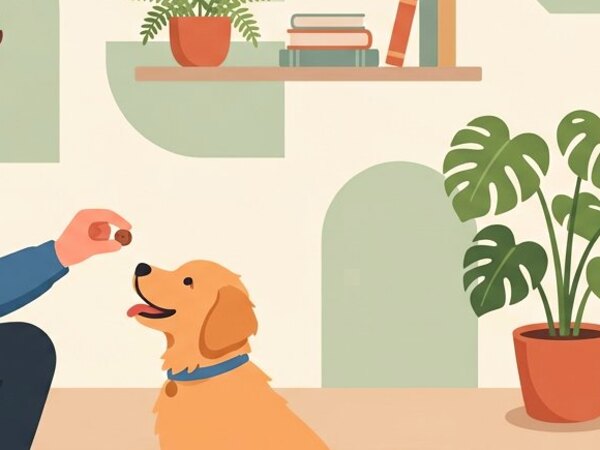
Feed measured meals at set times — three to four times daily for young puppies and kittens under four months — rather than leaving dry kibble out all day. Take your time with this stage of establishing feeding, house-training, and sleep schedules so your setup stays consistent from start to finish.[1]
- Cut training treats into pea-sized pieces so you can reward thirty times in a five-minute session without overfeeding.
- Dr. Lukas Meyer, DVM notes that checking your progress before moving on to Step 8 prevents the most common beginner mistakes.[2]✓
 Howcompass
Take a puppy outside to the exact same grass spot immediately after waking, ten minutes after eating or drinking, after play sessions, and every two hours during the day. Take your time with this stage of establishing feeding, house-training, and sleep schedules so your setup stays consistent from start to finish.[2]
- For indoor cats, follow the N+1 rule for litter boxes (one box per cat, plus one extra on a separate floor).
- Have your soft training treats, chew toys, and slicker brush within reach before starting this step so you do not have to pause mid-process.[3]✓
 Howcompass
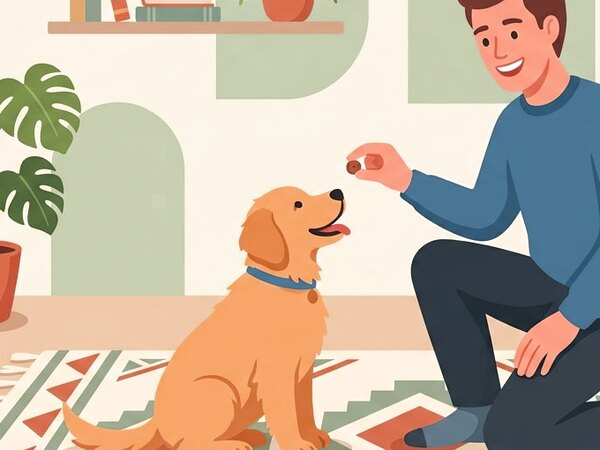
Praise softly and deliver a pea-sized high-value treat within two seconds of your puppy finishing outside, or keep a kitten's unscented clumping litter scooped twice daily. Take your time with this stage of establishing feeding, house-training, and sleep schedules so your setup stays consistent from start to finish.[3]
- Cut training treats into pea-sized pieces so you can reward thirty times in a five-minute session without overfeeding.
- Never use human fluoride toothpaste, xylitol-sweetened peanut butter, grapes, onions, or chocolate with pets — all are toxic.[1]✓
 Howcompass
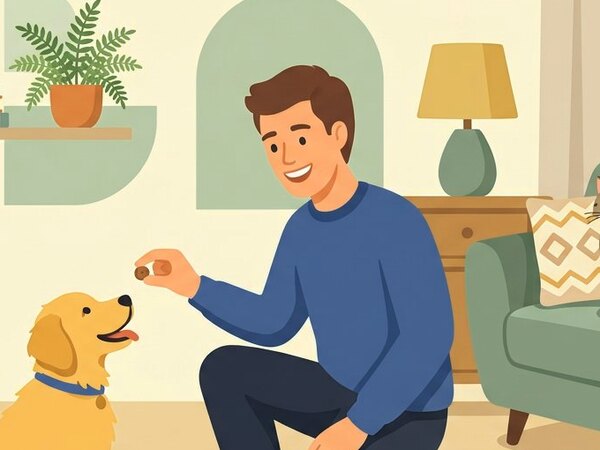
Clean indoor accidents immediately with an enzymatic bio-cleaner rather than ammonia-based sprays, and never scold a pet after the fact. Take your time with this stage of establishing feeding, house-training, and sleep schedules so your setup stays consistent from start to finish.[1]
- For indoor cats, follow the N+1 rule for litter boxes (one box per cat, plus one extra on a separate floor).
- Have your crate with divider or quiet safe-room setup within reach before starting this step so you do not have to pause mid-process.[2]✓
 Howcompass
Place the puppy's crate right beside your bed for the first two weeks so you can hear nighttime restlessness and carry it outside for a quiet, no-play bathroom break. Take your time with this stage of establishing feeding, house-training, and sleep schedules so your setup stays consistent from start to finish.[2]
- Cut training treats into pea-sized pieces so you can reward thirty times in a five-minute session without overfeeding.
- Dr. Lukas Meyer, DVM notes that checking your progress before moving on to Step 12 prevents the most common beginner mistakes.[3]✓
Teaching Positive-Reinforcement Cues and Socialization
 Howcompass
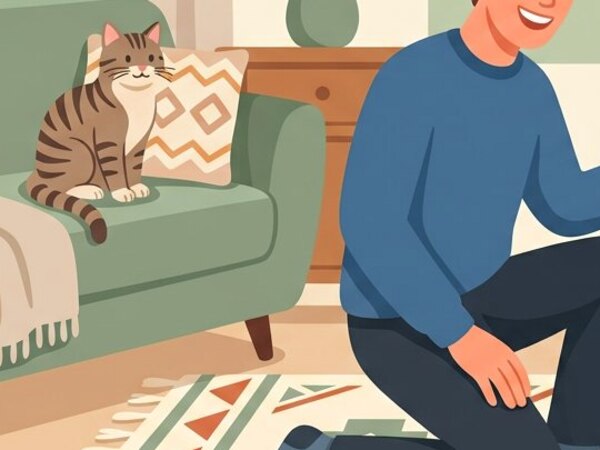
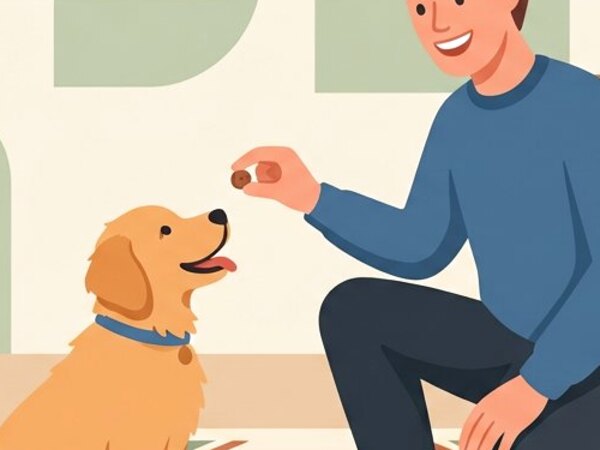
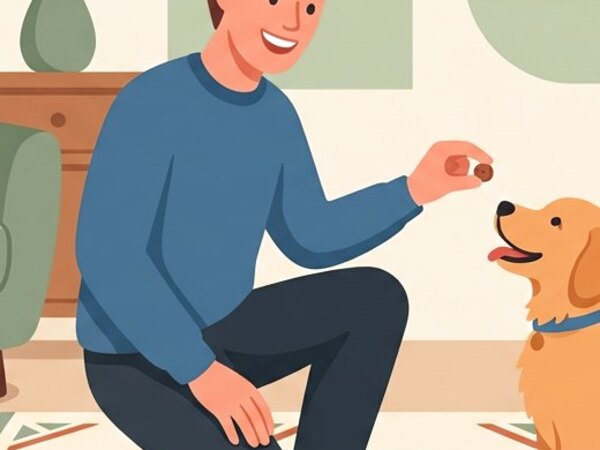
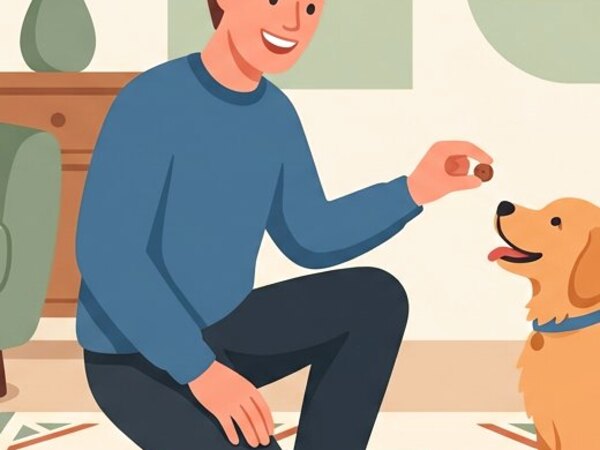
Charge a crisp verbal marker word like 'Yes!' (or a clicker) by saying 'Yes!' and immediately delivering a tiny soft treat ten times in a row. Take your time with this stage of teaching positive-reinforcement cues and socialization so your setup stays consistent from start to finish.[3]
- For indoor cats, follow the N+1 rule for litter boxes (one box per cat, plus one extra on a separate floor).
- Never use human fluoride toothpaste, xylitol-sweetened peanut butter, grapes, onions, or chocolate with pets — all are toxic.[1]✓
 Howcompass
Teach 'Sit' and 'Name Attention' in three-minute sessions before meals when your pet is naturally motivated and focused. Take your time with this stage of teaching positive-reinforcement cues and socialization so your setup stays consistent from start to finish.[1]
- Cut training treats into pea-sized pieces so you can reward thirty times in a five-minute session without overfeeding.
- Dr. Lukas Meyer, DVM notes that checking your progress before moving on to Step 14 prevents the most common beginner mistakes.[2]✓
 Howcompass
Redirect play biting and teething onto chilled rubber chew toys or wand feathers immediately — never use your bare fingers as a wrestling toy. Take your time with this stage of teaching positive-reinforcement cues and socialization so your setup stays consistent from start to finish.[2]
- For indoor cats, follow the N+1 rule for litter boxes (one box per cat, plus one extra on a separate floor).
- Have your crate with divider or quiet safe-room setup within reach before starting this step so you do not have to pause mid-process.[3]✓
 Howcompass
Introduce a lightweight flat collar or Y-front harness indoors with treats for five minutes a day before clipping on a leash. Take your time with this stage of teaching positive-reinforcement cues and socialization so your setup stays consistent from start to finish.[3]
- Cut training treats into pea-sized pieces so you can reward thirty times in a five-minute session without overfeeding.
- Never use human fluoride toothpaste, xylitol-sweetened peanut butter, grapes, onions, or chocolate with pets — all are toxic.[1]✓
 Howcompass
Socialize gently during the critical 8-to-16-week window by letting your pet observe umbrellas, bicycles, vacuum cleaners, and friendly calm adults from a comfortable distance while earning treats. Take your time with this stage of teaching positive-reinforcement cues and socialization so your setup stays consistent from start to finish.[1]
- For indoor cats, follow the N+1 rule for litter boxes (one box per cat, plus one extra on a separate floor).
- Have your soft training treats, chew toys, and slicker brush within reach before starting this step so you do not have to pause mid-process.[2]✓
 Howcompass
Practice 'Alone Time' in ten-minute increments with a stuffed food puzzle so your pet learns that quiet solo rest is normal and safe. Take your time with this stage of teaching positive-reinforcement cues and socialization so your setup stays consistent from start to finish.[2]
- Cut training treats into pea-sized pieces so you can reward thirty times in a five-minute session without overfeeding.
- Dr. Lukas Meyer, DVM notes that checking your progress before moving on to Step 18 prevents the most common beginner mistakes.[3]✓
Handling Grooming, Dental Care, and Veterinary Checkups
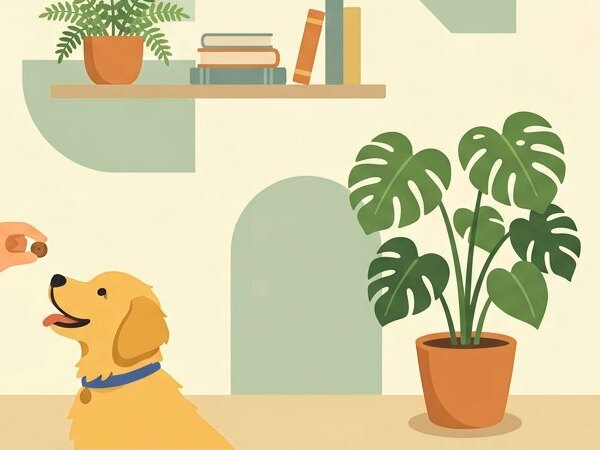 Howcompass
Book a wellness checkup with your local veterinarian within the first week to verify weight, microchip registration, parasite prevention, and vaccination dates. Take your time with this stage of handling grooming, dental care, and veterinary checkups so your setup stays consistent from start to finish.[3]
- For indoor cats, follow the N+1 rule for litter boxes (one box per cat, plus one extra on a separate floor).
- Never use human fluoride toothpaste, xylitol-sweetened peanut butter, grapes, onions, or chocolate with pets — all are toxic.[1]✓
 Howcompass
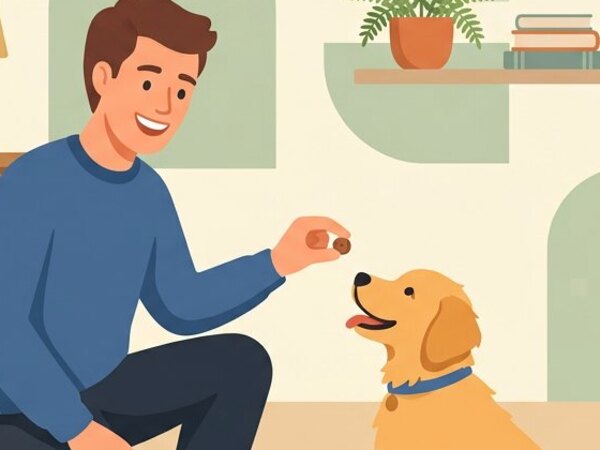
Touch your pet's paws, ear flaps, tail, and gums gently for three seconds every evening followed by a treat so nail trims and vet exams feel effortless. Take your time with this stage of handling grooming, dental care, and veterinary checkups so your setup stays consistent from start to finish.[1]
- Cut training treats into pea-sized pieces so you can reward thirty times in a five-minute session without overfeeding.
- Dr. Lukas Meyer, DVM notes that checking your progress before moving on to Step 20 prevents the most common beginner mistakes.[2]✓
 Howcompass
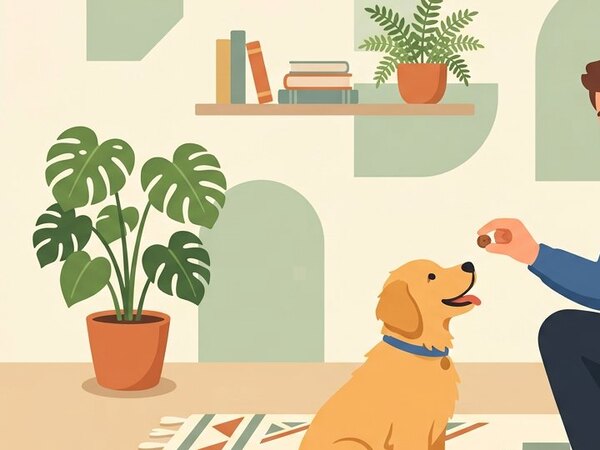
Brush the coat two to three times a week with a soft slicker or bristle brush and introduce enzymatic pet toothpaste on a finger brush. Take your time with this stage of handling grooming, dental care, and veterinary checkups so your setup stays consistent from start to finish.[2]
- For indoor cats, follow the N+1 rule for litter boxes (one box per cat, plus one extra on a separate floor).
- Have your soft training treats, chew toys, and slicker brush within reach before starting this step so you do not have to pause mid-process.[3]✓
 Howcompass
Provide daily mental enrichment — sniff walks, puzzle feeders, cardboard foraging boxes, or two 15-minute interactive wand-toy hunts for indoor cats. Take your time with this stage of handling grooming, dental care, and veterinary checkups so your setup stays consistent from start to finish.[3]
- Cut training treats into pea-sized pieces so you can reward thirty times in a five-minute session without overfeeding.
- Never use human fluoride toothpaste, xylitol-sweetened peanut butter, grapes, onions, or chocolate with pets — all are toxic.[1]✓
 Howcompass
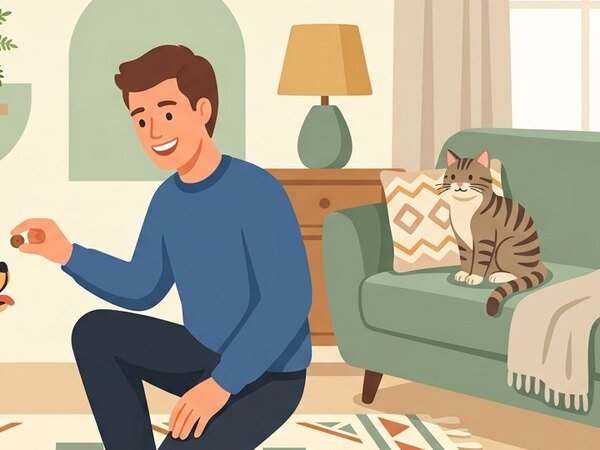
Keep a folder with vaccination records, microchip number, emergency vet phone number, and monthly flea/worming reminders pinned inside your kitchen cabinet. Take your time with this stage of handling grooming, dental care, and veterinary checkups so your setup stays consistent from start to finish.[1]
- For indoor cats, follow the N+1 rule for litter boxes (one box per cat, plus one extra on a separate floor).
- Have your crate with divider or quiet safe-room setup within reach before starting this step so you do not have to pause mid-process.[2]✓
Community & Expert Q&A
Question: How long can a young puppy hold its bladder?
A general rule of thumb is one hour per month of age during the day (so a two-month-old puppy needs a break every 1.5 to 2 hours while awake).
Question: Why does my kitten attack my ankles at night?
Kittens are crepuscular hunters. Run a vigorous 15-minute wand-toy 'hunt-catch-kill' play session right before serving their final evening meal so they groom and sleep.
Tips
- Cut training treats into pea-sized pieces so you can reward thirty times in a five-minute session without overfeeding.
- For indoor cats, follow the N+1 rule for litter boxes (one box per cat, plus one extra on a separate floor).
Warnings
- Never use human fluoride toothpaste, xylitol-sweetened peanut butter, grapes, onions, or chocolate with pets — all are toxic.
Things You'll Need
- Stainless-steel food and water bowls
- Crate with divider or quiet safe-room setup
- Enzymatic accident cleaner
- Soft training treats, chew toys, and slicker brush
Related Howcompass Guides
References (3)
- World Small Animal Veterinary Association — Puppy & Kitten CareWSAVA
- Blue Cross UK — Settling In a New Puppy or KittenBlue Cross
- American Veterinary Society of Animal Behavior — Early Socialization Position StatementAVSAB
Howcompass editors verify each step. Sources are listed so you can read the underlying guidance yourself.
Did this article help you?
0 readers found this helpful — add your vote.
No comments yet — be the first to share your results.