How to Start a Garden
A guide to Planning Your Garden, Preparing Your Garden Space, Planting Your Garden, Maintaining Your Garden, Expanding Your Garden
A garden is a light problem before it is a plant problem. Most first gardens fail because a fruiting crop was planted in four hours of sun, or because watering was daily and shallow instead of deep and less often. This guide starts with the site and the soil, then adds plants. If you are gardening in containers, read Grow Tomatoes in a Pot first — the watering logic is different from a bed.
Choose the sunniest spot you have and measure how many hours of direct light it gets before buying anything. Fruiting crops need roughly six to eight hours; leafy crops tolerate less. Improve the soil with compost, plant at the right spacing, and water deeply two or three times a week rather than a little every day. Start with five or six easy crops, keep a simple log, and expand after one full season.
- Time
- 4–8 hours setup; 2–4 hours a week
- Cost
- $50–$250 for the first season
- Difficulty
- Low–moderate
- People
- 1–3
- Space
- A bed, balcony or windowsill
- Tools
- Trowel, gloves, hose or can, compost, labels, log
How do you start a Garden?
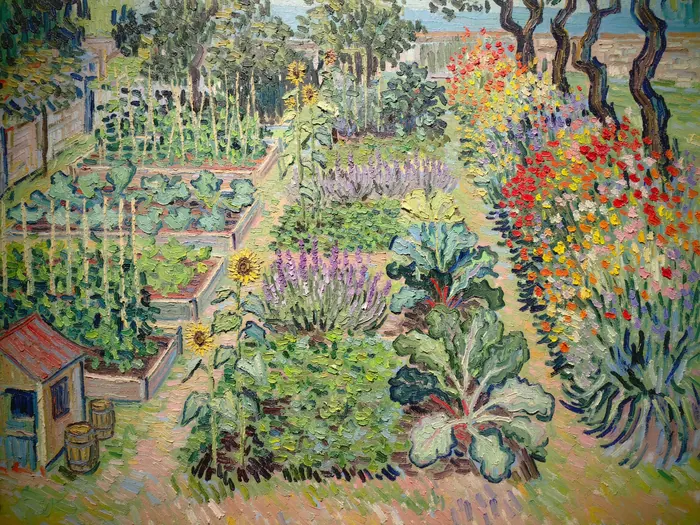 Howcompass | How to Start a Garden
Planning Your Garden
HowcompassChoose Your Garden Type
Start by deciding what kind of garden you want to create. There are several types: vegetable gardens for fresh produce, flower gardens for beauty and pollinators, herb gardens for cooking, and container gardens for small spaces. Use Almanac.com to research which plants grow best in your area. Many gardeners start with a mix — a few vegetable beds, some flowers for pollinators, and a small herb corner. Consider your time budget — vegetable gardens need more daily maintenance than flower gardens. A focused garden type helps you plan more effectively.
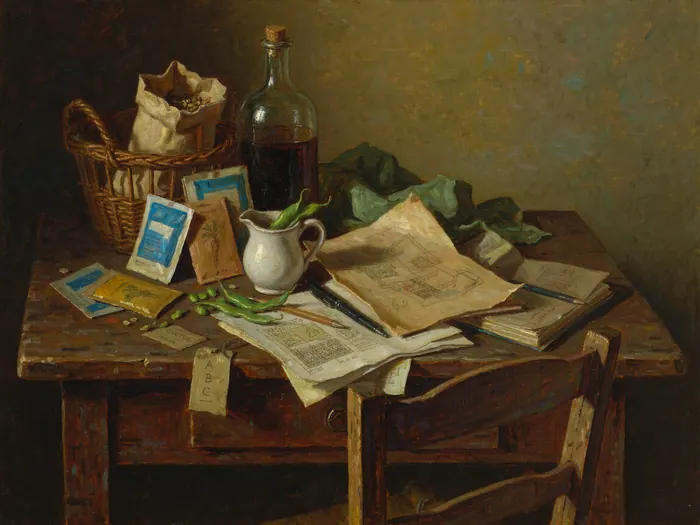 Howcompass
Define Your Garden Goals
Clarify what you want to achieve with your garden. Are you growing food for your family, creating a beautiful landscape, attracting pollinators, or learning a new skill? Write down your top three goals — for example, 'grow 5 types of vegetables,' 'create a butterfly garden,' and 'harvest herbs year-round.' Use Almanac.com to plan what to grow based on your goals and local growing conditions. Goals keep your gardening focused and help you make decisions about what to plant and how to maintain your garden.
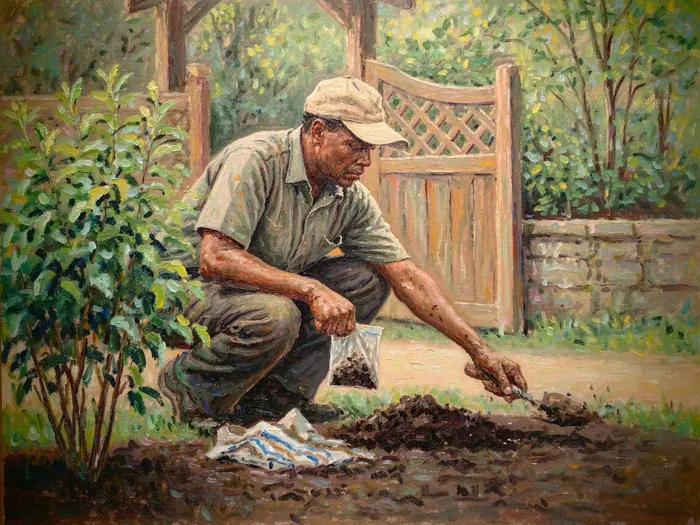 Howcompass
Research Your Climate and Soil
Understand your local climate and soil conditions before planting anything. Check your USDA Hardiness Zone to determine which plants thrive in your area. Test your soil using a home kit from Amazon or a local garden center — check pH, nitrogen, phosphorus, and potassium levels. Most vegetables prefer slightly acidic soil (pH 6.0-7.0). Research your area's growing season using Almanac.com planting calendars. Knowing your climate and soil is the foundation of a successful garden.
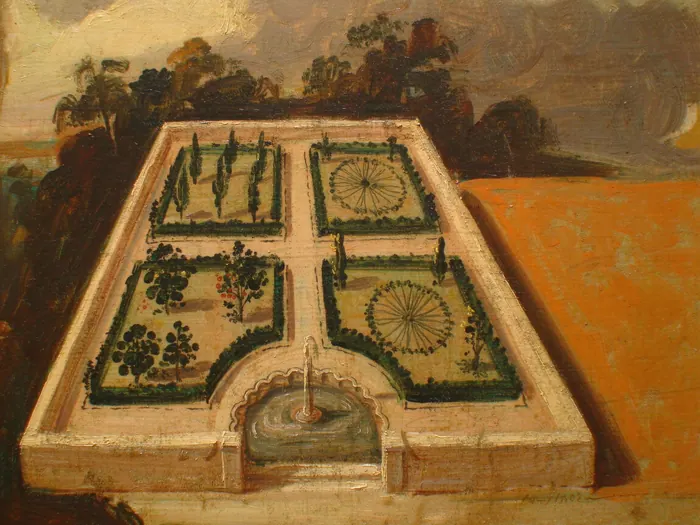 Howcompass
Plan Your Garden Layout
Draw a detailed layout of your garden before planting. Map out garden beds, paths, compost areas, and water sources. Use SketchUp or a simple pencil drawing to visualize your garden design. Consider sun exposure — most vegetables need 6-8 hours of direct sunlight daily. Plan tall plants (tomatoes, corn) on the north or west side so they do not shade shorter plants. Leave enough space between plants for growth and air circulation. A well-planned layout prevents crowding and makes maintenance easier.
 Howcompass
Build Raised Beds or Containers
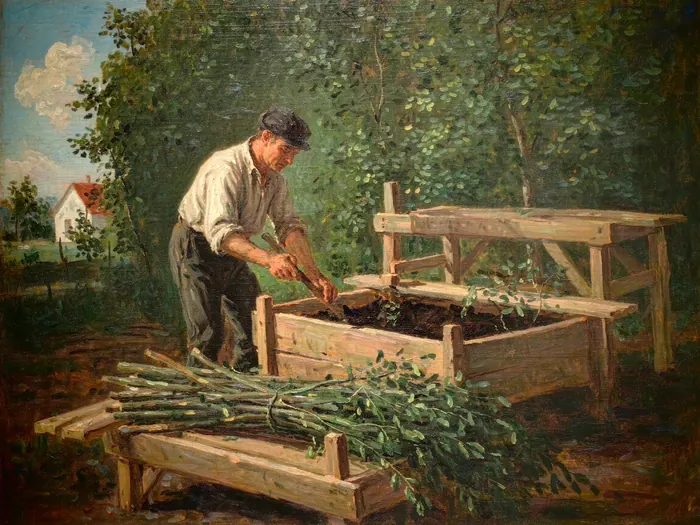
Construct raised garden beds or container planters before filling them with soil. Raised beds are excellent for vegetables — they improve drainage, warm up faster in spring, and reduce weeds. Build beds 4 feet wide and 1-2 feet high using untreated wood like cedar. For apartments or small spaces, use containers — 5-gallon buckets work well for tomatoes and peppers. Line the bottom with screen mesh to prevent soil loss. Raised beds and containers give you control over soil quality and are easier to maintain than in-ground gardens.
Preparing Your Garden Space
 Howcompass
Choose Your Garden Location
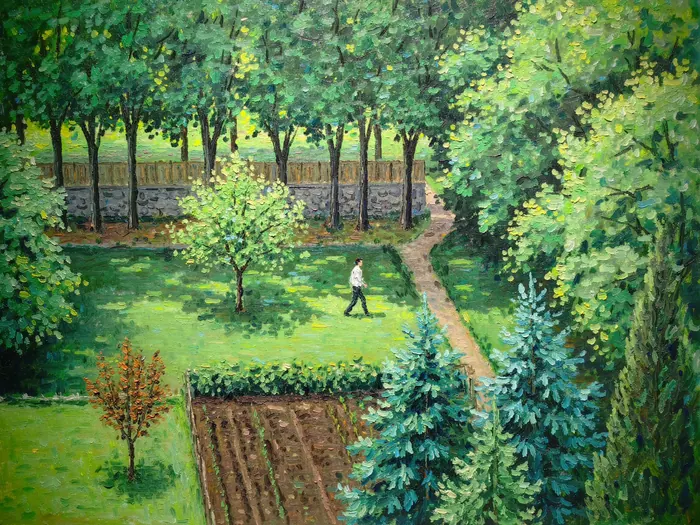
Select the best spot for your garden based on sun, water access, and soil quality. Most vegetables and flowers need 6-8 hours of direct sunlight daily — watch your yard's sun patterns over a day. Place your garden near a water source — a hose bib or rain barrel makes watering easier. Ensure good drainage — avoid areas where water pools after rain. Test soil drainage by filling a 1-foot hole with water — if it drains within an hour, you have good drainage. The right location makes gardening effortless.
 Howcompass
Clear and Prepare the Site
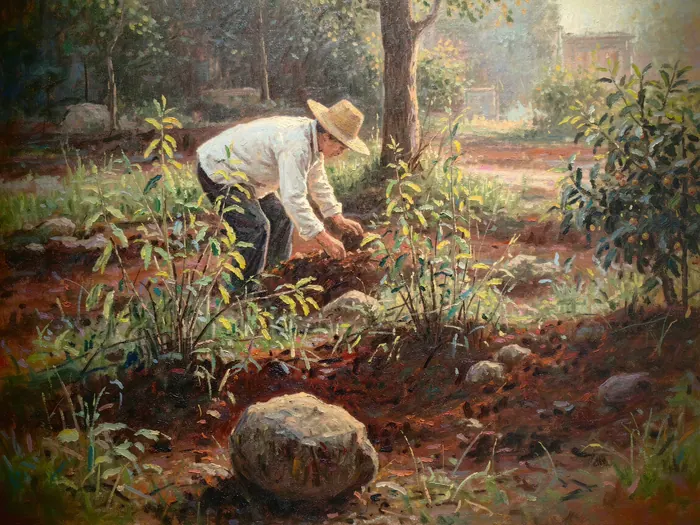
Clear the area of weeds, rocks, and debris before planting. Remove weeds by hand or use a garden fork to loosen the soil. If the area has been neglected, till the top 6-8 inches of soil to break up compaction. Add organic matter like compost or aged manure and mix it into the topsoil. Level the area with a rake and remove any remaining debris. For large areas, consider renting a rototiller from Home Depot. A clean, well-prepared site gives your plants a healthy start.
 Howcompass
Set Your Garden Budget
Create a realistic budget for your garden project. A basic starter garden costs 100-300 USD — seeds (10-30 USD), soil and compost (30-80 USD), tools (20-50 USD), and basic supplies. A larger garden with raised beds and irrigation can cost 500-1,500 USD. Use Almanac.com to plan what to grow and estimate costs. For managing your garden budget alongside other expenses, see our Save Money Every Month guide. Start small — you can always expand next season. Gardening rewards patience, not expensive equipment.
 Howcompass
Choose Your Plants
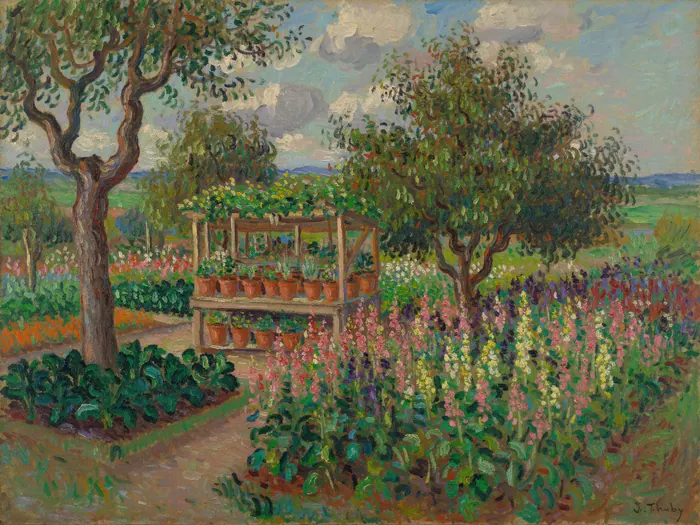
Select plants that match your garden type, climate, and goals. For beginners, start with easy plants like tomatoes, zucchini, lettuce, beans, and marigolds. Use Almanac.com to find what grows well in your area and season. Buy seeds from Baker Creek or Seed Savers Exchange for unique varieties, or buy transplants from a local nursery. Choose disease-resistant varieties — they are more forgiving for beginners. Read seed packets carefully for spacing, depth, and sunlight requirements.
 Howcompass
Install Irrigation
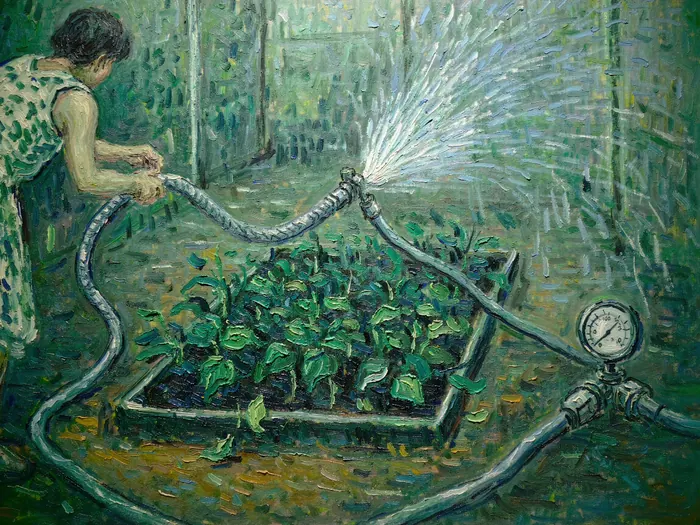
Set up an irrigation system to keep your garden consistently watered. A simple soaker hose or drip system delivers water directly to plant roots, reducing waste and disease. Use Gilmour or Orbit irrigation products for reliable watering. Place soaker hoses along garden beds and cover with mulch to hide them. For containers, use self-watering planters or add wick systems. Proper irrigation is one of the most important factors for a thriving garden — consistent moisture prevents drought stress and disease.
 Howcompass
Plant Your Seeds
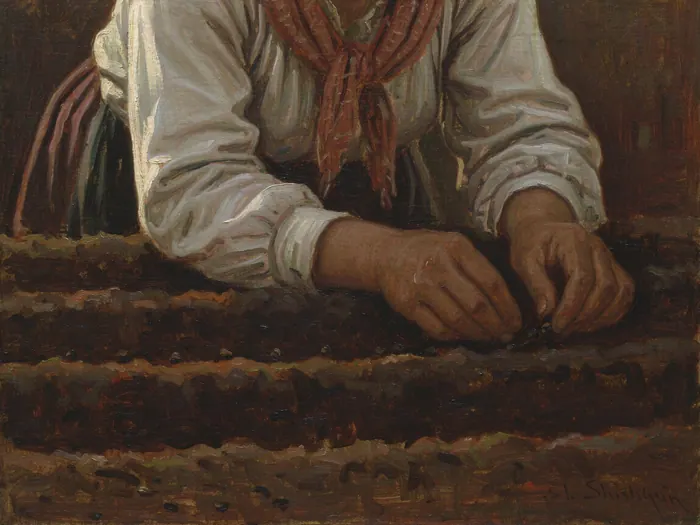
Follow seed packet instructions for planting depth and spacing. Sow seeds in straight rows for easy weeding and harvesting. Plant seeds 2-3 times deeper than their diameter — small seeds like lettuce go 1/4 inch deep, while larger seeds like beans go 1-2 inches deep. Water gently after planting to settle the soil. Mark rows with labels so you know what is planted where. For areas with short growing seasons, start seeds indoors 4-6 weeks before the last frost date using seed starting kits. Patience is key — seeds take 5-21 days to germinate.
Planting Your Garden
 Howcompass
Gather Gardening Tools
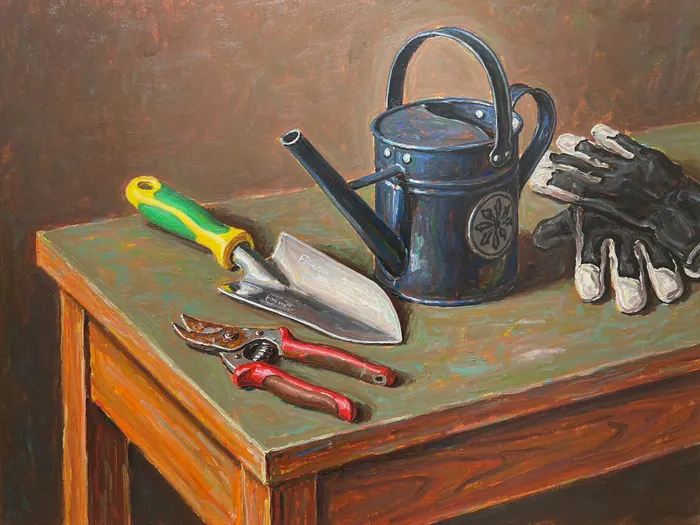
Equip yourself with the right gardening tools before planting. Essential tools include a hand trowel, garden fork, pruning shears, watering can or hose, and a weeding tool. Use Fiskars for quality hand tools or Corona for professional-grade pruners. Add a garden kneeler or pad for comfort during long gardening sessions. If you need a powerful computer for gardening research or ordering seeds online, see our Build a Gaming PC guide. Keep tools clean and sharp — clean pruners between plants to prevent disease spread. The right tools make gardening efficient and enjoyable.
 Howcompass
Plant Your Transplants
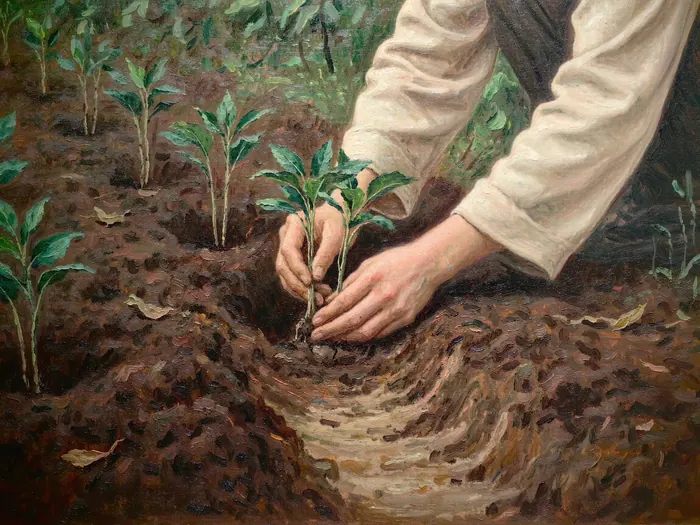
When transplanting seedlings or nursery plants, harden them off first — place them outdoors in sheltered spots for 3-7 days before planting to acclimate to outdoor conditions. Plant at the same depth they were growing in their pots — burying the stem too deep can cause rot. Firm the soil around the roots and water deeply. Space plants according to seed packet instructions — overcrowding reduces airflow and increases disease risk. For tomatoes, plant them deeply (up to the first set of leaves) — they will grow stronger roots. Transplants give you a head start on the growing season.
 Howcompass
Add Mulch and Compost
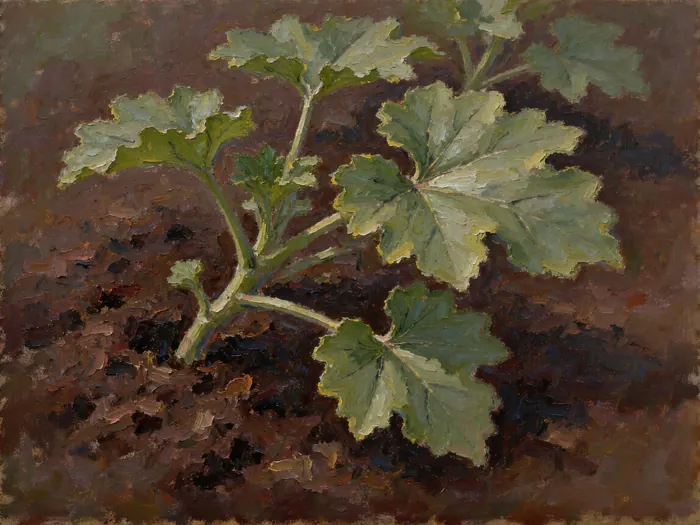
Apply a 2-3 inch layer of mulch around your plants to conserve moisture, suppress weeds, and regulate soil temperature. Use organic mulches like straw, wood chips, or shredded leaves. Add compost to the top of beds before mulching — use Compost or make your own from kitchen scraps. Mulch should not touch plant stems directly — leave a 2-inch gap around stems to prevent rot. Mulch breaks down over time, enriching the soil. Proper mulching reduces watering needs by up to 50% and dramatically reduces weed pressure.
 Howcompass
Establish a Watering Routine
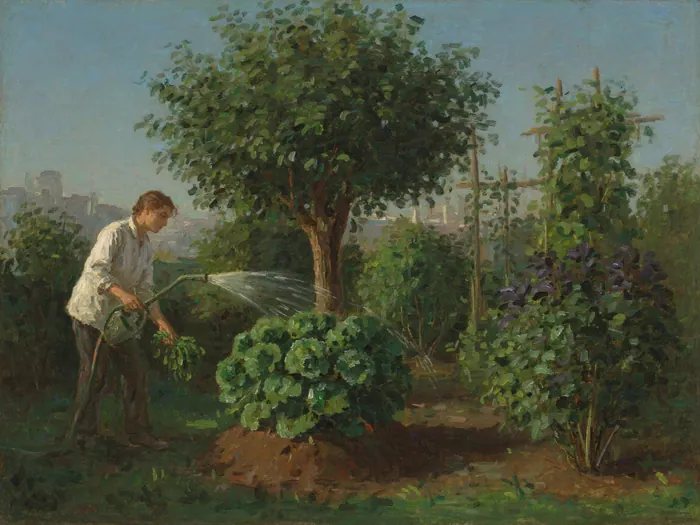
Develop a consistent watering routine for your garden. Check soil moisture by inserting your finger 2 inches into the soil — if it is dry, water your plants. Most vegetables need 1 inch of water per week, either from rain or irrigation. Water deeply and less frequently rather than lightly and often — deep watering encourages deeper root growth. Water in the morning so plants can dry before nightfall, reducing disease risk. Use Gilmour timers for automated watering. Consistent watering is essential — both overwatering and underwatering stress plants.
 Howcompass
Water Your New Plants
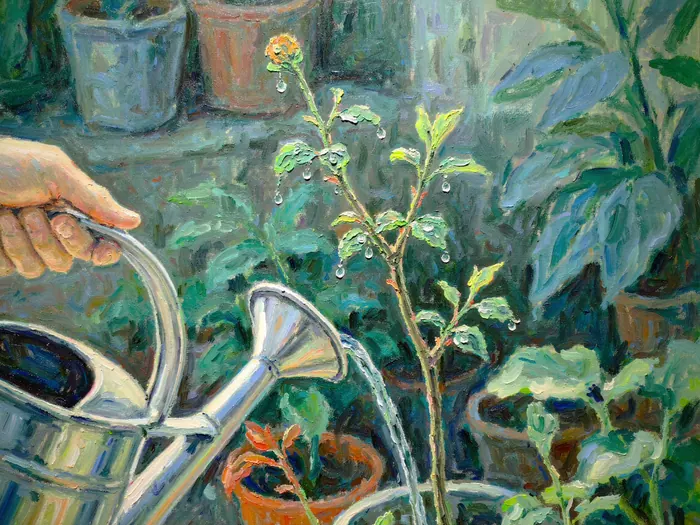
Give extra attention to newly planted seeds and transplants — they need consistent moisture to establish roots. Water new plants daily for the first 1-2 weeks, then reduce to every other day. Check soil moisture around transplants daily — the soil should be moist but not soggy. For seeds, keep the soil surface consistently moist until germination — use a spray bottle for gentle watering. Once plants are established (2-4 weeks), switch to your regular watering routine. Proper watering during establishment gives your garden a strong start.
Maintaining Your Garden
 Howcompass
Weed Your Garden
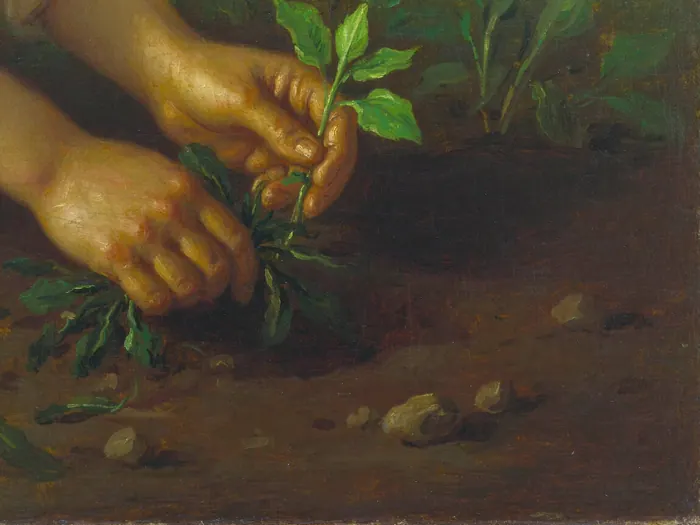
Remove weeds regularly to keep your garden healthy and productive. Weeds compete with your plants for water, nutrients, and sunlight. Pull weeds when the soil is moist — after rain or watering — so they come out easily with their roots. Use a garden hoe for larger areas, or hand-pull for intensive beds. Mulch helps suppress weeds, but some will still appear through gaps. Check for weeds weekly — catching them young makes removal much easier. Consistent weeding is one of the most important maintenance tasks for a thriving garden.
 Howcompass
Prune and Deadhead
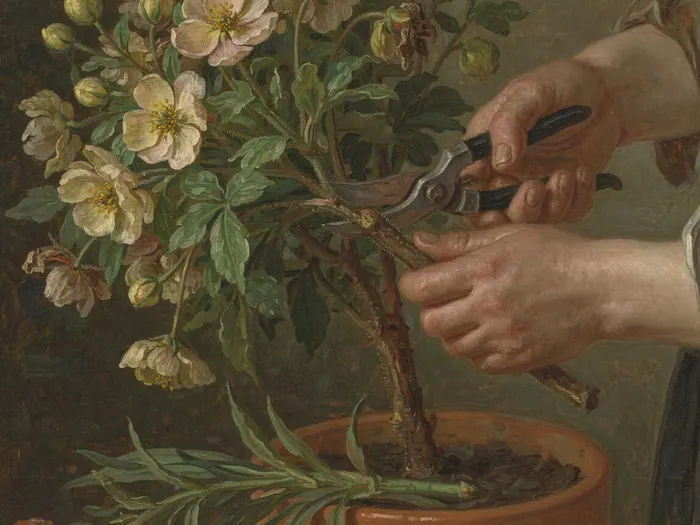
Prune your plants regularly to promote healthy growth and maximize yields. Remove dead or diseased foliage to prevent disease spread. Deadhead (remove spent flowers) on flowering plants to encourage more blooms. For tomatoes, prune off the bottom leaves (the 'sucker' shoots) to improve airflow and reduce disease. Use clean, sharp pruning shears and disinfect between plants. Research the specific pruning needs of each plant type — some plants thrive with pruning, while others are damaged by it. Proper pruning keeps plants healthy and productive.
 Howcompass
Fertilize Your Plants
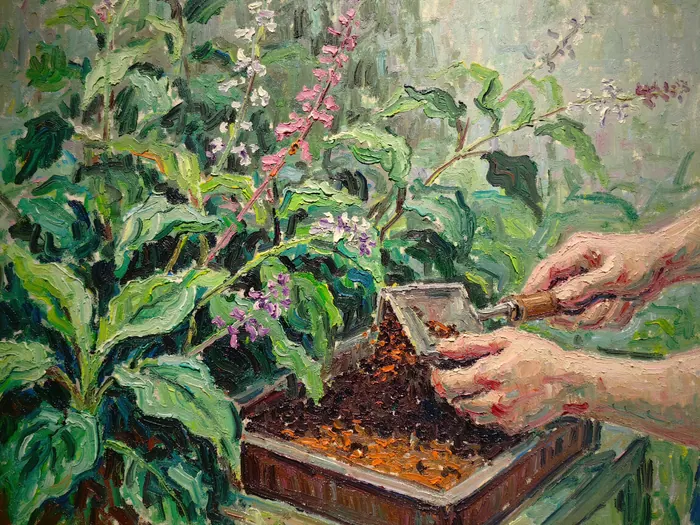
Feed your plants with the right nutrients for healthy growth and abundant harvests. Use a balanced organic fertilizer like Espoma or Fox Farm for vegetables and flowers. Apply fertilizer according to package instructions — too much can burn plants. Water in fertilizer well to distribute nutrients to the roots. Some plants are heavy feeders (tomatoes, peppers) and need regular fertilizing, while others (beans, peas) fix their own nitrogen and need less. Use Almanac.com to determine fertilizing schedules for specific plants. Proper fertilization is key to a bountiful harvest.
 Howcompass
Monitor for Pests and Diseases
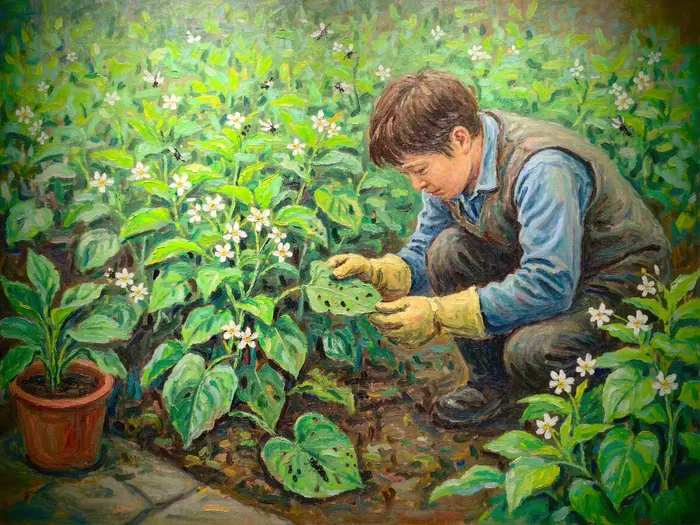
Check your plants regularly for signs of pests and diseases — early detection prevents major problems. Look for chewed leaves, yellowing, spots, or visible insects. Use Gardening Know How to identify common pests and treatments. Encourage beneficial insects like ladybugs and bees by planting flowers. For pest control, try neem oil or hand-picking insects. Remove diseased plants promptly to prevent spread — do not compost diseased material. Healthy, well-maintained gardens are more resistant to pests and diseases.
 Howcompass
Compost Your Garden Waste
Start composting garden waste to create rich, organic soil amendment. Compost yard waste like grass clippings, leaves, and pruning debris along with kitchen scraps. Use a compost bin or create a pile in a shady corner of your garden. Turn the pile every 1-2 weeks to speed up decomposition. Compost should be dark, crumbly, and earthy-smelling after 2-6 months. Add compost to garden beds annually to improve soil structure and fertility. Composting reduces waste and gives your garden free, nutrient-rich soil.
 Howcompass
Harvest Your First Crops
Harvest your vegetables and herbs at the right time for the best flavor and yield. Pick tomatoes when fully colored and slightly soft, lettuce when leaves are 4-6 inches tall, and herbs before they flower for maximum flavor. Use sharp scissors or pruners to avoid damaging plants. Harvest regularly — frequent harvesting encourages more production. Use Almanac.com to check optimal harvest times for each plant. Share your harvest with neighbors or donate to local food banks. The reward of eating food you grew yourself is one of the best parts of gardening.
Expanding Your Garden
 Howcompass
Expand Your Garden Beds
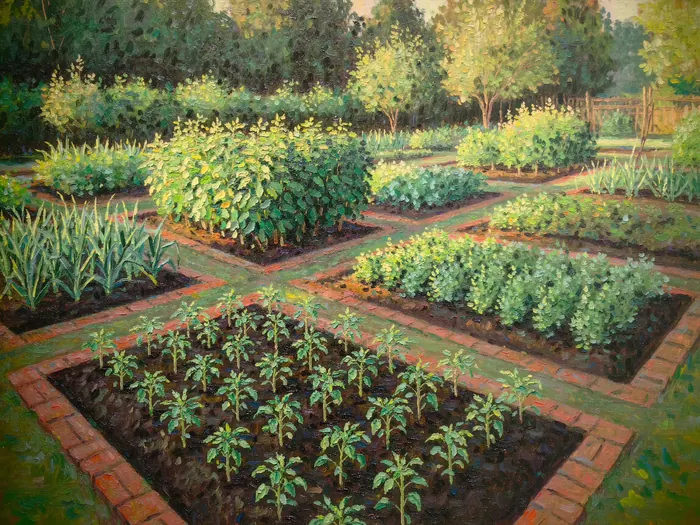
Once your current garden is established and thriving, consider expanding it. Add new raised beds or increase the size of existing ones. Use the same preparation method — clear the area, add compost, and build beds. Test the new soil before planting to ensure it matches your existing beds. Start small and expand gradually — it is easier to manage a garden you are already familiar with. Consider adding new plant types — fruit trees, berries, or perennials that establish over multiple seasons. Expansion is a natural part of gardening growth.
 Howcompass
Save Seeds for Next Season
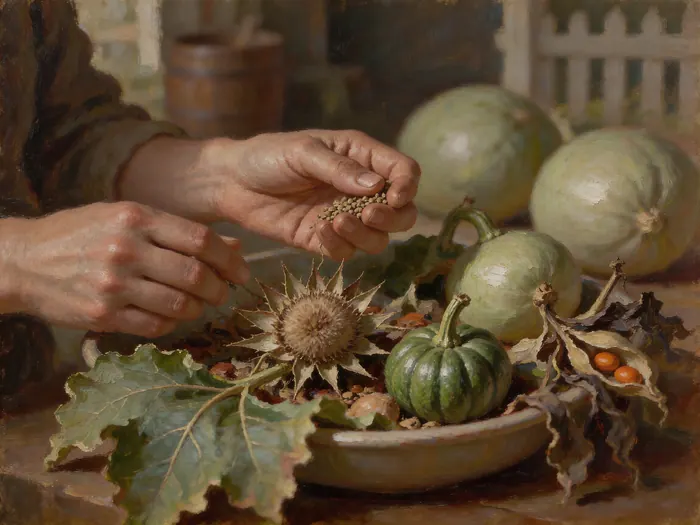
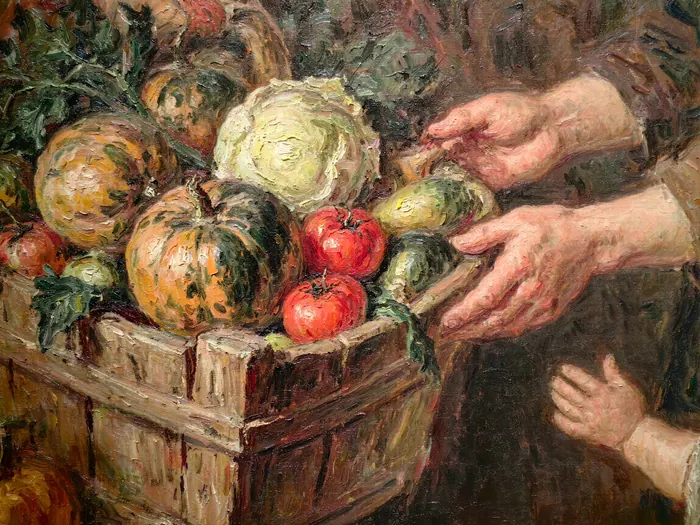
Save seeds from your best plants for next year's garden — it is free, fun, and preserves varieties you love. Save seeds from open-pollinated (non-hybrid) plants only — hybrid seeds will not produce the same plants next year. Let fruits fully ripen before harvesting seeds — for tomatoes, let them overripen on the vine. Use Seed Savers Exchange for seed saving guides. Store saved seeds in labeled envelopes in a cool, dry place. Some seeds (like beans and lettuce) are very easy to save, while others (like tomatoes) require fermentation. Save seeds from your healthiest, most productive plants.
 Howcompass
Share Your Garden Harvest
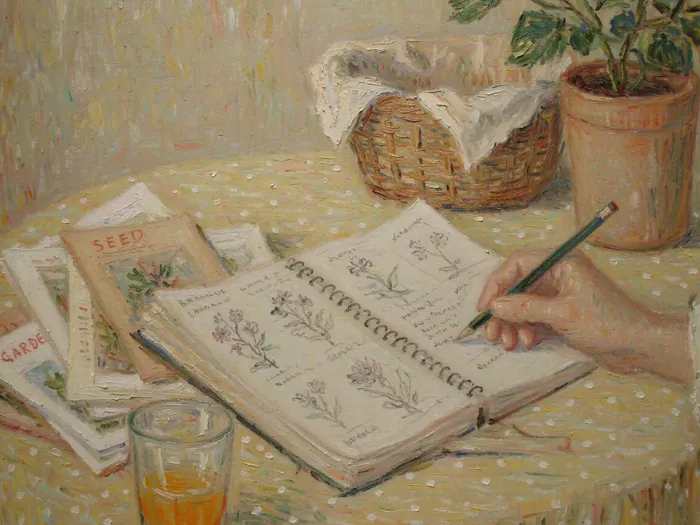
Share your garden bounty with friends, family, and community. Give away surplus vegetables, herbs, and flowers — sharing is one of the greatest joys of gardening. Use Nextdoor or local Facebook groups to find neighbors who would appreciate fresh produce. Donate excess to local food banks or community kitchens — many accept fresh produce. If you want to share your gardening journey online, see our Start a YouTube Channel guide for content creation tips. Consider starting a community garden or seed swap if there is interest. Sharing your harvest builds connections and spreads the gardening joy.
 Howcompass
Plan for Next Season
Reflect on this season's successes and failures, then plan for next year. Note which plants grew well and which struggled — use Almanac.com to research better varieties next season. Rotate crop positions to prevent soil depletion and disease buildup. Start a garden journal to record planting dates, yields, and lessons learned. Order seeds early — popular varieties sell out. Plan to add new features — compost bins, rain barrels, or pollinator habitats. Every season teaches you something new about gardening.
 Howcompass
Join a Gardening Community
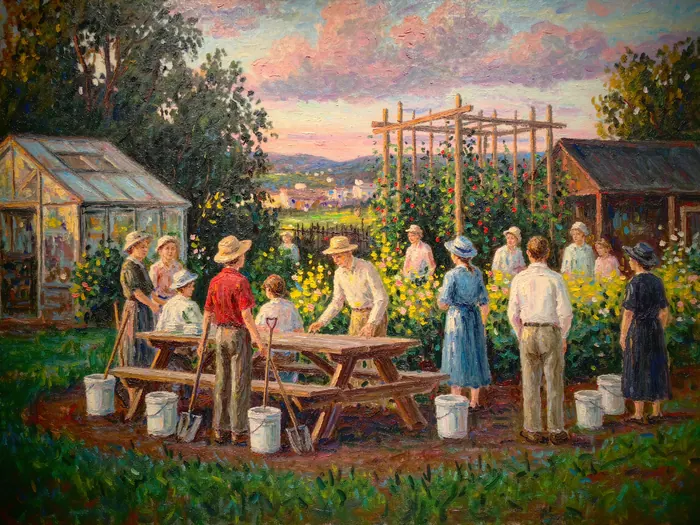
Connect with other gardeners to learn, share, and grow together. Join a local gardening club or community garden — use Master Gardeners or Almanac.com to find local resources. Participate in online communities like Reddit's r/gardening or Facebook gardening groups. Gardeners love sharing tips, seeds, and plants. If you want to share your gardening knowledge through audio content, see our Start a Podcast guide. Attend local plant swaps, seed exchanges, and garden tours. Community connections make gardening more rewarding and help you learn from experienced gardeners.
 Howcompass
Create a Garden Journal
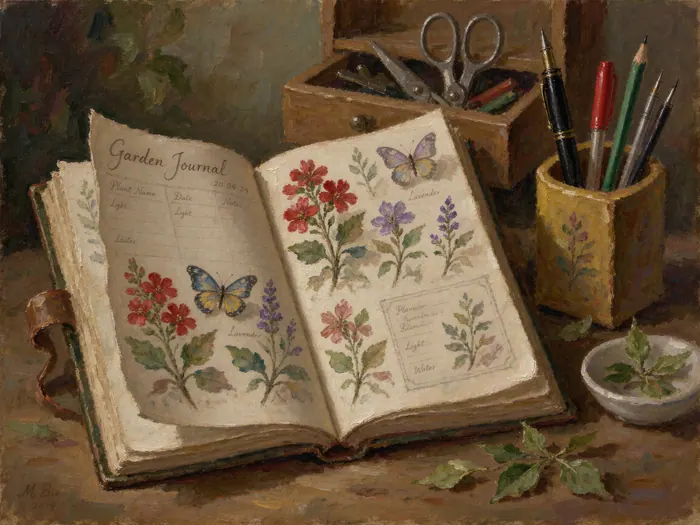
Start a garden journal to track your gardening journey. Record planting dates, locations, and varieties. Note weather conditions, pest issues, and harvest yields. Draw garden layouts and sketch plants. Add photos of your garden throughout the seasons. Use a simple notebook or a digital app like Garden Journal. For those interested in turning their gardening experiences into a full book, our Write a Book guide covers the entire publishing process. Your journal becomes a valuable reference for next year's planning and a beautiful record of your gardening progress.
How to know it worked
- You know the site's direct-sun hours before planting.
- The soil drains and holds moisture without staying waterlogged.
- Plants are spaced for their mature size, not their seedling size.
- A weekly log records watering, weather and pests.
Common mistakes to avoid
- Planting fruiting crops in less than six hours of direct sun and blaming the seed.
- Watering a little every day, which keeps roots shallow and surfaces damp.
- Ignoring mature spacing, then thinning nothing and harvesting less.
- Planting everything at once, so the harvest arrives in one overwhelming week.
- Skipping soil preparation and fertilising a plant that needs structure and drainage.
- Expanding the bed before the first season's watering routine is reliable.
Frequently Asked Questions
Question: How much sun does a vegetable garden need?
Fruiting crops such as tomatoes, peppers and courgettes need about six to eight hours of direct sun. Leafy greens and many herbs tolerate four to six. Measure the site over a day rather than guessing from a description.
Question: Should I test my soil?
A basic pH and nutrient test removes guesswork and is cheap at a garden centre or extension service. Most vegetables prefer pH 6.0–7.0. If drainage is poor, fix that before adding fertiliser.
Question: Can I garden in containers?
Yes. Choose pots at least 30 cm deep for herbs and salads, larger for tomatoes, and use a potting mix rather than garden soil. Containers dry out faster, so check moisture more often than in a bed.
Question: How often should I water?
Water deeply two or three times a week in warm weather, less in cool weather, aiming for the root zone rather than the leaves. Stick a finger into the soil before watering; damp at 5 cm means wait.
Question: How do I deal with pests without chemicals?
Identify the pest first. Row covers, hand removal, encouraging predators and healthy spacing solve many problems. A strong jet of water handles aphids. Reserve chemical controls for confirmed problems and follow the label.
Question: When should I start planting?
Use your local last-frost date and the crop's days-to-maturity. Warm-season crops go out after the last frost; cool-season crops can start earlier. Your national or regional gardening service publishes a calendar for your area.
Tips
- Start small — a 4x4 foot garden bed is easier to manage than a large plot.
- Grow what you love to eat — you will be more motivated to care for plants you enjoy.
- Use raised beds or containers if your native soil is poor or you have limited space.
- Always check soil moisture before watering — overwatering kills more plants than underwatering.
- Plant herbs near your kitchen door so you can grab fresh herbs while cooking.
- Grow marigolds and nasturtiums as companion plants — they repel pests naturally.
- Keep a garden journal to track what works and what does not each season.
- Harvest regularly — frequent picking encourages more production from most plants.
- Use mulch to reduce watering needs by up to 50% and suppress weeds.
- Compost everything — grass clippings, leaves, and kitchen scraps all make excellent compost.
- Rotate crop positions each year to prevent soil depletion and disease buildup.
- Choose disease-resistant plant varieties — they are more forgiving for beginner gardeners.
- Water in the morning, not the evening, to reduce disease risk.
- Don't be afraid to ask neighbors and local gardeners for advice — most are happy to help.
- Save seeds from your best plants to carry successful varieties into next season.
Warnings
- Never use chemical pesticides near edible plants without following label instructions carefully.
- Do not plant in areas with poor drainage — waterlogged soil causes root rot and kills plants.
- Avoid planting tall plants on the south side of shorter plants — they will shade them out.
- Do not overcrowd plants — proper spacing is essential for airflow and disease prevention.
- Never compost diseased plant material — it spreads disease back to your garden.
- Avoid watering plants in the evening — wet foliage overnight increases disease risk.
- Do not plant in the same spot two years in a row — crop rotation prevents soil depletion and pest buildup.
- Never use fresh manure directly on vegetable beds — it can burn plants and contain pathogens.
- Do not ignore pests — small infestations become large problems if left untreated.
- Avoid planting invasive species — they can spread beyond your garden and damage local ecosystems.
Things You'll Need
- Sunlight (6-8 hours daily for most plants)
- Garden soil or raised bed soil mix
- Seeds or transplants (choose varieties for your zone)
- Hand trowel and garden fork
- Pruning shears (clean and sharp)
- Watering can or hose with spray nozzle
- Garden mulch (straw, wood chips, or shredded leaves)
- Organic compost
- Garden fertilizer (balanced organic formula)
- Mulch or compost bin
- Garden labels and markers
- Garden kneeler or pad
- Neem oil or insecticidal soap (for pest control)
- Seed starting kit (for indoor seed starting)
- Garden journal or notebook
Related Howcompass Guides


References (8)
- Growing Guides and AdviceRoyal Horticultural Society
- USDA Plant Hardiness Zone MapU.S. Department of Agriculture
- OhioLine: Vegetable GardeningOhio State University Extension
- Composting at HomeU.S. Environmental Protection Agency
- FAO Soils PortalFood and Agriculture Organization
- Soil, Composts and MulchesRoyal Horticultural Society
- Kitchen GardenKew Royal Botanic Gardens
- Cornell Garden-Based LearningCornell University
Sources are listed so you can read the underlying guidance yourself. Our editorial policy explains how guides are reviewed.
What changed in this update: Reviewed November 2026: added the measure-the-light-first rule, deep-watering guidance and the spacing and scheduling mistakes that reduce a first harvest.
Did this article help you?
0 readers found this helpful — add your vote.
No comments yet — be the first to share your results.