How to Write a Book
A guide to Planning Your Book, Writing Your First Draft, Revising and Editing, Publishing and Formatting, Marketing and Promoting
Most unfinished books fail at the same point: the writer has a premise but no defined reader, no ending and no weekly word budget. This guide fixes those three before the first chapter, then walks through drafting, revision and the publishing routes that actually fit your genre. If you are writing to build a professional profile rather than a commercial title, read Write a Resume once the draft exists — the two projects use different evidence.
Plan before drafting: one sentence of premise, a defined reader and an ending you can write toward. A debut novel is typically 70,000–100,000 words; practical non-fiction is often 50,000–70,000. Draft at a sustainable daily word count, finish before editing, then revise in passes. Expect three to six months of consistent work for a first draft and at least two full revision passes before publication.
- Time
- 3–6 months drafting; 2–3 months revision
- Cost
- $0–$2,000 for editing, cover and ISBN
- Difficulty
- High
- People
- 1 plus beta readers
- Space
- A desk and a protected hour
- Tools
- Word processor, outline, style guide, backup
How do you write a Book?
 Howcompass | How to Write a Book
Planning Your Book
HowcompassDefine Your Book Concept
Start by clarifying what your book will be about and what makes it unique. Ask yourself what genre you are writing, who your target readers are, and what format works best — novel, memoir, guide, or self-help. Write a one-sentence book concept — for example, 'A mystery novel about a detective who can hear the last words of the deceased.' Research existing books in your genre using Amazon and Goodreads to find gaps in the market. A focused concept attracts readers faster than a book that tries to cover everything.
 Howcompass
Create a Book Outline
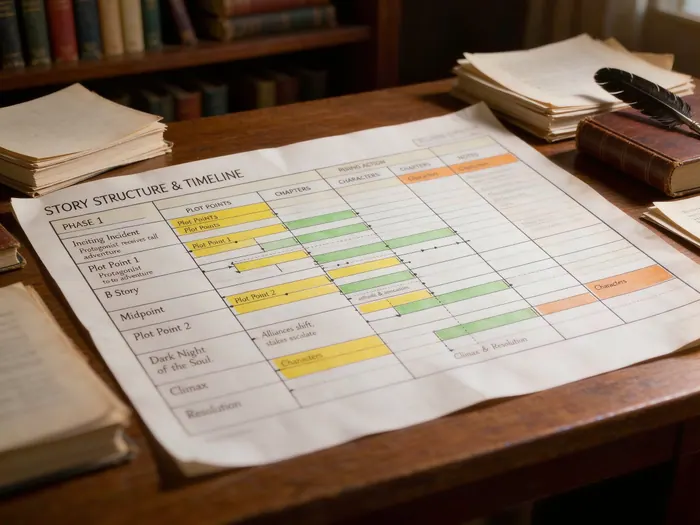
Map out your book's structure before you start writing. For fiction, outline your major plot points, character arcs, and key scenes. For non-fiction, create a chapter-by-chapter outline with main arguments and supporting evidence. Use a tool like Scrivener or Notion to organize your outline. A detailed outline prevents the 'what happens next?' panic and keeps your writing focused. Plan more than you think you need — you can always revise the outline later.
 Howcompass
Research Your Genre and Audience
Understand the conventions of your genre and the preferences of your target audience. Read the top books in your genre and analyze what works — pacing, character types, themes, and writing style. Use Goodreads reviews to see what readers love and what they complain about. Research your audience's demographics, interests, and reading habits through Amazon Author Insights and community forums. The more you understand your genre and audience, the easier it is to create a book that resonates.
 Howcompass
Set Writing Goals and Deadlines
Define measurable writing goals and set realistic deadlines. A common goal is 500-1,000 words per day, which produces a 80,000-word novel in about 3-4 months. Use a writing tracker like Trello or Notion to monitor your daily word count and progress. Set milestone dates for completing your outline, first draft, and revision. Scrivener includes built-in writing goals and progress tracking. Goals keep you motivated when the writing feels difficult.
 Howcompass
Gather Writing Tools and Resources
Set up your writing environment with the right tools. A reliable laptop or computer, a comfortable writing chair, and a good keyboard are essentials. For writing software, Scrivener is the gold standard for long-form writing, while Ulysses offers a clean, distraction-free experience. For research, use Mendeley to manage citations and Evernote for organizing notes. If you need a powerful computer for writing and research, see our Build a Gaming PC guide. Consider a typewriter for a tactile writing experience. The right tools remove friction and help you focus on the writing itself.
Writing Your First Draft
 Howcompass
Write Your Opening Chapter
Start writing with your opening chapter — this is the chapter that hooks readers and sets the tone for the entire book. Your opening should establish the protagonist, setting, and a compelling question or conflict that drives the story forward. Write without self-editing — let the words flow and worry about perfection later. Use Save the Cat! for story structure guidance or The Writer's Journey for deep story analysis. Your first draft of the opening will likely be revised multiple times — that is normal.
 Howcompass
Build Your Story Arc
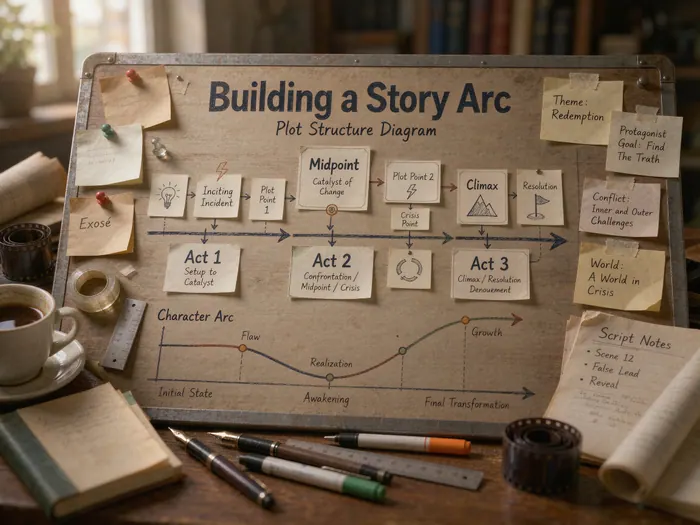
Develop your story structure using the three-act framework: setup, confrontation, and resolution. Map out your major plot points, midpoint reversal, and climax. Use Save the Cat! Beat Sheet or Story Grid to structure your narrative. For non-fiction, organize your arguments in a logical progression from problem to solution. Ensure each chapter advances the story or argument — avoid filler content that does not serve the overall narrative. A strong story arc keeps readers engaged from beginning to end.
 Howcompass
Develop Your Characters and Setting
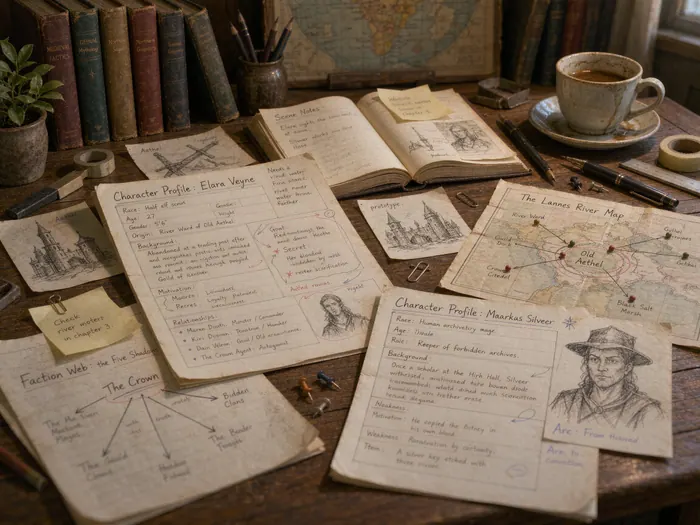
Create detailed character profiles and a vivid setting before writing. For each major character, write a backstory, define their motivations, and plan their character arc. Use Character Builder or a simple spreadsheet to track character traits and relationships. For your setting, research the time period, location, and cultural details that make your world feel real. World Anvil is excellent for building fictional worlds. Characters and setting are the foundation of immersive storytelling.
 Howcompass
Take a Writing Break
During the writing process, take strategic breaks to maintain creativity and prevent burnout. The Pomodoro Technique — 25 minutes of writing followed by a 5-minute break — keeps your mind fresh and productive. Take longer breaks after completing major milestones — a weekend away, a long walk, or time spent on a different creative project. Stepping away from your manuscript gives your subconscious time to process story problems and generate new ideas. Many writers find that their best insights come during walks or showers, not at the keyboard. Protect your energy — writing is a marathon, not a sprint.
 Howcompass
Write Scene by Scene
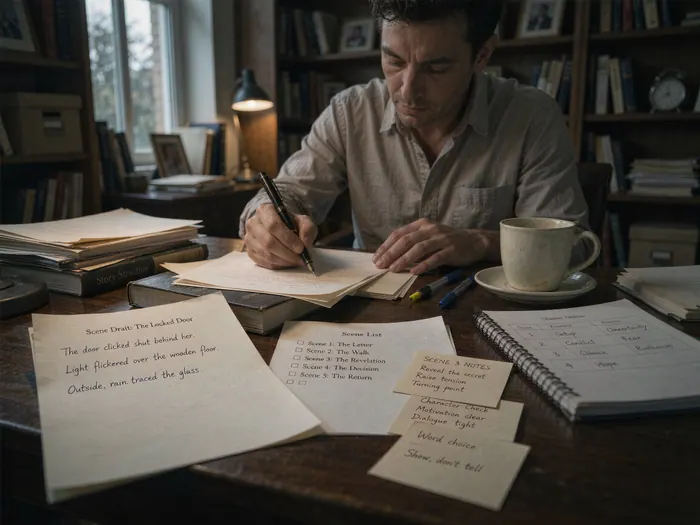
Break your writing into manageable scenes and write them one at a time. Each scene should have a clear purpose — advancing the plot, developing a character, or revealing information. Use the scene card method to plan each scene's goal, conflict, and outcome before writing. Write forward without backtracking — fix typos and awkward sentences during the revision phase, not during the first draft. Aim for consistency in tone, voice, and pacing across scenes. Writing scene by scene makes the overwhelming task of writing a book manageable and achievable.
 Howcompass
Complete Your First Draft
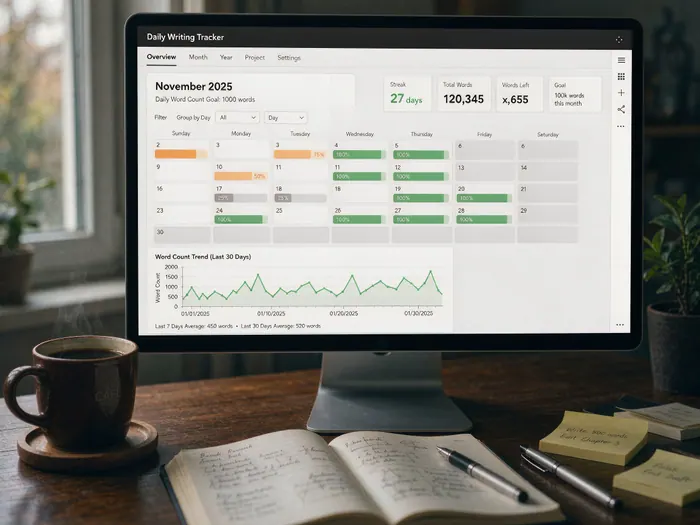
Finish your first draft before doing any major revisions. The goal of the first draft is to get the story out of your head and onto the page — it does not need to be perfect. Set a daily word count goal and stick to it, even on days when the writing feels terrible. NaNoWriMo challenges writers to complete a 50,000-word novel in November — a great exercise for building writing discipline. Remember: you cannot edit a blank page. Finish the draft, then make it good. Completing a first draft is a major achievement — celebrate it before moving to revision.
 Howcompass
Maintain Writing Consistency
Develop a writing routine and stick to it. Write at the same time every day — morning, afternoon, or evening — whatever works best for your schedule. Use Trello or Notion to track your daily writing progress and maintain momentum. Join a writing community like Writing.com or Reddit's r/writing for accountability and feedback. For creators who also produce video or audio content, our Start a YouTube Channel and Start a Podcast guides offer additional content creation strategies. The Artist's Way by Julia Cameron offers powerful advice on creative discipline. Consistency beats intensity — writing 500 words every day produces a finished book faster than writing 5,000 words on weekends.
Revising and Editing
 Howcompass
Do a Structural Edit
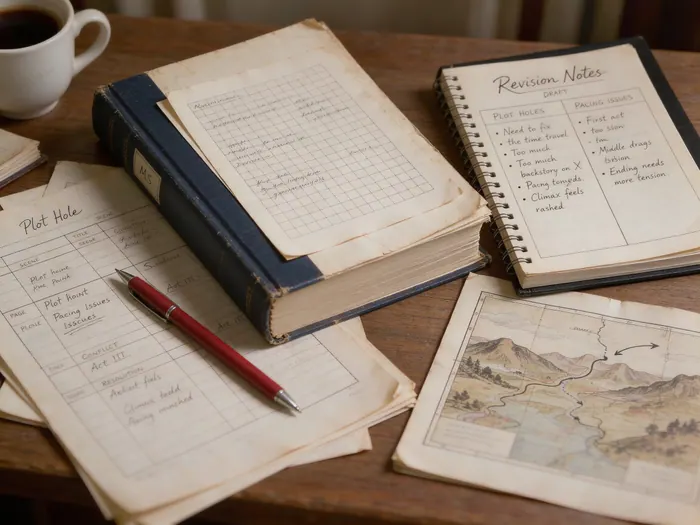
Take a break from your manuscript for at least two weeks, then return with fresh eyes for a structural edit. Evaluate the overall story structure — does the plot make sense, are there plot holes, does the pacing work, and does each chapter serve the narrative? Use Story Grid or Save the Cat! to analyze your story's structure. Be willing to cut entire scenes or chapters that do not work — this is normal and necessary. A structural edit addresses the big-picture issues before you dive into line-level editing.
 Howcompass
Revise for Character Development
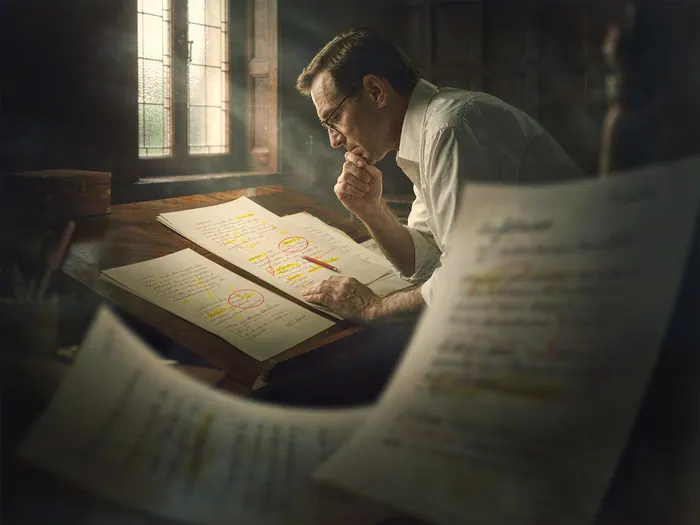
Review your character arcs and ensure each major character grows and changes throughout the story. Check for consistency in character voice, motivations, and behavior. Add scenes that deepen character relationships or reveal backstory organically. Use Character Arc templates to track your characters' emotional journeys. Remove or revise characters who do not serve the story. Strong character development is what makes readers care about your book and keeps them reading to the end.
 Howcompass
Edit for Pacing and Flow
Review the pacing of your manuscript — are there slow sections that drag, or fast sections that feel rushed? Tighten prose by cutting unnecessary words, simplifying sentences, and removing filler. Use Hemingway Editor to identify complex sentences and passive voice. Check scene transitions — each scene should flow naturally into the next. Add sensory details to slow, important moments; cut description during fast, action-heavy scenes. Good pacing keeps readers engaged and makes your book feel professionally written.
 Howcompass
Polish Your Dialogue
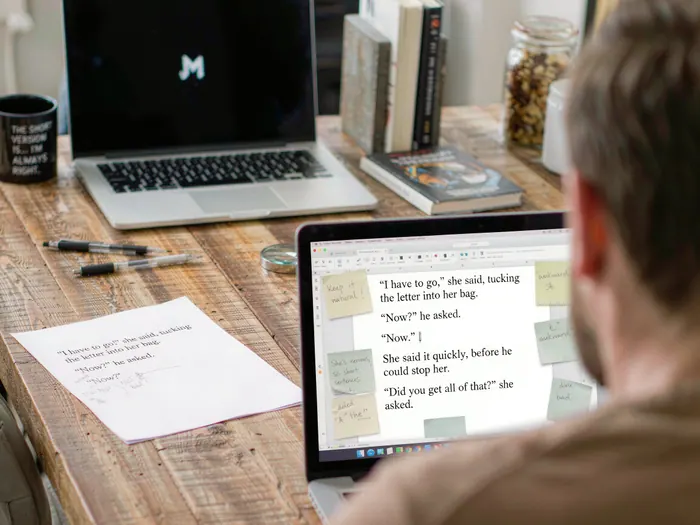
Review every line of dialogue for natural flow and character voice. Each character should sound distinct — different vocabulary, sentence length, and speech patterns. Remove unnecessary dialogue tags and adverbs — 'said' is usually sufficient. Read dialogue aloud to catch awkward phrasing. Use Dialogue tools to generate ideas and ensure your conversations feel authentic. Dialogue is one of the most important elements of fiction — polished dialogue makes your characters feel real and keeps readers immersed in the story.
 Howcompass
Proofread for Grammar and Typos
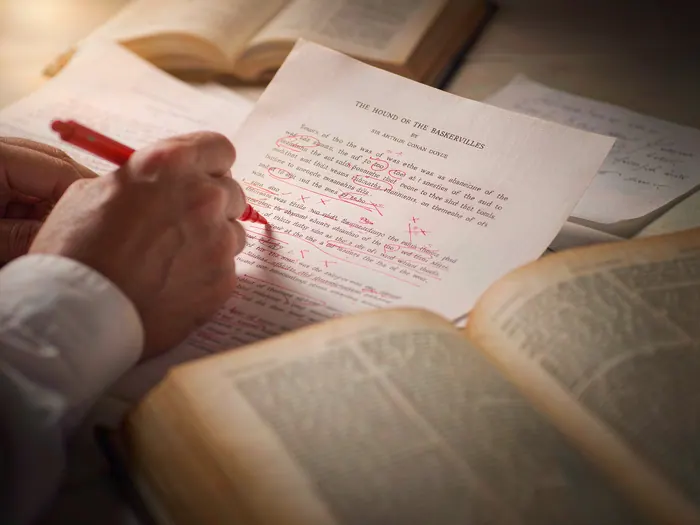
Do a final proofread pass to catch grammar errors, typos, and punctuation mistakes. Use Grammarly for automated grammar and spelling checks, but do not rely on it exclusively — also read your manuscript carefully yourself. Use ProWritingAid for comprehensive writing analysis including style, readability, and consistency. Read your manuscript backwards, sentence by sentence, to catch errors your brain normally skips. A polished, error-free manuscript is essential for professional publishing.
 Howcompass
Format Your Manuscript
Format your manuscript for publication according to industry standards. For print books, use 6x9 trim size, 12-point Times New Roman or Garamond, and 1-inch margins. For ebooks, use EPUB format with proper heading styles. Use Vellum or Atticus for professional book formatting. Create a title page, copyright page, and table of contents. Chapter headings should be consistent throughout. Proper formatting ensures your book looks professional and is accepted by publishers and platforms.
Publishing and Formatting
 Howcompass
Design Your Book Cover
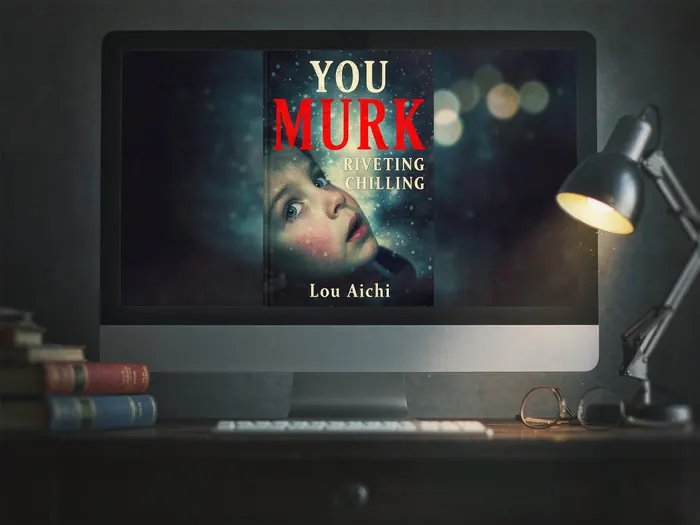
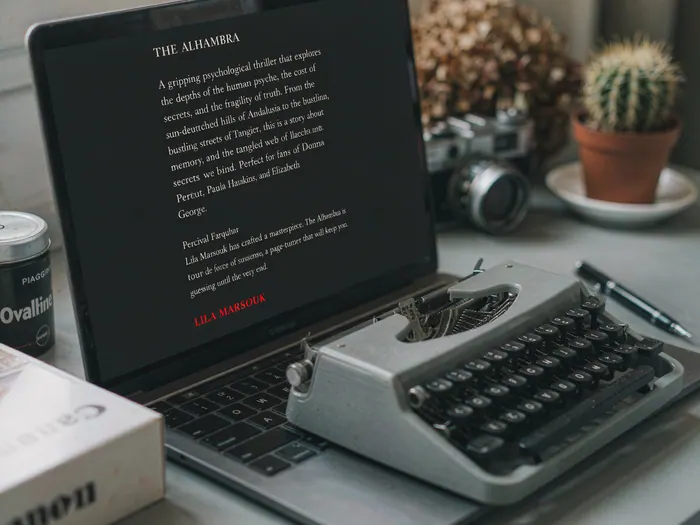
Design a compelling book cover that communicates your book's genre, tone, and subject. For fiction, the cover should convey mood and genre — a thriller might use dark, bold typography, while a romance might use soft colors. For non-fiction, use a clean design with a clear title and supporting imagery. Use Canva for DIY cover design or hire a professional designer on Fiverr or 99designs. Your cover is the first thing readers see — it must be professional and genre-appropriate.
 Howcompass
Choose Your Publishing Path
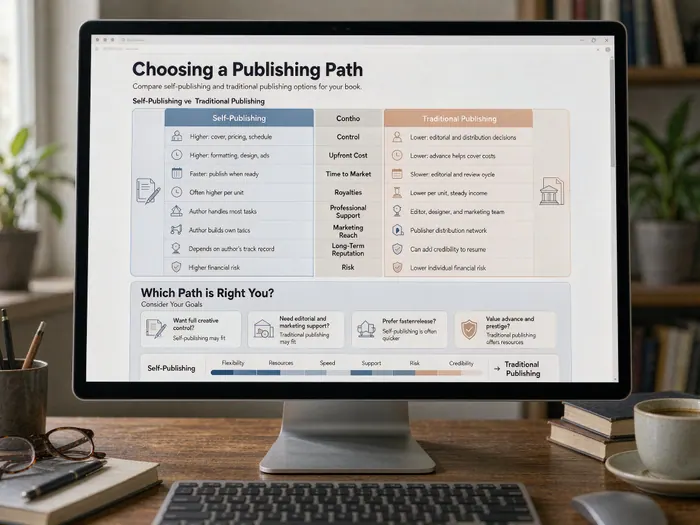
Decide between self-publishing and traditional publishing. Self-publishing with Amazon KDP gives you complete control, higher royalties (60-70%), and faster publication — but you handle editing, formatting, and marketing yourself. Traditional publishing through an agent and publisher offers professional support and wider distribution — but lower royalties (10-15%) and a longer, more competitive process. Use QueryTracker to track agent submissions. For managing your publishing budget and royalties, see our Save Money Every Month guide. Research both paths using Author Earnings before deciding.
 Howcompass
Write Your Book Description
Write a compelling book description (also called a blurb) that hooks readers and conveys what your book is about. For fiction, write a teaser that introduces the protagonist, conflict, and stakes without revealing the ending. For non-fiction, summarize the problem, your solution, and the benefits readers will gain. Use Amazon Author Central to publish your description. Include relevant keywords in your description to improve search discoverability. A great description can significantly boost your book's sales.
 Howcompass
Hire a Beta Reader or Editor
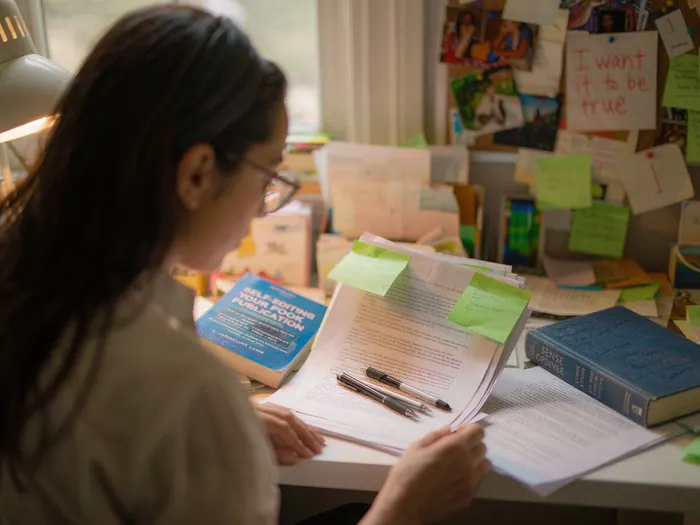
Get feedback from beta readers or a professional editor before publishing. Beta readers are trusted readers who provide honest feedback on the overall story, characters, and pacing. Use BetaBook or Critique Circle to find beta readers. For professional editing, hire a developmental editor for story-level feedback, a line editor for prose polish, or a proofreader for final error checking. Professional editing significantly improves your book's quality and credibility.
 Howcompass
Self-Publish or Submit to Publishers
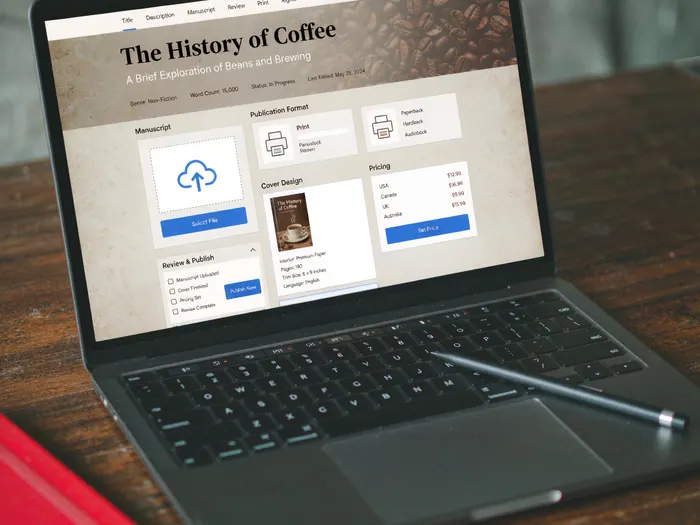
If self-publishing, upload your formatted manuscript and cover to Amazon KDP for ebook and print-on-demand distribution. Also publish on Apple Books, Google Play Books, and Kobo. Set your book price strategically — 2.99-4.99 USD for ebooks is a common range for independent authors. If pursuing traditional publishing, research agents using Manuscri.pt or QueryTracker and submit your query letter and first pages. Publishing, whether self or traditional, is a major milestone — celebrate it!
Marketing and Promoting
 Howcompass
Build Your Author Platform
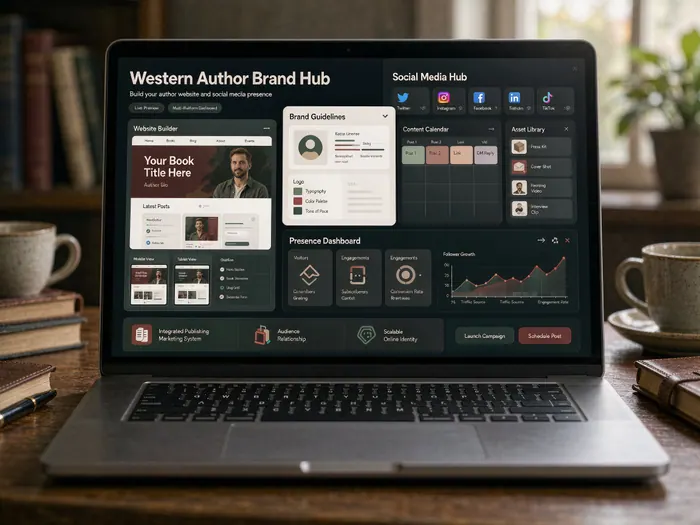
Create an author platform to connect with readers and promote your book. Build a WordPress author website with a professional domain name, author bio, and book links. Create social media accounts on Instagram, Twitter, and Facebook. Use Mailchimp or ConvertKit to build an email subscriber list. Engage with reader communities on Goodreads and Bookstagram. If you also want to reach audiences through audio content, see our Start a Podcast guide. A strong author platform is essential for book discoverability and long-term career growth.
 Howcompass
Create a Marketing Plan
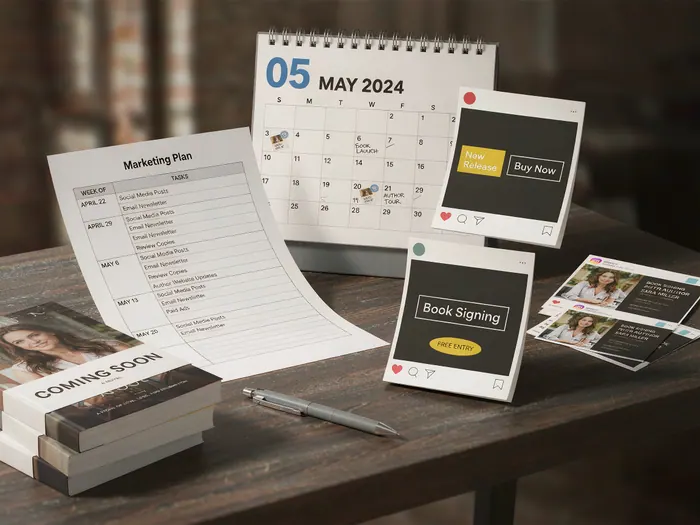
Develop a comprehensive marketing plan for your book launch. Set clear goals — number of downloads, reviews, and media mentions. Create a launch calendar with pre-launch, launch day, and post-launch activities. Use Trello or Asana to organize your marketing tasks. Plan a Launch Team of friends, family, and fellow authors who will buy, review, and share your book on launch day. A strategic marketing plan ensures your book gets visibility when it launches.
 Howcompass
Leverage Social Media
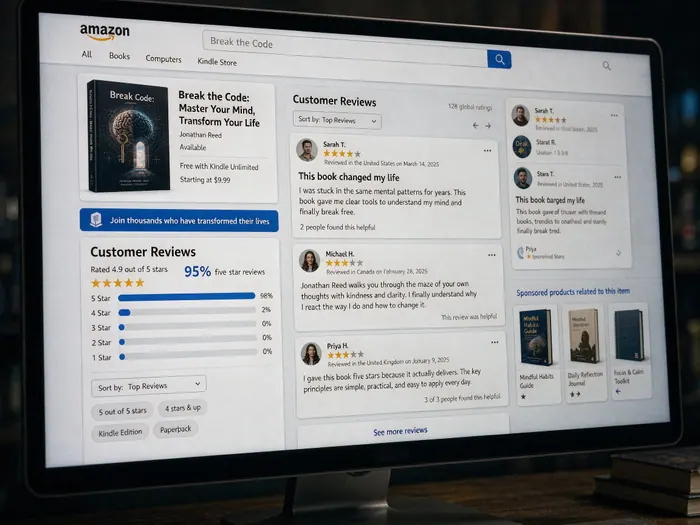
Use social media to reach new readers and build your author brand. Share behind-the-scenes content from your writing process, announce book deals and releases, and engage with reader communities. Use Instagram Reels and TikTok to reach Gen Z and Millennial readers. Use Buffer or Hootsuite to schedule posts across platforms. Participate in Bookstagram and BookTok communities. Social media is one of the most powerful tools for independent authors to reach readers directly.
 Howcompass
Request Reviews and Ratings
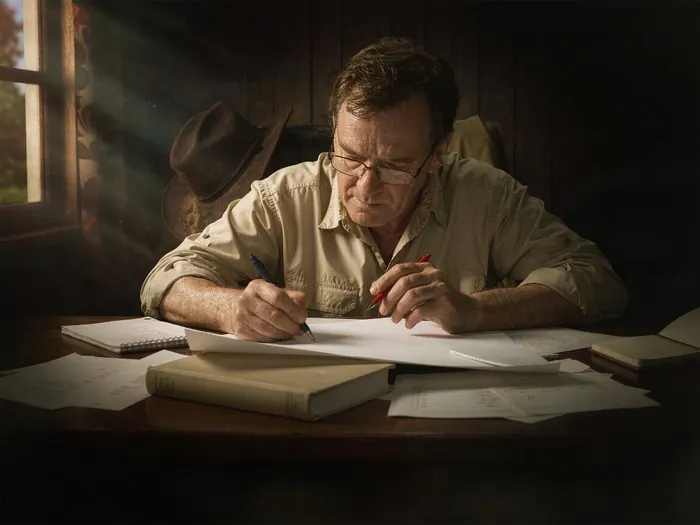
Ask your readers, friends, family, and fellow authors to leave reviews and ratings on your book's Amazon, Goodreads, and Apple Books pages. Reviews are the most important factor in book discoverability on Amazon — books with more reviews rank higher in search results. Use Amazon KDP and Goodreads to request reviews. Consider joining BookSparks or BookSirens to connect with reviewers. Never pay for fake reviews — Amazon detects and penalizes this. Genuine reviews from real readers are the most valuable marketing asset you have.
 Howcompass
Plan Your Next Book
Once your first book is published, start planning your next project. Many authors find that having a second book in progress maintains momentum and grows their audience. Use your first book's performance — reviews, sales, and reader feedback — to inform your next project. Consider writing a series if your first book's world and characters have more stories to tell. Join Author's Guild for networking and industry resources. Writing is a craft that improves with practice — your second book will be better than your first, and your third even better.
How to know it worked
- You can state premise, reader and ending in three sentences.
- The complete draft exists before you rewrite chapter one.
- A stranger can describe each chapter's job.
- An editor or trusted reader has seen the opening and one middle chapter.
Common mistakes to avoid
- Editing chapter one repeatedly instead of finishing a rough draft.
- Choosing a word count by ambition rather than by genre expectations.
- Skipping beta readers, then hearing the same structural note from every early reviewer.
- Self-publishing without professional copy-editing or a cover that reads at thumbnail size.
- Querying agents with a manuscript no one outside the family has read.
- Treating a first draft as a final product; revision is where the book is actually written.
Frequently Asked Questions
Question: How long should my book be?
A debut novel is usually 70,000–100,000 words; genre fiction often sits at 70,000–90,000. Practical non-fiction is commonly 50,000–70,000. These are market conventions, not laws, but agents and readers use them as signals.
Question: How long does it take to write a book?
A first draft takes most new writers three to six months at a sustainable daily word count, followed by two to three months of revision. Writing 500 words a day for six months produces 90,000 words; two weekends do not.
Question: Should I self-publish or find an agent?
Traditional publishing pays an advance and handles production but is slow and selective. Self-publishing gives control and speed but makes you responsible for editing, cover, formatting and marketing. Choose by genre, budget and how much of the business you want to run.
Question: Do I need a professional editor?
For self-publishing, yes for copy-editing at minimum, and ideally a developmental edit before that. For traditional submission, beta readers and a line edit are enough at the query stage; agents expect revision after signing.
Question: Do I need an ISBN?
Self-published print and ebooks need an ISBN for retail distribution. Many platforms supply one, but a publisher-specific ISBN keeps the imprint yours. Registration rules differ by country; check your national agency.
Question: Outline first or write by the seat of my pants?
Either can work, but a first book benefits from at least a one-page outline with an ending. It prevents the common failure of 30,000 good words and no way to finish. Discovery writers can keep the outline loose.
Tips
- Write every day, even if it is just 500 words — consistency is more important than intensity.
- Read widely in your genre — the best writers are avid readers.
- Do not edit while writing your first draft — just get the story out.
- Join a writing community for accountability, feedback, and encouragement.
- Take walks without your phone — some of your best story ideas come during walks.
- Keep a notebook for random ideas, character names, and plot inspiration.
- Read your dialogue aloud to catch awkward phrasing and ensure natural flow.
- Set specific writing goals — 'write 1,000 words' is better than 'write more'.
- Create a writing routine — same time, same place, same ritual every day.
- Do not compare your first draft to published books — published books went through multiple revisions.
- Use beta readers who read your genre — they will understand your conventions and expectations.
- Always carry a recording app or notebook — ideas come when you least expect them.
- Write the book you want to read — authentic passion creates compelling stories.
- Schedule writing time on your calendar and treat it as a non-negotiable appointment.
- Reward yourself for completing milestones — writing a book is a long, challenging journey.
Warnings
- Never self-edit during your first draft — it slows you down and breaks your creative momentum.
- Do not skip the outline — writing without a plan leads to plot holes and dead ends.
- Avoid comparing your writing to published authors — your first draft will not match their polished final versions.
- Do not ignore beta reader feedback — they often catch issues you cannot see because you are too close to the story.
- Never publish without professional editing — typos and grammar errors damage your credibility.
- Do not buy fake reviews — Amazon detects and penalizes this, potentially removing your book entirely.
- Avoid long, flowery descriptions — modern readers prefer concise, impactful prose.
- Do not abandon your manuscript after the first draft — revision is where the book truly comes to life.
- Never ignore your genre's conventions — readers expect certain tropes, pacing, and structures.
- Do not set unrealistic daily word counts — aim for a sustainable pace you can maintain long-term.
Things You'll Need
- Computer or laptop with word processing software
- Writing software (Scrivener, Ulysses, or similar)
- Reliable word count and writing progress tracker
- Notebook and pen for capturing ideas
- Writing reference books (Save the Cat!, Story Grid)
- Beta readers or writing feedback group
- Grammar and style checking tools (Grammarly, ProWritingAid)
- Book formatting software (Vellum, Atticus, or similar)
- Book cover design tool (Canva or professional designer)
- Amazon KDP account for self-publishing
- Social media accounts for author platform
- Email marketing service (Mailchimp, ConvertKit)
- Goodreads and Amazon Author Central profiles
- Writing community membership (Reddit r/writing, Writing.com)
- Professional editor or proofreader
Related Howcompass Guides


References (8)
- The Chicago Manual of StyleUniversity of Chicago Press
- Copyright RegistrationU.S. Copyright Office
- Penguin Random House FAQs: SubmissionsPenguin Random House
- Kindle Direct PublishingAmazon
- IngramSpark PublishingIngram Content Group
- U.S. ISBN AgencyBowker
- Poets & Writers: Publishing ResourcesPoets & Writers
- Alliance of Independent AuthorsALLi
Sources are listed so you can read the underlying guidance yourself. Our editorial policy explains how guides are reviewed.
What changed in this update: Reviewed November 2026: added the three-sentence planning test, a realistic word-count range and the revision mistakes that cost new writers the most time.
Did this article help you?
0 readers found this helpful — add your vote.
No comments yet — be the first to share your results.