How to How to Get Your Own TV Show: A Complete Step-by-Step Guide
A guide to Develop a Show Worth Buying, Package the Proof, Get in the Room, Pitch, Negotiate, and Launch
Getting your own TV show is not one lucky break; it is a pipeline: develop a concept with a durable engine, write the pilot and the series bible, package proof that you can deliver, and then work the routes that actually reach buyers — production companies, managers, labs, and pitch markets. Networks and streamers almost never accept unsolicited material, so the strategy is to make your project easy to say yes to and put it in front of the people allowed to submit it. These 28 steps walk the whole journey in order: the development work, the proof materials, the access routes, and the pitch itself — including what to do when nobody bites. You do not need to live in Los Angeles to start, and you do not need permission to begin step 1.
How do you how to Get Your Own TV Show: A Complete Step-by-Step Guide?
 Howcompass | How to How to Get Your Own TV Show: A Complete Step-by-Step Guide
Develop a Show Worth Buying
HowcompassPick Your Lane: Scripted, Unscripted, or Format
Decide what kind of show you are making before anything else. Scripted (sitcom, drama) sells on a pilot script and a series bible; unscripted (reality, docuseries) sells on a sizzle reel and access to your subjects; format shows (game, talent, makeover) sell on a repeatable rules engine. Each lane has different buyers and materials, so choose deliberately. Treat the choice like a venture decision — the same clarity you would bring to a one-page lean business plan applies to a show: what is it, who is it for, and why will it run for years?
 Howcompass
Write a One-Sentence Logline
Compress the show into one sentence that names the protagonist, the goal, the obstacle, and the hook that makes it fresh. A good logline is a promise: it tells a buyer exactly what episode after episode will look like. Rewrite it until a stranger can repeat it back after hearing it once. This is the same discipline as a clear weekly project status update — lead with the essential thing, cut everything that does not earn its place. If the logline is boring, the show is not ready; fix it here before writing fifty pages.
 Howcompass
Build the Series Bible
The bible is the show's reference document: the world and its rules, main characters with wants and flaws, the tone, and what a typical episode feels like. Keep it vivid and skimmable — executives read dozens. Rough character sketches help readers see your cast, and even beginners can produce them if they start a daily gesture-drawing practice. Wikipedia's overview of the screenwriting bible) describes how professionals use it. Write the bible before pitching, not after — it proves the show exists beyond the pilot.
 Howcompass
Map Season One and Find the Series Engine
Buyers are not buying an episode; they are buying a hundred of them. Identify the engine — the conflict or format that regenerates story every week — then break season one into episode arcs on index cards. Do this with friends if you can: a small table covered in cards is a writers' room in miniature, and the same listening rules from a remote brainstorming workshop keep quiet voices in the mix. If you cannot fill a season without repeating yourself, strengthen the engine before writing the pilot.
 Howcompass
Write the Pilot Script in Industry Format
For scripted shows, the pilot is your calling card: a complete, properly formatted script that introduces the world and hooks the series. Write it as a spec script — on speculation, without payment — because that is what opens doors. Read every scene aloud; actors memorize monologues with action beats to find the truth of a line, and writers should hear their dialogue the same way. Cut scenes that do not advance character or premise, and end on a moment that demands episode two.
 Howcompass
Hold a Table Read and Rewrite
Gather five or six honest friends, assign roles, and read the pilot aloud with snacks and no defending yourself. Note every laugh that lands, every sag, every confusion — then rewrite. Treat the feedback session like a blameless project post-mortem: the script is the problem, never the reader. Two or three table-read cycles typically lift a pilot more than months of solo polishing, because comedy and confusion only reveal themselves in a room.
 Howcompass
Register and Back Up Your Drafts
Before the script leaves your hands, create a paper trail. Register it with the WGA West Registry — inexpensive, dated proof of authorship that the industry recognizes — and keep versioned backups of every draft. The same discipline you use to organize and back up a lifetime of digital photos applies to scripts: one cloud copy, one local copy, dated filenames. Registration is not copyright, but it is cheap evidence, and evidence matters in a business built on handshakes.
Package the Proof
 Howcompass
Write the One-Page Pitch Document
Distill the show onto a single page: title, logline, format and length, the world, the main characters in two lines each, the engine, and why you are the person to write it. This leave-behind is what an executive forwards to their boss — make it easy to forward. It is the entertainment version of a one-page lean business plan: everything essential, nothing decorative. If a reader cannot grasp the show in sixty seconds, the page is not finished.
 Howcompass
Design the Pitch Deck and Storyboards
A pitch deck is a visual document — tone, world, characters, season arc — that makes the show feel real on screen. Use stills, mood art, and rough storyboard frames; you do not need to be an artist, and learning to draw as a beginner is enough for readable frames. Keep text minimal and images strong. For unscripted shows the deck carries casting and access; for scripted, it carries tone comparisons. Executives remember pictures long after they forget paragraphs.
 Howcompass
Shoot a Sizzle Reel or Proof-of-Concept
Unscripted shows live and die by the sizzle reel: two to five minutes that prove your characters, access, and tone. Scripted creators increasingly shoot a short proof-of-concept scene instead. You don't need a crew van — two softboxes in a home portrait studio, a camera, and a real location can look professional. Cast real people for reality, rehearse actors for scripted, and cut for energy. A great reel answers the buyer's only real question: what does it feel like to watch?
 Howcompass
Get Proper Headshots and a Creator Bio
Buyers bet on people as much as projects. Get a clean, natural headshot — the same fundamentals from taking better photos apply: soft light, simple background, real expression — and write a short bio that connects your life to this show. Why you, why now? If you have relevant credits, list them; if you do not, lead with the access or experience that makes you the only person who can tell this story. A credible bio turns a stranger into a safe pair of hands.
 Howcompass
Build a Simple Creator Website
Give the project a home: one clean page with the logline, the reel, your bio, and contact details. The same principles from building a portfolio website that wins clients apply — fast, clear, no clutter. When a manager or executive googles you after a meeting, that page is your second pitch. Keep the reel streamable without a login, and make the contact path obvious. A professional web presence costs little and quietly answers the question every buyer asks: is this person real?
 Howcompass
Budget the Proof Before You Spend
Price the whole package before spending: registry fees, deck printing, reel production, headshots, website, festival and competition entries. Then fund it deliberately — a few months of saving money every month beats a credit-card spiral. Track it against your real numbers with the habits from managing personal finances and budgeting. A lean, honest proof package beats an expensive glossy one; buyers respond to clarity, not production spend.
 Howcompass
Keep Production Money Separate
The moment other people's money or collaborator payments enter the picture, open a separate account. The discipline of separating personal and freelance banking from day one protects you when a producer asks for a budget report — and they will. Pay crew and cast from the production account, keep every receipt, and never mix rent with reel money. Clean books are a creative asset: they signal you can be trusted with a real production budget later.
Get in the Room
 Howcompass
Learn Who Actually Buys Shows
Networks and streamers rarely accept unsolicited submissions — legal risk makes them return unopened material. The working routes are: a licensed agent or manager, an established production company that attaches and submits, or a lab/fellowship that introduces you. Study the landscape of film and television pitching) so you aim at open doors. And consider the side entrance: an internship or assistant job inside a buyer's building, which starts with the same documents as your first CV with no formal work experience.
 Howcompass
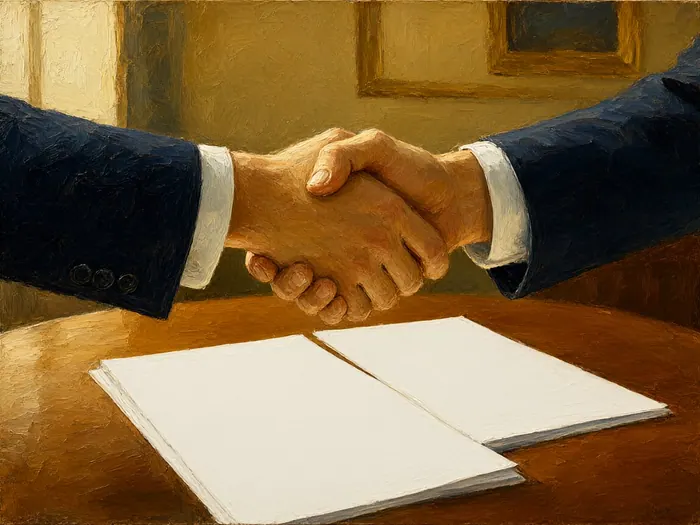
Target Production Companies, Not Just Networks
Make a list of twenty production companies behind shows that feel like yours — the end credits and IMDb are your research tools. Query the ones that accept submissions with a short, polite email: logline, why their company, and an offer to send the pilot. Track every query and follow-up the way you would write a clear weekly project status update: who, when, what next. A production company attachment turns your unsolicited script into a solicited submission — that is the whole game.
 Howcompass
Query Managers and Agents
Managers develop careers and are generally open to queries; agents negotiate deals and usually come via referral or after you have heat. Your query letter is a one-page argument, built like a resume: most relevant credit first, no padding. Personalize each one, include the logline, and ask permission to send the script — never attach it cold. Expect silence and polite passes; a handful of requests out of fifty queries is a good result. Sign with the person who understands the show, not the biggest logo.
 Howcompass
Apply to Fellowships, Labs, and Writer Programs
The major studios and networks run annual writing programs, and institutions like the Sundance Institute run labs that develop new voices; in the UK, BBC Writersroom opens submission windows for scripts. These are the sanctioned side doors: they read unsolicited work, and alumni get agents and staffing. Calendar the deadlines, prepare your materials early, and link your creator portfolio website in every application. One acceptance can shortcut years of querying.
 Howcompass
Work Pitch Markets, Festivals, and Events
Pitch festivals and industry markets sell you five minutes with a real buyer — the fastest feedback loop that exists. Platforms like Stage 32 run online pitch sessions year-round. Prepare a tight verbal pitch and rehearse it like a performance: the same breath and beat work actors use to memorize a theater monologue keeps you calm when the clock runs. Research each buyer's slate beforehand and tailor the opening line to them. Even a pass with notes is worth the fee.
 Howcompass
Enter Competitions and Submission Platforms
A strong placement in a respected screenwriting competition gets reads you cannot otherwise buy. Budget entry fees as a campaign — the habit of saving money every month funds a season of entries — and choose contests whose alumni actually get signed. Submission platforms create a dated record of who read what, which protects you. Read the fine print on rights: reputable contests claim none. Trade publications like No Film School regularly track which competitions matter; verify before paying.
 Howcompass
Avoid Scams: Real Buyers Never Charge Reading Fees
The golden rule: legitimate agents and managers earn commission on work they sell you — they never charge upfront reading, representation, or 'mandatory editing' fees. Anyone who guarantees a sale, pressures you to pay today, or finds you instead of the reverse is a red flag. Verify companies against the Writers Guild of America franchised lists, and treat suspicious outreach with the same skepticism as phishing emails and fake websites. Your budget belongs in your proof package, not in someone's promise.
Pitch, Negotiate, and Launch
 Howcompass
Rehearse the Verbal Pitch Until It Sounds Natural
A pitch is a conversation, not a recital — but it is structured like a persuasive ten-minute conference talk: hook, world, characters, engine, season, why you. Rehearse aloud until you can deliver it walking, sitting, or interrupted. Time two versions: the sixty-second elevator cut and the ten-minute meeting cut. Practice on friends who will interrupt with questions, because real executives will. The goal is not memorization; it is being so familiar with the show that any question is a welcome door.
 Howcompass
Take the Meeting and Listen More Than You Talk
When the meeting comes — in person or on a video call — open with your personal connection to the material, deliver the pitch, then stop and listen. Executives probe for the engine, the audience, and your flexibility. Run it with the same inclusive dynamics as a well-facilitated brainstorming workshop: draw out the quiet person in the room, because they often decide. On video, test the camera and slides beforehand and look at the lens, not your own face. Enthusiasm is contagious; defensiveness is not.
 Howcompass
Leave the Leave-Behind and Follow Up
End every meeting by leaving the one-pager and deck — the executive's next step is forwarding you upward, so make the package travel well. Then follow up once, politely, after a week or two, and track it like a clear project status update: date, contact, next action. Silence is normal; a single graceful nudge is professional, five are not. Keep querying new buyers while you wait — momentum comes from a full pipeline, never from one pending reply.
 Howcompass
Turn Notes Into Rewrites Without Ego
Interested buyers give notes — sometimes contradictory ones. Listen for the problem behind the note, not the suggested fix, and respond with a short plan before rewriting. Process the round like a blameless post-mortem: what worked, what confused, what changes next. Executives are testing whether you are someone they can develop a show with for years. A writer who takes notes gracefully and returns a stronger draft fast is rarer — and more employable — than a genius who argues.
 Howcompass
Understand the Deal Basics Before You Sign
The first yes is usually an option or a shopping agreement, not a series order: a producer pays for the exclusive right to set the show up for a limited period. Know the difference, know what rights revert to you, and never sign without an entertainment lawyer — the Writers Guild of America publishes minimums and contract guidance that anchor your expectations. Keep the money side boring and clean with the same habits as managing a personal budget. A small, clean option beats a big, vague promise.
 Howcompass
If Nobody Bites, Launch It as a Web Series
The back door is real: shoot the show yourself as a short web series, publish it, and build an audience buyers can measure. Successful online IP has repeatedly been picked up by networks because it arrived with proof of demand. Host it on your creator website and video platforms, release on a schedule, and engage every comment. A modest but loyal audience changes the pitch from 'trust me' to 'look.' Many creators' first 'no' from a network became a yes after the web series found its people.
 Howcompass
Run the Show Like a Project, Season After Season
Whether the show lands on a network or your own channel, operate it with discipline: a weekly written status rhythm like a clear project update, a budget you actually watch with personal finance habits, and a season-two plan ready before anyone asks. Buyers renew creators who are organized, not just talented. The pipeline you built in these 28 steps — concept, proof, access, pitch — is reusable for every show after this one. That is how one TV show becomes a career.
Frequently Asked Questions
Question: Can I pitch a TV show without an agent?
Not directly to most networks and streamers — they return unsolicited material unopened. But you can query managers and production companies that accept submissions, enter labs and fellowships like Sundance's or BBC Writersroom, pay for pitch sessions at markets, or build an audience with a web series. All of those routes are agent-free.
Question: Do I need a finished pilot script to pitch?
For scripted shows, yes — a polished spec pilot plus a series bible is the standard package. For unscripted and format shows, a sizzle reel, a format document, and proof of access to your subjects usually matter more than a script.
Question: How much money does it take to get started?
Less than people fear. Script registration is around twenty dollars, a lean proof-of-concept can be shot on a camera you own with two lights, and competition entries run tens of dollars each. Budget deliberately, and never pay upfront 'reading' or 'representation' fees — legitimate representatives earn commission only when you do.
Question: Can I sell just an idea for a TV show?
Ideas alone are not copyrightable and buyers rarely purchase them. What sells is execution: a pilot, a bible, a reel, a format document, or an existing audience. Develop the idea into materials that prove the show works, and protect your authorship with dated registration before sharing.
Related Howcompass Guides




References (6)
- Writers Guild of America West — contracts and professional resourcesWGA West
- WGA West Registry — script registrationWGA West
- BBC Writersroom — script submission windows and opportunitiesBBC
- Sundance Institute — labs and artist programsSundance Institute
- No Film School — filmmaking and screenwriting coverageNo Film School
- Stage 32 — pitch sessions and industry networkingStage 32
Further reading
- Television pilotWikipedia
- Spec scriptWikipedia
- Bible (screenwriting)Wikipedia
- Sizzle reelWikipedia
- Pitch (filmmaking)Wikipedia
Encyclopaedia entries are background, not evidence: no step below rests on one of these.
Sources are listed so you can read the underlying guidance yourself. Our editorial policy explains how guides are reviewed.
Did this article help you?
0 readers found this helpful — add your vote.
No comments yet — be the first to share your results.