How to Build a Capsule Wardrobe (Step by Step)
A guide to Phase 1 — Empty the Wardrobe and See What Is Really There, Phase 2 — Set the Palette and Define the Core, Phase 3 — Fill the Gaps, Slowly, Phase 4 — Wear, Maintain and Review
A capsule wardrobe is not about owning almost nothing — it is about owning pieces that work together. This guide takes you from an overfull wardrobe to a small, reliable set in 28 concrete steps, beginning with an honest audit of what you actually reach for. We settle a colour palette and a real-life dress code before buying a single thing, then fill only the gaps you can name. One audit done properly makes every later decision about clothes faster, cheaper and far less likely to end in regret. Browse all illustrated guides or the Personal Care and Style category for more illustrated walkthroughs on Howcompass.
How do you build a Capsule Wardrobe (Step by Step)?
 Howcompass | How to Build a Capsule Wardrobe (Step by Step)
Phase 1 — Empty the Wardrobe and See What Is Really There
HowcompassTake every item out of the wardrobe
Take every item out of the wardrobe. Remove everything, including drawers and stored pieces, and lay it where you can see it all at once. A full view exposes how many near-duplicates you own and stops hidden items from escaping the decision. For the primary source behind this phase, see Good Housekeeping — home and style.
 Howcompass
Sort into keep, donate and repair piles
Sort into keep, donate and repair piles. Be decisive: keep what fits and suits your life now, set aside damaged pieces worth mending, and donate the rest in good condition. Handling each item once prevents the same clothes being re-sorted every season.
 Howcompass
Try on everything in the maybe pile
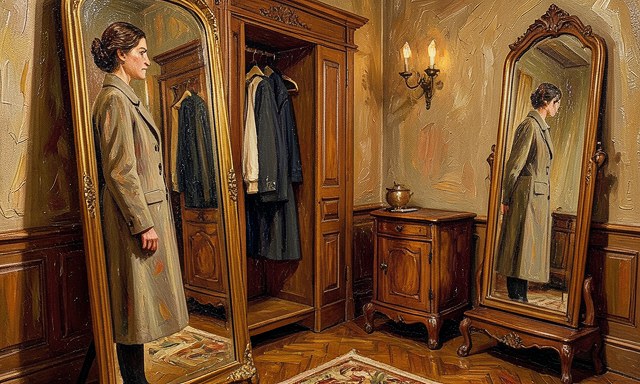
Try on everything in the maybe pile. Put on each uncertain piece in front of a mirror and ask if you would wear it this week. If the answer is no, donate it — a maybe garment usually becomes a never-worn one.
 Howcompass
Count what you actually wear
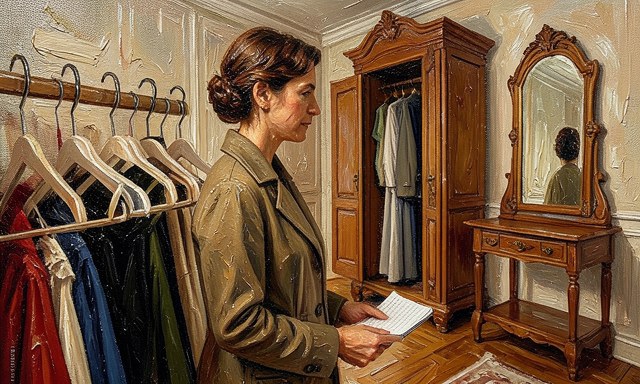
Count what you actually wear. Look back over the past month and note which items you reached for repeatedly. Most people find a small core of favourites doing nearly all the work, which becomes the seed of the capsule.
 Howcompass
Note which colours repeat
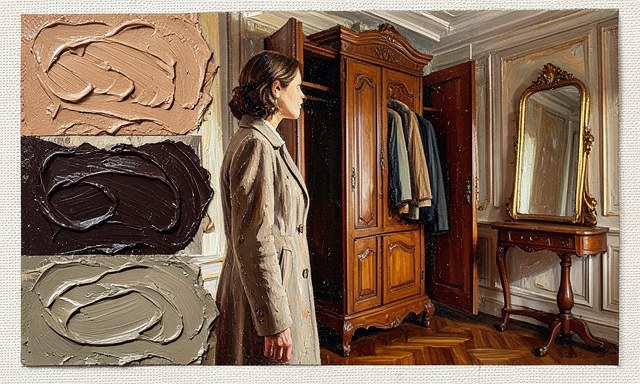
Note which colours repeat. Look at the keep pile and write down the two or three neutrals and the accents that dominate. Your existing favourites are a truer palette than any trend list, and they guarantee new pieces will match.
 Howcompass
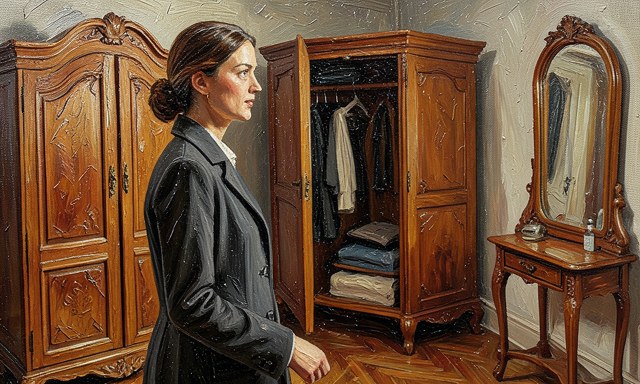
Identify your three most-worn outfits
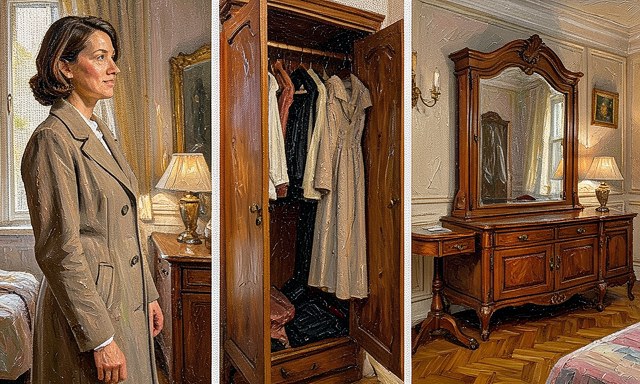
Identify your three most-worn outfits. Write down the combinations you choose without thinking, including the tops, bottoms and shoes. These proven outfits reveal your genuine style and the shapes you feel confident in.
 Howcompass
Write down what is always missing
Write down what is always missing. List the gap that keeps frustrating you — 'no layer for cool evenings', 'nothing that works with these trousers'. Naming the gap is what stops you buying another item you already have three of. Related on Howcompass: have a difficult conversation.
Phase 2 — Set the Palette and Define the Core
 Howcompass
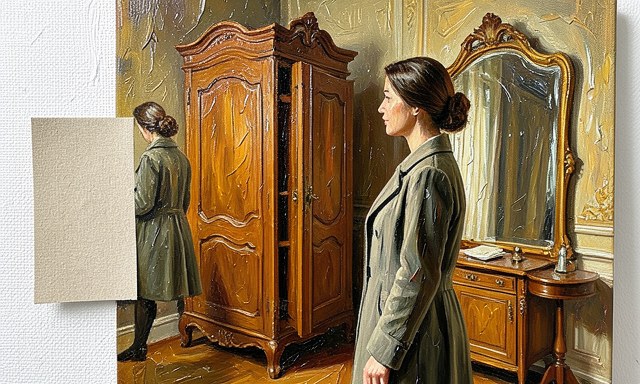
Pick one neutral base colour
Pick one neutral base colour. Choose a single dominant neutral — navy, charcoal, camel or black — that suits your colouring and existing clothes. A shared base means most tops and bottoms can be mixed freely instead of matching one fixed outfit. For the primary source behind this phase, see American Academy of Dermatology.
 Howcompass
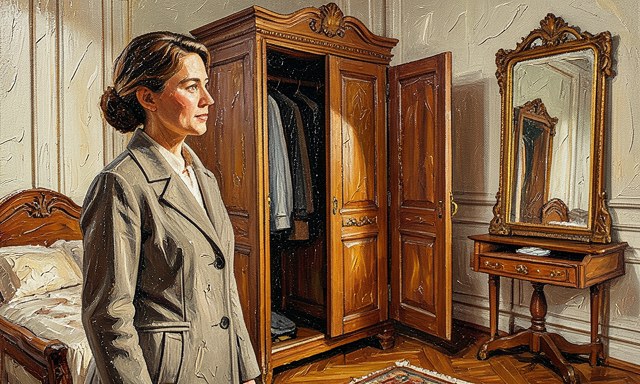
Choose two accent colours
Choose two accent colours. Add two accents you genuinely like that also work with the base, keeping the total palette to three or four colours. A small palette makes mixing effortless and prevents a rack of beautiful but clashing singles.
 Howcompass
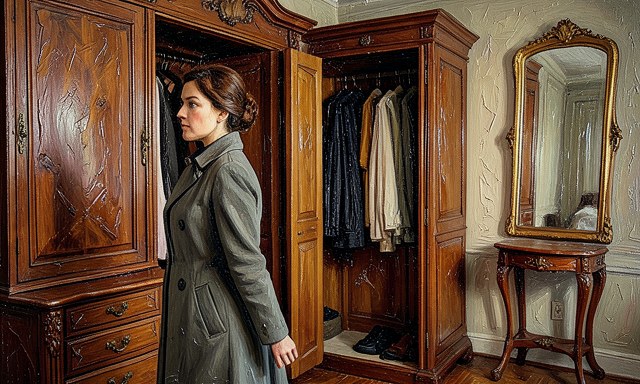
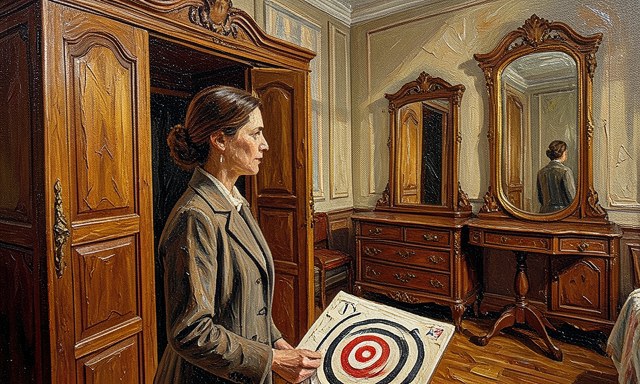
Define your real-life dress code
Define your real-life dress code. Write down where your clothes actually go in a normal week — office, home, exercise, evenings — and in what proportion. A capsule built around an imaginary lifestyle fails; one built around a real one gets worn.
 Howcompass
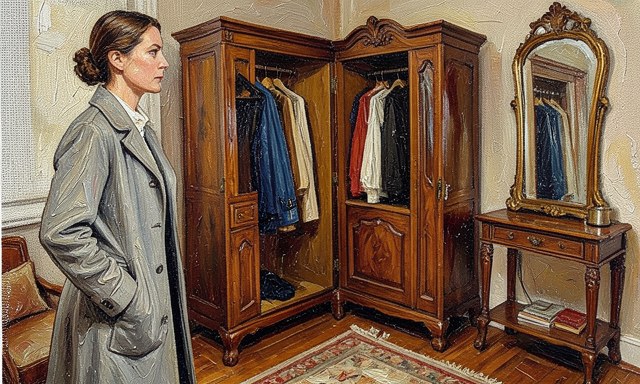
Set a target number of items
Set a target number of items. Choose a realistic total, such as 30 to 40 pieces including shoes and outerwear, and treat it as a limit rather than a quota. A defined size forces better choices and keeps the wardrobe easy to scan. Browse all illustrated guides or the Personal Care and Style category for more.
 Howcompass
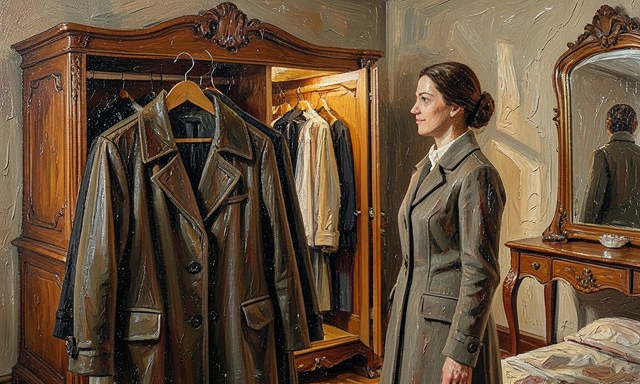
List the versatile tops and bottoms
List the versatile tops and bottoms. Write down the plain shirts, tees, trousers and skirts that can each pair with several others. Favour simple shapes and good fabric over detail, because plain pieces do the most mixing work.
 Howcompass
Choose one outer layer
Choose one outer layer. Pick a single coat or jacket that suits most of your year and goes with the palette. One dependable outer layer is worn far more often than three that each only work in one season.
 Howcompass
Pick shoes that go with everything
Pick shoes that go with everything. Choose one or two pairs in a neutral colour that work with most outfits and are comfortable enough for real days. Shoes quietly decide whether an outfit works, so it is worth spending care here. Related on Howcompass: start a meditation practice.
Phase 3 — Fill the Gaps, Slowly
 Howcompass
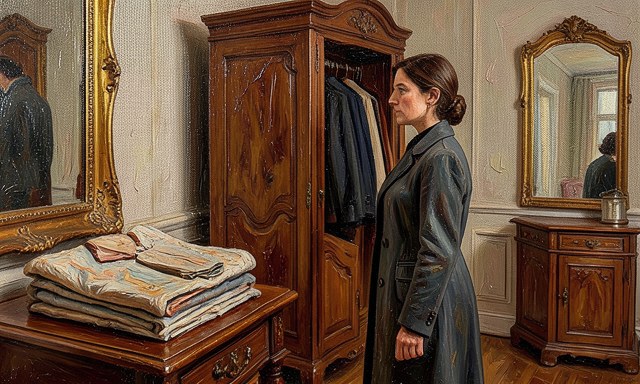
Turn your gaps into a written list
Turn your gaps into a written list. Convert the missing items into a short, ordered list with the colour and fabric you want for each. Shopping from a list turns a browse into a search and keeps impulse buys out of the wardrobe. For the primary source behind this phase, see Psychology Today.
 Howcompass
Buy only one item at a time
Buy only one item at a time. Add a single new piece, live with it for a couple of weeks and see which outfits it actually improves. Slow buying lets you notice a wrong choice before it becomes five wrong choices.
 Howcompass
Prioritise fabric and fit over trend
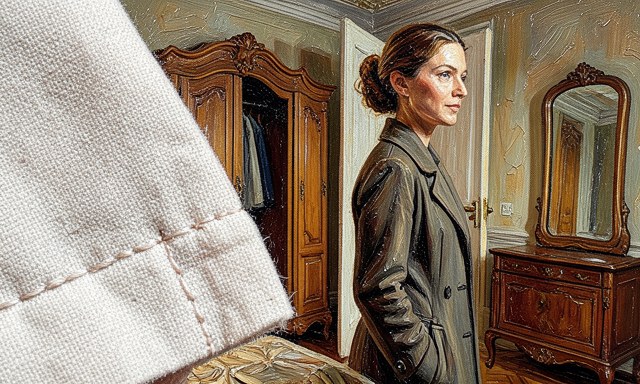
Prioritise fabric and fit over trend. Choose natural or breathable fabric and a fit you can move in, since these decide whether a piece survives years of wear. A well-fitting plain garment outlasts several trend-led ones you tire of quickly.
 Howcompass
Test each new item against what you own
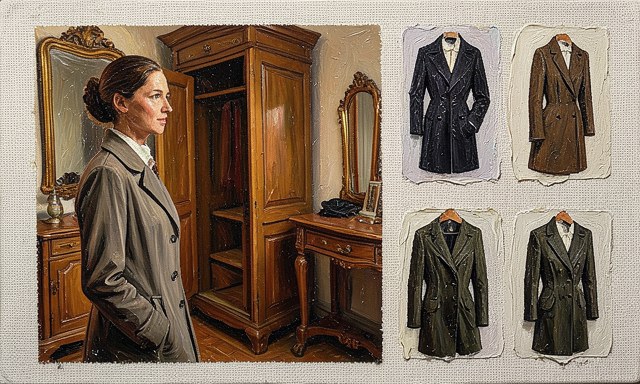
Test each new item against what you own. Before keeping a purchase, pair it with at least three existing pieces you already like wearing. If it only works with something else you would also have to buy, it is not filling a gap — it is creating one.
 Howcompass
Apply the ten-outfit test
Apply the ten-outfit test. Try to build at least ten distinct outfits from the core pieces on your list. If the number is low, you need a couple of versatile connectors, not another statement piece.
 Howcompass
Tailor a good piece rather than replace it
Tailor a good piece rather than replace it. A hem, a taken-in waist or new buttons can turn an almost-right garment into one you wear constantly. Mending and tailoring are usually cheaper than buying again and keep well-made clothes in use.
 Howcompass
Store off-season pieces separately
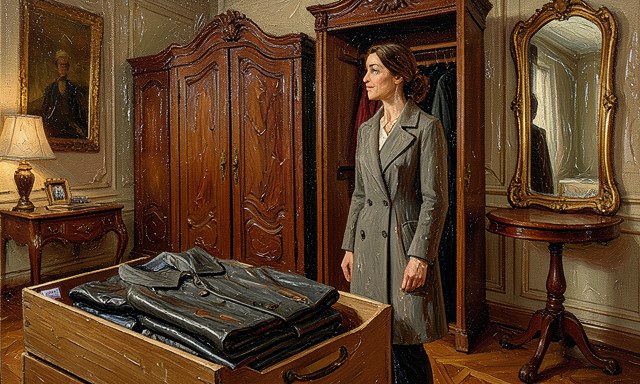
Store off-season pieces separately. Pack away out-of-season clothing in labelled boxes so the active wardrobe stays small and visible. What you can see at a glance is what you will actually wear. Related on Howcompass: have a difficult conversation.
Phase 4 — Wear, Maintain and Review
 Howcompass
Start a simple outfit log
Start a simple outfit log. For three weeks, jot down what you wore each day and note any outfit that felt especially easy. The log shows which pieces earn their place and which keep being passed over. For the primary source behind this phase, see TED — talks and ideas.
 Howcompass
Rotate pieces to spread the wear
Rotate pieces to spread the wear. Alternate similar items rather than wearing one favourite repeatedly, allowing fabric and elastic to recover between wears. Rotation makes a small wardrobe last noticeably longer.
 Howcompass
Follow a one-in, one-out rule
Follow a one-in, one-out rule. When a new piece comes in, let a similar worn or unworn one leave. This keeps the total near your target and stops the capsule quietly expanding back to a crowded wardrobe.
 Howcompass
Care for fabrics between wears
Care for fabrics between wears. Brush, air and spot-clean garments before putting them away, and wash only when needed using the care label. Gentle, less frequent washing preserves shape and colour far better than constant laundering.
 Howcompass
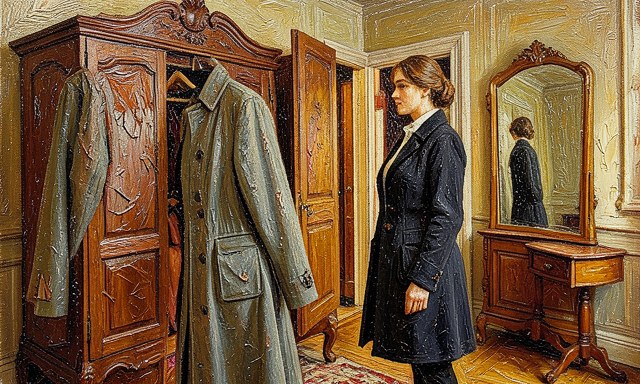
Re-audit every six months
Re-audit every six months. Empty the wardrobe again twice a year and repeat the keep, donate, repair sort. A regular review catches fit and lifestyle changes before unused clothes accumulate again.
 Howcompass
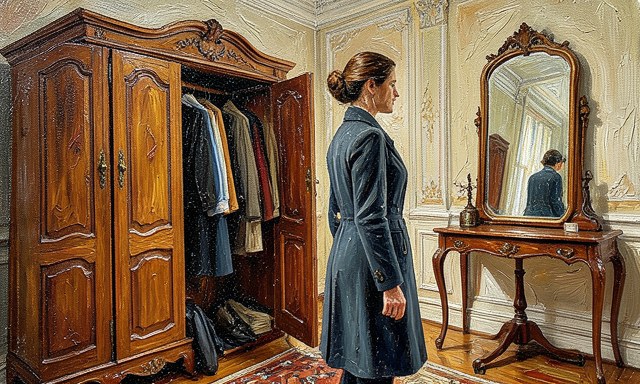
Note what never got worn
Note what never got worn. Set aside any piece the log shows you ignored and ask why — wrong fit, uncomfortable fabric or wrong colour. That answer tells you what to avoid buying next time.
 Howcompass
Adjust the palette as life changes
Adjust the palette as life changes. A new job, a move or a change in climate may call for a different mix, and the capsule should follow. Change the rule deliberately by editing the palette, not by adding random pieces. Related on Howcompass: start a meditation practice.
Frequently Asked Questions
Question: How many pieces should a capsule wardrobe have?
A common starting range is 30 to 40 items including shoes, tops, bottoms, layers and outerwear, but the right number depends on your life and laundry routine. Aim for a wardrobe you can see at a glance, and adjust rather than hitting an exact figure.
Question: Do I have to donate most of my clothes?
No. Start with the pieces you already wear and love, then donate only items that do not fit, are damaged beyond repair or have gone unworn for a year. A capsule is built gradually, not by a single dramatic clear-out.
Question: Can a capsule wardrobe work with children or a messy job?
Yes — define the dress code around reality and include durable, washable pieces for the parts of your week that need them. A capsule is about pieces that work together, not about a pristine or formal lifestyle.
Warnings
- Shopping before auditing: Buying new pieces first simply adds to the clutter you were trying to fix. Empty the wardrobe, find your real patterns and name the gaps before spending anything, and you will need far fewer new clothes.
- Choosing a palette you do not like: A capsule you find dull will be abandoned within a month. Build the palette around colours and shapes you already reach for, so nearly everything you own already works together.
- Treating the number as a rule: The target count is a tool for making decisions, not a test to pass. A capsule should reflect your actual life, so keep the pieces that earn their place and ignore a number that forces you to give them up.
Related Howcompass Guides



References (4)
- Good Housekeeping — home and stylegoodhousekeeping.com
- American Academy of Dermatologyaad.org
- Psychology Todaypsychologytoday.com
- TED — talks and ideasted.com
Sources are listed so you can read the underlying guidance yourself. Our editorial policy explains how guides are reviewed.
Did this article help you?
0 readers found this helpful — add your vote.
No comments yet — be the first to share your results.