How to Have a Difficult Conversation (Step by Step)
A guide to Phase 1 — Prepare Before You Speak, Phase 2 — Open Without Putting Them on the Defensive, Phase 3 — Work Through the Issue Together, Phase 4 — Close Clearly and Follow Through
A hard conversation usually goes better when you decide what matters before emotions take over. This guide walks through 28 concrete steps, from naming the single issue and a fair outcome to opening with an 'I' statement and closing on one agreed next step. We separate behaviour from character, listen for the need underneath the position, and slow down when the temperature rises. Handled this way, one careful conversation can replace months of quiet avoidance. Browse all illustrated guides or the Relationships category for more illustrated walkthroughs on Howcompass.
How do you have a Difficult Conversation (Step by Step)?
 Howcompass | How to Have a Difficult Conversation (Step by Step)
Phase 1 — Prepare Before You Speak
HowcompassName the single issue you need to raise
Name the single issue you need to raise. Write it as one specific, observable sentence — 'we have missed three agreed deadlines', not 'you never care'. A narrow issue can be discussed; a list of accumulated grievances turns into an argument about character. For the primary source behind this phase, see The Gottman Institute — relationships.
 Howcompass
Decide what a good outcome would look like
Decide what a good outcome would look like. Describe a result you would genuinely accept, such as an agreed schedule or a shared plan for the next month. Knowing your goal keeps you aiming at a solution instead of replaying the past.
 Howcompass
Check your facts and set assumptions aside
Check your facts and set assumptions aside. Separate what you directly saw or heard from what you inferred about intent. Opening with assumptions invites defensiveness, while concrete facts give both of you something real to work with.
 Howcompass
Write the one thing you must say
Write the one thing you must say. Distil your point into a single sentence you can deliver calmly even if the conversation gets tense. Having it written means you will not lose the core message when adrenaline rises.
 Howcompass
Choose a private, unhurried time
Choose a private, unhurried time. Pick a moment with enough space that neither of you needs to leave, and avoid throwing it at someone as they walk out the door. Rushed conversations produce defensive, half-finished answers rather than understanding.
 Howcompass
Pick a neutral setting
Pick a neutral setting. Sit somewhere both of you are comfortable, ideally not at someone's desk or in a space tied to the conflict. Neutral ground lowers the sense of being cornered and makes listening easier.
 Howcompass
Decide your tone before you begin
Decide your tone before you begin. Commit to a calm, curious tone and notice your pace and volume as you start. Tone is often remembered longer than the words, and a steady delivery gives the other person room to stay engaged. Related on Howcompass: pack a carry-on for two weeks.
Phase 2 — Open Without Putting Them on the Defensive
 Howcompass
Ask permission to talk
Ask permission to talk. Open with something like 'Is now a good time to discuss something important?' A quick check shows respect and gives them a chance to choose a better moment, which already changes the power dynamic. For the primary source behind this phase, see American Psychological Association.
 Howcompass
State your intention, not an accusation
State your intention, not an accusation. Say what you want from the talk — 'I want us to find a way that works for both of us'. An intention signals that this is a shared problem rather than a verdict being delivered.
 Howcompass
Use 'I' statements about your experience
Use 'I' statements about your experience. Frame the impact as yours: 'I felt left out when the decision was made without me'. 'I' statements describe reality without blaming, so the other person can respond instead of defending.
 Howcompass
Describe the behaviour, not the person
Describe the behaviour, not the person. Refer to what happened on a specific occasion rather than labelling a character trait. 'The report was two weeks late' invites a solution; 'you are unreliable' invites a fight. Browse all illustrated guides or the Relationships category for more.
 Howcompass
Pause and ask for their view
Pause and ask for their view. Stop after your opening and ask 'How did you see it?' Then stay quiet and let the silence do its work. A genuine pause tells them this is a two-way conversation, not a speech they must endure.
 Howcompass
Listen to understand, not to reply
Listen to understand, not to reply. Focus on what their words mean rather than drafting your rebuttal while they speak. Most people will soften and share more honestly once they feel they have actually been heard.
 Howcompass
Reflect back what you heard
Reflect back what you heard. Summarise their point in your own words — 'So the deadline moved because the client changed scope, is that right?' Accurate reflection confirms understanding and lets them correct you before the gap grows. Related on Howcompass: create a relationship quiz.
Phase 3 — Work Through the Issue Together
 Howcompass
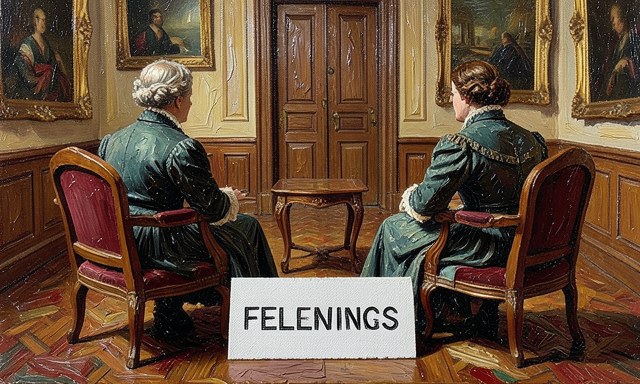
Ask one open question at a time
Ask one open question at a time. Use questions that begin with what, how or when, and wait for the answer before asking the next. One question at a time keeps the conversation explorable rather than feeling like an interrogation. For the primary source behind this phase, see Psychology Today.
 Howcompass
Name the emotion without blaming
Name the emotion without blaming. Say 'I was frustrated' or 'I felt anxious' and give the feeling a moment of space. Naming emotion lowers its intensity and gives the other person something human to respond to.
 Howcompass
Find the need beneath the position
Find the need beneath the position. Look for the interest behind each stance — a demand for more hours may really be a need for predictability. Needs can often be met in several ways, whereas fixed positions tend to deadlock.
 Howcompass
Acknowledge the valid points they make
Acknowledge the valid points they make. Concede something real: 'You are right that I did not flag the change early.' Recognition is not surrender, and it makes it safer for them to acknowledge your concerns in return.
 Howcompass
Slow the pace when voices rise
Slow the pace when voices rise. Lower your volume and speak more slowly rather than matching their intensity. A calmer pace is contagious and interrupts the escalation that makes people stop listening altogether.
 Howcompass
Take a break if it starts going in circles
Take a break if it starts going in circles. Call a pause of ten or twenty minutes when the same point keeps repeating, and agree to come back at a set time. A short break lets the body settle and often breaks a loop that no amount of replaying will solve.
 Howcompass
Return to the shared goal
Return to the shared goal. Bring the focus back to what you both want — a working relationship, a clear plan, trust rebuilt. Shared goals remind you that you are on the same side of the problem, not opposite sides of a win. Related on Howcompass: pack a carry-on for two weeks.
Phase 4 — Close Clearly and Follow Through
 Howcompass
Summarise what you both agreed
Summarise what you both agreed. Recite the main points back in plain language and check that they match what the other person understood. A shared summary prevents two people leaving with two different versions of the same talk. For the primary source behind this phase, see USA.gov — official U.S. government services.
 Howcompass
Agree on one concrete next step
Agree on one concrete next step. Turn goodwill into a specific action with an owner and a date, such as 'we both send the revised schedule by Friday'. A single clear step is far more likely to happen than five vague intentions.
 Howcompass
Set a time to revisit
Set a time to revisit. Put a short check-in on the calendar, perhaps two weeks out, to see how the change is working. A planned review stops old patterns from quietly returning and gives you a low-stakes place to adjust.
 Howcompass
Thank them for being honest
Thank them for being honest. End by acknowledging the effort it took to talk openly, even if the issue is not fully resolved. Gratitude leaves the relationship stronger and makes the next hard conversation easier to start.
 Howcompass
Write down the agreement
Write down the agreement. Send a short, factual note recording what you both committed to and when. A written record is a reference point for the check-in, not a weapon — keep the tone warm and brief.
 Howcompass
Do your part first
Do your part first. Follow through on your own commitment promptly, without waiting for the other person to move. Your action demonstrates good faith and often makes it easier for them to keep theirs.
 Howcompass
Check in at the agreed time
Check in at the agreed time. At the scheduled review, ask what is working and what needs adjusting, and listen again. Treating the follow-up as routine turns one difficult conversation into a habit of handling things early. Related on Howcompass: create a relationship quiz.
Frequently Asked Questions
Question: When is the best time to have the conversation?
Choose a calm, private moment when neither of you is rushed, tired or already angry, and ask whether it is a good time before you begin. If emotions are running high, agree on a specific later time rather than forcing it now.
Question: What if the other person gets defensive?
Slow down, return to 'I' statements and the specific behaviour, and acknowledge something valid in what they say. Defensiveness usually eases once the person feels you are not attacking who they are.
Question: What if we cannot reach an agreement?
You may not resolve everything in one sitting, and that is acceptable. Agree on one small next step, set a time to revisit, and consider involving a neutral mediator or counsellor if the pattern keeps repeating.
Warnings
- Raising a list of grievances: Bringing years of unrelated complaints at once overwhelms the other person and buries the issue you most need to resolve. Choose one specific matter, deal with it well, and leave the rest for another time.
- Starting with 'you always': Absolute accusations about character invite defensiveness and send the talk straight into conflict. Describe a particular behaviour and its impact using 'I' statements, so there is something concrete to discuss.
- Talking more than listening: A conversation you dominate may feel productive to you but leaves the other person unheard and unlikely to change. Ask one open question, then pause long enough to actually understand the answer.
Related Howcompass Guides




References (4)
- The Gottman Institute — relationshipsgottman.com
- American Psychological Associationapa.org
- Psychology Todaypsychologytoday.com
- USA.gov — official U.S. government servicesusa.gov
Sources are listed so you can read the underlying guidance yourself. Our editorial policy explains how guides are reviewed.
Did this article help you?
0 readers found this helpful — add your vote.
No comments yet — be the first to share your results.