How to Start a Meditation Practice (Step by Step)
A guide to Phase 1 — Choose a Method and Set the Conditions, Phase 2 — Learn the Basic Sit, Phase 3 — Make the Habit Stick, Phase 4 — Deepen the Practice and Solve Problems
You do not need to clear your mind to meditate; you need a simple method and a habit that survives busy weeks. This guide builds both in 28 concrete steps, from choosing one technique and a fixed time to handling a wandering mind without frustration. We start with five minutes and grow slowly, because consistency matters far more than the length of any single sit. Follow the order and you will have a practice you can keep for years rather than a phase that fades after a fortnight. Browse all illustrated guides or the Philosophy and Religion category for more illustrated walkthroughs on Howcompass.
How do you start a Meditation Practice (Step by Step)?
 Howcompass | How to Start a Meditation Practice (Step by Step)
Phase 1 — Choose a Method and Set the Conditions
HowcompassWrite one honest reason for practising
Write one honest reason for practising. Name a concrete aim such as 'respond calmly at work' or 'sleep better', rather than a vague wish to be mindful. A specific reason gives you something to return to on the mornings when motivation disappears. For the primary source behind this phase, see American Psychological Association.
 Howcompass
Pick a single technique to begin with
Pick a single technique to begin with. Choose one anchor — the breath, a body scan or a simple mantra — and stay with it for a few weeks. Switching methods constantly keeps you a beginner at all of them; one anchor is enough to learn the basic skill.
 Howcompass
Set a realistically short starting duration
Set a realistically short starting duration. Begin with five minutes, not the twenty minutes you imagine a 'real' session should last. A short sit you actually complete daily teaches far more than a long one you abandon by day three.
 Howcompass
Choose the same time every day
Choose the same time every day. Attach the sit to a fixed point such as just after waking or right after brushing your teeth. A regular time removes the daily decision of when to practise, which is where most new habits quietly fail.
 Howcompass
Pick a quiet, consistent spot
Pick a quiet, consistent spot. Use the same corner or room where you are unlikely to be interrupted, and silence notifications before you sit. A familiar place becomes a cue that helps the mind settle faster each time.
 Howcompass
Set a cushion so the hips sit level
Set a cushion so the hips sit level. Sit on the front edge of a cushion with the knees slightly below the hips, so the spine can rise naturally without strain. Comfort matters: an aching back is a distraction you will fight for the whole sit.
 Howcompass
Set a gentle timer
Set a gentle timer. Use a soft bell or a quiet timer rather than an alarm that jolts you at the end. Knowing the length is handled lets you stop watching the clock and actually pay attention. Related on Howcompass: create a relationship quiz.
Phase 2 — Learn the Basic Sit
 Howcompass
Sit with a tall but relaxed spine
Sit with a tall but relaxed spine. Lengthen through the crown of the head, then let the shoulders drop and the belly soften. The posture is alert without being rigid — slumping invites sleep, while bracing creates tension. For the primary source behind this phase, see Stanford Encyclopedia of Philosophy.
 Howcompass
Rest your hands and soften your jaw
Rest your hands and soften your jaw. Lay the hands palms-down on the thighs or folded in the lap, and unclench the jaw and tongue. These small releases signal to the body that the next few minutes are not a task to brace against.
 Howcompass
Take three slow breaths
Take three slow breaths. Inhale for a comfortable count of four, exhale for six, and let the shoulders fall on each out-breath. A slightly longer exhale settles the nervous system and marks the shift from doing to being.
 Howcompass
Choose one place to rest attention
Choose one place to rest attention. Settle on a single anchor, such as the sensation of air at the nostrils or the rise and fall of the chest. Keep it in one place for the whole sit instead of following whichever sensation is most interesting. Browse all illustrated guides or the Philosophy and Religion category for more.
 Howcompass
Notice when the mind has drifted
Notice when the mind has drifted. Sooner or later you will be planning dinner or replaying a conversation, and that noticing is the practice itself. Recognising the drift is the moment of awareness you are training, not a mistake to undo.
 Howcompass
Label the distraction gently
Label the distraction gently. Silently note the kind of thought — 'planning', 'worrying', 'remembering' — in one word. Labelling names the experience without chasing its content, which makes it easier to let go.
 Howcompass
Return to the anchor without judgement
Return to the anchor without judgement. Bring attention back to the breath as often as it wanders, calmly and without scolding yourself. Each return is a repetition that strengthens the habit, so a busy mind is not a failed session. Related on Howcompass: have a difficult conversation.
Phase 3 — Make the Habit Stick
 Howcompass
Attach the sit to an existing habit
Attach the sit to an existing habit. Place your cushion where you will see it right after an action you already do daily, like making tea. Linking a new behaviour to an established one uses a route your day already follows. For the primary source behind this phase, see Psychology Today.
 Howcompass
Keep the first week to five minutes
Keep the first week to five minutes. Resist the urge to extend early; the goal at this stage is seven completed days, not impressive sessions. Frequency builds the identity of 'someone who meditates' before length ever matters.
 Howcompass
Practise at the same clock time daily
Practise at the same clock time daily. Show up at the chosen hour even if the session feels dull or restless. Repeating at a fixed time turns the practice from a decision into part of the routine, like brushing your teeth.
 Howcompass
Track sessions on a simple calendar
Track sessions on a simple calendar. Put a small tick on each day you sit, and aim not to break the chain. A visible record is quietly motivating and shows a pattern you can adjust if certain days keep failing.
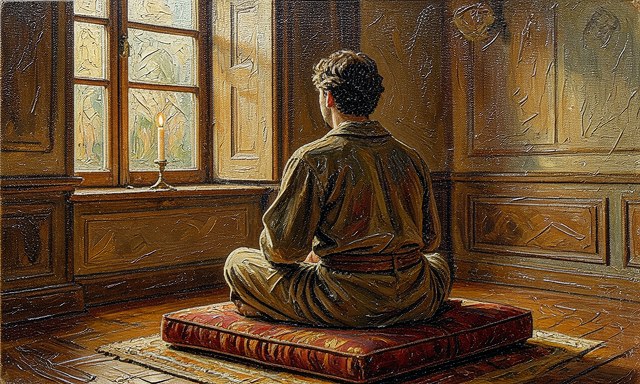 Howcompass
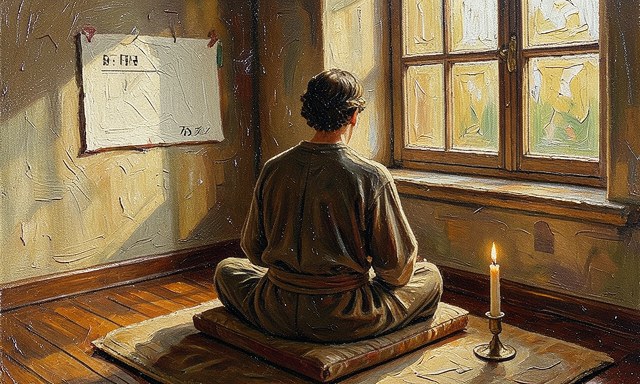
Plan a one-minute version for busy days
Plan a one-minute version for busy days. Decide in advance that a single mindful minute still counts on travel or chaotic mornings. Keeping the chain alive matters more than the dose, and the full sit can return the next day.
 Howcompass
Forgive a missed day and resume
Forgive a missed day and resume. If you skip a day, simply sit the next one — never compensate with a long session or give up. A missed day is a normal gap; treating it as failure is what actually ends most practices.
 Howcompass
Tell one person about your goal
Tell one person about your goal. Mention your intention to a friend and, if you like, agree a brief weekly check-in. A light social commitment makes it easier to keep going when the novelty wears off. Related on Howcompass: create a relationship quiz.
Phase 4 — Deepen the Practice and Solve Problems
 Howcompass
Add one minute each week
Add one minute each week. Once five minutes feels comfortable, increase by a single minute weekly toward ten or fifteen. Slow growth avoids the strain that makes people quit, and a longer sit becomes possible almost unnoticed. For the primary source behind this phase, see NHS — Live Well.
 Howcompass
Add a short body scan
Add a short body scan. After settling, move attention slowly from the feet to the head, noticing sensation without trying to change it. A body scan gives a busy mind something concrete to follow and releases stored tension.
 Howcompass
Bring attention into daily moments
Bring attention into daily moments. Practise feeling one full breath while washing a cup or waiting at a door. These brief pauses carry the skill off the cushion and into the moments where you most need a steadier response.
 Howcompass
Try a short walking practice
Try a short walking practice. Walk slowly for three minutes, feeling each foot lift, move and land, and return to the steps when the mind wanders. Walking suits days when sitting still feels restless and shows that mindfulness is not tied to a cushion.
 Howcompass
Shorten the sit when you feel restless
Shorten the sit when you feel restless. If agitation makes a ten-minute sit a struggle, drop back to three calm minutes and rebuild. Working with your current state beats forcing a length that turns the practice into a fight.
 Howcompass
Sit earlier when you keep getting sleepy
Sit earlier when you keep getting sleepy. Drowsiness often means the time clashes with tiredness, so move the sit to earlier in the day or open the curtains. A little light and a brighter room help you stay alert without effort.
 Howcompass
Know when to seek guidance
Know when to seek guidance. If practice consistently brings intense distress or a teacher feels useful, look for an experienced local instructor or a reputable course. Guidance can adapt the method to you and keep the practice safe and steady. Related on Howcompass: have a difficult conversation.
Frequently Asked Questions
Question: How long before I notice any benefit?
Many people report feeling slightly steadier after a couple of weeks of regular short sits, though research varies and effects are gradual. Treat the first month as habit-building rather than a search for a dramatic shift.
Question: Do I need to sit cross-legged on the floor?
No. Sit on a chair with both feet flat, or on a cushion with the hips raised and the knees supported. The goal is a spine that is tall and at ease, not a particular-looking pose.
Question: What should I do when I fall asleep?
Open the eyes a little, sit more upright and try a slightly earlier time or a brighter room. If sleepiness persists, shorten the sit and check whether you are simply getting too little sleep overall.
Warnings
- Trying to stop thinking: The mind produces thoughts the way the heart beats; trying to empty it only creates a second, stressful task. The skill is noticing a thought and returning to the anchor, as many times as it takes.
- Starting with twenty minutes: An ambitious first session usually ends in fidgeting and a story that meditation 'does not work' for you. Begin with five minutes you can finish daily and extend only once that feels easy.
- Judging a session as good or bad: A restless sit is not a failure and a calm one is not an achievement. Both are just practice; measuring sessions by how peaceful they felt makes you chase an outcome instead of building the habit.
Related Howcompass Guides



References (4)
- American Psychological Associationapa.org
- Stanford Encyclopedia of Philosophyplato.stanford.edu
- Psychology Todaypsychologytoday.com
- NHS — Live Wellnhs.uk
Sources are listed so you can read the underlying guidance yourself. Our editorial policy explains how guides are reviewed.
Did this article help you?
0 readers found this helpful — add your vote.
No comments yet — be the first to share your results.