How to House-Train a Puppy (Step by Step for Beginners)
A guide to Phase 1 — Set Up Before the Puppy Arrives, Phase 2 — Run a Strict Potty Routine, Phase 3 — Add Independence and a Reliable Cue, Phase 4 — Troubleshoot and Keep It Reliable
House-training is mostly a schedule, not a battle of wills — a young puppy physically cannot hold it as long as an adult dog. This guide sets out 27 steps, from arranging a safe, easy-to-clean space to fading treats into occasional praise. Everything here is built on taking the puppy to the same spot at predictable moments and rewarding within seconds, with no punishment for accidents. Keep the routine for the first month and you will see the pattern change the moment you stop guessing and start anticipating. Browse all illustrated guides or the Pets and Animals category for more illustrated walkthroughs on Howcompass.
How do you house-Train a Puppy (Step by Step for Beginners)?
 Howcompass | How to House-Train a Puppy (Step by Step for Beginners)
Phase 1 — Set Up Before the Puppy Arrives
HowcompassChoose one consistent outdoor potty spot
Choose one consistent outdoor potty spot. Pick a quiet patch of grass you can reach in any weather and always use that exact place. Repeated visits build a scent marker that tells the puppy where to go. For the primary source behind this phase, see ASPCA — pet care and adoption.
 Howcompass
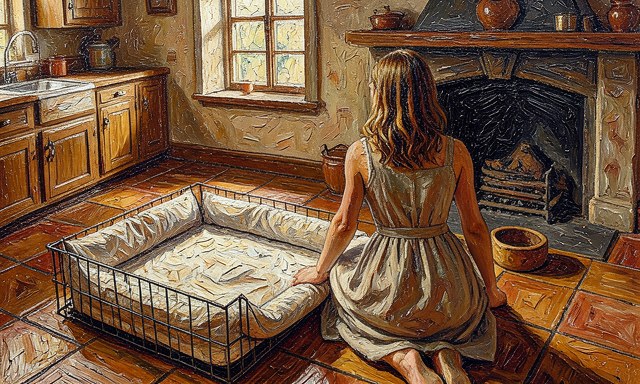
Set up a crate as a safe den
Set up a crate as a safe den. Choose a crate just big enough for the puppy to stand, turn and lie down, with a washable pad inside. An oversized crate lets one corner become a toilet, which undoes the training.
 Howcompass
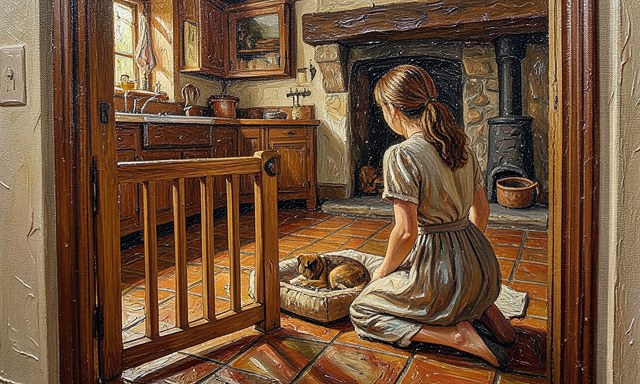
Confine the puppy to easy-to-clean rooms
Confine the puppy to easy-to-clean rooms. Use a baby gate to block off tiled or flagged areas and keep the puppy away from carpets, cables and sharp furniture. Limiting space prevents silent accidents behind the sofa.
 Howcompass
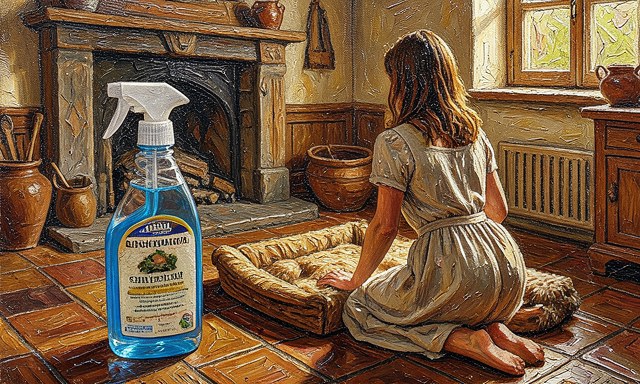
Buy an enzymatic cleaner, not bleach
Buy an enzymatic cleaner, not bleach. Enzyme cleaner breaks down the ammonia in urine that draws a puppy back to the same spot. Bleach and ammonia-based products leave a similar smell and can make the problem worse.
 Howcompass
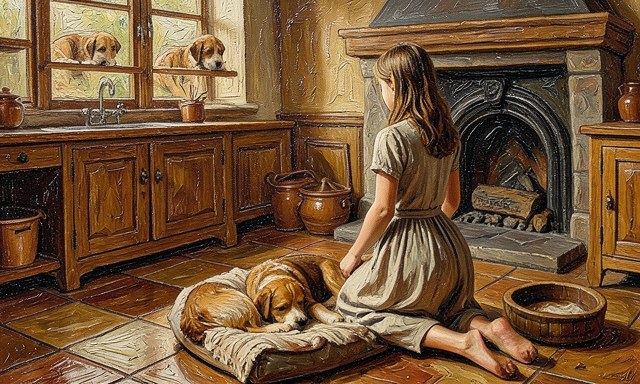
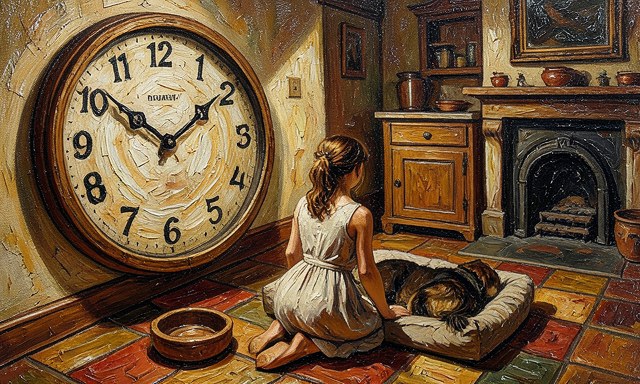
Learn when puppies need to go
Learn when puppies need to go. An eight-week-old can rarely wait more than two hours, and the urge is strongest just after waking, eating or excited play. Expecting adult bladder control so young only guarantees accidents.
 Howcompass
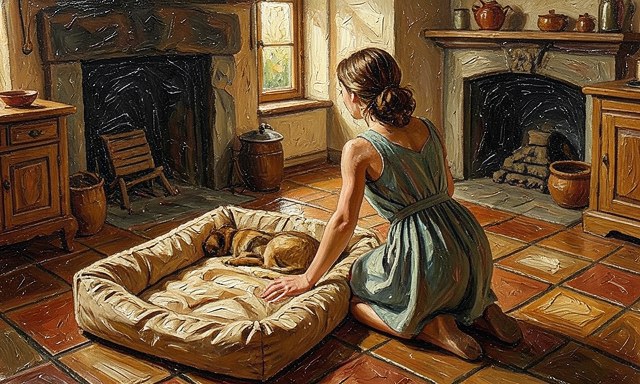
Plan a break every two hours
Plan a break every two hours. Set outings for first thing, after every meal, after naps and before bed, roughly every two hours at the start. A useful guide is the puppy's age in months plus one as the maximum hours it can wait.
 Howcompass
Choose one short cue word
Choose one short cue word. Pick a simple phrase such as go potty and use the same words every single trip. A consistent cue becomes a signal the puppy will eventually learn to act on. Related on Howcompass: write a resume that gets read.
Phase 2 — Run a Strict Potty Routine
 Howcompass
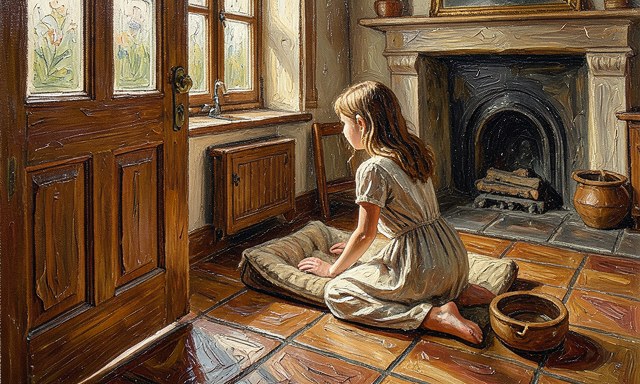
Follow the schedule without skipping
Follow the schedule without skipping. Take the puppy out at each planned moment, especially within 10 to 30 minutes of a meal and immediately after a nap. Reliability comes from never leaving success to chance. For the primary source behind this phase, see RSPCA — animal welfare advice.
 Howcompass
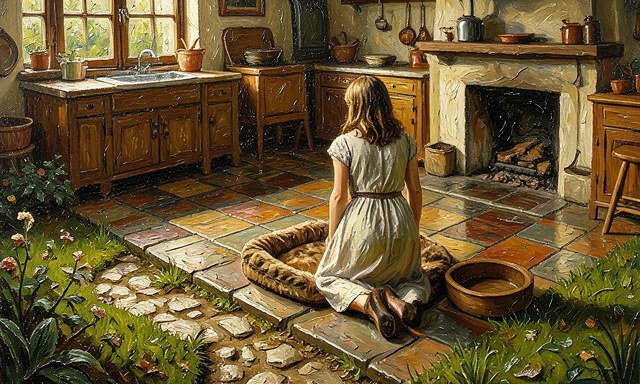
Go to the same spot every trip
Go to the same spot every trip. Walk the same short route to the same patch of grass each time, even when it is inconvenient. Repeating the location and the path strengthens the connection faster than variety.
 Howcompass
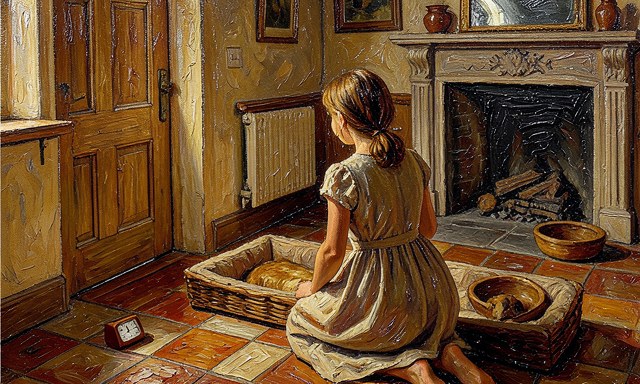
Wait quietly for up to five minutes
Wait quietly for up to five minutes. Stand still and calm at the spot, giving the puppy five minutes with no play or fuss. If nothing happens, go back inside and try again shortly rather than turning the outing into a game.
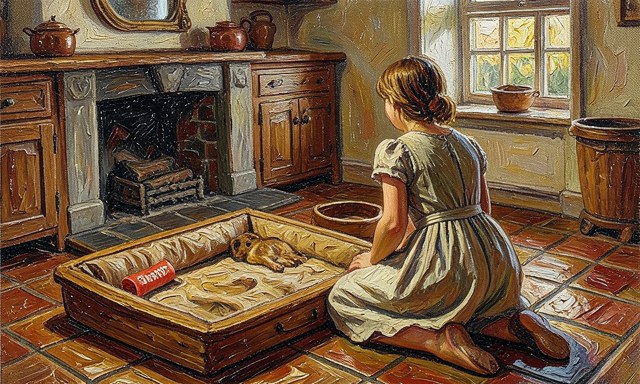 Howcompass
Reward within three seconds of finishing
Reward within three seconds of finishing. The instant the puppy finishes, praise warmly and offer one tiny treat. Rewarding that quickly is what links the praise to the act; a treat given minutes later teaches nothing. Browse all illustrated guides or the Pets and Animals category for more.
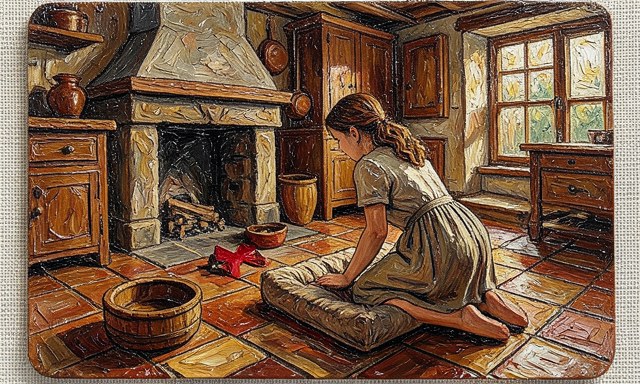 Howcompass
Never punish or rub their nose in it
Never punish or rub their nose in it. Scolding teaches a puppy to hide when it needs to go, often behind the sofa, which makes training far harder. Stay neutral, clean up and make the next trip a success.
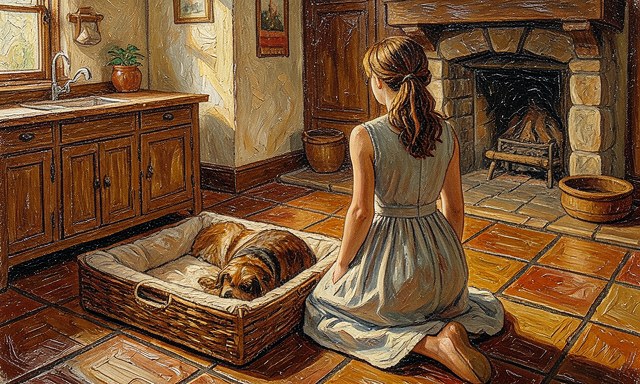 Howcompass
Interrupt gently if you catch them mid-act
Interrupt gently if you catch them mid-act. A soft clap or a quick gentle call can stop an accident already in progress; then carry the puppy to the proper spot. If they finish there, reward as usual so the lesson stays positive.
 Howcompass
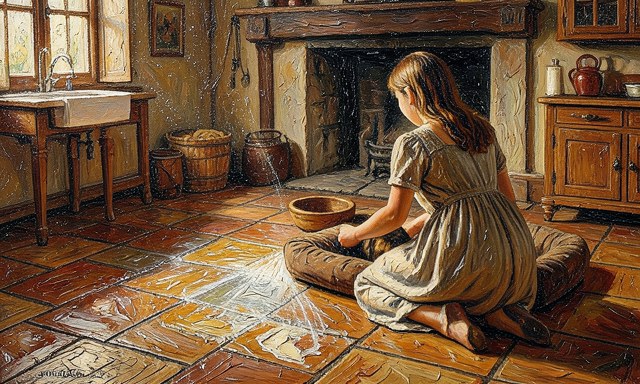
Clean every accident with enzyme cleaner
Clean every accident with enzyme cleaner. Soak the whole marked area so the smell is fully removed, not just the visible stain. Any residue left behind reads to the puppy as a sign that this is the toilet. Related on Howcompass: start strength training at home.
 Howcompass
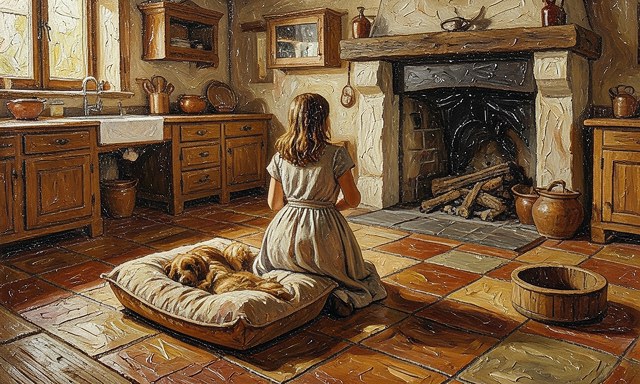
Log each accident to find the pattern
Log each accident to find the pattern. Jot down the time, the last meal or nap and what happened just before. After a few days the log shows which moments you need to anticipate rather than react to.
Phase 3 — Add Independence and a Reliable Cue
 Howcompass
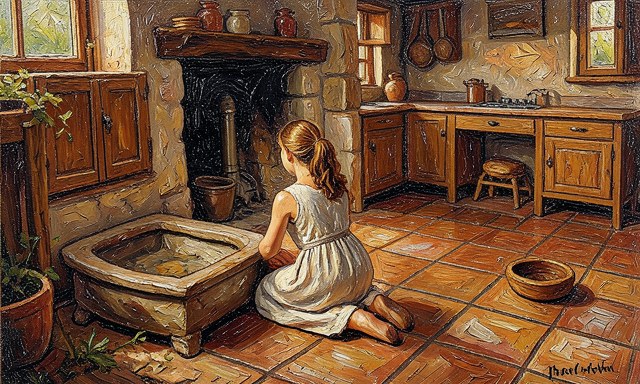
Say the cue word as they begin
Say the cue word as they begin. Use a quiet, consistent word at the moment the puppy starts, not before or long after. After enough repeats the word itself becomes a prompt to go. For the primary source behind this phase, see WebMD — health information.
 Howcompass
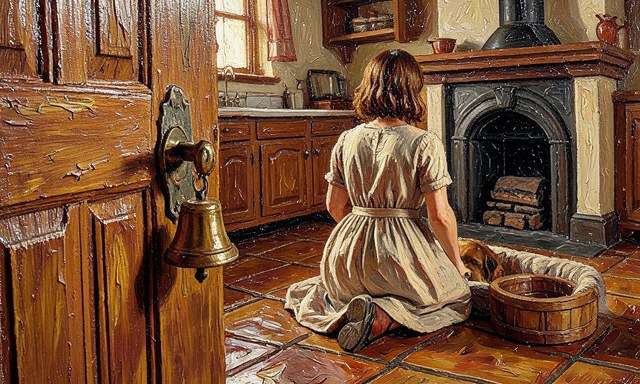
Teach a bell at the door
Teach a bell at the door. Hang a small bell low on the door and have the puppy touch it before each trip outside. Before long, ringing the bell becomes a way for them to tell you they need to go.
 Howcompass
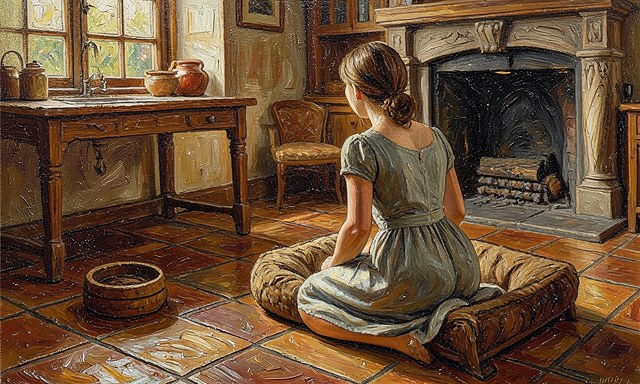
Watch for the signs before an accident
Watch for the signs before an accident. Circling, sniffing the floor, suddenly stopping play and heading for a corner usually mean the puppy needs out. Recognising these signs lets you act before the accident rather than after it.
 Howcompass
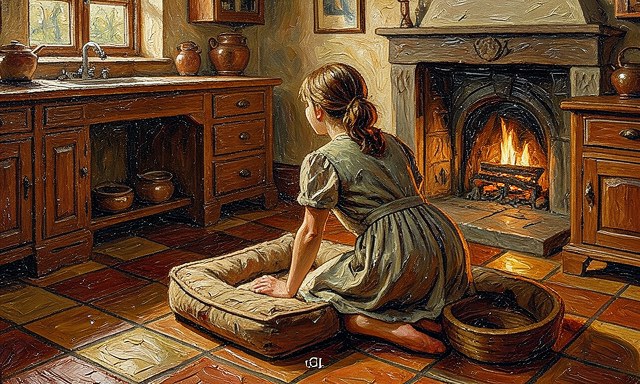
Add 15 minutes each clean week
Add 15 minutes each clean week. After a full week with no accidents, extend the gap between trips by about 15 minutes. Growing a puppy's bladder gradually avoids the setbacks that come from advancing too fast.
 Howcompass
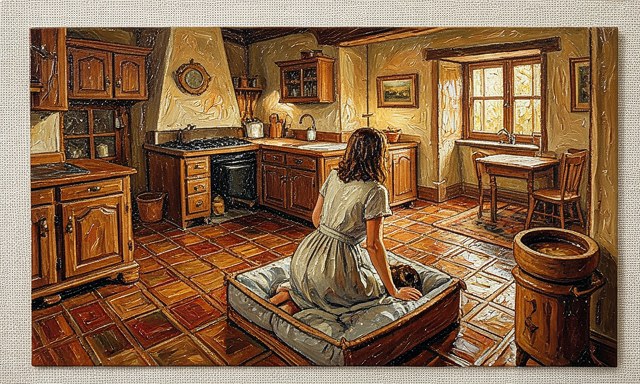
Grant more freedom only after a clean week
Grant more freedom only after a clean week. Once the routine is reliable, open up one extra room under supervision. If accidents return, quietly go back to the smaller area for a week and try again later.
 Howcompass
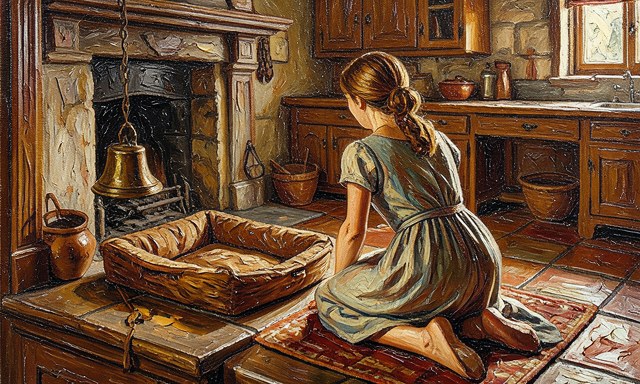
Reward calm waiting at the door
Reward calm waiting at the door. Pause before opening the door and ask for a sit or a moment of stillness, then reward it. This stops the puppy from turning every outing into a frantic dash across the room. Related on Howcompass: write a resume that gets read.
Phase 4 — Troubleshoot and Keep It Reliable
 Howcompass
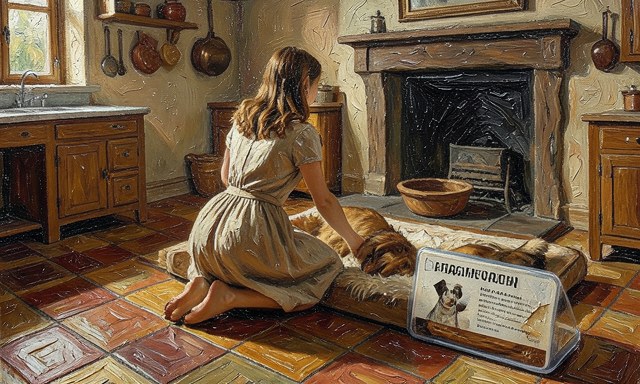
Rule out a medical cause first
Rule out a medical cause first. A sudden return to accidents, straining, frequent small urines or blood in the urine can signal an infection. Have a vet check before treating it as a behaviour problem. For the primary source behind this phase, see MedlinePlus — NIH health information.
 Howcompass
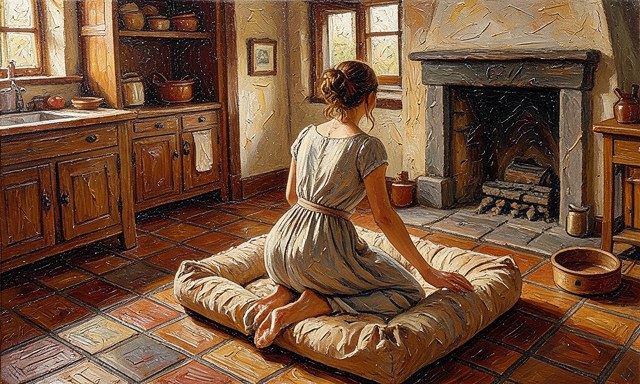
Step back after any setback
Step back after any setback. If accidents cluster again, you most likely expanded the time or the space too quickly. Return to the last interval that worked and rebuild the run of clean days.
 Howcompass
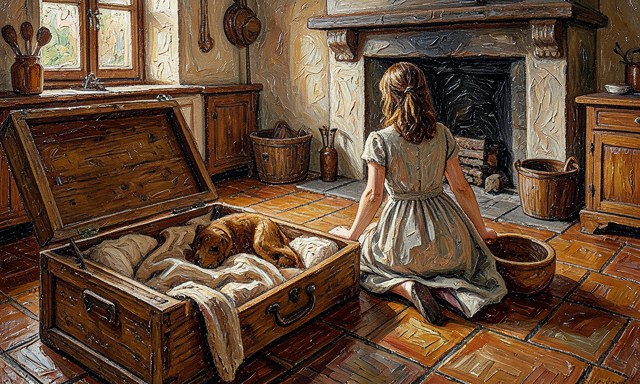
Keep the crate a positive place
Keep the crate a positive place. Leave a chew and a soft blanket inside and never send the puppy there as a punishment. A den that feels safe reduces anxiety and helps the puppy settle through the night.
 Howcompass
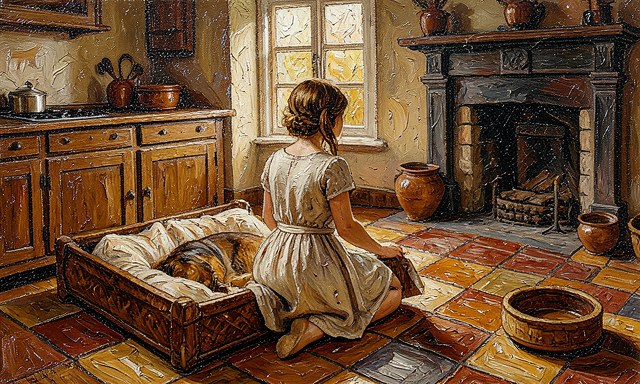
Hold the schedule for a full month
Hold the schedule for a full month. Keep the predictable trips in place for at least four weeks, even once the puppy seems to understand. Most puppies only gain dependable bladder control around four to six months.
 Howcompass
Fade treats into occasional praise
Fade treats into occasional praise. Once the behaviour is steady, offer praise every time and a treat only now and then. A variable reward keeps the habit strong without relying on food forever.
 Howcompass
Generalise slowly to new places
Generalise slowly to new places. On a first visit to a friend's home or a new setting, use a portable pad and keep the puppy in one room. Short, calm practice prevents the one-off accidents that come with a change of scene.
Frequently Asked Questions
Question: How long does house-training take?
Many puppies become reliable within a few weeks of a consistent routine, though full bladder control can take until four to six months. Keep the schedule steady rather than expecting adult control from an eight-week-old.
Question: Should I use puppy pads?
Pads can be useful in apartments, but mixing pads with outdoor trips can confuse the puppy about where to go. Pick one clear answer and be consistent; if you use pads, keep them in a single fixed place.
Question: Why did a trained puppy start having accidents?
A sudden change often points to a urinary infection or another health issue, so have a vet rule that out first. If it is behavioural, look for a change in routine or a step that was advanced too quickly.
Warnings
- Punishing accidents: Scolding or rubbing a puppy's nose in a mess teaches them to go where you cannot see, so clean it with an enzyme remover and reward the next success instead.
- Waiting too long between trips: A young puppy cannot hold it for hours, and expecting that only guarantees accidents, so follow a predictable schedule and go out after every sleep, meal and play session.
- Leaving old scent marks behind: Residual urine smell tells a puppy that a spot is the toilet, so use an enzymatic cleaner rather than bleach or ammonia to stop them returning to the same place.
Related Howcompass Guides




References (4)
- ASPCA — pet care and adoptionaspca.org
- RSPCA — animal welfare advicerspca.org.uk
- WebMD — health informationwebmd.com
- MedlinePlus — NIH health informationmedlineplus.gov
Sources are listed so you can read the underlying guidance yourself. Our editorial policy explains how guides are reviewed.
Did this article help you?
0 readers found this helpful — add your vote.
No comments yet — be the first to share your results.