How to Pack a Carry-On for Two Weeks (Step by Step)
A guide to Phase 1 — Check the Rules and Choose the Bag, Phase 2 — Build a Two-Week Capsule Wardrobe, Phase 3 — Fold and Pack Compact, Phase 4 — Keep Essentials Close and Check Before You Go
A two-week trip does not require a two-week wardrobe. This guide takes you through 28 concrete steps, from checking your airline's exact limits to weighing the finished bag. The core idea is a small capsule of mixable clothes plus one laundry stop, packed in cubes with documents and chargers kept close. Follow it once and you will travel lighter, skip the checked-bag queue, and still have the right thing to wear. Browse all illustrated guides or the Travel category for more illustrated walkthroughs on Howcompass.
How do you pack a Carry-On for Two Weeks (Step by Step)?
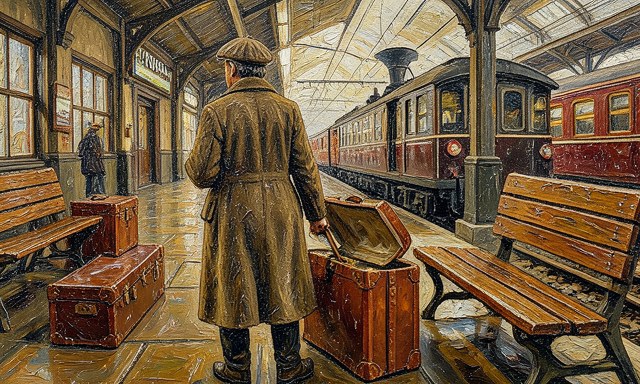 Howcompass | How to Pack a Carry-On for Two Weeks (Step by Step)
Phase 1 — Check the Rules and Choose the Bag
HowcompassConfirm your airline's size and weight limits
Confirm your airline's size and weight limits. Look up the exact carry-on dimensions and weight for every airline on your route, since budget carriers are often stricter. A bag that passes in one country can be rejected at the next gate. For the primary source behind this phase, see TSA — travel security and packing rules.
 Howcompass
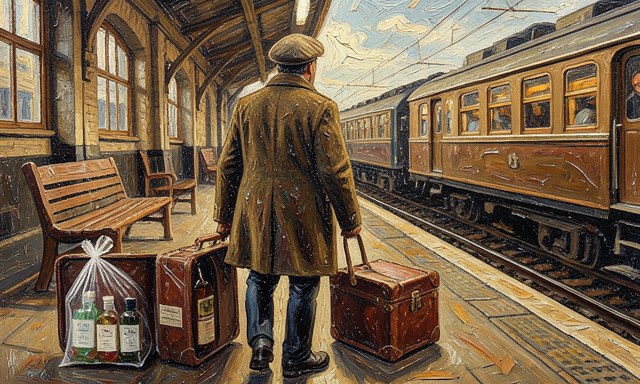
Learn the liquids rule for your route
Learn the liquids rule for your route. Check the current limit on liquids, gels and aerosols, such as containers of 100 ml or less in one transparent quart-size bag. Rules differ by country, so verify both your departure and transit airports.
 Howcompass
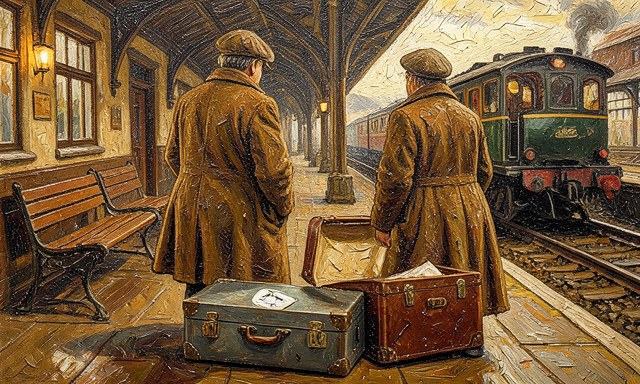
Weigh the empty bag first
Weigh the empty bag first. Put the empty suitcase on a scale and note its weight so you know your true packing budget. A heavy hard-shell case can eat a third of a strict seven-kilo allowance before you add anything.
 Howcompass
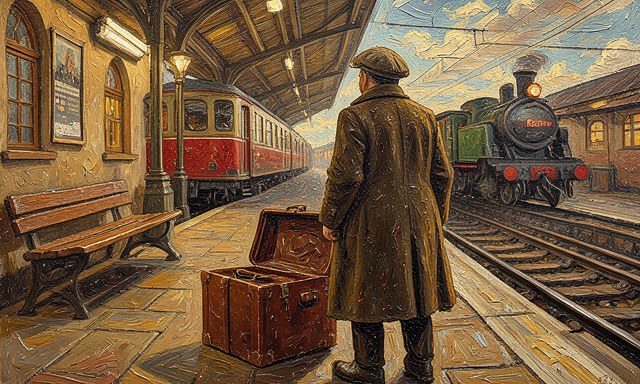
Check electronics and battery rules
Check electronics and battery rules. Confirm that power banks and spare lithium batteries must travel in the cabin, never checked, and note any watt-hour limits. Rechargeable devices are a common reason bags get held at security.
 Howcompass
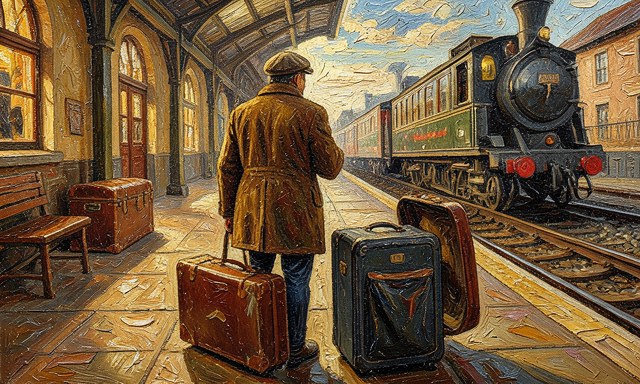
Pick a shell that suits your trip
Pick a shell that suits your trip. Choose a soft-shell bag if you need an extra centimetre of squeeze, or a hard shell if you want rain and impact protection. Match the choice to how you travel rather than to looks.
 Howcompass
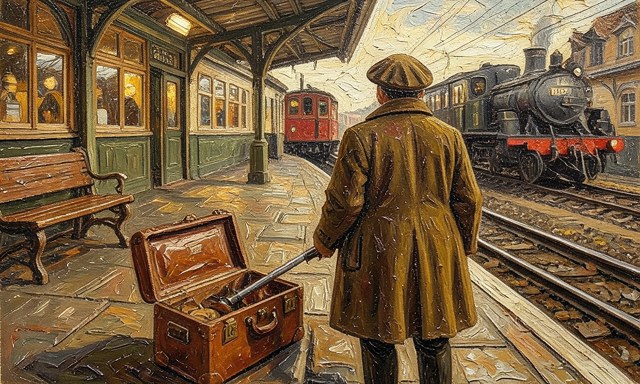
Test the wheels and handle
Test the wheels and handle. Roll the bag on carpet and tile and check that the telescoping handle locks at two heights. Poor wheels turn a two-week trip into a daily annoyance on cobblestones and station steps.
 Howcompass
Use packing cubes as removable units
Use packing cubes as removable units. Choose two or three cubes that fit your bag's width exactly, so each becomes a neat block. Cubes let you pull out one category without unpacking everything else. Related on Howcompass: choose the right AI tool.
Phase 2 — Build a Two-Week Capsule Wardrobe
 Howcompass
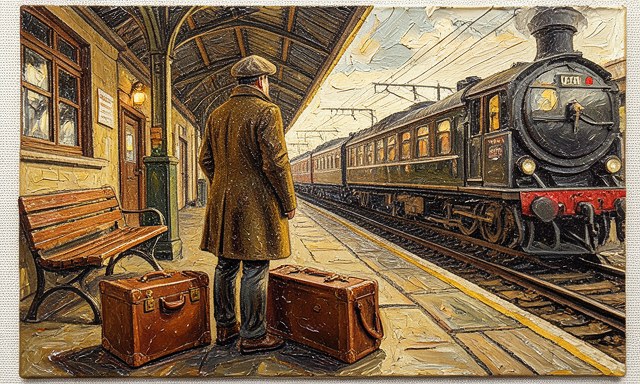
Choose two neutral colours and one accent
Choose two neutral colours and one accent. Build around colours that mix freely, such as navy, grey and one shirt colour, so every top matches every bottom. A tight palette multiplies outfit combinations without adding clothes. For the primary source behind this phase, see U.S. Department of State — travel information.
 Howcompass
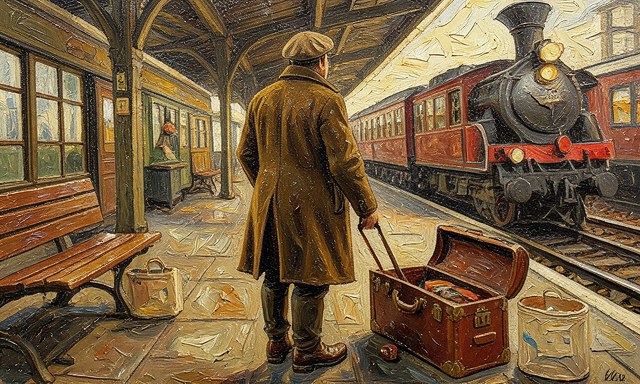
Count outfits, not individual items
Count outfits, not individual items. Lay out the tops and bottoms that combine into at least eight to ten outfits for fourteen days. Planning in outfits stops you packing single pieces that never get worn.
 Howcompass
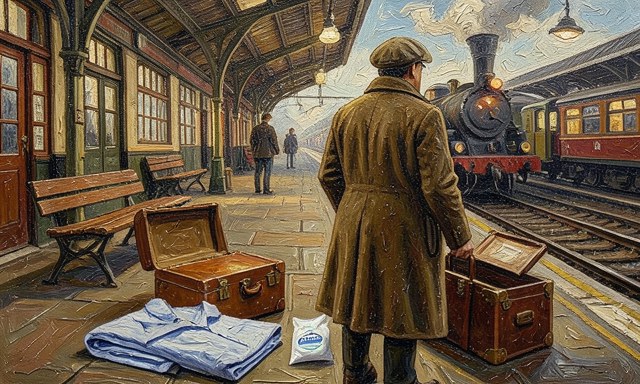
Plan around one laundry day
Plan around one laundry day. Pack for seven days and plan a single wash mid-trip rather than for all fourteen. Halving the clothing is the biggest single saving in a two-week carry-on.
 Howcompass
Choose layers over bulky garments
Choose layers over bulky garments. Bring a light merino or synthetic layer that works alone or under a shell instead of one thick sweater. Layers adapt to warm trains and cold evenings while taking less space. Browse all illustrated guides or the Travel category for more.
 Howcompass
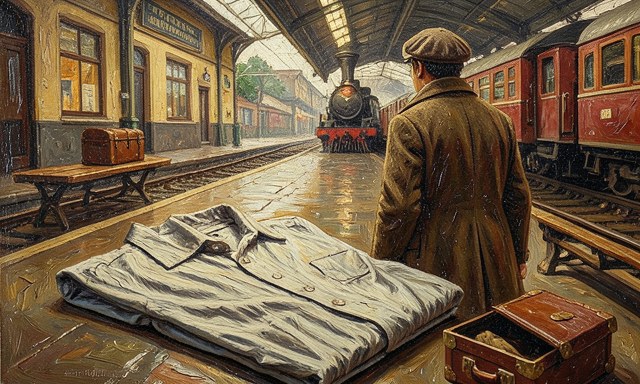
Favour wrinkle-resistant fabrics
Favour wrinkle-resistant fabrics. Choose merino, polyester blends or tightly woven cotton that shakes out after a night hanging. These fabrics look presentable straight from a suitcase, unlike linen or crisp cotton.
 Howcompass
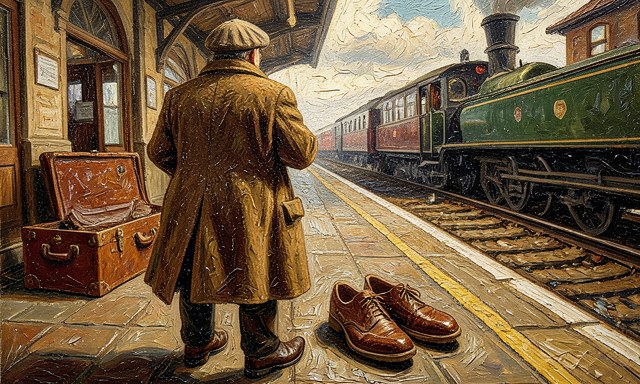
Limit yourself to two pairs of shoes
Limit yourself to two pairs of shoes. Take one comfortable walking pair and one smarter pair, and wear the bulkier ones on the plane. Shoes are the hardest item to compress and the most common overpack mistake.
 Howcompass
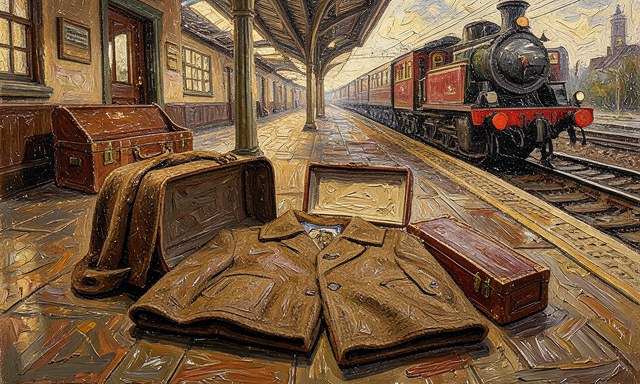
Pack one smart-casual backup outfit
Pack one smart-casual backup outfit. Include one outfit for an unexpected dinner, wedding or meeting that can double as everyday wear. A versatile backup covers surprises without a separate formal wardrobe. Related on Howcompass: build a study routine.
Phase 3 — Fold and Pack Compact
 Howcompass
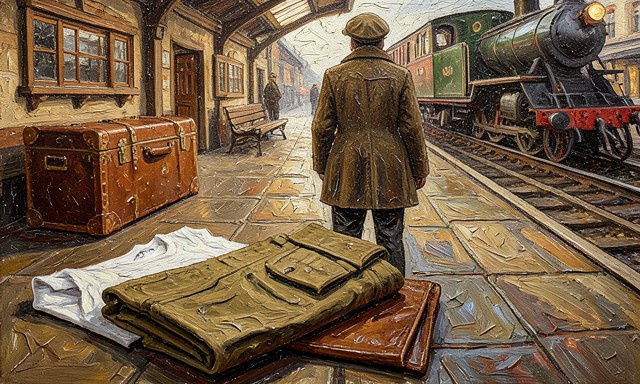
Roll or military-fold soft clothing
Roll or military-fold soft clothing. Roll t-shirts and use the tight military fold for trousers to reduce air pockets and creases. Both methods save noticeable room compared with casual folding into a pile. For the primary source behind this phase, see USA.gov — Travel and Immigration.
 Howcompass
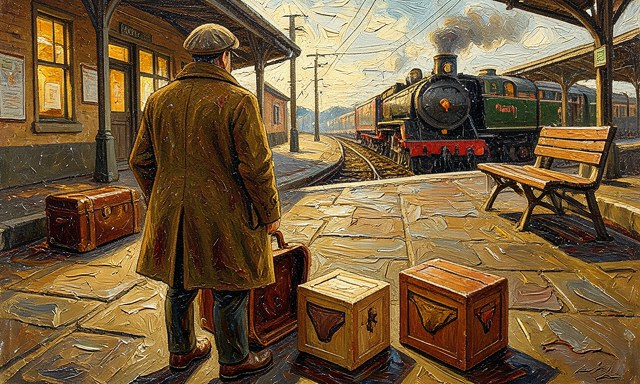
Assign one cube per clothing category
Assign one cube per clothing category. Put tops, bottoms and underwear in separate cubes and label them by category. Category cubes turn a chaotic suitcase into something you can navigate in a dim hotel room.
 Howcompass
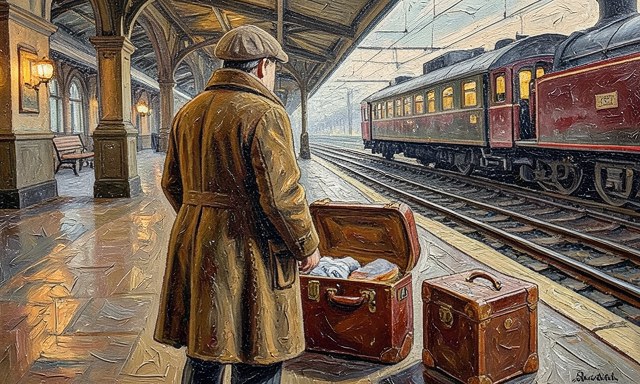
Fill gaps with small soft items
Fill gaps with small soft items. Tuck socks, belts and scarves into the spaces between cubes and along the bag's edges. Dead air around rigid blocks is wasted volume you cannot afford on a two-week trip.
 Howcompass
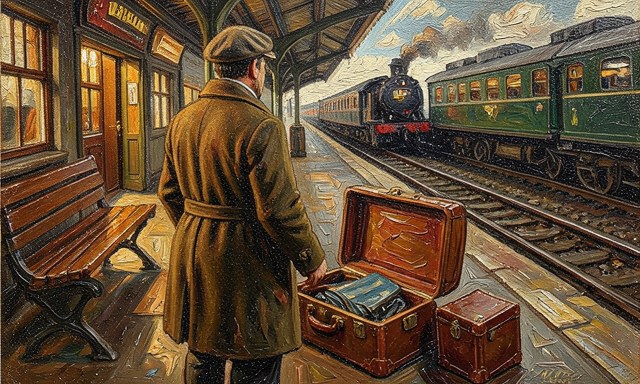
Flatten belts along the case wall
Flatten belts along the case wall. Wrap belts loosely and lay them flat against the shell rather than coiling them into a ball. A flat belt keeps its shape and does not create a hard lump in your packing.
 Howcompass
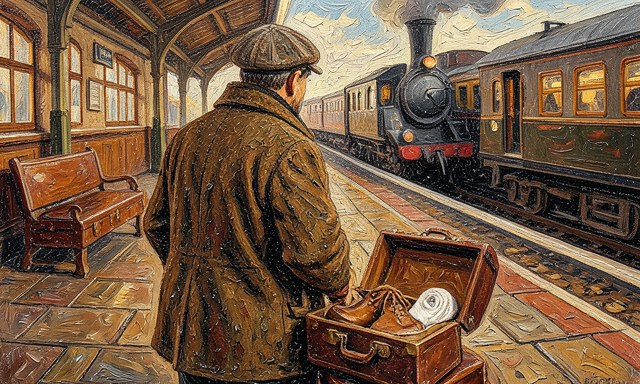
Seal shoes and stuff them with socks
Seal shoes and stuff them with socks. Put each shoe in a thin bag to keep dirt off clothes, then roll socks inside to hold its shape. This uses space that would otherwise be empty and keeps everything clean.
 Howcompass
Pack liquids in one transparent bag
Pack liquids in one transparent bag. Keep all containers at the allowed size together in a single resealable clear bag at the top. One bag means one quick removal at security instead of unpacking your whole case.
 Howcompass
Swap to solids where you can
Swap to solids where you can. Replace shampoo, deodorant and detergent with bars or tablets to cut liquid volume and leak risk. Solids are lighter, last longer and sidestep most airport liquid limits. Related on Howcompass: choose the right AI tool.
Phase 4 — Keep Essentials Close and Check Before You Go
 Howcompass
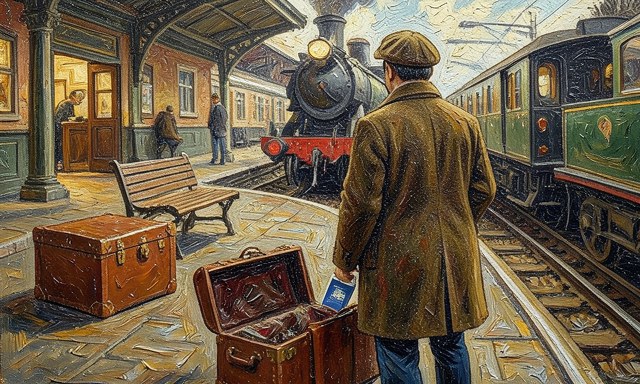
Put documents in one slim waterproof sleeve
Put documents in one slim waterproof sleeve. Gather passport, tickets, insurance and copies in a single flat sleeve you can grab in one motion. A dedicated sleeve prevents the frantic pocket-by-pocket search at the check-in desk. For the primary source behind this phase, see USA.gov — official U.S. government services.
 Howcompass
Pack chargers and a power bank in your personal bag
Pack chargers and a power bank in your personal bag. Keep all cables, plugs and your power bank in the small bag under the seat, not the overhead case. You will want a charger within reach on the plane and at a long transit.
 Howcompass
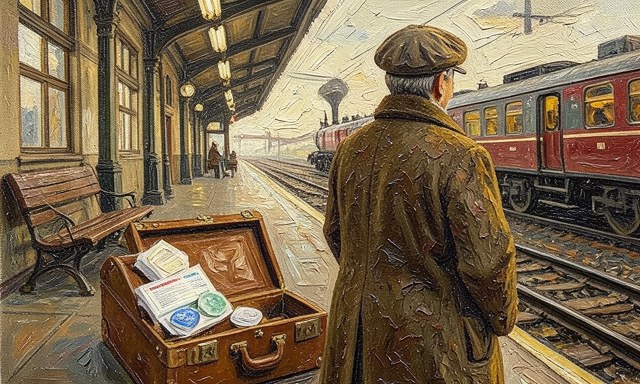
Add a compact health and comfort kit
Add a compact health and comfort kit. Include any prescription medicine in its original labelled package, plus painkillers, plasters and an eye mask. Original packaging avoids questions at security and keeps doses clear.
 Howcompass
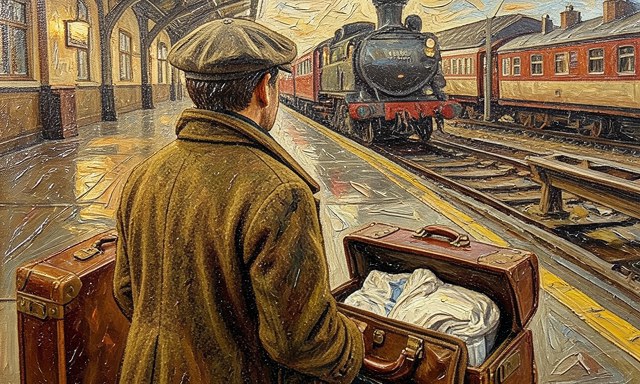
Keep a change of clothes in your personal item
Keep a change of clothes in your personal item. Pack one top and underwear in your under-seat bag in case the main case is delayed or gate-checked. One spare outfit turns a lost bag from a crisis into an inconvenience.
 Howcompass
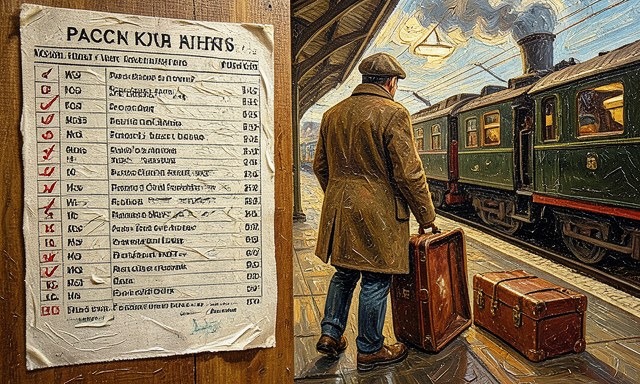
Tick items off a written list
Tick items off a written list. Work from a printed checklist and tick each item as it goes in, rather than packing from memory. A list is what stops a third pair of shoes replacing the one thing you needed.
 Howcompass
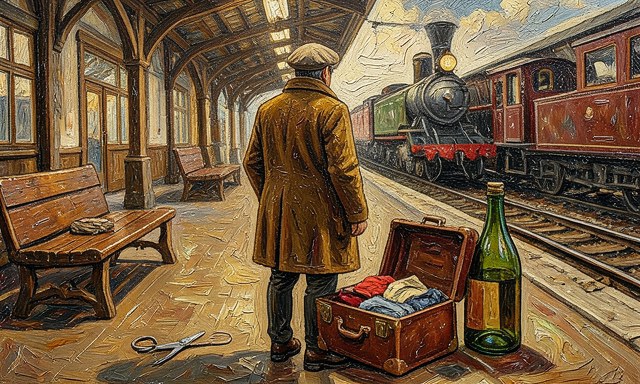
Check for prohibited items
Check for prohibited items. Remove anything restricted, such as large scissors, full-size bottles or spare lithium cells in checked bags. A two-minute scan now avoids having a bag opened at the gate.
 Howcompass
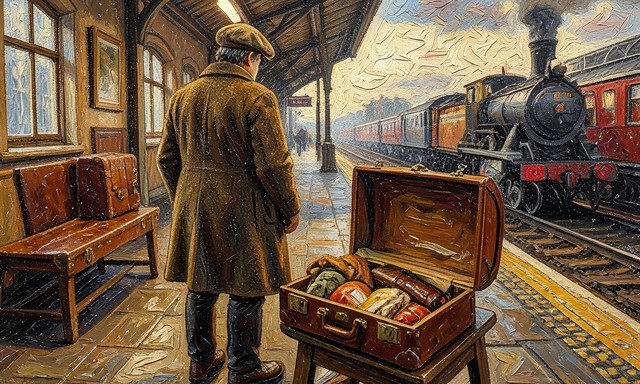
Weigh the full bag and photograph the contents
Weigh the full bag and photograph the contents. Weigh the packed case against your allowance, then photograph the laid-out contents for reference on the road. The photo makes repacking at the halfway laundry stop far quicker. Related on Howcompass: build a study routine.
Frequently Asked Questions
Question: Can a carry-on really hold two weeks of clothes?
Yes, if you pack around seven days, choose mixable layers, and plan one laundry stop; most people overpack by dressing for imaginary occasions.
Question: What should never go in a checked bag?
Passports, medicine, electronics, power banks and spare lithium batteries should stay with you in the cabin, along with one change of clothes.
Question: How do I stop clothes wrinkling?
Roll or military-fold, use cubes to prevent shifting, and hang the first shirt in the bathroom steam overnight; wrinkle-resistant fabrics do most of the work.
Warnings
- Packing fourteen days of clothes: Two weeks in a carry-on means roughly one week of clothing plus a laundry stop; doubling the wardrobe guarantees an overfull, crushed bag.
- Forgetting the liquid and battery rules: Oversized toiletry bottles or lithium power banks in the wrong bag are the most common security hold-ups; check the current rules for every leg of your route.
- Burying documents and chargers: If your passport or charger is under the clothes in the overhead bin, a long transit becomes miserable; keep both in the under-seat bag.
Related Howcompass Guides



References (4)
- TSA — travel security and packing rulestsa.gov
- U.S. Department of State — travel informationstate.gov
- USA.gov — Travel and Immigrationusa.gov
- USA.gov — official U.S. government servicesusa.gov
Sources are listed so you can read the underlying guidance yourself. Our editorial policy explains how guides are reviewed.
Did this article help you?
0 readers found this helpful — add your vote.
No comments yet — be the first to share your results.