How to Reset Your Circadian Rhythm in Seven Days
A guide to Days 1-2: Set the Anchor, Then Move Bedtime in Small Steps, Days 3-4: Build the Evening Slope Toward Bed, Days 5-7: Hold the Schedule Through Weekends, Travel, and Shifts, Track the Week, Recover From Bad Nights, and Read the Red Flags
Your body keeps time in more than one place. A small clock in the brain sets the rough hours for sleepiness, alertness, body temperature, hormone release, and digestion, and it learns what time it is mainly from light reaching your eyes. That is why a fixed wake hour and bright mornings change how you feel more reliably than willpower at midnight, and why the same person who cannot fall asleep before 2 in the morning can be dragged toward midnight by a week of early daylight and dim evenings. The clock does not move on command. Working adults are usually told they need about seven hours or more, and most sleep-medicine sources describe a healthy clock as shifting only a limited amount per day, which is exactly why this protocol uses 15-to-30-minute steps rather than a heroic early bedtime. Expect a week of steadier timing, an easier wake, and a sleep window that starts arriving earlier. Do not expect a cure: timing habits help a shifted or scattered clock, and they do not treat sleep apnea, long-standing insomnia, depression, or the very real limits of permanent night work. The seven days run in four parts. Days one and two set the anchor, which is your wake time plus morning light, and start moving bedtime in small steps. Days three and four build the evening slope: dim warm light, an early caffeine cutoff, honest handling of alcohol, screens out of reach, and the same wind-down every night. Days five through seven hold the schedule against weekends, travel, night shifts, and naps. The last part is measurement and triage, including a one-card log, what to do after a wrecked night, and the red flags that mean you should stop experimenting and see a clinician.
Anchor every day to one fixed wake time, get 15 to 30 minutes of outdoor light within an hour of waking, then dim the house to warm lamp light two to three hours before bed. Move bedtime earlier in 15-to-30-minute steps instead of jumping, keep weekend wake time within about two hours, set a conservative morning-only caffeine cutoff, treat evening alcohol as a sleep disrupter, and keep screens dim, low, and out of arm's reach. Seven days of that usually makes your sleep window arrive earlier and more predictably. This is timing, not a cure: loud snoring with gasping, months of insomnia, or low mood call for a clinician.
- Time
- 7 days; 15-30 minutes of outdoor light each morning plus a 30-40 minute wind-down
- Cost
- $0-$60: blackout curtains, a warm bedside lamp, earplugs, a notebook
- Difficulty
- Beginner to intermediate — repetition matters far more than effort
- Works on
- Late or uneven timing habits, mild time-zone drift, weekend schedule chaos
- Not for
- Suspected sleep apnea, months-long insomnia, night-shift work, or mood symptoms without care
- Results
- A steadier, slightly earlier sleep window within the week; bigger shifts take longer
How do you reset Your Circadian Rhythm in Seven Days?
 Howcompass | How to Reset Your Circadian Rhythm in Seven Days
Days 1-2: Set the Anchor, Then Move Bedtime in Small Steps
HowcompassPick One Wake Time and Hold It
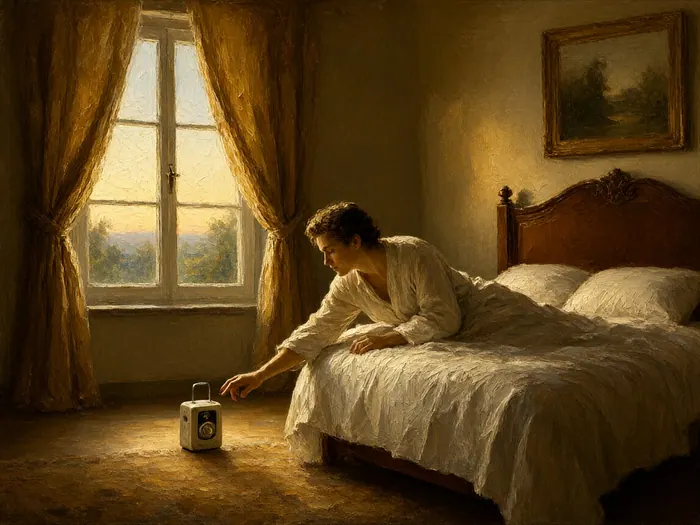
Your wake time is the anchor, because the body clock sets itself largely from when you get up and get light rather than from when you climb into bed. Choose a time you can hit on a workday and a day off alike, set one alarm, and place it across the room so you have to stand up to silence it. For these seven days, hold that hour within about 30 minutes every single morning, even after a poor night, and let the pattern in Build a Healthy Sleep and Morning Routine carry the rest of your morning. How sleep works, from the National Heart, Lung, and Blood Institute explains why the rising hour does more work than bedtime.
 Howcompass
Get Outside Within the First Hour Awake
Take 15 to 30 minutes outdoors within an hour of waking: a walk around the block, coffee on a step or balcony, or standing at an open window while you eat. Daylight reaching your eyes is the strongest known cue to the body clock, and even an overcast morning is usually far brighter outside than any ceiling light indoors, as the NIGMS fact sheet on circadian rhythms describes. Window glass and deep shade blunt the effect, so face the general direction of the sky rather than the sun, and never stare directly at it. If a morning walk is new to you, start with ten minutes at an easy pace on the same route every day and add five minutes at a time.
 Howcompass
Move Bedtime in Fifteen-to-Thirty-Minute Steps
If you currently fall asleep around 2 in the morning and want midnight, do not go to bed two hours early tonight. Move the target bedtime 15 to 30 minutes earlier, hold that for two nights, then step again, and get into bed only when you feel sleepy rather than merely tired. Lying awake in a bright room teaches your body that bed is a place for being awake, which is the opposite of what you are building. Sleep-medicine sources generally describe the adult clock as shifting only a limited amount per day, so plan the week in small increments and treat a jump of several hours as a project for a clinician or a structured travel plan, not a weekend.
 Howcompass
Keep Mornings Bright, Noisy, and Early
Give the first 30 minutes of the day light, sound, movement, and food at roughly the same hour. Open the curtains before you touch your phone, switch on the brightest room light you have, eat breakfast within about two hours of waking, and let the household be active rather than whispered-quiet. A consistent morning meal also cues the body clocks in your gut and liver, which respond to when you eat as well as to what you eat. On winter mornings when the sun is still down, keep indoor lights strong and get outside after sunrise, and talk with a clinician before using a bright-light box, especially if you have bipolar disorder, an eye condition, or take a medicine that makes eyes or skin light-sensitive.
 Howcompass
Put Exercise Earlier in the Day
Aim for 20 to 45 minutes of brisk movement on most days and put the harder session in the morning or afternoon rather than the last hour before bed. Exercise genuinely helps sleep quality and daytime alertness, but for some people a vigorous late session leaves the body wound up and the clock pushed later, so if evening is your only window, finish at least three hours before bed, then dim the house on the way back and take a warm rather than scalding shower. The National Sleep Foundation's explanation of circadian rhythm covers how light, activity, and body temperature act on the clock together. Ease back and get individual advice before training hard if you are pregnant, recovering from illness, or managing a heart or joint condition.
Days 3-4: Build the Evening Slope Toward Bed
 Howcompass
Dim the House Three Hours Before Bed
Two to three hours before your target bedtime, turn the ceiling lights off and work by one or two low, warm lamps. The clock responds to how much light reaches your eyes and how strong it is, so a lamp at shoulder height in a dark room is a very different signal from a bright overhead kitchen light at the same hour. Move the last chores, cooking, and emails into that dim window, and keep only the minimum light you need to use stairs and the bathroom safely.
 Howcompass
Set an Early Caffeine Cutoff and Write It Down
Choose a conservative cutoff and record it: nothing containing caffeine within roughly eight hours of your target bedtime, which for a midnight bedtime means the last coffee in the mid-morning. Caffeine leaves the body slowly and the speed varies a great deal with age, pregnancy, smoking, and some prescriptions, so this guide deliberately uses the cautious end of the range rather than the comfortable one. Check the labels on tea, cola, energy drinks, pre-workout powders, dark chocolate, and some headache medicines, all of which can push your true last dose later than you remember. If your head aches in the first two or three days of the earlier cutoff, taper by about a quarter of your usual amount every few days instead of stopping all at once.
 Howcompass
Count Alcohol as a Nighttime Disrupter
Alcohol can make you drowsy at first, but it tends to fragment the second half of the night, and because it relaxes the throat it can worsen snoring and breathing interruptions in people prone to them. For these seven days the cleanest test is no evening alcohol at all; if you do drink, keep it to a single drink finished more than three hours before bed, with water alongside it, and follow the National Sleep Foundation's sleep hygiene guidance on substances and sleep. Never combine alcohol with a prescribed sedative, an opioid, or a sedating antihistamine, and never take a sleeping tablet that belongs to someone else. If evening drinks are hard to skip, or you feel shaky, sweaty, or anxious when you do, talk to a clinician before stopping abruptly rather than pushing through it.
 Howcompass
Turn Screens Down and Move Them Away
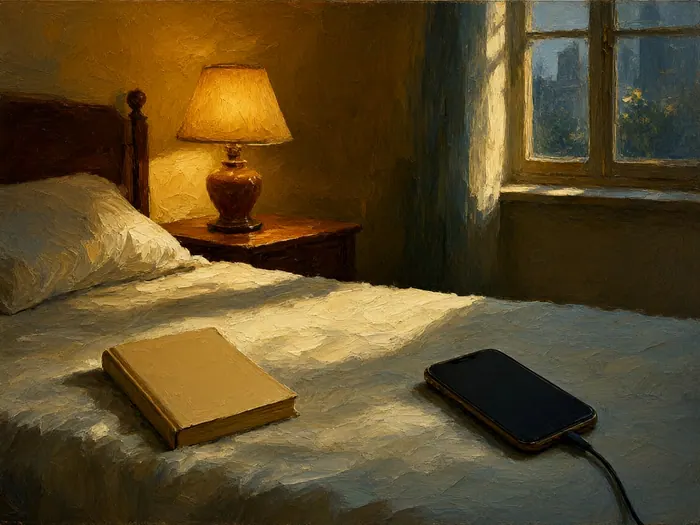
For the last hour, put the phone on its charger out of arm's reach, drop any screen you truly need to its dimmest setting, and hold it at or below chest height rather than propped up above your face in a dark room. Night color modes soften glare and harshness but do not replace the actual step, which is stopping: the exciting feed matters as much as the light. Keep the television off through the wind-down and finish work messages earlier in the evening instead of late at night. If your eyes already ache and blur by the end of the workday, Relieve Screen Eye Strain During Long Days at a Computer covers the daytime habits that make evenings easier.
 Howcompass
Run the Same Forty-Minute Wind-Down
Make the last 30 to 40 minutes before bed the same sequence every night: a small snack if you are genuinely hungry, a warm shower, teeth and skincare, then a paper book or quiet music under a low lamp in a cool, dark room. The value is predictability rather than meditation, because your clock responds to a repeated order of events; if you want something to do once the lights are down, Practice Progressive Muscle Relaxation Before Bed fits well. Finish the last substantial meal about three hours before bed, and adjust meal and medicine timing with your clinician if you have diabetes or reflux. Give the bedroom one job, so if you lie awake longer than about 20 minutes, get up, sit in the dim room, and return when you feel sleepy.
Days 5-7: Hold the Schedule Through Weekends, Travel, and Shifts
 Howcompass
Cap Weekend Drift at Two Hours
The usual way this week collapses is a three-hour lie-in on Saturday, which pushes the clock back toward where it started and makes Monday morning feel like jet lag. Hold weekend wake time within about two hours of the anchor, so if you rise at 6 on weekdays, 8 is a generous Saturday and 10 is a fresh start on Monday. If you want a later social evening, shift that one bedtime 30 to 60 minutes later, still get up near the anchor, and take a 20-minute nap in the early afternoon rather than sleeping until noon. People who travel for work usually find this weekend drift worse than the schedule they were trying to fix, because it moves the clock in the opposite direction every single week.
 Howcompass
Shift Earlier After Eastward Trips, Later After Westward Ones
Eastward travel forces your clock earlier, the direction most people find harder, so begin two or three days before departure by moving bedtime and wake time 15 to 30 minutes earlier each day, then take strong morning light at the destination and keep evenings dim. Westward travel pushes the clock later, so work the other way: stay up a little later each night, take light in the late afternoon, and let yourself sleep a bit longer in the morning. Once you arrive the local clock does the rest: eat, walk, and socialize on local hours and hold that first morning's wake time even if you fell asleep late. Sleep-medicine sources often describe adaptation as roughly a day per time zone crossed; for the physical side of travel see Stop Motion Sickness and Reset Jet Lag With Physical Routines.
 Howcompass
Protect One Anchor Sleep Block for Night Shifts
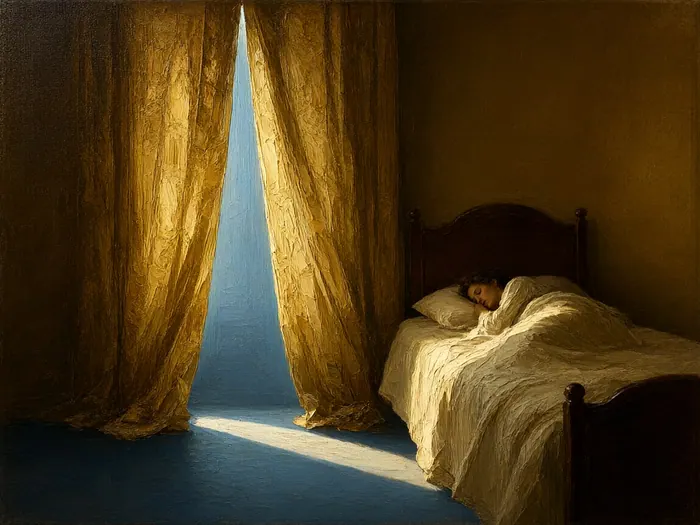
If you work nights or rotate, do not flip your whole schedule on every day off; keep one protected sleep block that happens on work days and days off alike, often about four hours in the middle of your main sleep period, and treat that block as your anchor instead of a wake time. Wear sunglasses on the bright drive home, keep the bedroom fully dark with heavy curtains or a mask, and take the strongest light of your shift in its first half. Household agreements matter as much as curtains, so put your sleep hours on a shared calendar and ask for quiet during the block. Shift workers who still cannot sleep, or who nod off driving home, should raise shift-work sleep problems with a clinician rather than trying to out-caffeine the schedule.
 Howcompass
Nap Short and Early or Skip It
A 20-minute nap before mid-afternoon can lift alertness without much affecting night sleep, while a nap at 5 in the evening often does the opposite. Set an alarm, lie down somewhere dim, and keep it short enough that you wake before the deepest stage of sleep, which is the part that leaves many people groggy. If you are a shift worker who needs more than that, one longer sleep of roughly 90 minutes before the shift is usually a better trade than two hours at an unpredictable hour. If you cannot nap, do not chase it: quiet rest in a dim room with your eyes closed still helps, and skipping the nap is the faster route to a solid night.
 Howcompass
Set the Bedroom Dark, Quiet, and Cool
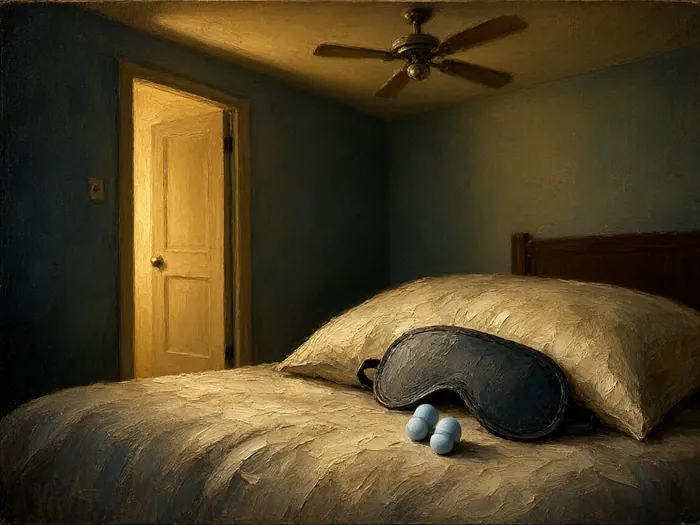
Make the room dark enough that you cannot see the walls from bed, quiet enough that ordinary house noise does not pull you up, and cooler than your daytime rooms, with many people finding somewhere around 65 to 68 degrees Fahrenheit comfortable. Use blackout curtains or a contoured sleep mask, a fan or foam earplugs for sound, and keep phones, laptops, and work out of the bed so the room stays associated with sleep. If pain, a mattress, or a prescribed medication schedule is what actually wakes you, raise that with a clinician before buying new bedding. Change one variable at a time and write the result in your log, because a streetlight you can fix with 20 dollars of curtains is worth finding before you conclude your clock is broken.
Track the Week, Recover From Bad Nights, and Read the Red Flags
 Howcompass
Keep a Seven-Day Log on One Card
Track seven things a day on one card at the bedside: when you got into bed, roughly when you think you fell asleep, when you woke, when your feet were outdoors, the hour of your last caffeine, how many times you woke in the night, and a one-to-five score for morning alertness. Fill it in the next morning rather than reconstructing the night from memory at the end of the day, and refuse to treat it as a report card, because the point is the trend across seven days. The same habit stretched out with prompts is laid out in Keep a Two-Week Sleep and Morning Energy Log. Bring the finished card to any appointment, since times and dates tell a clinician far more than the phrase I sleep badly.
 Howcompass
Read the Week Before Changing Anything
At the end of day seven, judge averages rather than the worst night. If your wake time held, mornings got outdoor light, evenings got dim, and you dropped asleep within roughly 15 to 60 minutes of getting into bed on most nights, keep everything exactly as it is for another two weeks before nudging bedtime a further 15 to 30 minutes earlier. If the week was a mess, change one lever rather than five, and start with the caffeine cutoff or the evening lights, since those are the easiest to measure. Be honest about how much of the improvement came from doing the boring thing consistently instead of doing something new, because that is the finding worth carrying into month two.
 Howcompass
Recover From One Bad Night Without Doubling It
After a night when you barely slept, get up at the anchor time, get your outdoor light, and eat breakfast as usual, because those two moves do more for tonight than any amount of guilt about yesterday. Do not go to bed hours earlier the next evening, do not sleep until the afternoon, and do not stack extra caffeine past your cutoff to survive the day, since each of those fixes the wrong problem and shifts the clock the wrong way. A single 20-minute nap before mid-afternoon is allowed, and an earlier evening is fine, but the wake time stays put. Above all, do not drive while you are struggling to keep your eyes open: the CDC sleep-health pages cover drowsy driving and how little sleep many adults report getting, and one wrecked night is data rather than failure.
 Howcompass
Recognize the Warning Signs of Sleep Apnea
Stop treating snoring as normal if it comes with gasping, choking, or pauses in breathing that someone else can see, if you wake with a headache or a parched mouth, if a full night leaves you unrefreshed, or if you nod off during quiet daytime activities. Those patterns point toward sleep apnea, a repeated interruption of breathing that a light-and-timing routine does not treat and that is diagnosed with a sleep study rather than guessed from how tired you feel. Ask a clinician about it directly, mention any high blood pressure, and say plainly whether you ever doze while driving. Do not drive drowsy while waiting for an appointment, and do not start aggressive sleep-restriction or drink to knock yourself out, because both can make untreated apnea more dangerous.
 Howcompass
Escalate Insomnia or Low Mood to a Clinician
See a clinician instead of continuing this protocol alone if trouble falling or staying asleep has lasted at least three nights a week for three months, if you still feel wrecked in daytime after several weeks of good timing, or if any red flag appears earlier. For long-standing insomnia, sleep-medicine guidance generally points to structured, clinician-led behavioral treatment as the first step rather than open-ended tablets, and any medication decision needs an individual risk discussion, particularly with a sedative, an opioid, or a mood medicine. Get same-day help for low mood that will not lift, loss of interest in everything, hopelessness, or any thought of hurting yourself; in the United States you can call or text 988 for the Suicide and Crisis Lifeline. This guide is education about timing, not a diagnosis, and it does not replace an examination.
How to know it worked
- You woke at the anchor time within about 30 minutes on all seven days, including the weekend.
- The log shows outdoor light within an hour of waking on at least five of the seven mornings.
- Evening lights went dim two to three hours before bed on most nights, and the last caffeine stayed before your cutoff all seven days.
- Bedtime and wake times varied by about an hour or less across the week, and you got into bed only when sleepy.
- Any red flag you noticed is on the appointment list, and you did not drive while drowsy at any point in the week.
Common mistakes to avoid
- Going to bed three hours earlier on day one, lying awake in a bright room, and concluding the plan failed.
- Taking a three-hour weekend lie-in, which pushes the clock back in the opposite direction from five days of small steps.
- Relying on wine or a sedating antihistamine as the sleep plan, then waking wide-eyed in the second half of the night.
- Compensating for a bad night with a late wake time and afternoon caffeine, which rebuilds the original problem.
- Sitting with loud snoring, gasping, or daytime dozing for months instead of asking a clinician about a sleep study.
Frequently Asked Questions
Question: Can you really reset a circadian rhythm in seven days?
You can move it partway, and you can make it far more consistent, which is usually what people want. A healthy adult clock generally shifts by a limited amount each day, so a week of 15-to-30-minute steps can buy an hour or two of earlier sleepiness. A four-hour delay, permanent night shifts, or a sleep disorder takes longer and needs professional input rather than another week of this.
Question: How much morning light do I need, and does a window count?
Aim for 15 to 30 minutes outdoors within an hour of waking, and more when the sky is overcast, since cloud still delivers far more light than an indoor bulb. A window helps, but glass cuts much of the effect, and shade, direction, and time of year all matter. Face the sky rather than the sun and never stare at it; use a doorway, garden path, or pavement.
Question: Should I take melatonin, and when?
Treat it as a decision for a clinician or pharmacist rather than an add-on to this week. In the United States melatonin is sold as a dietary supplement, so it is not approved or verified for a specific dose or use the way prescription medicines are, and product content varies widely. Timing matters more than amount for shifting the clock, and it can interact with prescriptions and matter in pregnancy.
Question: I work nights or rotating shifts. Does this plan apply to me?
Only partly, because a seven-day forward march assumes you sleep at night. Keep the same tools but change the anchor: protect one sleep block that occurs on work days and days off alike, control light deliberately (bright in the first half of the shift, dark and sunglasses on the way home), keep caffeine early in the shift, and hold family agreements. If you still cannot sleep, get evaluated.
Question: Do weekend lie-ins undo the whole week?
Long ones can, because sleeping several hours later is a deliberate delay signal sent right before the week you wanted to fix. A drift of about one to two hours is usually far more survivable than three or four. If you want a late night, keep the anchor wake time, take a short early-afternoon nap, and let Saturday meals slide later with the light rather than staying in bed.
Question: What about naps, and do they ruin the schedule?
A 20-minute nap before mid-afternoon usually helps alertness without much affecting night sleep. Late-afternoon or two-hour naps are the ones that steal sleep pressure from bedtime. Shift workers may plan a single roughly 90-minute sleep before a night shift instead. If a nap leaves you groggy, keep it shorter or take it earlier, and if you cannot nap, rest quietly in a dim room.
Question: When should I stop trying this at home and see someone?
Sooner than most people do. Make an appointment if a partner sees you stop breathing, if you gasp and snore loudly, if you nod off while driving, if sleep problems have run three nights a week for three months, or if your mood is low or hopeless. Seek same-day care for thoughts of self-harm, and never mix alcohol with sedatives.
Tips
- Set the anchor alarm before bed and put the phone across the room; the first standing move is the whole battle, not the eleven that follow.
- Take the morning light walk before the first coffee when you can. Caffeine plus daylight is fine, but a slow start is what breaks the week.
- Dim rather than switch off: keep one warm lamp for safety and reading so the new evening does not feel harsh and you do not flip a bright switch.
- Write your last-caffeine time on the log card the moment you finish the cup, not later from memory at bedtime.
- If travel or a night shift wrecks the week, restart at the anchor wake time the next morning instead of improvising a brand-new plan at 1 at night.
Warnings
- Do not drive or operate machinery when you are struggling to keep your eyes open. Get evaluated promptly for suspected sleep apnea if you snore loudly with gasping or witnessed pauses in breathing, wake with headaches or a dry mouth, feel unrefreshed after a full night, or doze during quiet daytime activities; this routine does not treat apnea, and untreated apnea affects blood pressure and accident risk.
- Trouble falling or staying asleep at least three nights a week for three months or more, especially with daytime effects, is not something to fix with willpower or a longer lie-in. See a clinician and ask about structured behavioral treatment for insomnia rather than extending this protocol indefinitely or self-prescribing aggressive sleep restriction.
- Persistent low mood, loss of interest, hopelessness, new anxiety, or any thought of hurting yourself needs same-day human help. In the United States, call or text 988 for the Suicide and Crisis Lifeline, or contact local emergency services. Do not use alcohol or someone else's pills to sleep, and tell the clinician about mood symptoms before starting or stopping any medicine.
- This guide is general education, not medical advice, and it cannot diagnose you. Check with a clinician or pharmacist first if you are pregnant or breastfeeding, have epilepsy, bipolar disorder, depression, diabetes, reflux, heart or lung disease, an eye condition, or take sedatives, opioids, stimulants, or light-sensitive medication; never stop a prescribed medicine on your own, and never combine a sedative with alcohol.
Things You'll Need
- Two alarms, with one placed across the room
- Blackout curtains or a contoured sleep mask
- Dimmable warm-white bedside lamp
- Smart plug or mechanical lamp timer
- Foam earplugs or a small white-noise fan
- Sunglasses for a bright drive home
- Kitchen timer for the 20-minute nap
- Outdoor shoes and a jacket by the door
- Index card and pencil for the seven-day log
- Phone charger mounted out of arm's reach
- Decaffeinated tea for the evening wind-down
- Paper book and a low reading light
- Loose, cool bedding you can swap quickly
- Refillable water bottle for the morning walk
Related Howcompass Guides




References (7)
- Circadian RhythmsNational Institute of General Medical Sciences, NIH
- How Sleep WorksNational Heart, Lung, and Blood Institute, NIH
- What Is Circadian Rhythm?National Sleep Foundation
- Topics in Sleep: How to Sleep BetterHarvard Health Publishing, Harvard Medical School
- Sleep HygieneNational Sleep Foundation
- Sleep ApneaNational Heart, Lung, and Blood Institute, NIH
- SleepU.S. Centers for Disease Control and Prevention
Sources are listed so you can read the underlying guidance yourself. Our editorial policy explains how guides are reviewed.
Did this article help you?
0 readers found this helpful — add your vote.
No comments yet — be the first to share your results.