How to Invest in Stocks
A guide to Understanding Stock Basics, Preparing to Invest, Researching and Analyzing, Trading and Managing, Growing and Protecting
Investing is the third step, not the first. Before a brokerage account you need a working budget and an emergency fund, otherwise a bad month forces you to sell at the worst time. This guide keeps that order explicit and explains what a low-cost index fund actually owns. If the buffer is not there yet, start with Build an Emergency Cash Fund Step by Step.
Build a three-to-six-month emergency fund, clear high-interest debt, then invest money you will not need for at least five years. A low-cost, globally diversified index fund is the default beginner holding; compare total expense ratios, not last year's return. Use a tax-advantaged account where one exists, automate contributions, and write your plan down before markets test it. This is general education, not personalised advice — local tax and pension rules differ.
- Time
- 1–2 hours to open; 1 hour a year to review
- Cost
- 0–0.3% fund fee; brokerage fees vary
- Difficulty
- Moderate
- People
- 1
- Space
- An online account
- Tools
- Budget, emergency fund, broker, fund factsheet
How do you invest in Stocks?
 Howcompass | How to Invest in Stocks
Understanding Stock Basics
HowcompassLearn About Market Indexes
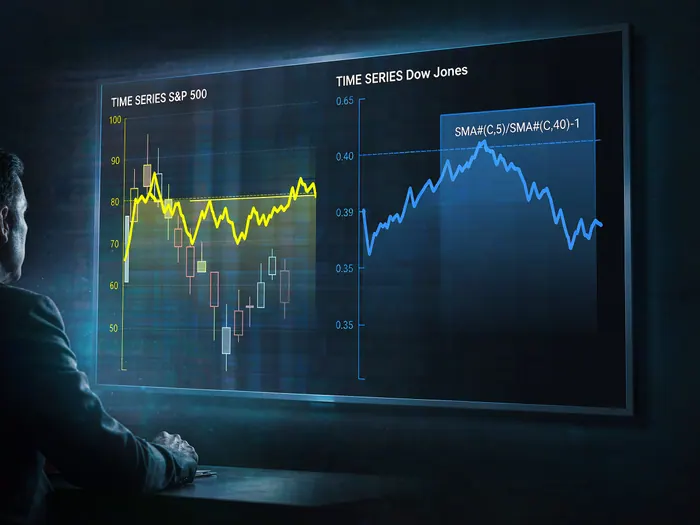
Start by understanding market indexes — these track the performance of groups of stocks and serve as benchmarks for the overall market. The S&P 500 tracks 500 large US companies, while the Dow Jones Industrial Average tracks 30 major companies. The NASDAQ focuses on technology stocks. Indexes help you measure your portfolio's performance against the broader market. Use Yahoo Finance to track index movements and understand market trends.
 Howcompass
Understand How Stocks Work
Learn how stocks work before investing. A stock represents ownership in a company — when you buy a share, you own a small piece of that company. Stock prices rise and fall based on company performance, market conditions, and investor sentiment. Companies issue stocks to raise money for growth, and investors buy them hoping the company's value will increase. Use Investopedia for detailed explanations of stock market concepts. Understanding ownership, price movement, and dividends is essential before you invest.
 Howcompass
Research Different Stock Types
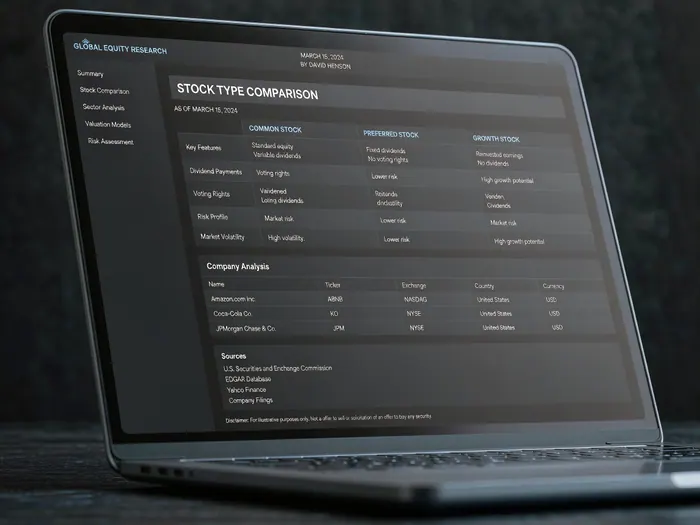
Research the different types of stocks available to investors. Common stock gives you voting rights and potential dividends. Preferred stock pays regular dividends but usually lacks voting rights. Growth stocks are companies expected to grow faster than the market, while value stocks are undervalued companies with strong fundamentals. Blue-chip stocks are large, stable, established companies. Penny stocks are low-priced, high-risk investments. Use Yahoo Finance to research and compare different stock types.
 Howcompass
Learn What Stocks Are
Understand what stocks are at the most basic level. A stock is a financial instrument that represents fractional ownership in a company. When you buy stock, you become a shareholder — you own a tiny portion of the company and may receive dividends (shares of profits). Stocks are traded on exchanges like the NYSE and NASDAQ. The price of a stock reflects what investors believe the company is worth — this can change daily based on news, performance, and market sentiment. Stocks offer the potential for long-term growth through price appreciation and dividends.
 Howcompass
Open Your Brokerage Account
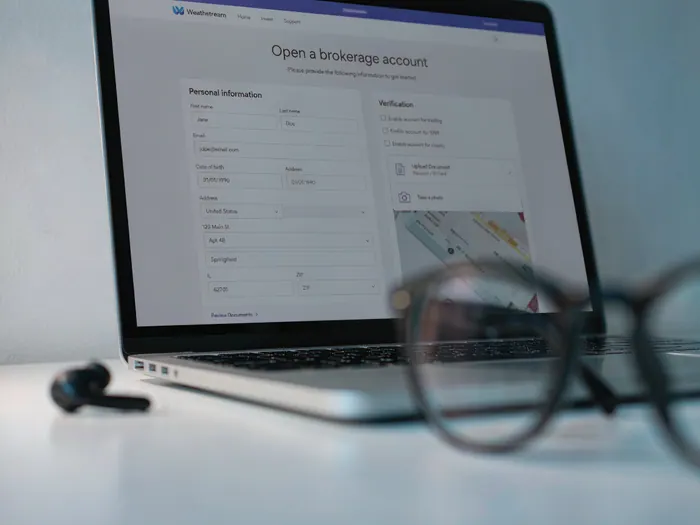
Open a brokerage account to start buying stocks. Choose a broker that offers commission-free trading and an easy-to-use interface. Popular options include Fidelity, Charles Schwab, Vanguard, and Robinhood. The account opening process typically requires your personal information, employment details, and tax identification number. You will need to verify your identity with a government-issued ID. For managing your investment budget alongside other expenses, see our Save Money Every Month guide. Most brokers offer both cash accounts and margin accounts — start with a cash account to avoid the risks of borrowing.
Preparing to Invest
 Howcompass
Fund Your Account
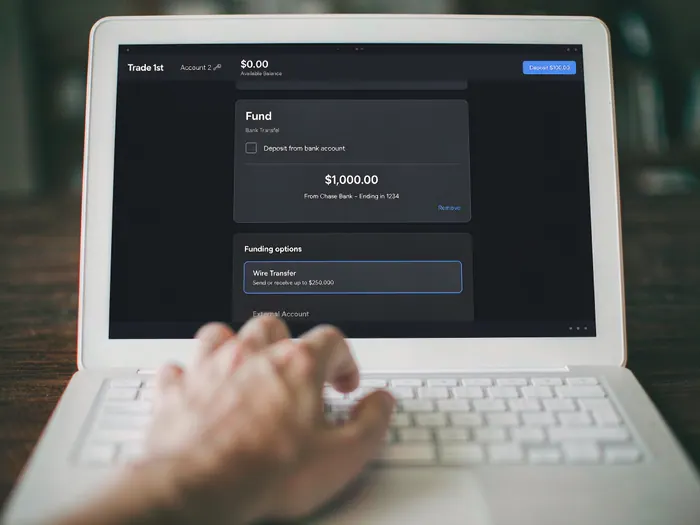
Transfer money into your brokerage account to start investing. Most brokers allow you to link a bank account for easy transfers. Use Fidelity or Charles Schwab for fast, free bank transfers. Start with an amount you can afford to invest — there is no minimum for many brokers. Consider starting with 100-1,000 USD for your first investment. Keep an emergency fund of 3-6 months of expenses in savings before investing — you do not want to sell stocks to cover unexpected expenses. Funding your account is the first practical step to investing.
 Howcompass
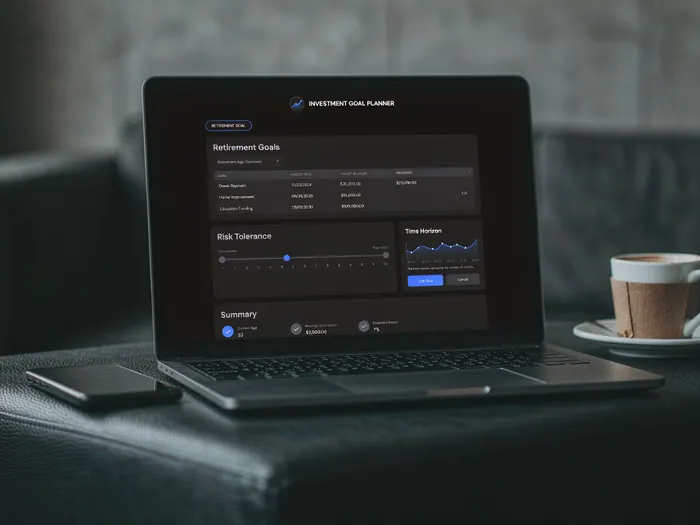
Set Your Investment Goals
Define clear investment goals before buying any stocks. Are you investing for retirement, saving for a home, or building wealth? Write down your goals with specific amounts and time horizons. Your time horizon determines your risk tolerance — long-term goals (10+ years) can tolerate more risk than short-term goals. Use Investopedia to learn about risk tolerance and asset allocation. Goals guide your investment strategy — growth stocks for long-term growth, dividend stocks for income, or a mix based on your needs. For managing your investment budget alongside other expenses, see our Save Money Every Month guide.
 Howcompass
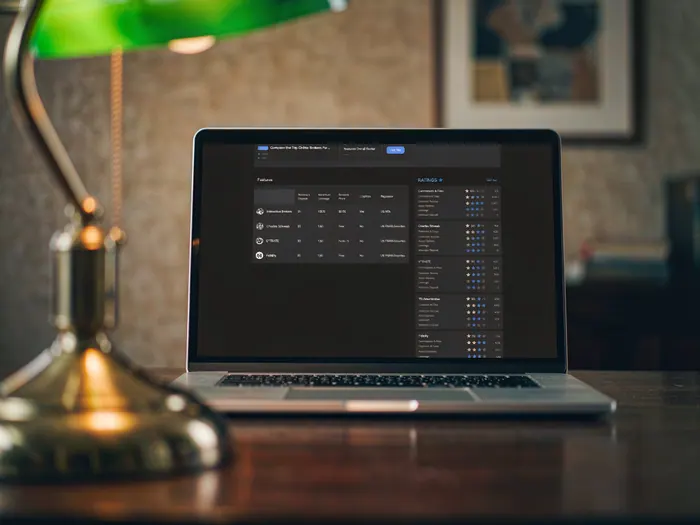
Choose a Brokerage Platform
Select the best brokerage platform for your needs by comparing fees, features, and user experience. Use NerdWallet to compare brokers. Consider Fidelity for research and tools, Charles Schwab for low fees and retirement accounts, Vanguard for index funds, or Robinhood for commission-free trading and a simple app. Check for account minimums, trading commissions, and account maintenance fees. The right broker makes investing easier and more cost-effective.
 Howcompass
Read Financial Statements
Learn to read financial statements to evaluate companies before investing. Companies report their financial results quarterly — the income statement shows revenue and expenses, the balance sheet shows assets and liabilities, and the cash flow statement shows how money moves. Use Macrotrends to access historical financial data. Key metrics include revenue growth, profit margins, debt-to-equity ratio, and earnings per share. Reading financial statements helps you understand a company's financial health and future potential.
 Howcompass
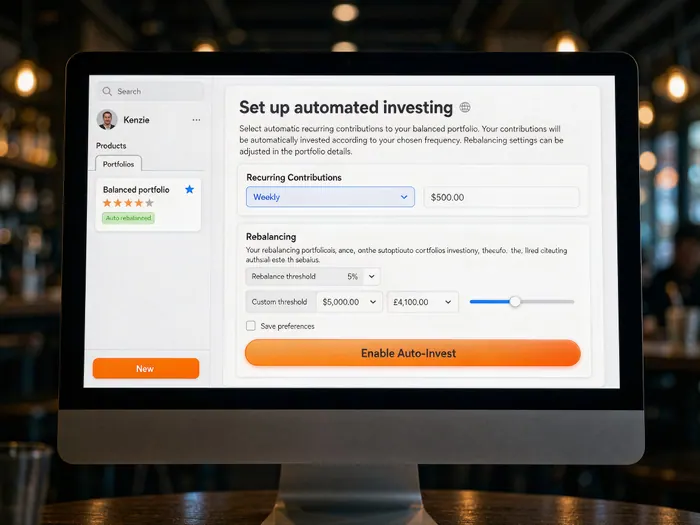
Set Up Automated Investing
Set up automated investing to build your portfolio consistently without emotional trading. Use Fidelity or Charles Schwab to set up recurring automated contributions. Dollar-cost averaging — investing a fixed amount regularly — reduces the impact of market timing and volatility. Automate your dividend reinvestment to let compound interest work for you. Set up portfolio rebalancing to maintain your target asset allocation. Automated investing removes emotion from the process and builds wealth over time.
 Howcompass
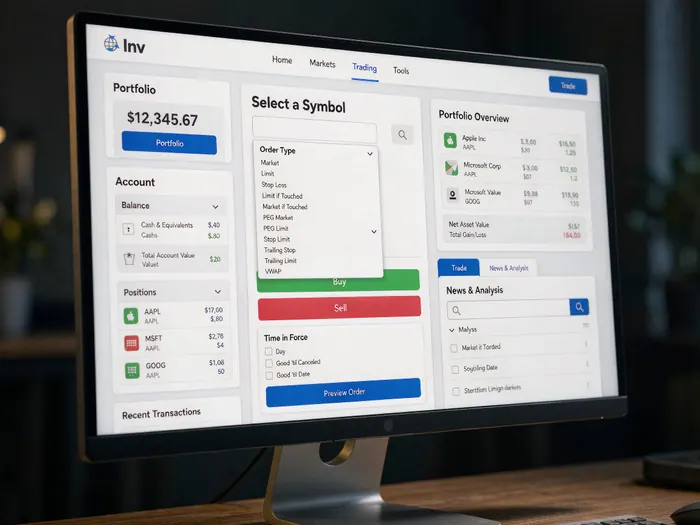
Learn the Trading Interface
Familiarize yourself with your brokerage's trading interface before placing trades. Learn where to find stock prices, company information, and trading tools. Understand the difference between the watchlist, portfolio view, and research sections. Use Fidelity or Robinhood to practice navigating the platform. Learn to read stock charts, view order types, and check your portfolio performance. A comfortable trading interface makes investing more efficient and less stressful.
Researching and Analyzing
 Howcompass
Choose Your First Stock
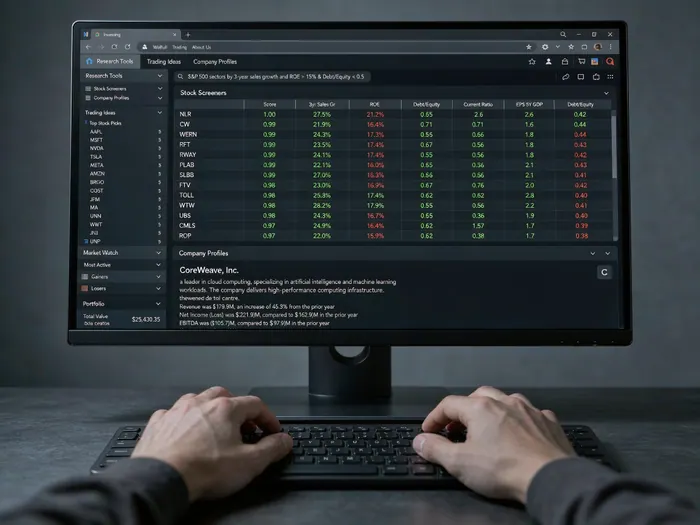
Start researching to choose your first stock. Look for companies you understand and believe in — investing in businesses you know makes research easier. Use Yahoo Finance or Stock Rover to screen for potential investments. Consider large, well-established companies like Apple, Microsoft, or Coca-Cola for your first stock — they are easier to research and less risky than smaller companies. Start with one or two stocks to learn the process before expanding your portfolio.
 Howcompass
Analyze Company Performance
Analyze a company's performance before buying its stock. Look at revenue growth, profit margins, and earnings trends over the past 3-5 years. Use Yahoo Finance to view historical financial data and key metrics. Compare the company's performance to its competitors and industry averages. Check for consistent earnings growth and strong balance sheets. Look at the CEO's track record and the company's competitive advantage. Performance analysis helps you identify quality companies worth investing in.
 Howcompass
Research Industry Trends
Research the industry trends that affect the companies you are considering. A company in a growing industry has more upside than one in a declining sector. Use Investopedia or Yahoo Finance to research market trends, regulatory changes, and competitive landscapes. Consider macroeconomic factors like interest rates, inflation, and consumer spending. Understanding industry trends helps you anticipate which companies are likely to succeed and which may struggle.
 Howcompass
Use Fundamental Analysis
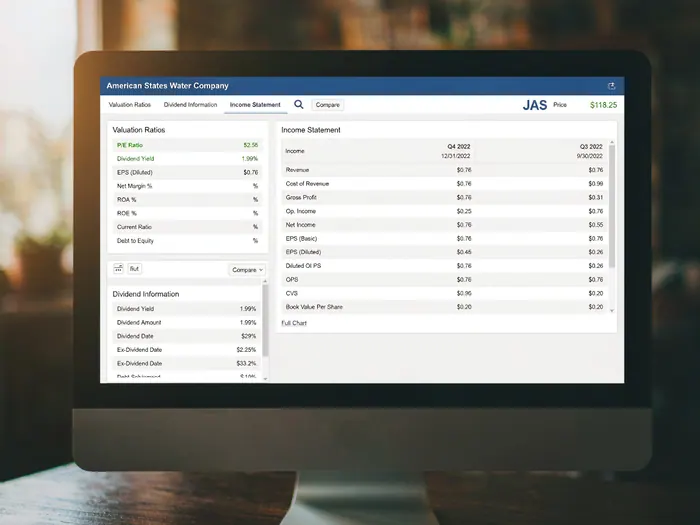
Use fundamental analysis to evaluate a company's intrinsic value. This involves examining financial statements, management quality, competitive position, and industry conditions. Key metrics include P/E ratio, P/B ratio, ROE (return on equity), and debt-to-equity ratio. Use Stock Rover or Yahoo Finance for fundamental data. Fundamental analysis helps you determine whether a stock is undervalued or overvalued. Warren Buffett uses fundamental analysis to identify quality companies at fair prices.
 Howcompass
Consider Technical Analysis
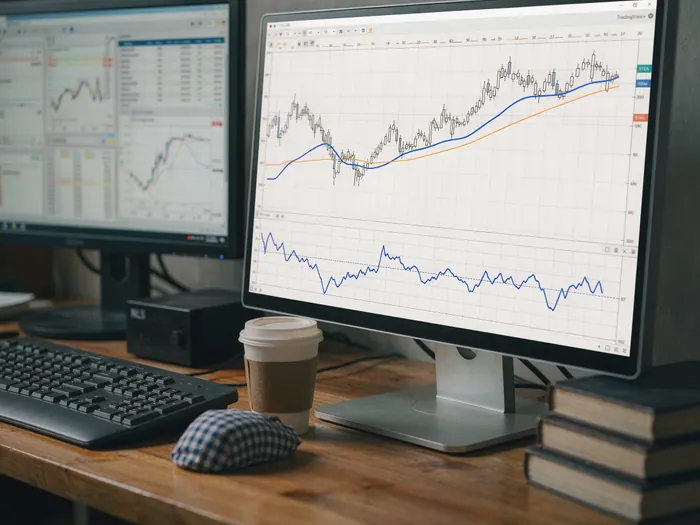
Consider technical analysis as a supplement to fundamental research. Technical analysis examines price patterns, volume trends, and indicators like moving averages, RSI, and MACD. Use StockCharts for professional charting tools. Technical analysis helps you identify entry and exit points based on price patterns. However, do not rely on technical analysis alone — combine it with fundamental analysis for a more complete picture. Technical analysis is useful for short-term trading but less relevant for long-term investing.
 Howcompass
Evaluate Risk and Diversification
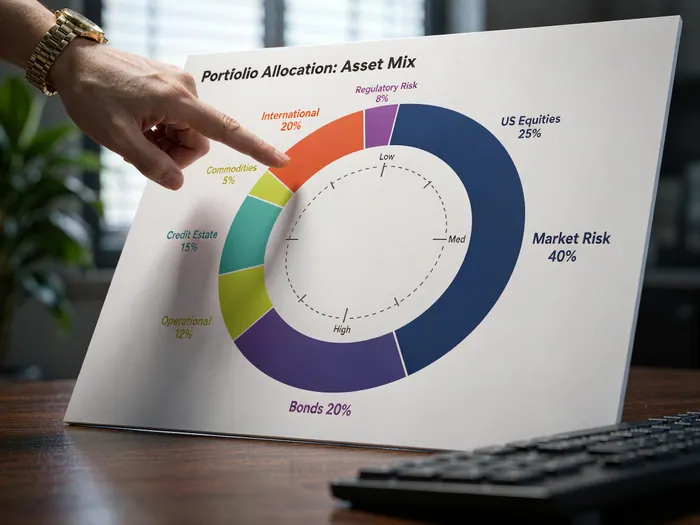
Evaluate the risks of each investment and diversify your portfolio to manage them. Never put all your money in one stock or one sector — diversification reduces risk without necessarily reducing returns. Consider your risk tolerance, investment time horizon, and financial situation. Use Investopedia to learn about risk management and portfolio theory. A diversified portfolio might include stocks from different sectors, geographic regions, and asset classes. Understanding and managing risk is the key to long-term investment success.
Trading and Managing
 Howcompass
Place Your First Trade
Place your first stock trade after thorough research and planning. Decide how many shares to buy based on your budget and risk tolerance. Use your brokerage's trading interface to enter the stock symbol, quantity, and order type. Confirm the order details before submitting — check the price, quantity, and order type. Use Fidelity or Robinhood for your first trade. Keep emotions out of it — stick to your plan and avoid impulsive trading decisions. Your first trade is a milestone in your investing journey.
 Howcompass
Choose Between Market and Limit Orders
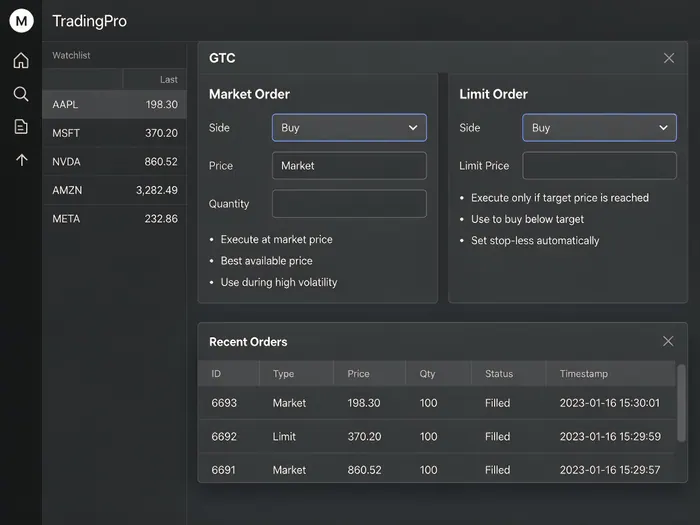
Choose the right order type for your trading strategy. A market order buys or sells at the best available current price — it is executed quickly but you do not control the exact price. A limit order sets a maximum price for buying or minimum price for selling — it gives you price control but may not be executed if the market does not reach your price. Use Investopedia to learn about order types. For beginners, market orders are simpler — but limit orders offer more control in volatile markets.
 Howcompass
Monitor Your Portfolio
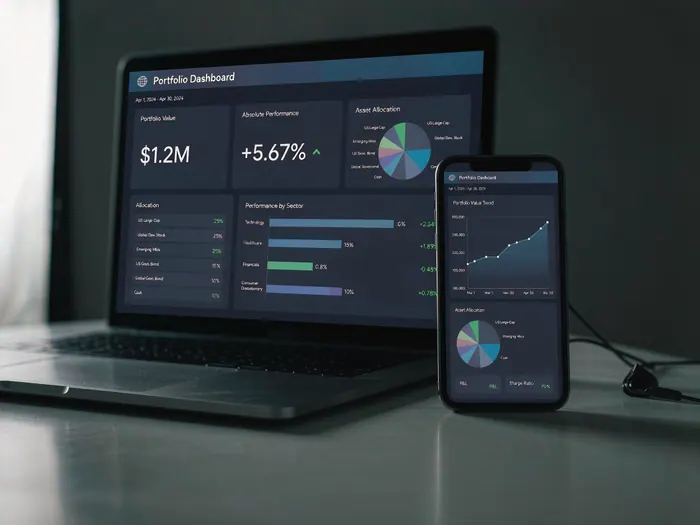
Regularly monitor your investment portfolio to track performance and make informed decisions. Review your portfolio weekly or monthly — check individual stock performance and overall portfolio returns. Use Yahoo Finance or your brokerage's portfolio view to track your investments. Compare your performance to relevant benchmarks like the S&P 500. Do not panic over short-term fluctuations — focus on long-term trends. Regular monitoring helps you identify problems early and make timely adjustments.
 Howcompass
Set Stop-Loss Orders
Set stop-loss orders to protect your investments from significant losses. A stop-loss order automatically sells a stock when it reaches a predetermined price, limiting your potential loss. For example, if you buy a stock at 50 USD, you might set a stop-loss at 40 USD to limit your loss to 20%. Use Fidelity or Charles Schwab to set stop-loss orders. Stop-loss orders help remove emotion from selling decisions and protect your capital. However, be careful not to set them too tight — short-term fluctuations can trigger unnecessary sells.
 Howcompass
Reinvest Dividends
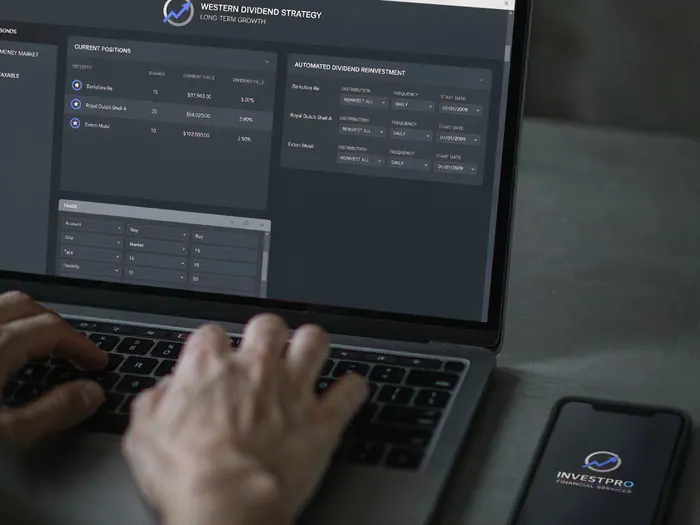
Reinvest dividends to accelerate your portfolio growth through compounding. Most brokerages offer automated dividend reinvestment (DRIP) — when a stock pays a dividend, the money is automatically used to buy more shares of that stock. Use Fidelity or Charles Schwab to enable dividend reinvestment. Reinvesting dividends takes advantage of compound interest — your returns generate their own returns over time. Over 20-30 years, dividend reinvestment can significantly boost your total returns.
 Howcompass
Understand Dividends and Earnings
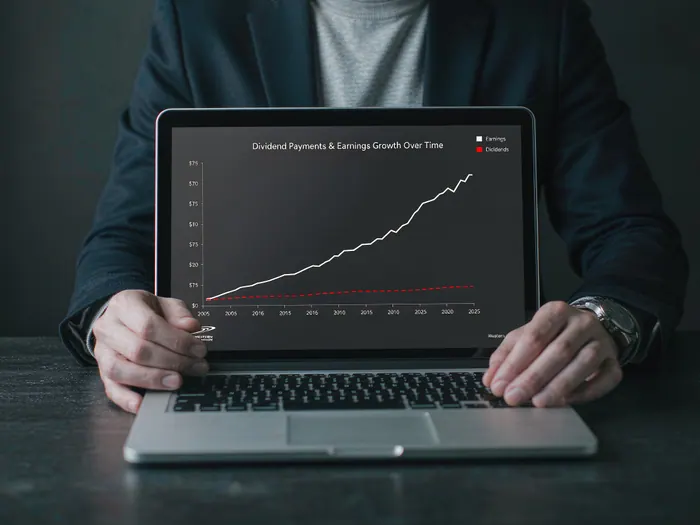
Understand how dividends and earnings work before investing. Dividends are cash payments that companies return to shareholders from their profits — they provide a steady income stream. Earnings are reported quarterly and show a company's profitability. Companies can use earnings to pay dividends, reinvest in growth, or buy back shares. Use Yahoo Finance to check dividend history and earnings reports. Understanding dividends and earnings helps you evaluate income stocks and growth potential.
Growing and Protecting
 Howcompass
Rebalance Your Portfolio
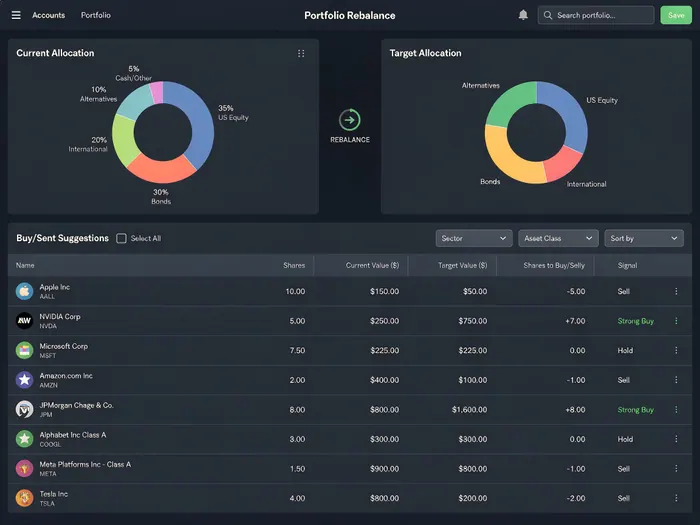
Rebalance your portfolio periodically to maintain your target asset allocation. Over time, some stocks grow faster than others, shifting your portfolio away from your target allocation. Rebalancing involves selling some investments and buying others to restore your desired mix. Use Fidelity or Vanguard for portfolio rebalancing tools. Many brokerages offer automated rebalancing for robo-advisor accounts. Rebalancing ensures you maintain your risk level and do not become overly concentrated in any one investment.
 Howcompass
Understand Tax Implications
Understand the tax implications of your stock investments. Capital gains — profits from selling stocks — are taxed differently depending on whether they are short-term (held less than one year) or long-term (held more than one year). Dividend income is also taxable. Use IRS publications and Investopedia to understand tax rules. Consider using tax-advantaged accounts like IRAs or 401(k) plans to minimize taxes. Understanding taxes helps you maximize after-tax returns.
 Howcompass
Plan for Long-Term Growth
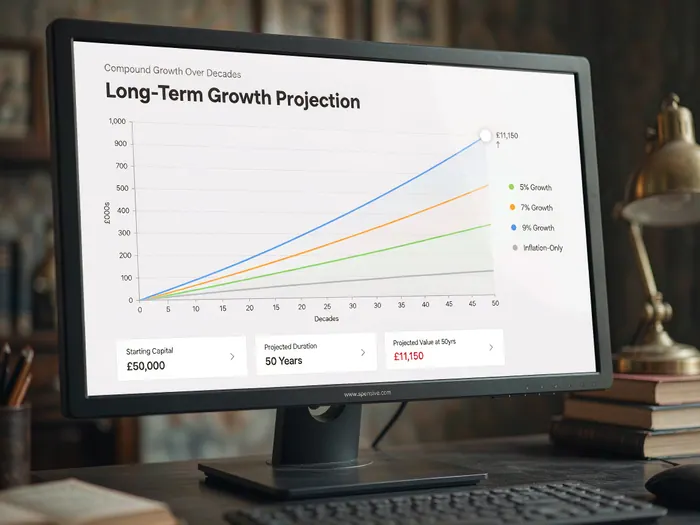
Plan for long-term growth by maintaining a consistent investment strategy. Compound interest is the most powerful force in investing — your returns generate their own returns over time. Use Investopedia to understand compound growth. Keep contributing to your portfolio regularly, even during market downturns. Stay focused on your goals and avoid reacting emotionally to short-term market fluctuations. Review and adjust your strategy annually as your goals and circumstances change. Long-term investing rewards patience and consistency.
 Howcompass
Protect Against Market Volatility
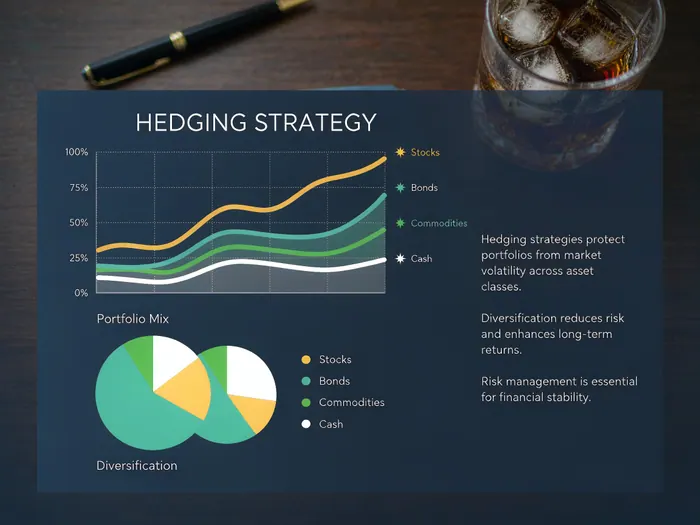
Protect your portfolio against market volatility with strategic diversification. Markets go up and down — protecting your investments means not being overly exposed to any single risk. Diversify across sectors, asset classes, and geographic regions. Consider adding bonds, real estate, or commodities to your portfolio for additional diversification. Use Investopedia to learn about risk management strategies. Dollar-cost averaging — investing regularly regardless of market conditions — naturally protects you from timing the market. Volatility is normal — protect against extreme losses, not short-term fluctuations.
 Howcompass
Dollar-Cost Average
Use dollar-cost averaging to invest consistently and reduce market timing risk. Instead of trying to buy at the lowest price, invest a fixed amount at regular intervals — weekly, monthly, or quarterly. This approach works well for beginners because it removes the pressure of timing the market. Use Fidelity or Vanguard to set up recurring investments. Dollar-cost averaging works because you buy more shares when prices are low and fewer when prices are high, lowering your average cost over time. If you need a powerful computer for financial research and trading, see our Build a Gaming PC guide. Consistency is more important than timing.
How to know it worked
- The emergency fund covers three to six months of essentials.
- The account is tax-advantaged where one is available.
- You can explain the fund's holdings and total expense ratio.
- A written plan states contribution amount, rebalancing rule and what you will not do.
Common mistakes to avoid
- Investing before an emergency fund exists, then selling during a bad month.
- Choosing funds by last year's return rather than cost and diversification.
- Concentrating in one company or one country and calling it a portfolio.
- Trading on headlines and paying spreads and taxes for the privilege.
- Ignoring platform fees, account fees and dividend withholding.
- Putting money needed within two or three years into stocks.
Frequently Asked Questions
Question: How much money do I need to start investing?
Many brokers allow fractional shares, so $50–$100 is enough to begin. What matters more is having an emergency fund and no high-interest debt. Investing $100 a month consistently beats waiting for a large lump sum.
Question: Index funds or individual stocks?
A diversified index fund is the better default for beginners: one purchase holds hundreds of companies and removes the need to pick winners. Individual stocks are a concentrated bet and belong only after the diversified core is in place.
Question: When should I sell?
Sell when you need the money, when the plan's rebalancing rule says to, or when the reason you bought has changed. Selling because the market fell is usually the most expensive decision available.
Question: What fees should I compare?
Compare the fund's total expense ratio, the broker's account or platform fee, trading commissions, currency conversion costs and dividend withholding. A 1% annual fee can consume a large share of returns over decades.
Question: How are investments taxed?
Dividends and realised gains are usually taxable, and the rules differ by country and account type. Tax-advantaged accounts can remove or defer the bill. Keep contribution and purchase records from day one and check your local tax authority.
Question: Should I use a robo-advisor or DIY?
A robo-advisor automates allocation and rebalancing for a small fee, which suits hands-off investors. DIY is cheaper once you are comfortable buying a broad index fund. Either is fine; the expensive option is trading frequently.
Tips
- Start with index funds or ETFs before individual stocks — they offer instant diversification and lower risk.
- Never invest money you need in the next 5 years — the stock market can drop significantly in the short term.
- Invest in companies you understand — if you cannot explain their business, do not invest in their stock.
- Set up automatic contributions to your brokerage account — consistent investing beats perfect timing.
- Avoid emotional trading — do not sell in panic during market downturns or buy in euphoria during upturns.
- Keep a long-term perspective — the stock market historically goes up over time, rewarding patient investors.
- Reinvest your dividends to take advantage of compound growth.
- Always diversify — never put more than 5-10% of your portfolio in a single stock.
- Use limit orders rather than market orders for better price control, especially in volatile markets.
- Track your portfolio performance against benchmarks like the S&P 500 to measure your investing success.
- Consider using a robo-advisor like Betterment for automated portfolio management.
- Keep learning — follow financial news, read investing books, and take courses to improve your investment knowledge.
- Review your portfolio and investment strategy at least annually — adjust as your goals and circumstances change.
- Use tax-advantaged accounts like IRAs and 401(k)s to minimize taxes on your investment gains.
- Start small — begin with an amount you can afford to lose, and gradually increase as you gain experience.
Warnings
- Never invest money you need for emergencies or short-term goals — the stock market can lose value in the short term.
- Do not put all your money in one stock — diversification is essential to managing risk.
- Avoid chasing hot stocks or following investment tips from social media without doing your own research.
- Never use margin trading as a beginner — borrowing to invest amplifies both gains and losses.
- Do not panic sell during market downturns — selling at a loss crystallizes your losses.
- Avoid penny stocks — they are highly speculative and often lose value quickly.
- Never trade based on emotions — fear and greed lead to poor investment decisions.
- Do not invest in companies you do not understand — always research before buying.
- Avoid day trading as a beginner — it is extremely risky and most day traders lose money.
- Never ignore taxes — understand the tax implications of your investment decisions before buying.
Things You'll Need
- Brokerage account (Fidelity, Charles Schwab, Vanguard, or Robinhood)
- Bank account linked for funding
- Investment budget (start with 100-1,000 USD)
- Emergency savings fund (3-6 months of expenses)
- Computer or smartphone with internet access
- Research tools (Yahoo Finance, Investopedia)
- Investment goals and risk tolerance assessment
- Tax identification number
- Identity verification (government-issued ID)
- Portfolio tracking spreadsheet or app
- Brokerage trading interface access
- News and market update sources
- Financial statement analysis tools
- Portfolio rebalancing plan
- Stop-loss order settings
Related Howcompass Guides




References (8)
- Investor.gov: Save and InvestU.S. Securities and Exchange Commission
- EDGAR Company FilingsU.S. Securities and Exchange Commission
- FINRA BrokerCheckFINRA
- An Essential Guide to Building an Emergency FundConsumer Financial Protection Bureau
- Mutual Fund Cost CalculatorU.S. Securities and Exchange Commission
- Bogleheads Wiki: Index FundsBogleheads
- Federal Reserve Economic DataFederal Reserve Bank of St. Louis
- Capital Gains and LossesInternal Revenue Service
Sources are listed so you can read the underlying guidance yourself. Our editorial policy explains how guides are reviewed.
What changed in this update: Reviewed November 2026: added the emergency-fund-first sequence, a written-plan checklist and the fee and concentration mistakes beginners make most.
Did this article help you?
0 readers found this helpful — add your vote.
No comments yet — be the first to share your results.