How to Write Book Reviews People Trust in Four Hundred Words
A guide to Read with the Review in Mind, Draft the Review in Thirty Minutes, Rate, Quote, and Handle Disappointment Honestly, Publish, Photograph, and Keep the Archive
Most online book reviews fail the same way: a long retelling of the plot, a vague verdict, and a star rating that really measures the reviewer's mood that evening. A useful review is a small decision-support tool. It exists so one specific reader — the person who has forty minutes and a card and wants to know whether this book is theirs — can reach a better answer than a blur of five-star average could give them. Everything in this guide follows from that single purpose, including the parts that feel restrictive: the quote limit, the summary cap, the spoiler rules. The method has a shape and a clock. You collect evidence while reading — margin marks, a short quote bank, a one-line log per session — so the draft writes itself from notes instead of from fading memory. You then draft in thirty minutes against a fixed structure, let the review rest overnight so your rating measures the book rather than your tiredness, and spend ten focused minutes editing the next day. Four hundred words is the working target: enough for a verdict, a comparison, two defended judgments, and a fair summary, and short enough that busy readers actually finish it. The last layer is trust. Honest reviewers disclose the free or advance copy, critique the craft instead of the author, rate a mystery against mysteries rather than against their expectations of all fiction, and keep spoilers behind clear warnings. They also keep records — a review archive, simple daylight photographs, and a rating key they defined for themselves — so that year two of reviewing sounds like the same person as year one. That consistency, not vocabulary, is what makes readers start waiting for your take.
Write reviews that help one named reader decide, not reviews that prove you read the book. While reading, mark page numbers, reactions, and six to ten short quotes. Draft in thirty minutes against a fixed shape: a one-line verdict, who the book suits, a setup-only summary of sixty to eighty words, what worked, and what did not. Quote one or two short lines and never the ending; rate against the genre rather than your mood; tag spoilers before they appear; disclose free or advance copies in the first line. Sleep on it, edit ten minutes, photograph the cover in daylight, and keep every review in one searchable archive.
- Time
- Thirty-minute draft, one night's rest, ten-minute edit; one or two reviews a week
- Cost
- $0-$25: library books and a phone camera, plus optional backdrop cloth
- Difficulty
- Beginner — careful reading and honest writing, no credentials required
- Works on
- Any reader reviewing genres they actually finish and can compare
- Not for
- Unfinished books, genres outside your range, or reviews written as retaliation
- Results
- Four-hundred-word reviews readers act on, a steady voice, and a searchable archive
How do you write Book Reviews People Trust in Four Hundred Words?
 Howcompass | How to Write Book Reviews People Trust in Four Hundred Words
Read with the Review in Mind
HowcompassName the Reader Each Review Must Serve
Before you open the book, write one sentence naming the person your review is for: the parent weighing a middle-grade series, the thriller reader who hates romance subplots, the coworker who loved the author's first novel. A review exists to help that reader decide whether to spend ten hours on this book, not to prove you read it or to show off your vocabulary. Wikipedia's overview of the book review traces how reviews grew out of buyer's guides and back into reader-to-reader advice, which is exactly the role you are filling. If you cannot picture the reader yet, start inside a genre you finish easily; our guide to choosing a good book you will actually finish is a good test of where your honest range ends.
 Howcompass
Pencil Page Numbers and Reactions in the Margins
Annotate as you read, and keep it light: a page number plus one word — flat, funny, confusing, gorgeous — captures far more than memory does a week later. If the book is a library copy or a review copy you must return, use sticky tabs in two colors instead, one for prose you loved and one for passages that lost you, so the pattern is visible before you reach the final chapter. Write down where your attention slipped, not only the good lines, because half of a useful review is saying precisely where and why a book slows down. Keep the marks short; you are gathering evidence for a draft, not writing the draft.
 Howcompass
Harvest Your Quotes Before the Last Chapter
As soon as a sentence stops you, copy it into a quote bank with its page number; a phone notes app works as well as a paper notebook for this. Aim for six to ten candidates per book, knowing you will keep only one or two in the finished review — the rest give you range when you need to show rather than tell. Quote sentences that demonstrate a quality, not sentences that merely sound lovely, because a reader should be able to feel the prose's rhythm from a single excerpt. Collect the quotes while the book is still fresh and before exhaustion at the ending makes people copy too much of it.
 Howcompass
Pick Books You Can Judge Against Their Genre
Review what you can evaluate fairly: if you never read fantasy, your three stars on a fantasy novel will measure your tolerance for magic systems rather than the book. Choose titles inside traditions you know well enough to name comparisons — the fourth cozy mystery of your year, the second memoir by this author — because readers trust a reviewer who can say what a book does relative to its shelf. Independent booksellers do exactly this work face to face; the American Booksellers Association, the national trade association for indie bookstores, describes how staff recommendations are framed as matches between a specific reader and a specific book. Copy that habit: pick the book you can place, not merely the book that arrived first.
 Howcompass
Log One Honest Line per Reading Session
At the end of every sitting, record a single line: date, pages read, and your own energy from one to five. A reading log looks like busywork but it separates the book's effect from your transient mood — the novel you resented on an exhausted Tuesday often reads differently on a rested Sunday, and the log reveals that before you commit a rating to the internet. Our guide to building a sustainable daily reading habit and book journal covers the same habit in more depth, including where to store it. Keep the log in one place, dated, and small enough that you have not abandoned it by the sixth week.
Draft the Review in Thirty Minutes
 Howcompass
Open with a One-Line Verdict and Rating
Start the draft with the verdict, not the setup: one sentence that tells the named reader whether to buy, borrow, skip, or argue. Something like a warm, slow family saga whose last hundred pages earn their sentiment gives them a claim to test against their own taste, and it commits you to defending that claim in the paragraphs below. Style guides such as the Chicago Manual of Style exist on the same principle readers reward writing that says what it thinks early. If the verdict will not come out in one sentence, you have not decided yet, and that is useful information: give the notes another day before you force a judgment.
 Howcompass
Say Who Will Love This and Who Will Not
Two sentences of who-it-is-for do more work than any amount of plot retelling, so make them concrete: if you liked the claustrophobic tension of thrillers set in one location, this is your book; if you need a protagonist you actively like, skip it. This is the single feature that most separates reviews people trust from reviews people skim, because it hands the decision back to the reader instead of pretending one set of tastes is universal. Pair these sentences with your verdict line and a busy reader can decide in fifteen seconds whether to keep scrolling — which is the whole job of the opening third.
 Howcompass
Summarize Only the Setup, Then Stop
Hold the summary to sixty to eighty words and stop at the moment the book's real question begins. For a novel that means who is in the situation and what changes — never what it resolves to. For nonfiction it means the author's claim and the shape of the argument, not the punchline of the conclusion. Plot summaries balloon when they retell scenes instead of describing the engine of the book, and a four-hundred-word review has no room for a paragraph that informs nobody. If a reader wants more than the setup, your review has already told them whether to go find it themselves.
 Howcompass
Split the Body into Worked and Did Not Work
Make the middle of the review two labeled moves rather than a blur of impressions. What worked: two or three specifics — the pacing of the second act, how dialogue carries the backstory — each backed by a page reference or a line from your quote bank. What did not: the same honesty in reverse, phrased as an effect on you as a reader, such as subplots converging so neatly that the characters stopped surprising you. A good place to check your wording is the Purdue Online Writing Lab, whose resources on evaluating sources model exactly this habit of pairing claims with evidence. Defensible observations about craft give a reader something to weigh; adjectives alone give them nothing.
 Howcompass
Draft against a Timer, Then Sleep on It
Set a timer for thirty minutes and write the whole review straight through from your margin marks and quote bank without polishing; a first pass that takes longer usually means you are editing in your head instead of drafting. Then put it away overnight, because the rest is what converts a hot reaction into a judgment about the book rather than about your mood that evening. The next day, spend ten focused minutes fixing the obvious: cut stacked adjectives, check every claim against a page number, and confirm that a reader who never opened the book can follow the argument. This draft-rest-edit rhythm is the same one that makes longer writing projects survivable.
Rate, Quote, and Handle Disappointment Honestly
 Howcompass
Quote One or Two Lines and Nothing More
A long quotation is not evidence; it is substitution. Keep excerpts to one or two short sentences from the front or middle of the book, never the final pages, never the key reveal or the death scene, and let each excerpt do a job: show the prose rhythm you praised or demonstrate the clunk you are criticizing. Copy from your quote bank rather than from the book while posting, so you do not slide into retyping whole passages. The discipline is the same one academic writing schools teach — quote sparingly, quote pointedly, and surround every excerpt with your own sentence explaining why it is there.
 Howcompass
Rate Against the Genre, Not against Your Mood
Calibrate before you press the stars: a four means this book does what its genre promises well, not that you were feeling generous that afternoon. Rate a cozy mystery against other cozy mysteries, a debut against the promise of its premise, and the book you started exhausted against where it had you by chapter three, not chapter one. Sites from Goodreads' own help center onward build recommendation engines on star data, and their published review rules assume honest ratings, so a mood-skewed score quietly misleads every reader who comes after you. When the book and your mood genuinely disagree, say so in the verdict line instead of shading the stars.
 Howcompass
Cut Plot Summary until the Review Breathes
The most common failure in reader reviews is four paragraphs of retelling plus one vague it was good. Read your draft back and delete every sentence that only moves the story along without evaluating it: in a four-hundred-word review you can afford roughly one summary sentence per hundred words, and the rest should be judgment, evidence, and who-it-is-for. If the plot is genuinely the reason you are writing — a twist, an ending that divided readers — describe its effect without describing its content. Nonfiction reviews bloat the same way when they list chapter contents instead of testing the author's argument, so the trim applies to both.
 Howcompass
Mark Spoilers before the Reveal, Not after
Assume that anything you say about a book under two years old will be read by people who are halfway through it. Put spoiler material behind your platform's hide or spoiler-tag feature rather than inventing your own warning that still shows up in the preview, and say at the top of the review whether you will discuss past the first act — then keep that promise. The killer's identity, a major character's death, and how a series ends all spoil even when you are vague about them, because vagueness about who dies is still a death notice. When in doubt about a platform's mechanics, its help section, such as Goodreads', states what reviewers are expected to mark.
 Howcompass
Critique the Craft, Never the Author's Identity
You are allowed to dislike a book, and honest one-star readers help everyone: they tell you exactly what a book does wrong before you spend ten hours on it. The line to hold is between the work and the person — the editing left three points of view tangled in one scene, not something cruel about whoever wrote it. Attack decisions you can point to on the page, concede what the book does well even inside a negative review, and delete any sentence you would be embarrassed to say to the author's face in a bookshop. Indie booksellers argue about books all day without contempt; that is the register to imitate.
Publish, Photograph, and Keep the Archive
 Howcompass
Disclose Free and Advance Copies Up Front
If a publisher, author, or shop sent you the book — print, ebook, or audio code — say so in plain words on the first line of the review, not buried at the end. United States guidance treats a free book as a material connection that can affect how much a reader trusts the review, and the FTC's endorsement guides FAQ explains that reviewers must disclose products they received for free or were paid to discuss. Add a second line for advance or uncorrected copies, because their page numbers differ from the published book and the text is not yet final; re-edit your quotes after publication day. Disclosure costs one sentence and buys credibility for every sentence after it.
 Howcompass
Photograph the Book in Plain Daylight
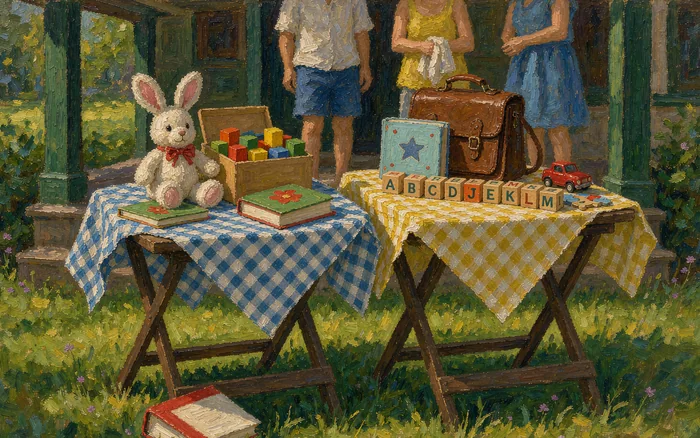
One good photo beats five: lay the book flat on a neutral surface — a wooden table or a smoothed cotton sheet — near a window on an overcast day, so the light is even and glare stays off a glossy jacket. Include one detail shot that supports the review specifically: the copyright page if you mention the edition, your bookmark resting where the book lost you, or the spine standing between the two comparators you named. Keep the background uncluttered and the whole cover in frame, since busy readers scroll past anything that looks like a stock photo. When the shots pile up, file them the way our guide to organising a growing digital photo library describes, by book and date.
 Howcompass
Edit in Ten Minutes with a Reader Test
Before you publish, run one test: someone who has not read the book should be able to say, after thirty seconds of skimming, whether it is for them and why. Cut the opening sentence if it is throat-clearing, replace interesting and enjoyable with a concrete effect, and check every page number, character name, and author name spelling against the book itself rather than memory. Ten focused minutes catches nearly everything a longer anxious edit would, because a four-hundred-word review is small enough to hold entirely in your head at once. If the reader test fails, do not polish harder — the missing information is usually the who-it-is-for sentences, so add those and stop.
 Howcompass
Fix a Voice and a Reusable Review Shape
Readers come back to a reviewer the way they come back to a favorite shop assistant: not for the verdict on one book but for a recognizable way of thinking about many. Keep the same skeleton every time — verdict, who-it-is-for, setup, what worked, what did not, closing line — and let your voice live in the comparisons you reach for and the single line you choose to quote. Avoid tics you cannot sustain, like a private rating scale only you understand, because consistency is what turns fifty scattered reviews into a reputation. If you write at greater length between reviews, our guide to writing a book covers how a prose voice compounds across projects.
 Howcompass
Keep a Searchable Archive of Every Review
Store each published review in one place with its date, title, author, your rating, the platform, the link, and a column noting whether the copy was free. A plain spreadsheet is sufficient, and it answers questions you cannot predict: which authors you have covered, how your star ratings have drifted across a year, which old reviews still bring readers, and which photograph folders match them. Keep the images in the same folder structure so nothing is stranded on an old phone. The shelf of books worth rereading is the public face of this habit, and our guide to curating a personal classics shelf shows how a reviewed-often collection naturally becomes a curated one.
How to know it worked
- Your review opens with a one-line verdict and a who-it-is-for pair, before any plot.
- The summary stays at sixty to eighty words, stops at the book's premise, and reveals nothing past the setup.
- One or two short quoted lines appear at most, each with a page number, none from the final pages.
- The rating follows your written genre key, matches your own words, and the free or advance copy is disclosed on the first line.
- The review is in your archive with date, platform, link, rating, and its photographs filed alongside.
Common mistakes to avoid
- Retelling the plot for most of the review and ending with a vague it was good, leaving the reader no judgment to use.
- Rating your mood rather than the book, then wondering why your average keeps drifting every time life gets busy.
- Quoting the ending, the twist, or whole paragraphs of prose instead of one or two working lines.
- Reviewing a genre you never read as an act of volume-chasing, producing scores that measure your patience, not the book.
- Publishing straight from the first draft — or accepting a free copy and softening the review — without the overnight rest and disclosure line.
Frequently Asked Questions
Question: How long should a book review be?
About four hundred words for a platform review: one-line verdict, two sentences on who the book suits, a setup-only summary of sixty to eighty words, two or three judged specifics, and a closing line. That length is long enough to defend an opinion and short enough that a busy reader finishes it. Longer essays are fine on your own blog, but keep the same shape so readers can skim.
Question: Do I have to finish the book before reviewing it?
You have to finish it to review the whole book, but a did-not-finish note is a legitimate review. Say plainly where you stopped, after how many pages, and what had gone wrong for you. Do not rate or criticize the ending you never read, and do not summarize the remaining plot from other people's reviews. A short, specific abandoned-book note helps readers more than a vague low star.
Question: How much of a book can I quote without getting in trouble?
Keep it to one or two short sentences that each do a demonstrable job, with a page number, never from the final pages. Short quoted lines inside a much longer original review are the traditional practice of book criticism, and style manuals treat brief, attributed quotation as the norm. Never reproduce long passages or an author's distinctive charts; if you need more, send the reader to the book.
Question: What counts as a spoiler in a review?
Anything that changes what a not-yet-read experience would feel like: who dies, who the culprit is, how the series ends, a late twist, or the answer to a nonfiction book's central question. Naming the genre is safe; naming the payoff is not. For older books expectations loosen, but label what you are doing at the top of the review.
Question: I review for a local shop and blog. Do I need to disclose free books?
Yes. If a publisher, author, or store provided the copy, disclose it visibly in the review itself, not only in a site-wide footer. U.S. Federal Trade Commission guidance treats a free product as a connection affecting reader trust. It costs one sentence, it never lowers honest ratings, and readers and shops extend more trust to reviewers who disclose than to those caught not disclosing.
Question: How do I keep my star ratings consistent year to year?
Write a one-page key for yourself defining each star in terms of a genre you actually read — a five as a book you would press on a friend, a two as one you would not finish — and store it with your archive. Reread the key before each rating, and rate against the shelf, not your mood or another genre's bestsellers. Consistency keeps averages meaningful.
Question: Should I post on a Goodreads-style site, a blog, or both?
Start where the readers who need you already are. A book platform is where people check a title before buying, so short platform reviews travel far; your own blog gives you length, photographs, and an archive nobody can redesign. Many reviewers write the full version on their blog, then adapt a trimmed copy for the platform with identical verdict and rating so the two never contradict each other.
Tips
- Write the verdict sentence first, even if you delete and rewrite it last; it forces you to decide before you perform.
- Keep a notes file of comparison titles as you read — naming two shelf-neighbors makes who-it-is-for concrete in seconds.
- End negative reviews with one genuine compliment you can find in the book; it proves you read fairly and keeps you published-friendly.
- Take the cover photo the day you finish, while the tabs are still in it; staged reshoots lose the evidence shots.
- Schedule one weekly half-hour slot for the edit and publish pass, the same day each week, so output stops depending on inspiration.
Warnings
- Never reveal a current book's ending, death, or culprit without using the platform's spoiler feature and a warning line above it; casual reveals are the complaint reviewers most often get removed for.
- Do not let a free or advance copy change your rating. If you feel obligated to go easy on a book someone sent you, say nothing about the copy's quality — the disclosure protects readers only when the judgment stays honest.
- Keep criticism on the page: nothing about the author's appearance, intelligence, identity, or private life. Craft-based negatives are reviewable; personal ones read as harassment and courts shops and platforms alike act on them.
- Do not quote more than a sentence or two, reproduce cover art you have no rights to in commercial posts, or lift phrasing from professional reviews you read before writing your own; paraphrase theft is still theft.
Things You'll Need
- A soft pencil for margin notes in owned copies
- Sticky tabs in two colors for library and review copies
- A pocket notebook or phone notes app for the quote bank
- A kitchen timer for the thirty-minute draft
- The book's front matter and colophon page for edition details
- A smartphone with a decent rear camera
- A plain cotton sheet or wooden board as photo backdrop
- A small stack of books to steady the phone above the cover
- A reusable review template with the fixed six headings
- A laptop or keyboard you can draft quickly on
- A spreadsheet for the review archive, or a notes app if simpler
- A dated folder for review photographs, local and backed up
- A printed or online style manual for names and quotations
- A cardigan-and-cold-coffee reading spot for the overnight reread of your own draft
Related Howcompass Guides



References (6)
- FTC's Endorsement Guides: What People Are AskingFederal Trade Commission
- Goodreads Help CenterGoodreads
- American Booksellers AssociationAmerican Booksellers Association
- The Chicago Manual of Style OnlineUniversity of Chicago Press
- Purdue Online Writing LabPurdue University
- Publishers WeeklyPublishers Weekly
Further reading
- Book ReviewWikipedia
Encyclopaedia entries are background, not evidence: no step below rests on one of these.
Sources are listed so you can read the underlying guidance yourself. Our editorial policy explains how guides are reviewed.
Did this article help you?
0 readers found this helpful — add your vote.
No comments yet — be the first to share your results.