How to Teach Card Games That Four Players Learn in Ten Minutes
A guide to Build a Small Library That Fits Four Players, Teach a Game in Ten Minutes, Run the Night Without Arguments or Overruns, Include Everyone and Close on a High Note
A card night fails far more often from teaching than from the games themselves. Four players sit down, the host talks for nine minutes about scoring exceptions nobody asked about, and by the first real hand two people are quietly deciding they will not come back. The fix is structural rather than enthusiastic: pick games that genuinely suit four players, teach them in a fixed order that starts with how you win, and let one short practice hand carry more of the explanation than any amount of talking. This guide assumes a small, deliberate library rather than a closet full of boxed games. Eight titles spread across four families — trick-taking, rummy-style collecting, shedding, and cooperative play — cover almost any group, and three or four identical decks let you separate colours, replace a bent card mid-session, and run a two-deck game without anyone guessing which pack a card came from. Add a one-sided cheat sheet per player, a visible timer, and a small whiteboard, and the same evening runs on schedule instead of drifting. The social side is where mixed-age tables come apart, so the last two phases treat it as setup work rather than luck. Agreeing ground rules before the first deal, naming one referee for the session, keeping stakes in points, pairing for skill gaps, and giving children and older players card holders and large-print cards all remove the small frictions that turn a friendly game into an argument. Plan the rotation and the closing round deliberately, and the group leaves wanting to book the next night.
Build a library of eight games spread across trick-taking, rummy-style, shedding, and cooperative play, and keep three decks so you can separate colours and replace worn cards. Choose games that fit four players and a 36-to-44-inch square table. Teach in a fixed order: state the win condition in one sentence, demonstrate one turn face up, add one special rule at a time, then run a five-minute throwaway practice hand. Leave a one-sided cheat sheet at the table, agree on a rules referee and a hard end time before the first deal, keep stakes in points rather than money, and rotate partners every two rounds.
- Time
- Ten minutes to teach a game; two and a half hours for a full four-player night
- Cost
- $45-$110: three or four plastic-coated decks, a small whiteboard, two card holders
- Difficulty
- Beginner — no bidding system or memorised card values required to host
- Works on
- Four to six mixed-age players at one 36-44 inch table with good light
- Not for
- Games needing a full 52-card memory of discards, or stakes in cash
- Results
- Everyone taking their first real turn within ten minutes of sitting down
How do you teach Card Games That Four Players Learn in Ten Minutes?
 Howcompass | How to Teach Card Games That Four Players Learn in Ten Minutes
Build a Small Library That Fits Four Players
HowcompassSort Your Games Into Four Families
Start with eight games, two from each family, and you will rarely be stuck for a choice. Trick-taking games reward planning and pair naturally into partnerships. Rummy-style games are about collecting sets and runs, which children pick up fast because the goal is visible in the hand. Shedding games, where the aim is simply to be first out of cards, run short and loud. Cooperative games have the whole table working against the deck, which is the kindest option when one player is much newer than the rest. The classification index at Pagat is the plainest way to see how these mechanics and objectives overlap, and it is worth browsing before you buy anything.
 Howcompass
Match Games to Player Count and Table Size
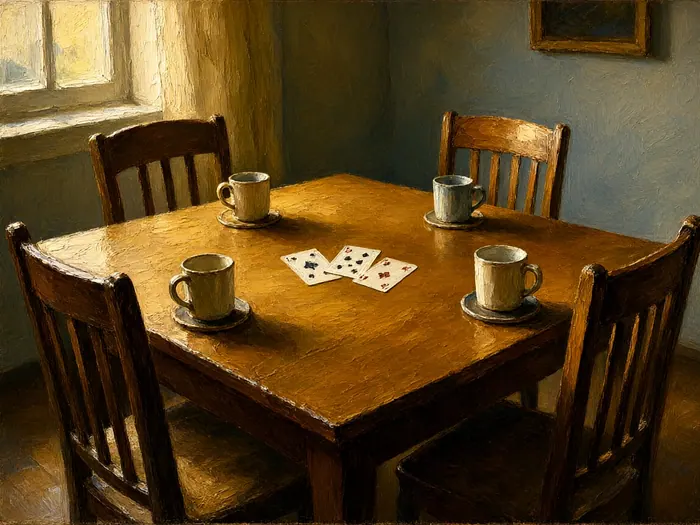
Read the player range before the artwork, and treat four players as the sweet spot rather than the maximum. Each seated player needs about 24 inches of edge and 18 inches of depth, so a 36-to-44-inch square table works and a narrow console does not. Games that need a shared discard row, a tableau of six or more cards, or a draw pile in the middle all want the larger end of that range. If your best table only seats three comfortably, prefer games with a single central pile and hands of seven cards or fewer. The seating logic in our guide to hosting a small dinner party where guests click applies here too: one table, sightlines between all four players, nothing blocking the middle.
 Howcompass
Buy Several Decks to Separate Colours
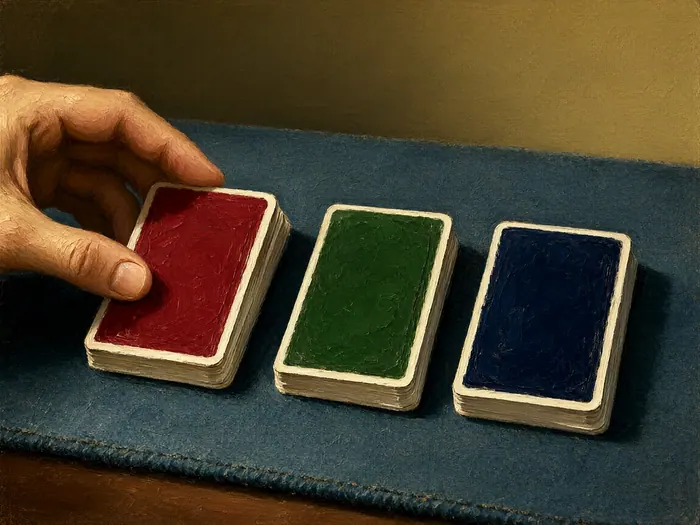
Buy three or four identical plastic-coated decks at $8 to $15 each rather than one premium set. Two decks with different back colours let a two-deck rummy game run without anyone arguing about which pack a card came from, and the third is your spare when a card is stepped on or marked. Different back colours also help players who misread suits: they can sort by deck before sorting by suit. Keep one deck for practice hands only, so real cards never get scribbled on or bent during teaching. Write the purchase month on the inside of the tuck box with a pencil; most household decks start sticking together after roughly two years of weekly use.
 Howcompass
Care for Decks So They Last Years
Deck care is mostly about oil and corners. Wash and dry hands before dealing, store each deck flat in its tuck box or an airtight container with a small silica packet, and keep the box out of direct sun and away from a radiator, because heat and light warp the coating and fade the printing. Never rubber-band a deck tight for long storage; the compression leaves permanent crease lines along the edges. Clean marked cards with a barely damp cloth and dry them flat, and retire a deck once more than about five cards are recognisable from the back, since marked cards quietly change who wins. The International Playing-Card Society documents how cards were made and printed over centuries, which is useful background if you inherit an old uncut deck and want to know whether it is worth playing with.
 Howcompass
Print One Cheat Sheet per Player
Make the sheet before the night, not during it. Use one side of an index card at 12-point type or larger: the win condition in the first line, then the turn sequence in three numbered steps, then any special rule, then what ends the round. Nothing else. Fit it beside the deck so a player can read it without reaching across the table, and laminate or tape it if drinks are in play. Copy the wording from the publisher or a documented rules source rather than from memory, which is why the rules index on the Bicycle site belongs in your bookmarks — it covers Euchre, Spades, Hearts, Gin Rummy, Crazy Eights and similar titles with the standard wording, and it is what you compare a house rule against when someone insists their version is correct.
Teach a Game in Ten Minutes
 Howcompass
State the Win Condition First
Open with one sentence about how a player wins, and say nothing else until that sentence has landed. Empty your hand first, reach a target score of 500 points, or take the most tricks in four rounds are all complete sentences a beginner can hold in mind, and every rule you teach afterwards becomes a means to that end instead of a random restriction. Give the sentence, then ask one player to repeat it back in their own words; it takes fifteen seconds and catches misunderstandings that cost you ten minutes later. Do not begin with the deck composition or the scoring table, because those are the least motivating facts on the page and the only ones most players forget by the second hand.
 Howcompass
Demonstrate One Full Turn Face Up
Deal three cards to each player and leave them face up, then walk one complete turn slowly: draw, do the thing, pass clockwise. Doing beats describing, because turn order and whose turn it is cause more beginner confusion than any rule content. In a trick-taking game, play four cards to the table and show that you must follow the suit led and the highest card of that suit wins unless a trump is played — the structure of the whist family described at Pagat's trick-taking index. Keep your hands moving the whole time and narrate in the present tense: you draw, you play, your left-hand opponent wins. Three minutes of this replaces five minutes of explanation, and the face-up cards mean nobody is hiding anything.
 Howcompass
Add One Special Rule at a Time
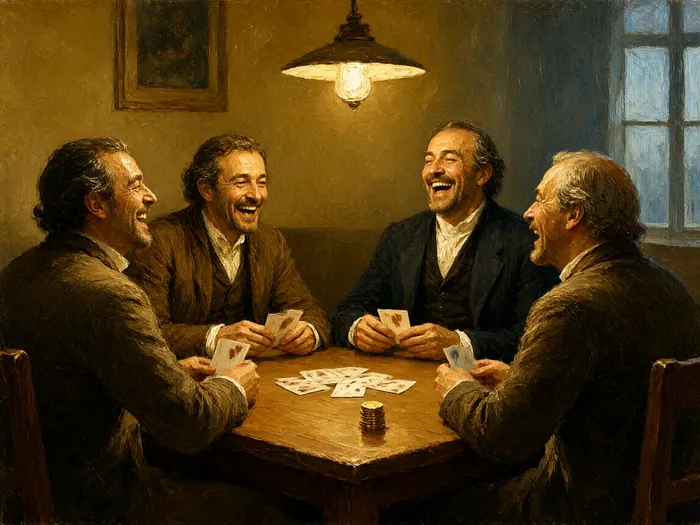
Teach the special rules in order of how often they come up, one per pass, and pause every two minutes to ask what would happen if a named card were played now. Most games have exactly three or four rules that matter in the first two hands; save penalties, bonuses, and end-game scoring until the second round. If a rule needs a sentence about exceptions, drop it — nothing that requires remembering an exception list belongs in a ten-minute teaching script. For games with bidding or card-point values, resist the urge to teach the whole system; the beginner lessons at the American Contract Bridge League learning page show how even a card game with a deep bidding tradition gets taught in layers over weeks rather than minutes.
 Howcompass
Run a Throwaway Practice Hand
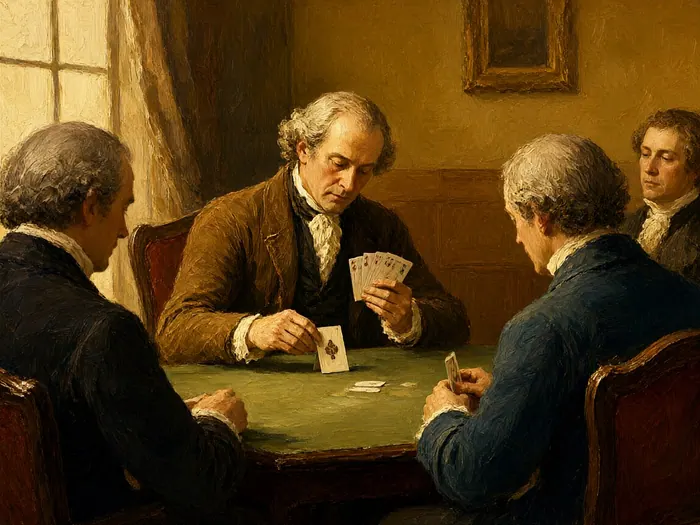
Play five minutes with nothing riding on it: use the practice deck, keep cards face up for the first round, and say out loud that this hand is being thrown away. Announce that you will shuffle the real game out of this hand, and warn the table that it will feel slower and sillier than the version they just watched, which is true and removes the fear of looking foolish. Correct only what breaks the turn order during the practice hand and let small mistakes pass, because a beginner holding three corrections in one round stops guessing. At the end, ask each player for the one rule they are least sure about, answer those three things, then deal the real hand.
 Howcompass
Let the Cheat Sheet Do the Rest
Once play starts, stop talking and let the card on the table answer questions. Point at the relevant line instead of restating the rule, because a player who reads the sheet once will read it again without you and a player who is always told will never learn the game. Take the cheat sheet up on the second night for a game you have played before, when nobody needs it, and keep it out for new games and for anyone over sixty-five or under ten, since reading a card is far cheaper than holding a spoken instruction list in memory. If a rule dispute survives the sheet, table it until after the hand rather than stopping play to litigate it.
Run the Night Without Arguments or Overruns
 Howcompass
Agree on Ground Rules Before the First Deal
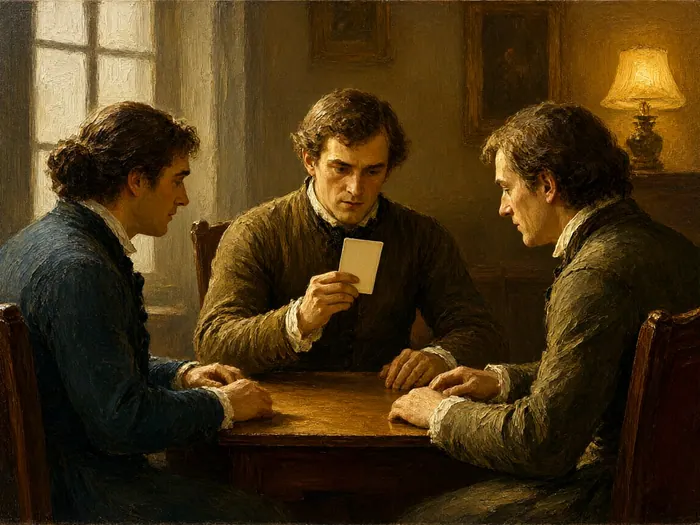
Take two minutes for a session-zero agreement while everyone is still standing or just sitting: one referee for the night, points rather than money, a per-game time cap, phones face down between hands, and no coaching unless a player asks. Say each item and get a nod, then ask whether anyone wants to add or change one. This works because the small frictions of a card night are almost never about cards: they are about whether it is acceptable to look at a screen during someone's turn and whether a stronger player may freely correct a weaker one. Our guide to facilitating a difficult conversation across beliefs covers the same principle: naming the process before people are attached to an outcome makes the disagreement much smaller.
 Howcompass
Name One Rules Referee for the Night
Pick the referee before the first hand and make it someone who is not the most invested player in the game — often the person least likely to win works best. Their job is narrow: read the cheat sheet, read the source rules if the sheet is silent, and give a ruling that stands until the next game. The host stays free to keep time and manage the rotation. Two rules make this painless: the referee may not invent a house rule mid-hand, and any house-rule change is voted on between games rather than during one. Log disputes out loud in two words on the whiteboard margin — trump timing, discard order — so patterns surface across the night and next week you can settle them on paper.
 Howcompass
Cap Game Length With a Visible Timer
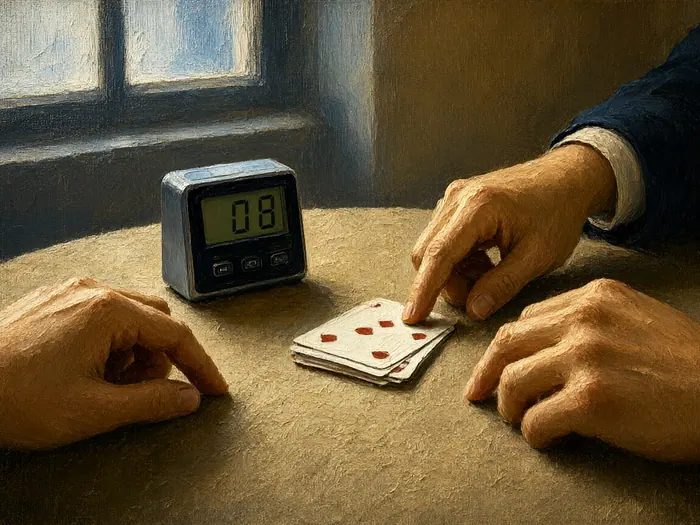
Set a hard end time for the evening and a per-game ceiling of 45 to 60 minutes, then put the phone or kitchen timer where all four players can see it. Four players who each take a minute over a fifteen-trick game add 60 minutes to one evening, and time pressure is the single most common reason a friendly night runs past everyone's patience. Announce the ceiling before the deal, call a two-minute warning out loud, and pick games that end on a natural boundary — a target score, a hand limit, or a finished deck — so an overrun never leaves a game unfinished. Structured timing is not hostile; our timed debate night guide shows how a visible clock makes a group night feel generous rather than rushed.
 Howcompass
Keep Stakes in Points Not Money
Score games in points, and if the group insists on something riding on the result, make it a chore, a snack choice, or the right to pick next week's game. Cash changes the tone of four-player games faster than any rule does: it converts a friendly correction into an accusation and makes an unfinished hand feel like a loss rather than a rounding error. Set a target score of 250 to 500 points so a game lands inside your time cap, and use tokens or matchsticks worth a fixed 10 points rather than writing every score line, since physical tokens make the round's winner obvious at a glance. Never let the target float mid-game, because a moving goal is what arguments actually form around.
 Howcompass
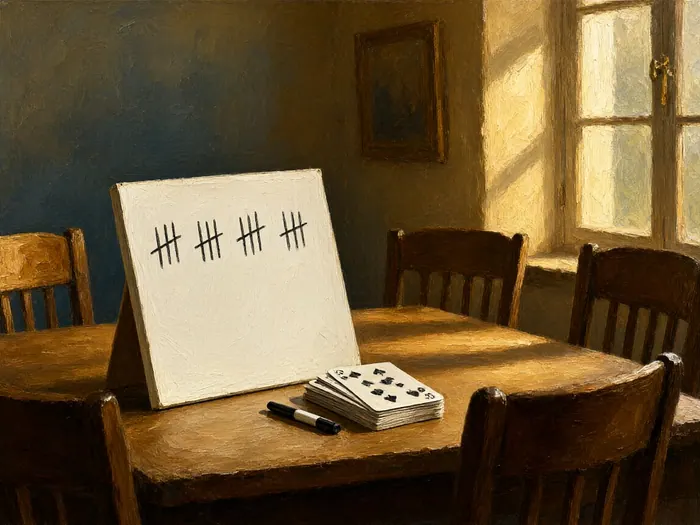
Track Scores on a Small Whiteboard
Use an 8-by-10-inch dry-erase board propped where all four players can see it, with a name column per player and a row per hand, and write only numbers up to three digits. Visible scores do two jobs at once: they end the argument about what someone scored last round, and they let a weaker player see that a bad hand is one row of eight rather than the whole night. Photograph the board at the end so the record survives erasing, and use the margin for the two-word dispute log. Keep a second marker uncapped somewhere; the most common whiteboard failure is a dry pen at the moment the winning score needs recording, which starts exactly the argument you bought the board to prevent.
Include Everyone and Close on a High Note
 Howcompass
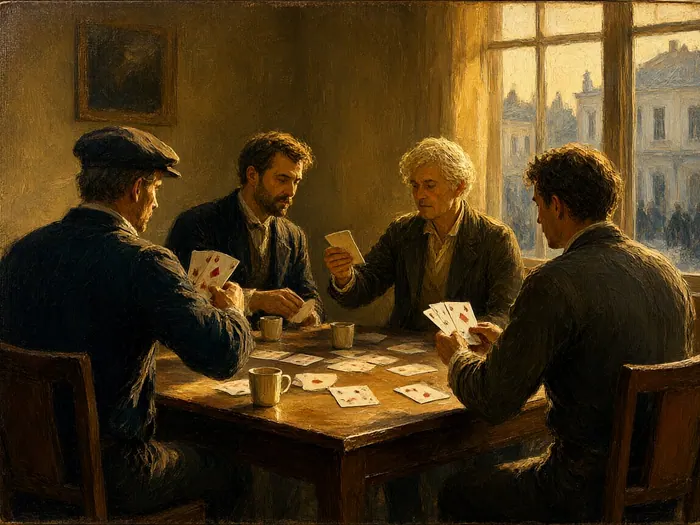
Seat and Pair for Skill Gaps
For partnership games, seat the strongest player opposite the newest and pair strongest with weakest, then swap after two rounds so nobody spends an evening as the burdened half of a fixed pair. Place the newest player where they can see the dealer's hands during the teaching phase, which is usually the seat to the host's right. Where the gap is very wide, use a handicap rather than an exemption: the leading pair plays to 500 points while the other pair plays to 400, or the weaker pair starts with a 10-point bonus and one free look at the cheat sheet per hand. Say the handicap out loud and keep it small, because an obvious giveaway demoralises the stronger pair and teaches the newer player nothing transferable.
 Howcompass
Give Players Card Holders and Large Print
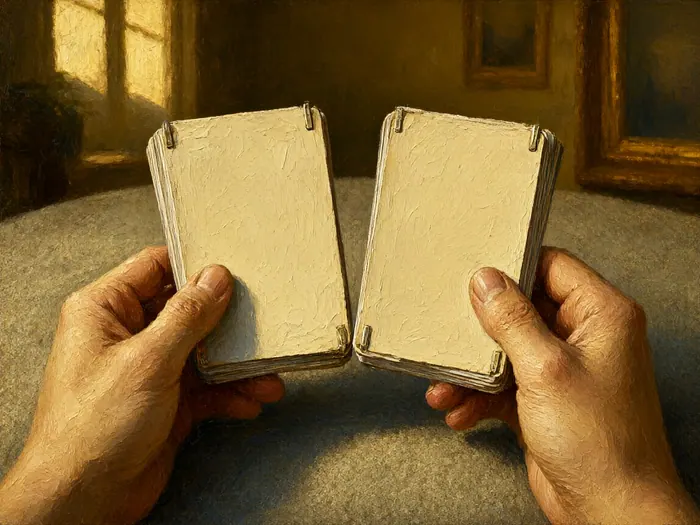
Put two folding card racks on the table at $7 to $15 each and offer them to anyone who holds a hand for more than five minutes: a rack removes the grip work that tires arthritic hands and lets a child see all eight cards at once instead of peeking. Buy one large-print or jumbo-index deck so suit and number are readable at arm's length, and keep lighting on the table rather than behind it, since glare on a coated card is what actually stops older players reading. A rack also frees both hands for drawing, which matters for anyone using a mobility aid. Teach with the rack in place from the first hand so it never reads as an accommodation.
 Howcompass
Adapt Suits for Colour-Blind Players
Red suits printed in similar shades are unreadable for a share of players, and men are affected far more often than women, so assume at least one person at a mixed table struggles to separate hearts from diamonds. Fix it cheaply: choose decks with high-contrast black-and-red printing, use two decks whose backs differ strongly in brightness rather than only hue, and add tactile markers such as a paper corner clip on one card of each suit, a strip of tape along the top edge of the trumps, or a raised dot sticker on key court cards. Ask privately what works rather than narrating it at the table, and read the practical guidance at Colour Blind Awareness before buying a specialised deck.
 Howcompass
Rotate Partners So Everyone Plays Together
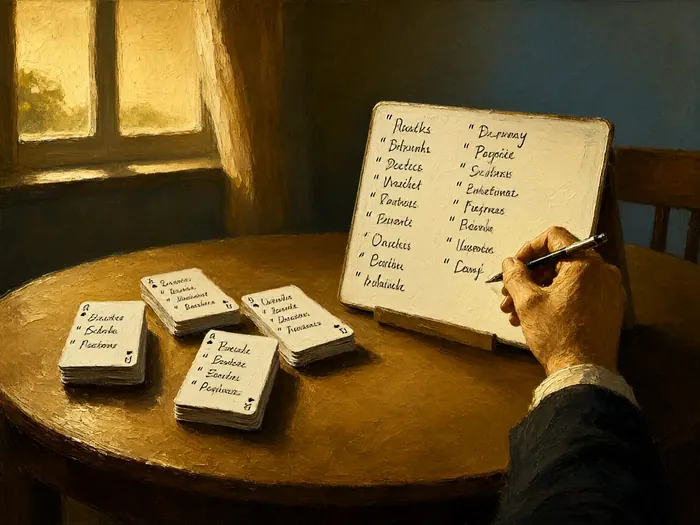
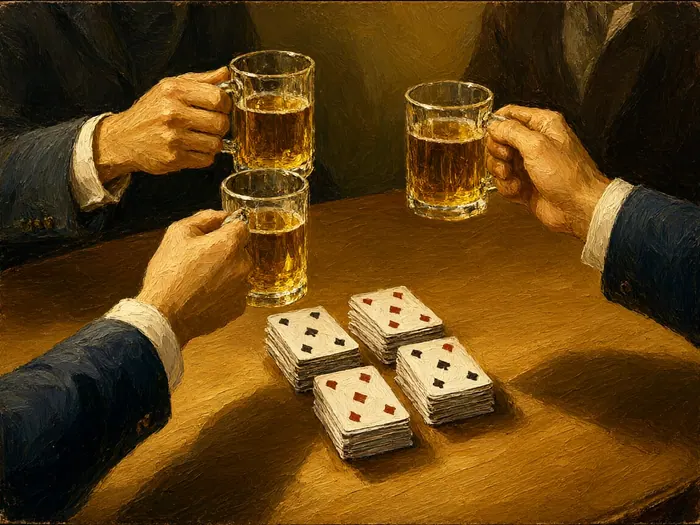
Run the evening as three or four rounds of two hands each, and change who plays with whom between rounds, writing the rotation on the whiteboard before round one so nobody has to negotiate it live. With five or six players, send the two who are sitting out to a side table with a two-player shedding game and a timer, and swap them back in after two rounds. If players do not already know each other, spend three minutes before the first deal on a question card round, and the icebreaker question card guide has the format that works: one question, everyone answers in fifteen seconds, no follow-up interrogation. A written rotation is also what stops the strongest four from drifting into a private table by round three.
 Howcompass
End Well and Pick Next Week's Game
Close with a two-minute highlight round before scores are announced: each player names one play from the night, including theirs, and no analysis is allowed. Then post the final numbers, thank the referee out loud, and choose next week's game from two options you pre-selected rather than an open vote, which reliably turns into eight minutes of silence. Offer one game from a family the table has not played yet so the library keeps stretching, and take a photo of the score board to send to the group chat so the record survives the drive home. If the night ran long, book 15 minutes earlier next time rather than promising better discipline; our trivia night planning guide is a good change of pace for a group that needs a break from decks.
How to know it worked
- All four players take an unassisted turn within ten minutes of sitting down, with no rule explained twice.
- Every player can state the win condition in their own words before the first real hand is dealt.
- The practice hand finished in five minutes or less and nobody asked to skip it.
- The session-zero agreement covered referee, time cap, points-only stakes, phones, and coaching, and everyone nodded to it.
- The evening ended at or before the announced time, with next week's game already chosen from two options.
Common mistakes to avoid
- Starting the explanation with deck composition and scoring instead of the win condition, so players have no frame to hang rules on.
- Teaching every special rule in one pass, including the rare exceptions that need an exception list to remember.
- Letting the host be the referee, which turns every ruling into an argument about the host rather than the printed rule.
- Running long games with no natural endpoint, then extending the night past the point where anyone is still learning.
- Pairing by friendship instead of by skill, so the same two players win all night and the other two disengage.
Frequently Asked Questions
Question: Which card games can four people really learn in ten minutes?
Games with one obvious goal and no bidding. Shedding games where the aim is to empty your hand, simple trick-taking games in the whist family where you follow suit and the highest card wins, and basic rummy games built on sets and runs all fit. Avoid games with card-point values, contract bidding, or a scoring table of more than six rows until the group has played together a few times.
Question: How many decks do I actually need for a four-player group?
Three is the practical minimum: two matching decks with different back colours for any game that calls for two packs, plus a third kept as a spare and a practice deck. Buy plastic-coated decks at $8 to $15 each. Four decks is better if children are in the group, because cards get stepped on, and a single recognisable card back is enough to make a game unwinnable fairly.
Question: How do I stop rules arguments derailing the evening?
Name one referee before the first deal and give them a narrow job: read the printed sheet, rule, and the ruling stands until the next game. Log disputes in two words on the whiteboard margin and settle house-rule changes by vote between games, never during a hand. Most arguments shrink the moment the process, not the answer, is agreed in advance.
Question: What if one player is much stronger than the others?
Pair the strongest player with the newest and swap partners after two rounds. Use a small handicap rather than an exemption: the leading pair plays to 500 points, the other pair to 400, or give the newer pair one free cheat-sheet look per hand. Say the handicap out loud and keep it small enough that the newer player still makes real decisions.
Question: How do I include children and older players without making it strange?
Offer a folding card rack and a large-print or jumbo-index deck from the very first hand, so neither reads as special treatment later. Light the table rather than the room, keep hands to seven or eight cards, and seat the youngest or newest player where they can see the demonstration. Two-hour nights are too long for under-tens; plan a 45-minute block with a break.
Question: Are money stakes ever fine in a friendly card night?
Points are safer and rarely missed. Cash changes the tone of corrections and unfinished hands, and it puts pressure on players with less of it. If the group wants something riding on the result, use a chore, the snack choice, or the right to pick next week's game, which keeps the incentive social and lets you end on schedule.
Question: How long should each game run before I cut it off?
Set a per-game ceiling of 45 to 60 minutes and an evening end time, with a visible timer on the table. Choose games that finish on a natural boundary such as a target score or a spent deck, and call a two-minute warning. If a game consistently blows the cap, shorten it with a lower target rather than extending the night.
Tips
- Deal the practice hand with the spare deck and say out loud that this hand is thrown away. It removes the fear of playing badly in front of others.
- Keep the cheat sheet to one side of an index card at 12-point type or larger. A second side is a rule list nobody reads mid-hand.
- Buy two decks whose backs differ in brightness, not just hue, so colour-blind players and anyone in poor light can tell the packs apart.
- Put the timer where all four players can see it. A clock the host alone watches produces resentment rather than pace.
- Photograph the whiteboard before you erase it. The end-of-night argument about last round's score is the one the photo prevents.
Warnings
- Do not teach a game from memory or from a variant you half remember. Check the publisher or a documented rules source first, then write the cheat sheet from it, because a confident wrong rule spreads to the whole table and is hard to retract.
- Retire a deck once more than about five cards are recognisable from the back. Marked cards change outcomes silently, and nobody at the table can prove it happened.
- Stop the night rather than letting it run 45 minutes past the agreed end time. Overtired players argue more, learn nothing, and start declining invitations.
- Do not narrate a player's colour vision or memory needs at the table. Ask privately what works, then make the change for everyone so it is not a spotlight.
Things You'll Need
- Three or four plastic-coated 52-card decks
- Two decks with contrasting back colours
- One large-print or jumbo-index deck
- Spare deck for practice hands only
- Two folding card racks
- Small dry-erase whiteboard, 8 by 10 inches
- Two uncapped whiteboard markers and an eraser
- Laminated one-sided cheat sheet cards, four minimum
- Blank index cards and a fine pen for notes
- Coloured tokens or matchsticks worth 10 points each
- Visible kitchen timer or phone timer stand
- Airtight deck boxes with a silica packet
- Low-contrast matte tablecloth or felt mat
- Directed task lamp lighting the table, not the room
Related Howcompass Guides




References (7)
- Pagat: Card Game Classification IndexPagat (John McLeod)
- The Whist Group: Plain Trick-Taking Games with TrumpsPagat (John McLeod)
- Learn How to Play Card GamesThe United States Playing Card Company (Bicycle)
- Learn — Beginner Bridge Lessons and ResourcesAmerican Contract Bridge League
- International Playing-Card Society — The Playing-Card JournalInternational Playing-Card Society
- The World of Playing Cards — History, Design and Makers ArchiveThe World of Playing Cards
- Colour Blind Awareness — Practical Guidance on Colour Vision DeficiencyColour Blind Awareness
Sources are listed so you can read the underlying guidance yourself. Our editorial policy explains how guides are reviewed.
Did this article help you?
0 readers found this helpful — add your vote.
No comments yet — be the first to share your results.