How to Run a Bingo Night That Raises Money for Your School
A guide to Weeks 1-4: Get Approval, Set a Target, Cap the Costs, Weeks 4-8: Pick the Room, Print Cards, Fix the Numbers, Game Night: Price, Pacing, and Verifying Every Win, Money, Volunteers, and the Report the School Sees
Bingo raises money because it is easy to join: a player buys a card pack, sits down, and stays for an hour while marking numbers. That simplicity is also the trap. The night succeeds or fails on decisions made weeks earlier, long before anybody calls a number: whether the school and the venue have said yes in writing, whether the room lets the back row see and hear, whether one caller can realistically handle the crowd, and whether two adults are always together when cash is touched. This guide treats the event as four phases with a deadline each. First you get approvals and set a target you can defend with arithmetic. Then you pick the room, print the cards, and choose how numbers get generated and verified. Then you run the games on a clock, with a script for callers and a fixed check for inspectors. Finally you bank the money cleanly, thank the people who showed up, and hand the school a totals report nobody has to question. Two guardrails run through everything. Rules for fundraising games differ from one place to the next, so ask the venue and your local authority what applies to a school fundraiser before you advertise anything, and never quote a dollar threshold you read on the internet. Then keep the money boring: numbered tickets, two people counting, one signed sheet per denomination, and a prize list published before doors open. Volunteers who follow that pattern get thanked; volunteers who improvise get audited.
Run a volunteer bingo night in four moves. Eight to ten weeks out, get dated written approval from the school and the venue, ask both about permits and insurance, and confirm local rules for fundraising games with your local authority. Set a target bottom-up: about 80 players spending 15 to 25 dollars each, with costs under 30 percent of gross. Print 75-ball cards with serial numbers, keep 40 to 60 cards per caller, rehearse callers out loud, and pair every claim with a two-inspector check. Count cash with two adults on a signed sheet, publish the prize list, then send the school thanks and honest totals within two weeks.
- Time
- 8-10 weeks of planning; a 2-hour event plus 3 hours setup and teardown
- Cost
- $150-$400 up front: cards, daubers, prizes, printing, light refreshments
- Difficulty
- Beginner-friendly logistics; the hard parts are approvals, pacing, and cash discipline
- Works on
- A room for 40-120 players, 6-8 volunteers, a school or community-hall venue
- Not for
- Anyone promising winnings, running unapproved games, or counting money alone
- Results
- A typical 80-player night nets $900-$1,500 for the school once costs are paid
How do you run a Bingo Night That Raises Money for Your School?
 Howcompass | How to Run a Bingo Night That Raises Money for Your School
Weeks 1-4: Get Approval, Set a Target, Cap the Costs
HowcompassGet Written Approval From School and Venue
Eight to ten weeks out, send the principal a one-page request that names the date, the room, the expected headcount, your contact, and who will handle money, then ask for a reply by email so the approval carries a date. Send the same page to whoever controls the venue and ask three questions in writing: does the space require a special-event permit or an extra insurance rider for a fundraising game night, what is the maximum number of people allowed, and who signs off on your table layout. Rules for fundraising games vary by location, so confirm local rules with the venue office and your local authority before printing tickets, and look at how one state agency describes its role in nonprofit bingo and raffles on the Oregon Department of Justice charitable activities page.
 Howcompass
Set a Fundraising Target From Real Numbers
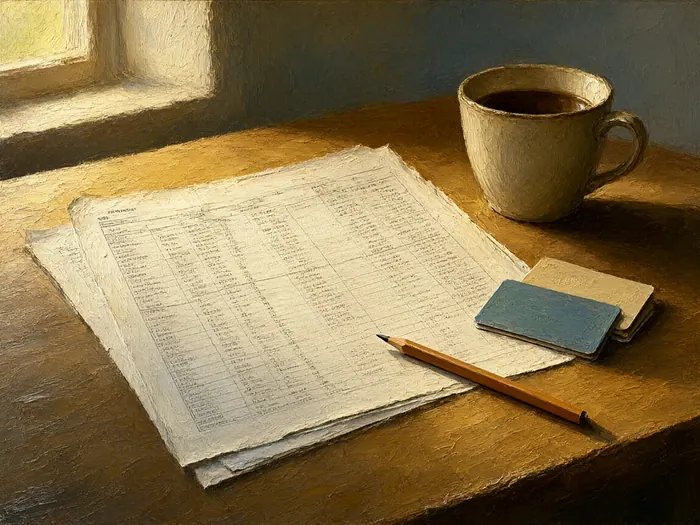
Build the target bottom-up instead of picking a round number you like. Estimate seats you can actually fill, then assume 70 percent attendance for a first event: 120 seats suggests about 85 players. Decide what one player spends on an ordinary night, usually 15 to 25 dollars across card packs, extra cards, and a raffle, which puts gross near 1,300 to 2,000 dollars. Subtract costs and keep them under 30 percent of gross, then round your public target down, not up, because a beat target sells next year's tickets and a missed one costs you the committee. Write the arithmetic on one page so a new volunteer can check it.
 Howcompass
Cap Every Cost on One Budget Page
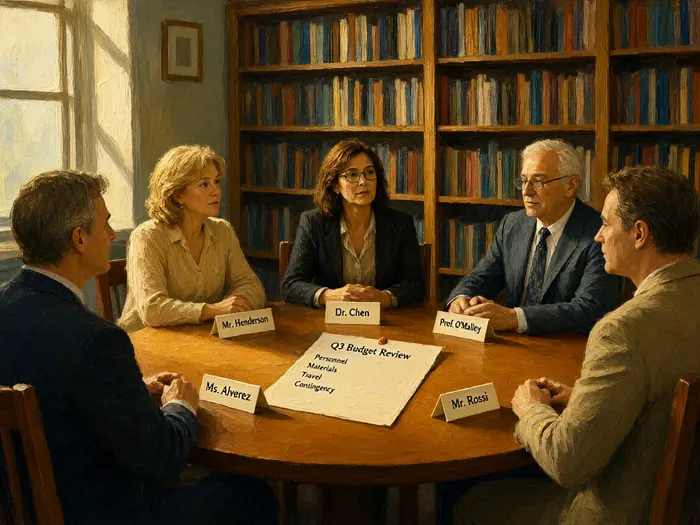
List the six lines that actually eat a bingo night: card printing, daubers, prizes, venue contribution, sound, and refreshments. Realistic figures for 80 players are 60 to 120 dollars for ink and card stock, 50 to 90 dollars for bulk daubers, 150 to 250 dollars in donated or discounted gift cards, 50 to 150 dollars back to the venue, and 40 to 80 dollars for coffee and cookies. Put a hard ceiling beside each line and a name beside the ceiling, because an unnamed budget line gets spent twice. Ask the venue about event liability coverage while you are at this page rather than the week before.
 Howcompass
Recruit Six Volunteers With Named Jobs
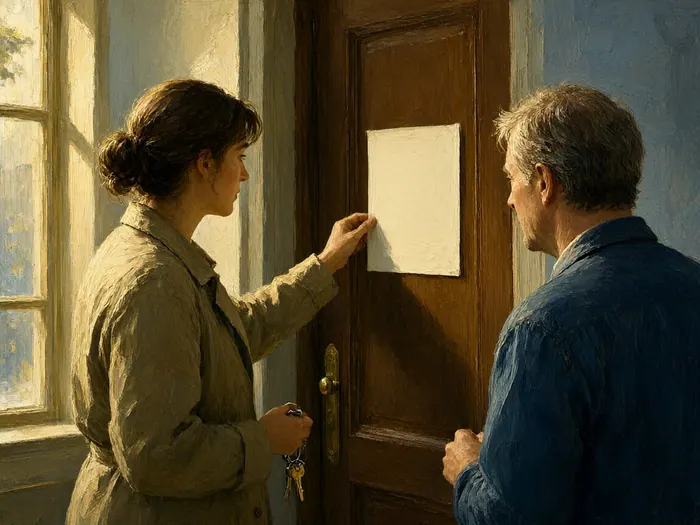
Six to eight people is the smallest committee that can cover one absence without cancelling. Assign one lead, one approvals and venue contact, one card and printing lead, two callers, one head inspector, and one money captain, and write the job next to the name where everyone can see it. Meet for 30 minutes each week for the first four weeks, then twice in the last two weeks. If your school does not have a fundraising group yet, the mechanics of forming one and getting it chartered are covered in our guide to start a student club or society at your school, and the same steps work for a parent volunteer team.
 Howcompass
Publish the Rules Sheet and Prize List
Before you sell a ticket, put one page online and one page on the door that states the price tiers, how many games you will run, the pattern for each game, what each prize actually is, and how a win gets verified. Listing prizes before play is what separates a fundraiser people trust from one they avoid, and the accountability expectations donors have are summarized by the national nonprofit coalition on Independent Sector. Write the sheet in plain sentences, keep it under 300 words, and have someone who was not involved read it back to you; whatever they ask about twice is the wording you still need to fix.
Weeks 4-8: Pick the Room, Print Cards, Fix the Numbers
 Howcompass
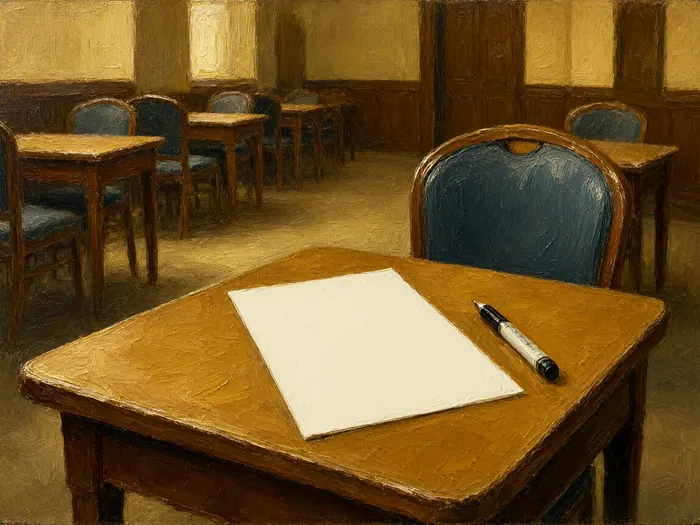
Check Sightlines and Echo Before Booking
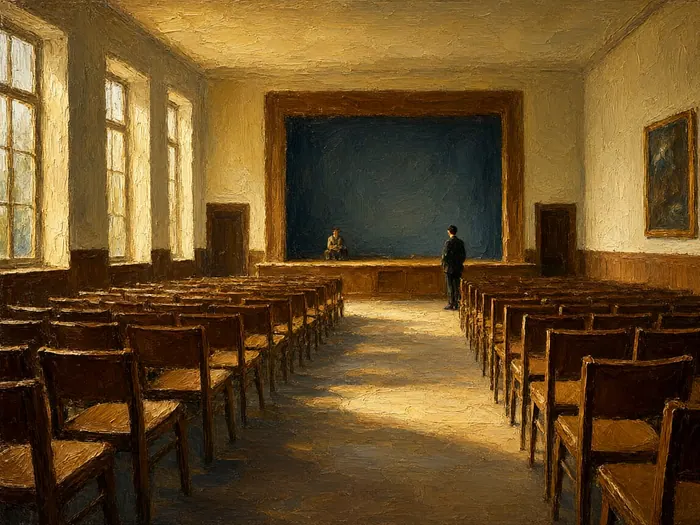
Visit the room at the hour you will actually play, with the lights set as they will be. Sit in the last row and have a partner stand at the front reading at conversational volume; if you cannot repeat back what you heard, the room is wrong or you need a microphone, not sharper ears. Walk the sightlines to the board or screen from every corner and shift anything that blocks a row: stacked chairs, pillars, a fire door that must stay clear. Echo is the usual culprit in cafeterias and gyms, so choose a room with soft walls, run the game away from the hard service counter, and start an hour later if the afternoon sun turns the wall into glare.
 Howcompass
Make Every Seat Reachable and Readable
Accessibility is a layout decision, not a favor. Keep at least one step-free entrance open with working door hardware, leave a clear aisle wide enough for a wheelchair along each block of tables, and hold the front-row and near-aisle seats for players who ask, without making them justify it. Offer large-print cards, seat people who lip-read where they can see the caller, and print the rules sheet in a size a squinting grandparent can read at arm's length. The ADA National Network is a useful free source for practical questions about access at events, and asking the venue for its access summary costs you nothing.
 Howcompass
Work Out Cards Per Caller and Player
A caller can honestly manage 40 to 60 cards in play per game; past that, verification slows and disputes start. Give each player 6 to 10 cards for a three-game block, which is the sweet spot where the game feels winnable without a hundred claims per round. Print cards in batches of about 50 per caller, and print a unique serial number on every card so an inspector can tie a claim to one sheet rather than one person's memory. Standard 75-ball cards hold 24 numbers under five lettered columns, so a pack of 12 covers a wide spread and a pack of 20 raises the odds for whoever buys it.
 Howcompass
Source Daubers and Cards Cheaply
Bulk ink daubers run roughly 75 cents to a dollar fifty each in packs of a dozen, and they are the item volunteers steal, so buy two refills per dauber and write the table number on each barrel in permanent marker. Home printing is fine: two cards per sheet on ordinary paper gives 100 cards from 50 pages, which is under 15 dollars of ink at office prices, but print a test page first and check the grid lines survive a cheap printer. Ask a local print shop for a sponsor rate and offer their name on the rules sheet. Hand out one dauber per paying player, keep 20 spares at the door desk, and stop issuing them when claims get sloppy.
 Howcompass
Choose a Number System and a Backup
Decide how numbers are produced and who reads them: a physical ball cage, a tablet app that pulls 75-ball numbers at random, or numbered slips in a drum. Any of the three works if a second person watches the draw and calls out each result twice. Run a 25-number test with the actual equipment the week before, because an app that hides the letter behind a menu or a cage that jams on one ball will waste your whole evening. Log every drawn number in order on a sheet the caller never has to look up from, keep that sheet until the totals report is filed, and put a charged spare phone and a paper drum in the same box as the primary system.
Game Night: Price, Pacing, and Verifying Every Win
 Howcompass
Price Tiers and Sell Card Packs
Three tiers beat one price because they let a family and a keen regular both feel welcome. Try 10 dollars for a starter pack of 8 cards and the first two games, 20 dollars for 20 cards plus every standard game, and 50 dollars for a family pack of 40 cards shared at one table. Sell extra cards at 1 dollar each from the door desk and stop taking money the moment a caller begins a pattern, because a card bought mid-game creates a claim nobody can settle fairly. Run the desk as one line with two volunteers and a numbered ticket book, and post the prices on the door so nobody negotiates at the table.
 Howcompass
Rehearse Callers With a Short Script
Two hours of rehearsal with two callers and the real equipment is the highest-value hour in the whole plan. Write a three-line script: name the pattern, call each item as letter then number twice with four to six seconds between calls, and close with a plain claim sentence. Keep the pattern list taped to the desk so nobody invents a shape mid-round. Rehearse out loud, not in your head, and time a full three-minute round to check the pace feels urgent but not breathless; running a mixed program of read-aloud rounds is the same craft as the pacing work in our guide to design a fun 20-question trivia night. Swap in the backup caller once, so they learn the desk.
 Howcompass
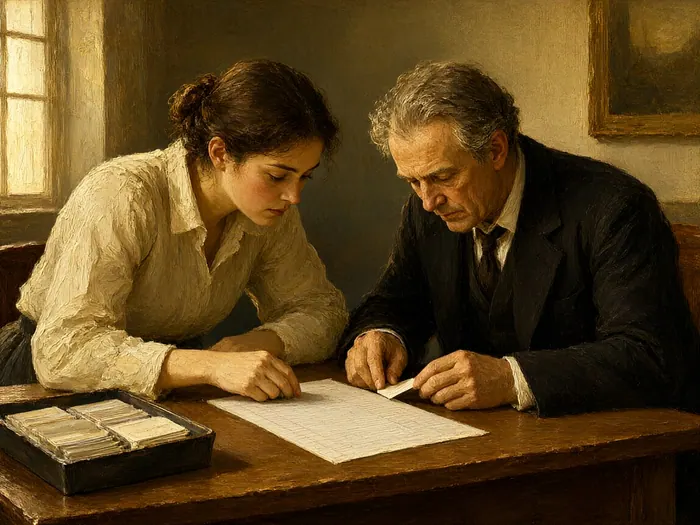
Train Inspectors to Check Before Paying
Every claim gets the same 60-to-90-second check, performed by two people, before a prize moves. The first inspector asks the player to read the winning numbers aloud, in order, while the second compares each one against the drawn numbers on the log sheet and the card serial against the ticket stub. Anything that fails goes on a hold tray rather than into an argument, and the head inspector decides with the log, not with volume. Print a small card at each table that says who to raise a hand for and how long verification takes, because a stated wait is tolerated far better than a mysterious one.
 Howcompass
Pace Rounds From Lines to Blackout
A 45-minute block that people enjoy goes: two short-line games of 6 to 8 minutes each, one four-corner game, a three-minute speed round where only the first claim counts, then blackout as the closer in 10 to 12 minutes, with a five-minute break before the last two games. Each round needs the pattern announced before the first number, a hard stop on sales, and 60 to 90 seconds of verification, so budget 8 minutes per game rather than 4. Save blackout for last because it holds the room, and finish on time: a night that runs long is the night your volunteers stop coming back.
 Howcompass
Open With Rules and Fair-Play Expectations
Stand at the microphone for two minutes before game one and say the boring things out loud: how to mark, one winning card per pattern per game, claims raised at the table not shouted across the room, prizes exactly as published, and children seated with an adult. Then say what the night is, in one sentence, and where the money goes, because players who hear the purpose spend more willingly and complain less. Invite one question before you start and answer it in front of everyone; the room learns the norm from that exchange. Announce where the toilets, the quiet corner, and the exits are, then deal the first pack.
Money, Volunteers, and the Report the School Sees
 Howcompass
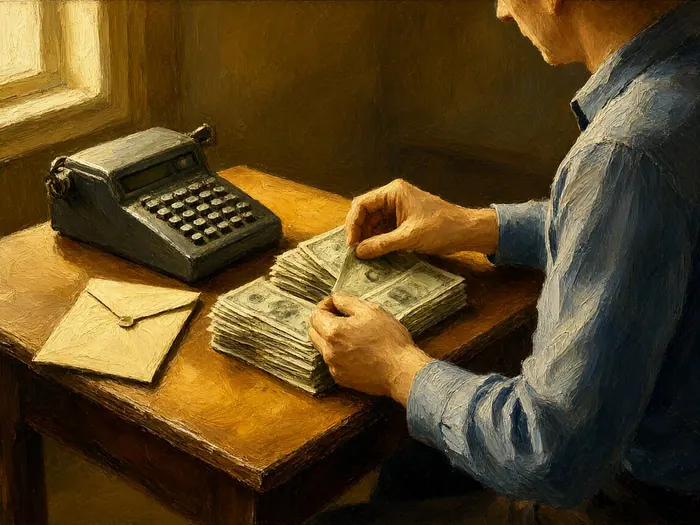
Count Cash With Two Adults and a Paper Trail
Money gets counted by two adults who are not related, at a table people can see, on a sheet with a line per denomination and a signature box for both counters. Total each ticket tier separately, count the change float back before you box it, seal the cash in a numbered envelope, and write the envelope number on the same sheet. The money captain drops the envelope with the school office or bank the same evening or the next opening hour, never overnight at home. The fraud-examination field calls this separation of duties, and the Association of Certified Fraud Examiners publishes free material on why two-signature controls stop most small-loss problems; the habit of reconciling what you held against what you deposited is the same one in our guide to read a monthly bank statement and reconcile your transactions.
 Howcompass
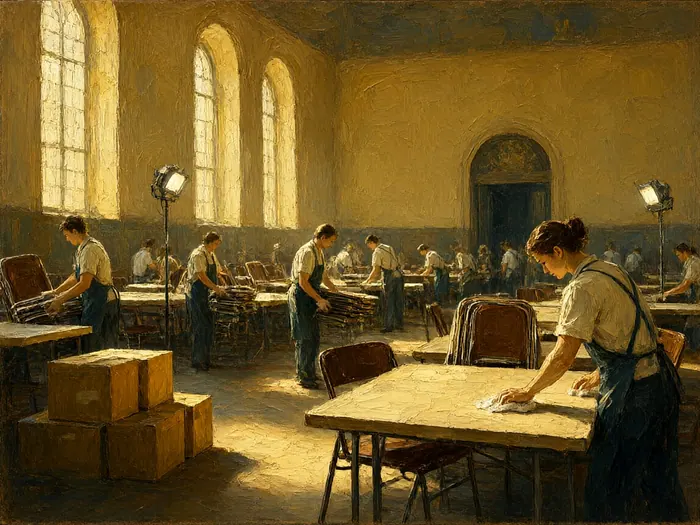
Run the Rota With a Setup and Teardown Clock
Write the night as a clock, not a list. Setup takes three hours: tables and chairs at three hours out, desk and signage at two and a half, callers testing sound at two, refreshments at ninety minutes. Doors open 30 minutes before game one so the desk line never eats the first round. Staff each role twice, including the door and the inspection table, and put every volunteer on a named shift with a 20-minute break, because an unrotated helper becomes the one snapping at players. Teardown is 60 to 75 minutes with everyone staying until the floor is swept and the cash sheet is signed; school and community volunteers find this pattern intuitive enough to repeat, as the National PTA describes in its material on family and volunteer involvement.
 Howcompass
Keep Concessions Simple and Welcome
Coffee, water, and packaged cookies for 1 to 3 dollars keep the room settled without creating a second job nobody trained for. Anything cooked, cut, or held warm raises questions you should ask the venue about in advance rather than answer mid-event. Sell from one corner table with a small cash tin under the money captain's control, never from a rolling cart a volunteer forgets in a coat pocket. A warm potluck-style food table is a genuinely nice add-on for a school crowd, and our guide to host a cozy potluck dinner without kitchen stress covers the labeling, timing, and cleanup habits that transfer straight to a fundraiser. Whatever you serve, keep the serving table out of the play aisles.
 Howcompass
Add a Raffle With a Witnessed Draw
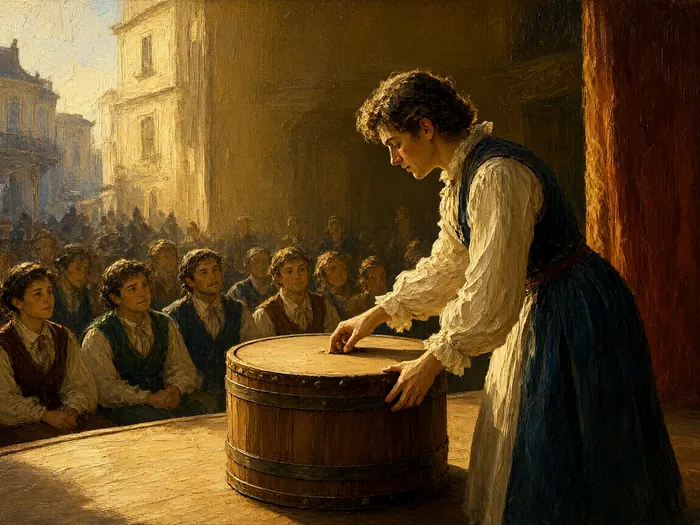
A raffle lifts the average spend by a few dollars per player and gives the night a finish line. Sell stub books with matching numbers, price tickets at 1 dollar or 10 for a bundle of twelve, and draw the winner on the microphone with the head inspector holding the drum so the room can see the empty bottom before the first stub goes in. Publish what each prize is and who donated it before doors. Raffles are treated separately from bingo in many places, so ask the venue and your local authority what applies to a school fundraiser before you print a single stub, and read the guidance on nonprofit raffles from the California Attorney General's charity registry as a worked example of the questions you will be asked.
 Howcompass
Send Thanks and a Truthful Totals Report
Within 48 hours, send a short thank-you to the venue, the donors, the callers, and every volunteer by name. Within two weeks, file one page for the school: gross by tier, itemised costs, net, and where the net is going, with the signed cash sheet attached. Say plainly if the night came in under target and why, because a report that only ever shows good numbers stops being believed. Keep the pattern of a stated purpose, a short list, and one clear outcome, which is the same discipline as our guide to write a clear weekly project status update. Photograph the room for the school newsletter, and book next term's date in the same email while the volunteers still remember the good parts.
How to know it worked
- You hold dated written approval from both the school and the venue, plus a written answer on permits and insurance, before tickets go on sale.
- Gross per tier and itemised costs fit on one page, costs sit under 30 percent of gross, and the night clears its target.
- Every game ran with the pattern announced first, verification under 90 seconds, and the room finished on the published time.
- Two unrelated adults signed the count sheet, the sealed envelope number matches it, and the cash reached the office or bank by the next opening hour.
- The school received a one-page totals report within two weeks, and donors and volunteers were thanked by name within 48 hours.
Common mistakes to avoid
- Setting a round target that no arithmetic supports, then discovering the room size and ticket price cannot reach it.
- Running three games at once with one caller and no written drawn-number log, so verification becomes guesswork.
- Promising bigger prizes than you have in hand, or changing a prize after doors open without writing it down.
- Letting the most enthusiastic volunteer handle selling, counting, and banking singlehandedly because everyone trusts them.
- Selling cards while a pattern is in play, which produces a claim you can neither honour nor refuse cleanly.
Frequently Asked Questions
Question: Do we need a permit or insurance to run bingo at a school?
Ask, do not assume. Rules for fundraising games differ by state, county, and school district, and the answer often depends on the venue's owner and who is listed as organizer. Put the question in writing to the venue office, your district's business manager, and your local authority, and ask separately whether the venue's existing coverage extends to a public game night. Never rely on a dollar figure found online.
Question: How many cards should each player buy, and how many can one caller handle?
Give each player 6 to 10 cards across a three-game block; enough that somebody wins and not so many that every game produces six claims. One caller works cleanly at 40 to 60 cards in play, so add a second caller and a second inspector once you pass about 60 players. Print a serial number on every card so inspectors can match a claim to a sold ticket.
Question: What is a fair ticket price for a school fundraiser night?
Most committees land on 10 to 20 dollars per person for an evening of games, with a cheaper starter tier and a 50 dollar family pack at the top. Price against what the same crowd already spends on a pizza night, keep extra cards at 1 dollar, and publish the tiers before doors open. Raising a price by a dollar usually costs more tickets than it gains.
Question: Where do prizes come from and how do we promise them?
Ask local businesses for donated gift cards in 25, 50, and 100 dollar values, which is the easiest prize to verify and the one players actually use. Write the donated amounts on the published prize list before selling tickets, photograph the cards on the prize table, and name the donor. Substitute a prize only in writing, and give the winner the choice of substitute or a later replacement.
Question: How do we settle a disputed win without an argument?
One rule, stated at the top: two inspectors check every claim against the drawn-number log and the card serial, and the head inspector's decision closes it. Keep a hold tray so a questionable card is set aside instead of debated across the room. If the log shows the number was called after the stop, the claim goes on the tray and the game stands.
Question: How long should the whole night run, and how many games?
Plan a two-hour event with about five to seven games and a break, not a four-hour marathon. Each game takes 6 to 8 minutes including verification, so a 45-minute block holds four games comfortably. Finish on the advertised time. Volunteers who are promised a 90-minute teardown come back, and players who leave early tell their neighbours the night was well run.
Question: What do we do with the cash at the end of the night?
Two unrelated adults count it in the open on a per-denomination sheet, both sign, the total goes into a numbered sealed envelope, and the money captain takes it to the school office or a bank at the first opening opportunity, never home. Reconcile the envelope against ticket stubs sold before you file the totals report, and keep the count sheet with the report.
Tips
- Sell a two-game block rather than single games. Players who commit to back-to-back rounds stay later, spend more, and give the desk a quieter night.
- Print a serial number on every card and matching ticket stub. Verification stops being a memory test, and disputes end in seconds rather than arguments.
- Rehearse callers out loud twice, including the backup caller. Reading numbers at four to six second intervals is a skill that only sounds easy in your head.
- Ask businesses for gift cards, not items. They are easy to publish on a prize list, cost nothing to store, and never turn out to be the wrong size.
- Put the money-handling names on the rules sheet before the night. Knowing who is responsible is what makes players and the school comfortable with cash on site.
Warnings
- Never quote or rely on a legal dollar threshold for fundraising games. Rules differ by state, county, district, and venue, so confirm local rules in writing with the venue and your local authority before you advertise the night, and follow whatever answer you get rather than the internet's.
- Do not let one person sell, count, and bank the money alone. Two unrelated adults count in the open on a signed sheet, and cash goes to the office or bank the same evening or at opening, never to a private home overnight.
- Do not change or invent a pattern mid-game, and do not sell cards after a caller starts a pattern. Both create claims nobody can settle fairly, and one bad call can cost you the room's trust for the rest of the year.
- Do not overload the room. Blocked exits, cords taped across aisles, seats without sightlines, and a crowd above the venue's stated capacity turn a fundraiser into an incident report; stop selling when the room is at the number the venue approved.
Things You'll Need
- Printed 75-ball card packs with a serial number on every card
- Bulk ink daubers, one per player, plus refill bottles
- Ball cage, number slips, and a drum as a backup
- Tablet or phone with a random 75-ball number app
- Handheld microphone, speaker, and spare batteries
- Laminated caller script with the pattern list
- Numbered pre-printed ticket book with stubs
- Locking cash box and resealable numbered envelopes
- Per-denomination count sheets with two signature boxes
- Large-print sample cards for players who ask
- Prize list sign naming each donated gift card
- Raffle drum plus a witness envelope for unsold stubs
- Folding tables, spare chairs, and a step-free route sign
- Extension cords, gaffer tape, trash bags, and a sign-in sheet
Related Howcompass Guides



References (6)
- Charitable Activities Section: Nonprofit Gaming RegulationOregon Department of Justice
- Nonprofit RafflesCalifornia Attorney General, Registry of Charities and Fundraisers
- Independent Sector: Association of nonprofits and fundersIndependent Sector
- National PTA: Volunteer and family involvement resourcesNational PTA
- ADA National Network: accessibility at events and public spacesADA National Network
- Association of Certified Fraud Examiners: internal control resourcesACFE
Further reading
Encyclopaedia entries are background, not evidence: no step below rests on one of these.
Sources are listed so you can read the underlying guidance yourself. Our editorial policy explains how guides are reviewed.
Did this article help you?
0 readers found this helpful — add your vote.
No comments yet — be the first to share your results.