How to Host Board Game Nights That Everyone Wants to Replay
A guide to Build a Shelf of Three or Four Gateway Titles, Set the Table and the Room Once, Teach, Play, and Settle Disputes Calmly, Include Everyone and Keep the Habit Alive
A weekly game night lives or dies in its first hour, and almost nothing about that hour requires gaming experience. Non-gamers quit a hobby not because a game was hard but because it was too long, the rules took twenty minutes to explain, or one person cornered the table to argue a ruling. Your job as host is smaller than it feels: choose short, friendly games, teach them in a fixed format, and hold the clock. Do those three things and the same six or eight people keep coming back. The structure that works is boring on purpose. Three or four gateway titles with printed play times of 30 to 60 minutes cover most groups, and a box-back check — weight, player count, age, components — tells you more than any review. One table, even lighting, lidded cups away from the board, and a sand timer do quiet work that keeps components clean and sessions civil. A short written agreement on rulings and end times, agreed once in the first session, settles nearly every argument before it starts. This guide runs through the four phases in order: building the shelf, setting up the room, teaching and running the play, and keeping the habit alive after the games arrive. The payoff shows up around week six: people vote for games themselves, someone asks to borrow a box, and the night survives a bad week because the structure, not your enthusiasm, carries it. The one non-negotiable is ending on time, even mid-game — every regular's calendar depends on it.
Pick three or four gateway titles that run 45 to 60 minutes and suit your real player count; read the box back for weight, age, and components before buying. Set up a well-lit table, lidded cups away from the play area, and an accessibility pass for large print, color cues, and quiet breaks. Teach the goal first, add one rule at a time, and play a two-round demo with the rulebook open. Keep a sand timer, agree a one-page session-zero rule for disputes and end times, include kids with co-op games, and end on time with a vote for next week. Sleeve the cards and start a modest lending library.
- Time
- One fixed evening a week; two games inside 2.5 hours
- Cost
- $60-$200 to start: three gateway titles, sleeves, a sand timer, snacks
- Difficulty
- Beginner — hosting skill, not gaming skill, and it is learnable
- Works on
- Groups of 4-8 mixed-experience adults, plus kids from about age 8 in co-op games
- Not for
- Two-hour heavy strategy games as openers, or groups that must be talked into attending
- Results
- A repeatable rotation the same crowd brings friends to within a month or two
How do you host Board Game Nights That Everyone Wants to Replay?
 Howcompass | How to Host Board Game Nights That Everyone Wants to Replay
Build a Shelf of Three or Four Gateway Titles
HowcompassChoose Three Games for Real Mixed Groups
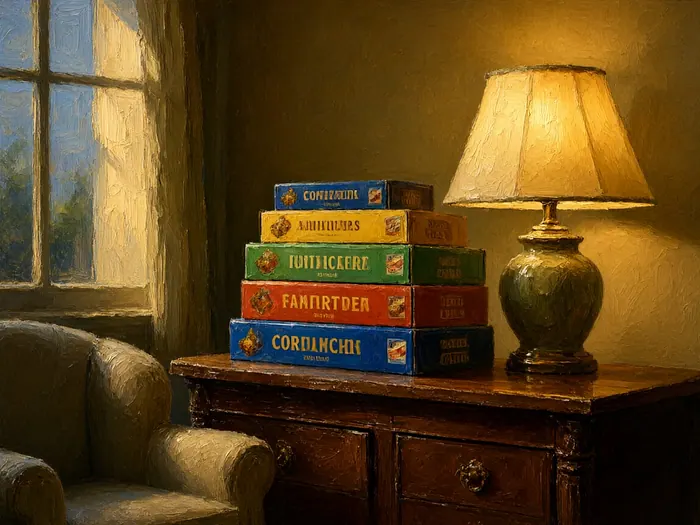
Start with three titles picked for fit, not hype: one easy 4-to-6 player game with a printed length near 45 minutes, one fast card or party game for five or more, and one cooperative game of similar length. Shared traits matter more than theme: a one-sentence turn loop, no player elimination, and a win condition you can state before dealing. The Settlers of Catan publisher page lists its player count, age, and time the way every box does, and The Wikipedia overview of eurogame design explains the low-luck, high-choice style — indirect competition, resources, short text — that suits non-gamers better than dice-fest brawls. Add the fourth title only after two months of votes.
 Howcompass
Read the Box Back Like a Spec Sheet
Turn the box over and read it as data, in this order: player-count range, printed playing time, minimum age, component list, and any complexity or strategy rating the publisher prints. Then look up the game's entry on BoardGameGeek, the main board-game database, where the community rates weight on a 1-to-5 scale; gateway-friendly titles for non-gamers generally sit below roughly 2, and you should read the rating as a community opinion, not a fact. Cross-check the component count against what you can actually sort, because a box claiming 250 wooden pieces means twenty minutes of counting per session unless the group pre-bags them. If the box photos show a board bigger than your table, it does not fit.
 Howcompass
Cap Every Single Game at Sixty Minutes
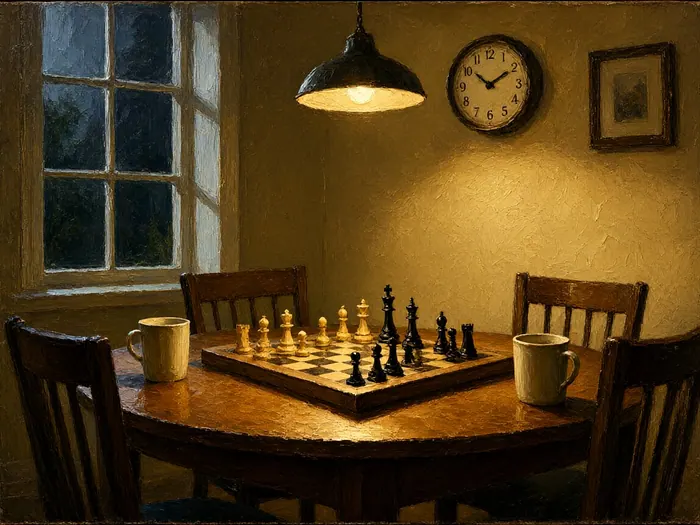
Treat 45 to 60 minutes as the ceiling for anything that goes on the rotation, because two timed games plus teaching and cleanup fills a 2.5-hour evening with no slack left. Publishers print play times for experienced players, so add 15 to 25 minutes the first time a group plays a title — read session reports or comments to sanity-check the real median rather than guessing. When a chosen game regularly runs past its printed time, remove it or move it to a designated long game Sunday, and protect the weekday night. Whatever the breadth of the wider hobby, keep your shortlist narrow: short rounds, small boards, and a natural, built-in ending.
 Howcompass
Match Games to Your Actual Turnout
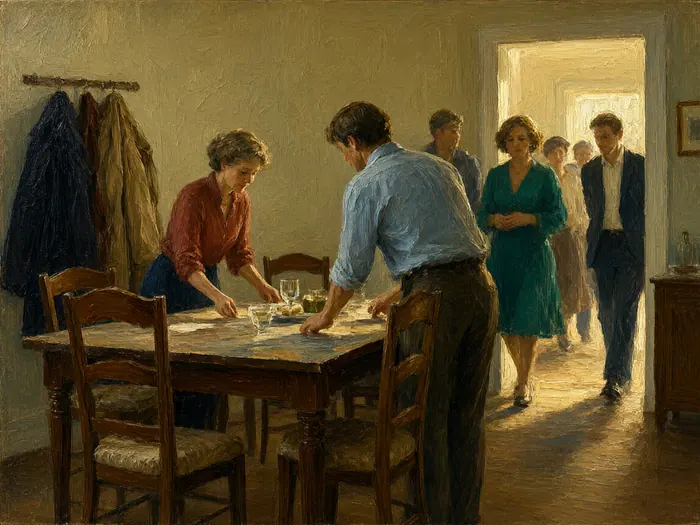
Plan around the number who really show, not the headcount on the invitation: if four to six arrive weekly, one flagship game must genuinely run well at six without stalling, and one lighter title must stretch to eight so no one watches. Expect longer turns as players are added — a 45-minute game at four often lands near 70 at six — so shorter games carry the bigger nights. Keep a two-player box for the nights your usual partner brings a guest, and use a fast all-ages card game as the safety net when turnout doubles. Nothing kills a night faster than a six-player game played by three people who all wanted something else.
 Howcompass
Test Before You Buy the Fourth Box
Borrow, demo, or play a digital version of any candidate for two full sessions before spending $40 to $70 on it, because box art sells games that table time tests. Many local game stores run open-play evenings with demo copies, and the lending programs that public libraries and toy museums normalize are a good model: try a lot, keep what earns replay value. The Strong museum in Rochester keeps the largest toy and game collection in the world and its annual hall-of-fame inductions are a useful signal of which classics survive decades of real play. Watch for one tell during any test: after the game ends, does anyone ask when it comes back out? If yes, buy it.
Set the Table and the Room Once
 Howcompass
Clear Table Space for Board and Elbows
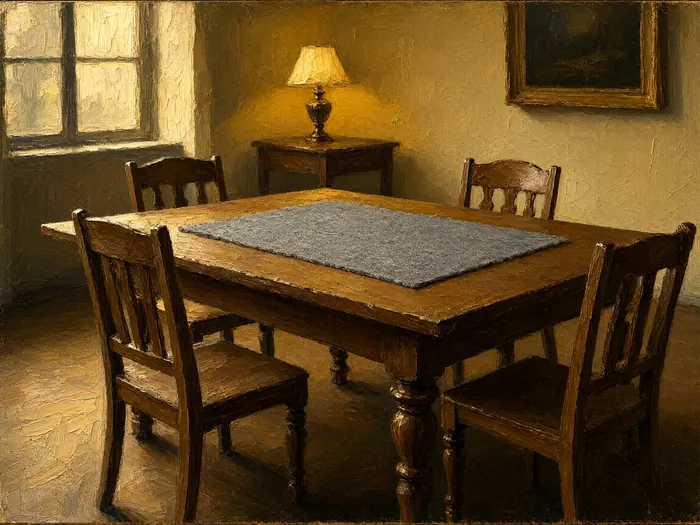
Measure before guests arrive: a 4-to-6 player game typically needs at least 60 by 30 inches of clear surface for the board plus a personal strip per player for cards, and dining tables at 28 to 30 inches high suit seated adults best. Pull boards and boxes into the room now and push the rest of the furniture back, because scrambling mid-game breaks everyone's focus. A soft felt mat or towel under the board stops tile slippage and protects both the table and printed components, and leave one empty chair-side table for score pads and cups so nothing competes with the play area for real estate.
 Howcompass
Light the Table Evenly, Not Harshly
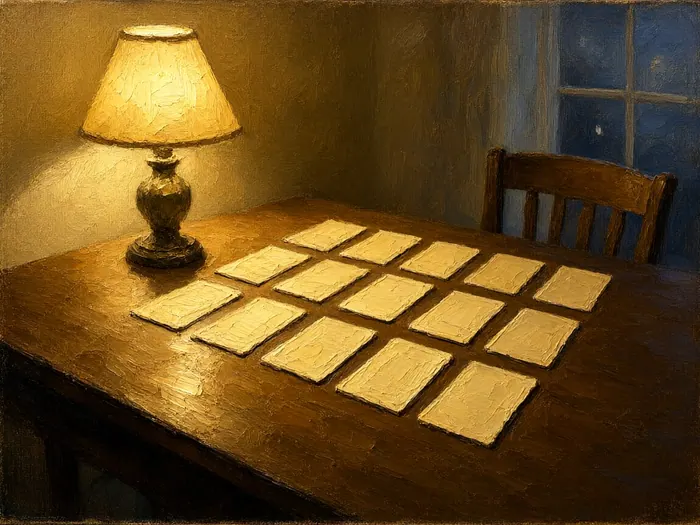
Card text and tiny icons fail under single-bulb overhead light, so aim a diffuse 800 to 1,500 lumens at the table — one central fixture or two warm 2,700 to 3,000 Kelvin lamps on opposite sides — and check for glare by tilting each card type before the game starts. Angle light across the board rather than straight down when surfaces are glossy, and dim the rest of the room slightly so eyes adjust once, not twenty times an evening. Glare and shadow on the near edge of a board is the most common silent complaint at home game nights, the one nobody names because they assume it is just how evenings feel.
 Howcompass
Seat New Players Beside Patient Veterans
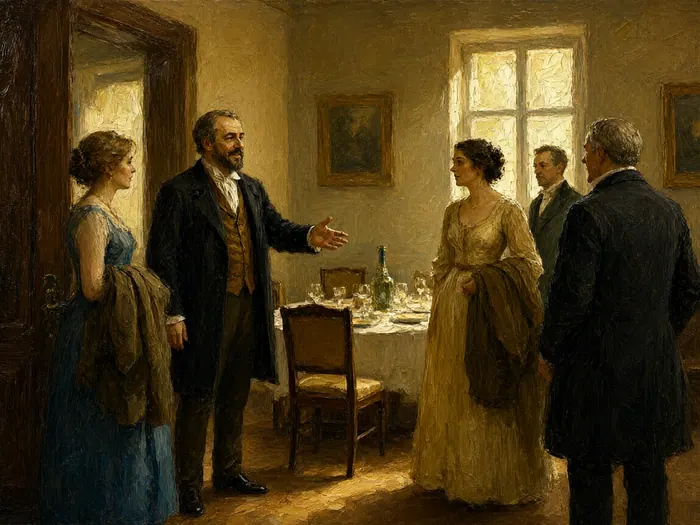
Arrange chairs deliberately for your first three sessions: place each newcomer between two experienced players who rule-read rather than rule-police, split dominant talkers to opposite sides of the board, and give the host seat a view of the whole table plus the rulebook. Seating does more for a mixed group than any rule change — the player beside you answers half the questions before they become a pause. For the social half of the evening, our icebreaker question cards guide gives quieter guests a low-pressure way into table talk before the first card is dealt.
 Howcompass
Set Drink and Snack Rules Early
Announce the rules before the box opens, because retrofitting them mid-game reads as nagging: every drink gets a lid and lives on the side table, never on the play surface; snacks stay crumb-free and grease-free within reach — pretzels, grapes, nuts, cut fruit — with a pack of wet wipes at the table's edge and a bowl for hands two steps away. Paper cards and wooden meeples absorb oil and stain permanently, which is why the no-grease rule protects a $50 shelf, not just manners. If the night grows into food, our guide to hosting a cozy potluck dinner handles the kitchen side so the table stays clear for play.
 Howcompass
Run a Five-Minute Accessibility Check
Before the first session of a new game, do one pass for the group: read a card at arm's length to judge print size and photocopy or enlarge the rules sheet if tiny text is unavoidable, play in well-lit positions for players who struggle with low contrast, and note whether colors carry meaning — if they do, keep the symbol-and-color pairing that most euro-style games already print, and say which tokens differ by shape for color-blind players. Schedule a 10-minute quiet break at the 60-to-90-minute mark for anyone who needs sensory relief, offer a chair with arms for players who tire, and keep walkways clear of box stacks for anyone using a cane or walker.
Teach, Play, and Settle Disputes Calmly
 Howcompass
Agree on One Session-Zero Page
In the first ten minutes of your first night, read out a single page the whole group approves once and keeps taped inside the rulebook box: the host arbitrates rulings for the evening and any disputed rule gets looked up after, not during, play; no game runs past the posted end time; phones stay face-down except for timers; and anyone may pass on a game without arguing for it. Naming these four rules aloud removes the two things that wreck new nights — mid-game rulings debates and the 45-minute pitch for a game nobody wants. Write it in plain sentences and re-read it whenever the group changes members.
 Howcompass
State the Goal, Then One Rule at a Time
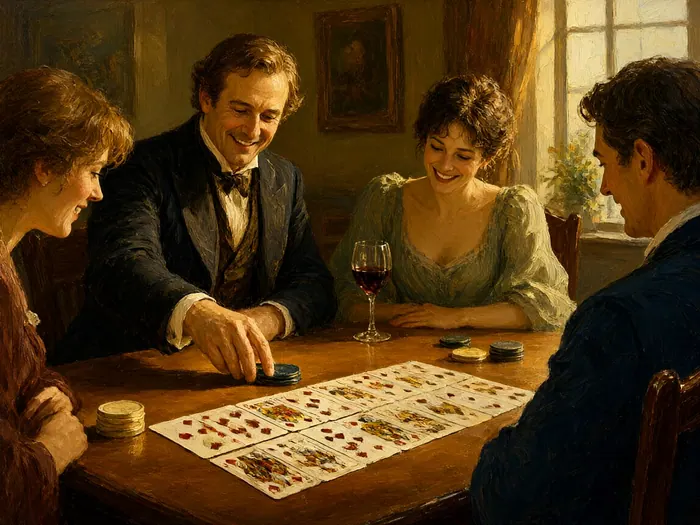
Teach in a fixed order and the explanation drops from twenty confused minutes to eight: one sentence naming how you win, one sentence naming what a turn looks like, then exactly one new rule at a time with a question after each so gaps surface immediately. Never front-load exceptions — they belong to the moment they first appear — and keep the rulebook open on the table the whole game, showing players where answers live rather than reciting from memory. This format works because new players can only hold two or three concepts at once, and every unexplained exception you skip quietly costs you trust later in the round.
 Howcompass
Play a Throwaway Demo Round
Before the real game begins, run two full throwaway rounds at low stakes: cards face up where possible, starting positions reset at the end, and every player explicitly told the demo does not count. The demo teaches faster than explanation because players see the timing of a draw, the moment a card is played, and when scoring actually happens — the three things people most often mishear. Keep the demo under ten minutes, cut any setup step that only matters at scale, and stop to answer questions only when two or more players share the same confusion. Then shuffle everything back and start for real, calmer and noticeably quicker.
 Howcompass
Keep a Sand Timer and a Hard Stop
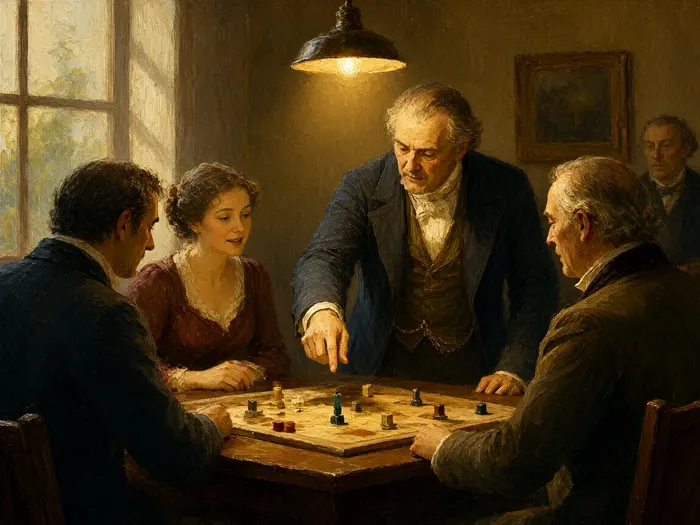
Put a 60-second sand timer on the table for games where one player can stall the loop, and set a visible end time before the first round — a 7:00 start means a 9:30 hard stop, announced once and honored without negotiation. When the cap arrives, finish the current full round rather than the current turn, which most gateway games already structure for you, and agree in advance that the leader at the round's end wins if time forces a cut. Ending one game mid-play teaches the group that the clock is real; it buys you back far more time across a season than the single unfinished round costs.
 Howcompass
Settle Rule Disputes by the Written Page
When a dispute lands mid-game, the host rules in one sentence from the session-zero page, play continues, and the question gets checked after the round — not live, and never by a two-minute debate from memory. Treat the ruling as provisional: look it up in the rulebook index or the game's page later and correct the record next session so nobody feels judged in front of the table. For the tone side of the argument, our guide to conflict resolution and respectful communication covers the same move that works here: name the shared goal — everyone gets their evening back — before naming the position. Repeat disputes belong on the written page, not in a rerun of the argument.
Include Everyone and Keep the Habit Alive
 Howcompass
Fold Kids In With Cooperative Games
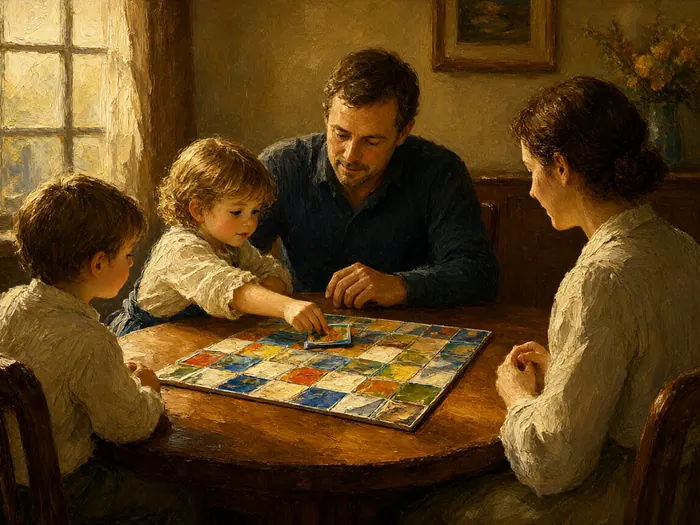
Children from around age eight join mixed nights best through cooperative titles, where adults and kids aim at the board instead of each other and one grown-up can quietly second-player a child's turn without taking over. Seat the child with the partner who explains least and plays the most patiently, keep the shared-loss pressure gentle by choosing games that stay winnable at four or five players, and cap the session at the child's printed time, not the adults' stamina. Agree the early-start slot with the other parents so the bedtime math still works, and browse a major publisher catalog like Fantasy Flight Games to find family-weight co-op boxes.
 Howcompass
End on Time and Let the Group Vote
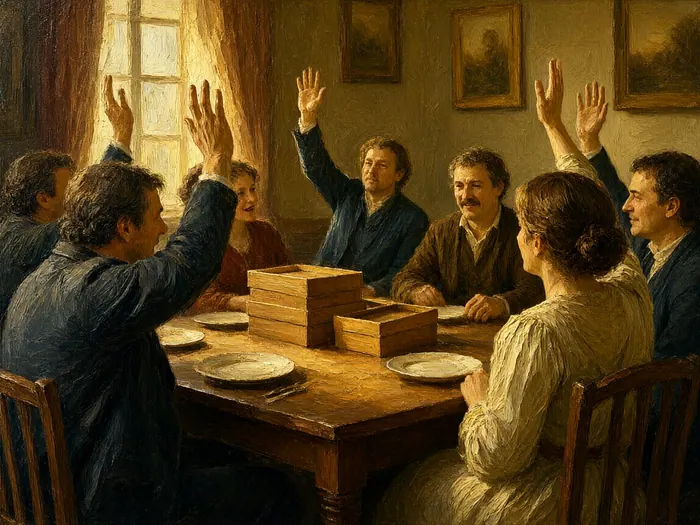
Close every session with the ritual that makes the next one easy: at the hard stop, clear the board together in five minutes, then take a raised-hand vote for next week from a shortlist of two or three titles you hand-pick, so nobody faces a blank-page argument. Count the votes, name the winner and its runner-up in the group chat the same night, and rotate at least one slot so no single game monopolizes the season. Keeping the shortlist to your vetted shelf protects the 60-minute cap without anyone feeling fenced in. If the vote ever runs long, our trivia night planning guide shows how structured rounds keep group decisions civil and quick.
 Howcompass
Sleeve Cards and Bag Small Components
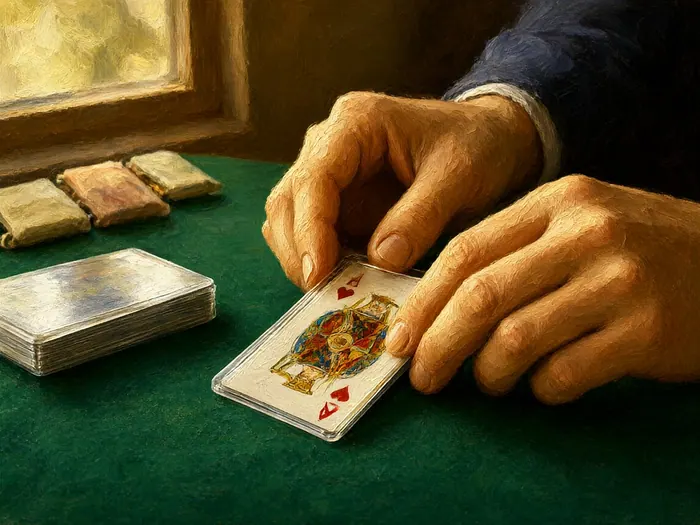
Budget game cards destroy themselves from handling alone, so sleeve the deck your group touches weekly: standard-size sleeves in a 100-count pack run roughly $10 to $20 and take an hour for a full deck, and accessory makers like Mayday Games sell fitted sizes for the odd card dimensions many publishers use. Sort loose components by type into small zip bags — five bags per box takes ten minutes and ends the forever hunt for missing tokens — and label each bag by shape rather than color for the color-blind player in your rotation. Keep sleeving for reprints of cheap cards, and never sleeve cards you have not confirmed fit the box lid.
 Howcompass
Pack Each Game Into Its Own Caddy
Build a carry kit per title so setup never becomes the excuse to skip the night: a small box caddy or tote holds the game box, the rulebook in a zip bag, the score pad, pencils, and that game's component bags, all staged on one shelf in rotation order. Tape a one-line component checklist inside each box lid — piece counts written by you — so return sorting takes five minutes instead of a fifteen-minute audit, and anyone can close the box correctly, not just the person who bought it. Photograph the sorted insert once and keep the photo on your phone; a missing piece caught at return is a baggie fix, and caught at next setup is a hunt.
 Howcompass
Grow a Small Lending Library
Turn your shelf into a rotation others can borrow from: keep a simple paper log — game, borrower, date out, date due — with two-week loans, a component count checked at handout and at return, and the standing rule that the borrower sleeves or replaces anything lost. Lending doubles your group's effective library without buying anything, which is the same reason public libraries and toy collections run circulation desks at all, and our neighborhood swap guide covers the sign-out sheet and fair-swap rules that keep borrowing civil. Cap it at eight to ten titles so the log stays one page, and write your own box's return address inside the lid the day you start.
How to know it worked
- Four consecutive weekly sessions ran with the same core group and finished within the posted end time.
- Every game played started being taught inside ten minutes and finished inside its printed length plus 20 minutes.
- At least two players have asked to borrow a box, and the lending log shows one clean loan cycle.
- A kid or a total newcomer joined at least one session and got asked back the following week.
- Zero rules disputes carried past the end of the round they started in, per the session-zero page.
Common mistakes to avoid
- Opening the night with a game that takes 30 minutes to explain, so non-gamers decide the hobby is not for them.
- Letting the printed play time set expectations and then being surprised when a first play runs 25 minutes longer.
- Keeping drinks in open mugs on the play table because nobody stated the lid rule in the first ten minutes.
- Adjudicating rules live at the table, turning one ambiguity into a five-person debate and a cold board.
- Buying a fifth and sixth box before the first four have been voted on twice by the same group.
Frequently Asked Questions
Question: How many games do I need to run a weekly night?
Three to four is enough for a group that meets every week, and more is usually a trap. Two get played constantly, one covers big nights and one covers small ones. Add a title only when votes consistently pick the same game or a new player count appears. A shelf people recognize is a shelf people replay.
Question: What are good first games for people who never play board games?
Look for short-turn, no-elimination titles in three lanes: a route- or tile-building game for four to six players, a team word-deduction card game for five and up, and one cooperative game. Any of these is easy to teach in eight to ten minutes and finishes inside an hour. Check community weight ratings on BoardGameGeek before buying.
Question: How do I stop the night from running way past the end time?
Post the start and stop times in the invite, put a visible clock or sand timer on the table, and finish the current full round when the cap hits. Then stop talking and start cleaning; boxes on the shelf end the session better than any announcement. The first two weeks you hold the line, the group starts holding it for you.
Question: Is it worth buying sleeves for cheap game cards?
Only for the deck your group handles weekly; leave shelf-worn spares unsleeved. A 100-count pack costs roughly ten to twenty dollars and an hour of work, and it stops corner wear and oily fingerprints on the exact cards that get shuffled every session. Confirm the card size before buying, since many games use non-standard dimensions.
Question: Can young kids actually join a mixed adult game night?
From around eight, yes, with cooperative games and an adult quietly second-playing their turns. Choose a title that stays winnable at your full player count, seat the child with the most patient player, and keep to the shorter end of the time cap. Kids who survive one good session usually ask to come back the next week.
Question: Someone insists on a two-hour heavy game. How do I handle it?
Protect the weekday cap and give the long game its own slot: a designated long-game Sunday once a month, with the heavy title's fans invited. That way nobody is told their preference is wrong, the weekly night keeps its shape, and the requester gets a real venue for it. Revisit only if the Sunday nights fill up.
Question: Where can I look up rules or check a game's real difficulty?
BoardGameGeek is the main public database: every game's page carries the community weight score, player counts, published rules discussions, and errata threads from other players. Use the printed rulebook index first at the table, then the database afterward, never mid-game. Publisher sites are the right place for official replacements of missing printed components.
Tips
- Put the same weekday and the same start-to-stop window in the invite; fixed calendars beat flex scheduling for weekly attendance.
- Teach sitting where you will clean: explain, demo, then box up together, so the five-minute return becomes part of the game, not a punishment after it.
- Keep one rulebook per game in a zip bag with the box; loose booklets are the first thing that dies in a shared shelf.
- Write your name and game night inside the lid of every box you lend out, before the first loan leaves your hands.
- Rotate a different co-host weekly once attendance passes six; one person doing all the teaching burns out by month three.
Warnings
- Small wooden and plastic components are a choking hazard for children under three and for pets that mouth objects; keep open token bowls and zip bags well away from toddlers, and do not run kids-inclusive nights until every little piece is collected and counted.
- Keep hot drinks off the play surface entirely and use lids at the side table; scalds and board-soaking warping both come from cups that sat on the board because nobody moved them.
- Do not let a rules argument escalate into a live internet trial at the table; rule provisionally, play on, and check the ruling after the round, per your session-zero agreement.
- Photosensitive guests can be affected by flickering decorative lights or strobing phone screens near the table; ask guests to keep devices on silent and steady, and switch off any flashing lamps before play.
Things You'll Need
- Three to four gateway board games, 45-60 minute cap each
- One cooperative game for kids and mixed nights
- 60-second sand timer
- Felt play mat or large towel for the board
- Card sleeves sized to your most-played deck
- Assorted small resealable bags for components
- Canvas box caddy per game
- Photocopied large-print rule sheets
- Lidded mugs for every drink
- Wet wipes and a hand-cleaning bowl
- Crumb-free snack tray: pretzels, grapes, nuts
- Score pad and two pencils per table
- One-page session-zero agreement taped in a box lid
- Paper lending log with borrower and due dates
Related Howcompass Guides



References (5)
- Welcome to BoardGameGeekBoardGameGeek, LLC
- The Strong — National Toy Museum and National Toy Hall of FameThe Strong
- The Settlers of Catan — official game pageCatan Studio
- Fantasy Flight Games — publisher catalogFantasy Flight Games
- Card Sleeves and Game AccessoriesMayday Games
Further reading
- EurogameWikipedia
- Board GameWikipedia
Encyclopaedia entries are background, not evidence: no step below rests on one of these.
Sources are listed so you can read the underlying guidance yourself. Our editorial policy explains how guides are reviewed.
Did this article help you?
0 readers found this helpful — add your vote.
No comments yet — be the first to share your results.