How to Brush Your Teeth Properly in Two Minutes, Twice a Day
A guide to Set Up the Kit Once, Correctly, Brush Two Full Minutes, Twice a Day, Clean Between Teeth and Maintain the Tools, Know the Limits and When to Be Seen
Almost everyone brushes, and most people do it badly in the same handful of ways: forty-five seconds instead of two minutes, medium or hard bristles because they feel thorough, a sawing scrub across the front teeth while the back molars go untouched, and a big rinse with water immediately afterwards that washes away the one ingredient doing the real work. None of these mistakes hurt on day one, which is exactly why they survive for decades. The damage is quiet — a little gum recession here, worn enamel there, a cavity between two never-flossed molars. The routine in this guide is built on what dental associations and public-health agencies actually recommend, and each piece has a reason behind it. A soft brush at a 45-degree angle cleans the sulcus, the shallow groove where plaque thickens fastest. Two full minutes is how long the surfaces genuinely take once the back teeth are included. Fluoride needs contact time to strengthen enamel, so you spit instead of rinsing. Floss does what no bristle can reach: the tight walls between teeth, which are roughly half of a tooth's total surface. Work through the four phases in order: assemble the kit once and correctly, learn the two-minute brush, handle between-teeth cleaning and tool upkeep, then know the limits — what whitening paste can and cannot do, what sensitivity and dry mouth are telling you, and which red flags mean a dental visit rather than a better toothbrush. This is everyday preventive care, not treatment; anything painful, swollen, or loose gets a dentist, and this guide says so each time it matters.
Brush twice a day for two minutes with a soft-bristle brush and a pea-sized amount of accepted fluoride toothpaste, holding the bristles at a 45-degree angle to the gumline and using short, gentle strokes on every surface in the same order. Split the mouth into four timed quadrants, spit without rinsing, and wait thirty minutes after acidic food. Floss once daily curving the floss into a C below each gumline, swap brush heads every three months, and never scrub harder — enamel and gums do not regrow. Mouthwash is an add-on, kids need supervision until about age six, and bleeding gums, loose teeth, or lingering pain belong with a dentist.
- Time
- 2 minutes twice a day, plus about 5 minutes of flossing once daily
- Cost
- $15-$45 to start; roughly $25-$60 a year for replacement heads and paste
- Difficulty
- Beginner — technique and consistency, no special equipment
- Works on
- Every age with natural teeth; children need help brushing until about age 6-8
- Not for
- Ulcers that last over two weeks, recent oral surgery, or unexplained dental pain — see a dentist first
- Results
- Less gum bleeding and visibly cleaner gumlines within 2-4 weeks of daily flossing
How do you brush Your Teeth Properly in Two Minutes, Twice a Day?
 Howcompass | How to Brush Your Teeth Properly in Two Minutes, Twice a Day
Set Up the Kit Once, Correctly
HowcompassChoose a Soft-Bristle Brush With a Small Head
Buy the softest bristle option you can find and a head small enough to turn easily inside your mouth — roughly an inch long and half an inch wide covers most adults. Firm and hard bristles do not clean better; they concentrate force on the gumline and enamel necks, and the American Dental Association's brushing guidance recommends soft bristles for exactly that reason. A flat-trimmed or slightly angled head is fine — the shape matters far less than the bristle stiffness and your technique. Replace the brush or first head before you start, since splayed bristles lose their ability to sweep plaque off the gum edge.
 Howcompass
Pick a Fluoride Toothpaste With an Acceptance Seal
The ingredient doing the work is fluoride, so choose a paste that lists it as an active ingredient and carries the ADA Seal of Acceptance or an equivalent acceptance mark from a recognized health authority; the seal confirms the label claim and a safety review rather than a marketing slogan. Fluoride pastes sold in the United States typically fall in the 1,000-1,500 parts-per-million range described by the CDC's fluoride guidance, and all of those numbers work — you are not choosing a strength, you are choosing a paste your household will use twice daily. Skip charcoal and clays with no acceptance mark; their abrasives are the least regulated part of the aisle.
 Howcompass
Squeeze the Paste Amount by Age
Children under three need only a rice-grain smear — wipe it on with a fingertip if the toddler will not sit still — while ages three to six get a pea-sized dot, about a quarter of a gram, because swallowing a full brush-load of paste daily adds up in a small body. Older kids and adults can use a pea-to-ribbon amount; more paste does not clean more. Supervise brushing until roughly age six to eight, when most children have the dexterity to do it properly themselves, and teach spitting rather than swallowing. Our calm bedtime wind-down guide for toddlers and school-age kids shows how to slot brushing into the evening without a fight.
 Howcompass
Add Waxed Floss and Picks You Will Use
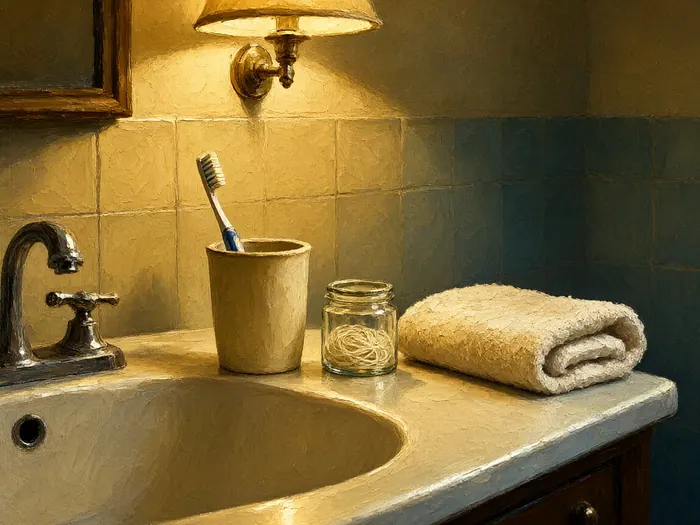
Buy one spool of waxed floss or a tub of pre-loaded floss picks, whichever you will actually reach for at night; the tool matters less than the daily habit. An 18-inch strand of spool floss costs a couple of cents per session and a pick tub runs $4-$8 and lasts most people a month or two. If your molars have wide, open gaps instead of tight contacts, grab a small two-size pack of interdental brushes now — they clean those spaces faster than floss does. Everything in this kit lives on the counter or in one cupboard, visible, because the most common failure in between-teeth cleaning is tools stored out of sight.
 Howcompass
Decide Between Manual and Electric Brushes
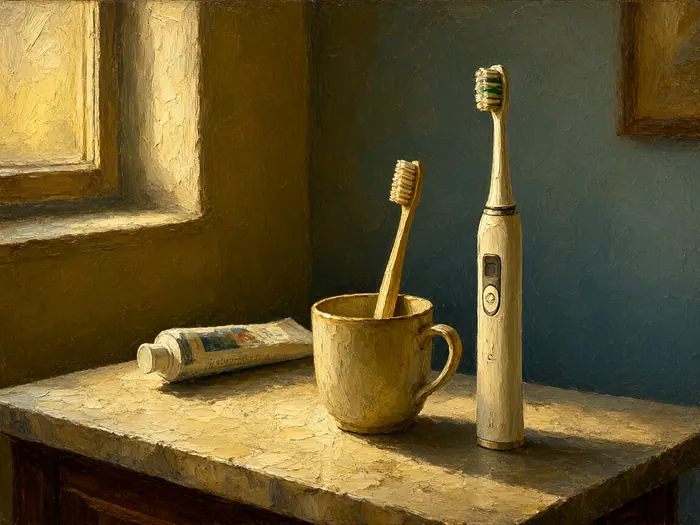
Both clean well when the technique below is used, so treat an electric brush as an engine upgrade for people whose hands, timing, or attention are the weak link — small children gripping a parent's help, arthritic wrists, braces, or anyone who habitually brushes for forty seconds. Battery models run $8-$20, entry rechargeables $30-$60, and premium $100-$200; replacement heads cost $8-$12 each, so budget roughly $25-$60 a year after the first purchase. Whichever you buy, look for the acceptance seal, and note that electric brushes get their own one-handed gliding technique later in this guide rather than the scrubbing strokes a manual brush uses.
Brush Two Full Minutes, Twice a Day
 Howcompass
Aim the Bristles at the Gumline at Forty-Five Degrees
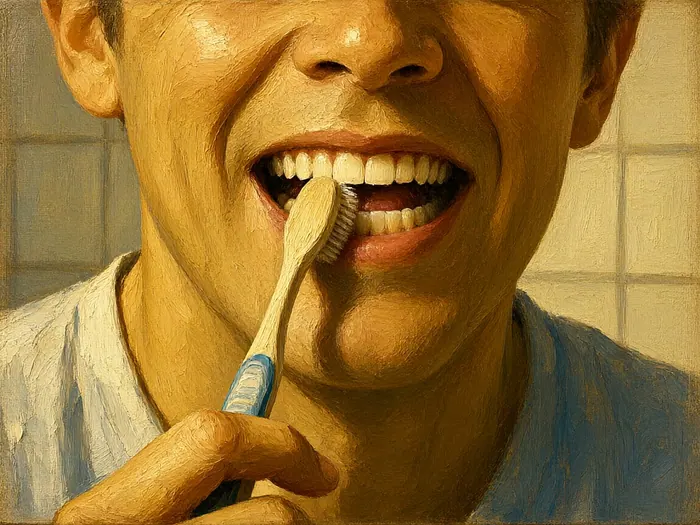
Rest the bristles so they angle toward the gumline at roughly forty-five degrees instead of lying flat against the tooth face, then use short, gentle strokes — about the width of one tooth each — and work along the arc where tooth meets gum. This is the modified Bass approach taught in dental schools and recommended across association guidance, and it works because plaque thickens in the shallow groove under the gum edge, which flat scrubbing skates right over. Let the bristle tips do the digging; your wrist stays relaxed, and if your knuckles whiten or your shoulders burn, you are pressing and it is time to loosen your grip.
 Howcompass
Clean Every Surface in One Fixed Order
Run through the same circuit every time so nothing becomes the surface you always forget: outer faces of the upper teeth, outer faces of the lower, inner faces of both arches, then the chewing surfaces of the back molars, spending roughly 30-40 seconds per leg of the trip. Tilt the brush vertically to sweep the inside of the front teeth up and down, the spot behind the lower incisors where hardened buildup loves to form. Finish by two or three strokes across the tongue. A fixed order removes the tiny decisions that quietly shorten brushing when you are tired.
 Howcompass
Split the Mouth Into Four Timed Quadrants
Twenty seconds of hurried brushing covers maybe the four front teeth you see in the mirror; the honest full-mouth time is two minutes, which splits cleanly into 30 seconds per quadrant — upper right, upper left, lower right, lower left — with the last half minute for chewing surfaces and tongue. Set a kitchen timer, use your phone, or buy a $5-$15 timer brush aimed at kids. Brushing twice daily rides along best on a routine you already keep, and our healthy sleep and morning routine guide is the natural anchor for the morning and last-at-night sessions.
 Howcompass
Spit the Paste Out Without Rinsing
After two minutes, spit out the excess foam and stop there — no cup of water swishing around the mouth. The thin fluoride film left on enamel keeps strengthening it for a while, and rinsing washes most of it down the drain; the NHS oral-care guidance is blunt about this spit-dont-rinse habit, and it surprises most people who grew up rinsing. Try not to eat or drink for about thirty minutes after the nighttime brush. If the film feels gross at first, use half your usual paste for a week until the texture stops registering.
 Howcompass
Wait Thirty Minutes After Acidic Food
Citrus, soda, coffee, wine, and anything vomited soften enamel surface-level for a while, and brushing straight through that window sweeps microscopic mineral right off the tooth. The standard advice is to wait about thirty to sixty minutes before the brush, so plan around it: brush first, then eat breakfast, or rinse the mouth well with plain water after the orange juice and chew sugar-free gum for ten minutes to speed the neutralizing. Nighttime is easiest — finish the last snack, wait half an hour, brush, and let spit-dont-rinse be the final act before bed.
Clean Between Teeth and Maintain the Tools
 Howcompass
Floss Once Daily Curving the C-Shape
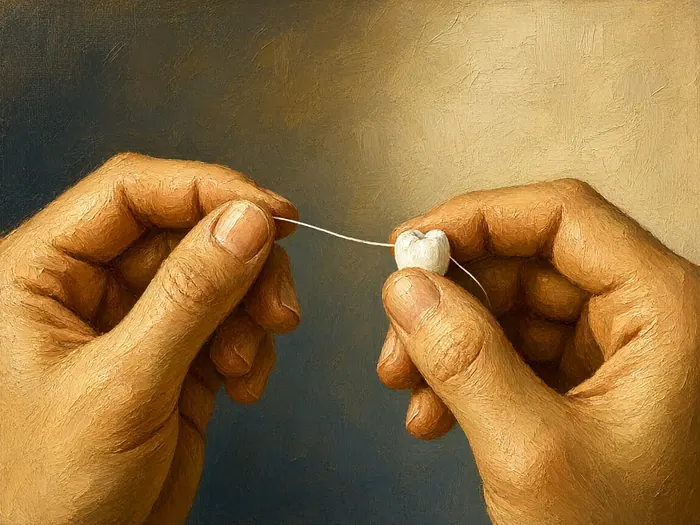
Interdental cleaning is one round of honest flossing every day, not an optional add-on: roughly half of each tooth's surface hides under the contact points where bristles never reach, and that is where cavities and gum inflammation quietly start. Wrap the strand into a C around each tooth, slide it just below the gum edge, and stroke up-and-down both walls of the gap — pushing floss in and out like a saw does the least. The MedlinePlus guide to adult dental care suggests flossing after brushing works well for most people; the only bad time to floss is never.
 Howcompass
Reach Wider Gaps With Interdental Brushes
If floss whips loosely through a space instead of snapping through with slight friction, the gap is wide enough for an interdental brush, and studies of these brushes in open spaces show they clear plaque faster than a strand can. Buy a two-size sampler pack for $6-$12, pick the size that meets mild resistance, and push it in and out three or four times per space without forcing — a brush that bends hard is oversized and can irritate the gum papilla. People with braces, bridges, or receded gums usually have several of these open gaps and should count interdental brushes as daily tools, not weekly ones.
 Howcompass
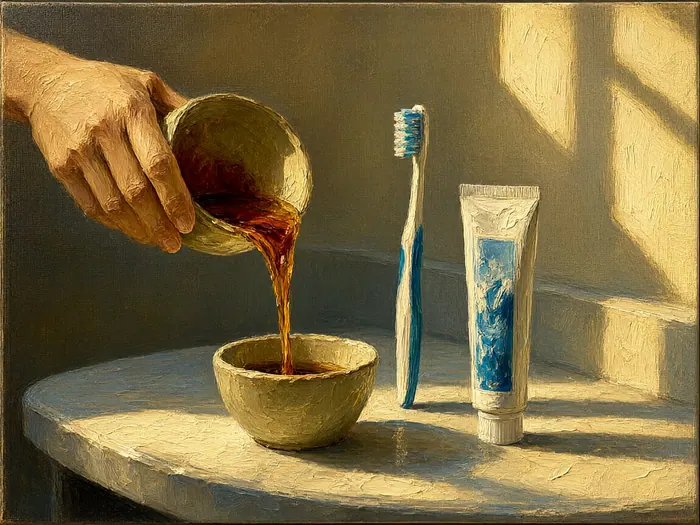
Replace Brush Heads Every Three Months
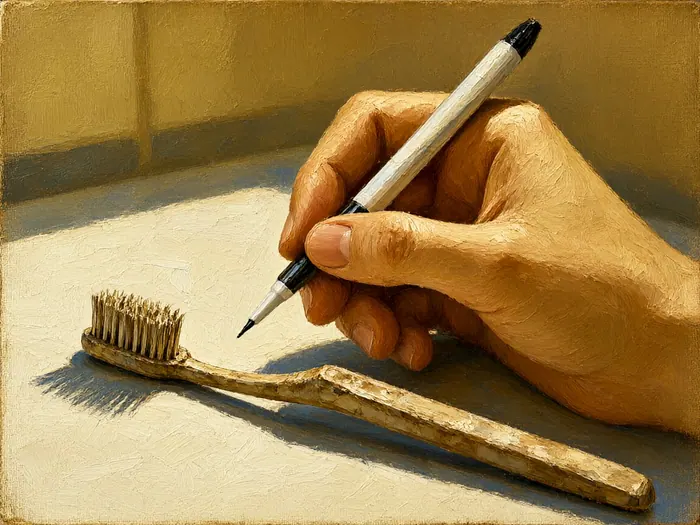
Association and MedlinePlus guidance agree on swapping brushes or heads about every three to four months, sooner if the bristles splay — a worn fan-shaped head cleans noticeably worse and people rarely notice their own bristles. Write the start date on the stem with a permanent marker when you open a new head. Replace again after a cold, flu, or mouth infection, keep your brush rinsed and standing upright to dry between uses rather than capped or shared in a cup, and never share one between people. Pets need their own brush and pet paste entirely — see our guide to brushing your dog's teeth.
 Howcompass
Treat Mouthwash as an Add-On Not a Shortcut
A rinse loosens debris, freshens breath, and can deliver extra fluoride, but it does not break up plaque, which is a film that needs mechanical sweeping — the ADA's mouthrinse topic page is explicit that rinses are an adjunct to brushing and flossing, never a replacement. If you use one, pick a fluoride rinse over an alcohol-burning cosmetic version, and schedule it at a different time than brushing — after lunch, say — so it is not washing off the fluoride film from your last spit-dont-rinse session. Kids under six generally should not use adult mouthwash.
 Howcompass
Stack Brushing Onto Habits You Already Keep
Twice-daily brushing survives on anchoring, not willpower. Slot the morning brush between face-washing and whatever else you already do at the sink, the way our morning and evening skincare routine guide sequences its steps so nothing gets skipped, and put the evening brush right after dinner rather than at midnight when you are too tired for two honest minutes. Wash your hands first, as in our hand-washing technique guide, and floss while something on screen is mid-episode. Keep the whole kit visible on the counter: storage out of sight is the quiet killer of every oral habit.
Know the Limits and When to Be Seen
 Howcompass
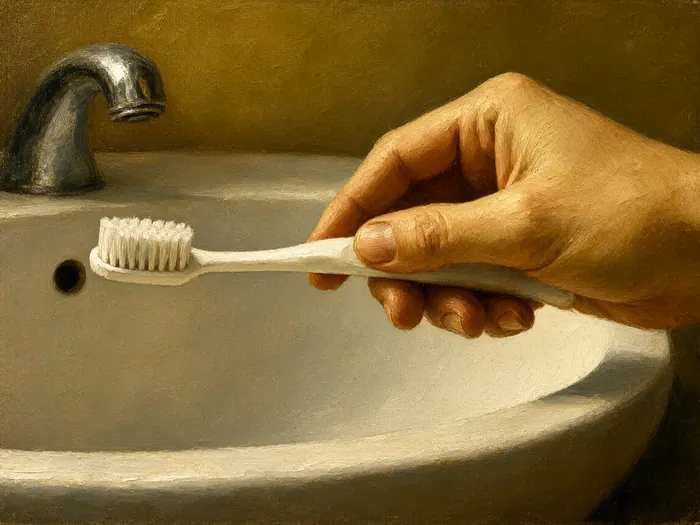
Ease Off Pressure Before Enamel and Gums Pay
Brushing harder feels more effective and is one of the most expensive habits in dentistry. Enamel does not regrow, and repeated abrasive pressure at the gumline wears notches into the necks of teeth and pushes gums back, exposing root surfaces that ache with cold and decay faster. Hold the brush in a relaxed pen grip — several fingers gripping and pressing is the pattern that overpowers the bristles — so your hand cannot lean on the teeth, and let short strokes at forty-five degrees do the cleaning. If you cannot control pressure, an electric brush with a pressure light solves it for $30-$60. With any electric head, the technique changes: place it at the gumline and glide slowly from tooth to tooth, letting the motor do the strokes instead of scrubbing it back and forth like a manual brush.
 Howcompass
Use Whitening Paste for Stains, Not Bleaching
Whitening toothpastes scrub off surface stains with finer or heavier abrasives; they contain no bleach and cannot change the color inside the tooth, so expect a modest difference after four to six weeks of twice-daily use, mostly on coffee and tea film. The abrasives that do that polishing are precisely what makes them risky on exposed roots, worn enamel, or receded gums — switch to a regular accepted fluoride paste if cold zings start. For a real shade change, talk to your dentist about professionally supervised options instead of escalating abrasive pastes on your own.
 Howcompass
Describe New Sensitivity Accurately to a Dentist
A brief zing from cold air or sweetness usually means worn enamel, a receded root, a hairline crack, clenching, or a whitening product that is too abrasive — all worth naming at your next visit rather than absorbing in silence. Desensitizing pastes with potassium nitrate or stannous fluoride need two to four weeks of twice-daily use because they work by blocking the microscopic channels, not by numbing. Report it promptly, not at the next scheduled checkup, when pain lingers for minutes after the trigger, wakes you at night, or hits one specific tooth — those patterns point to decay or a nerve problem, not sensitivity.
 Howcompass
Manage Dry Mouth Before It Causes Cavities
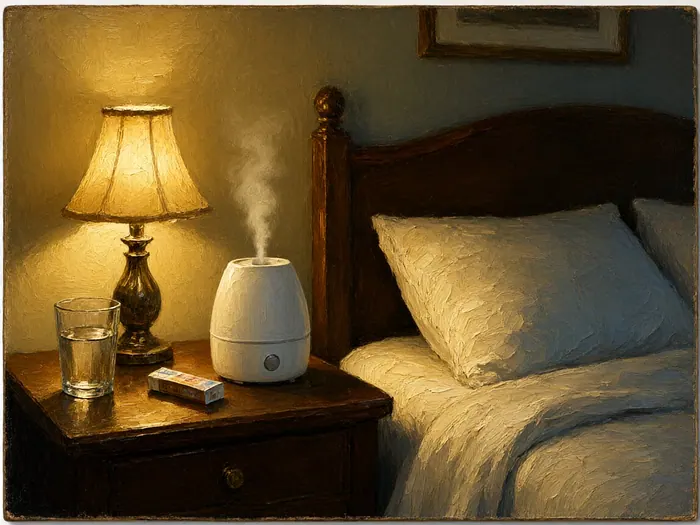
Saliva is your mouth's natural rinse — it neutralizes acid and re-mineralizes enamel — so a chronically dry mouth lets decay sprint, especially along the gumline and on root surfaces. Antihistamines, antidepressants, blood-pressure medicines, mouth-breathing, and snoring are common culprits. Sip water through the day, chew sugar-free xylitol gum for ten minutes after meals, keep a fluoride paste session as the last thing before bed, and run a cool humidifier overnight in winter. Tell your dentist your medication list — the CDC fluoride page situates exactly these higher-risk cases — because dry-mouth patients often need prescription-strength fluoride, not just better habits.
 Howcompass
Keep Dental Visits and Act on Red Flags
Your dentist sets the cadence; many healthy adults do well every six to twelve months, while gum disease, heavy clumping habits, or dry mouth shorten that interval, and a child's first visit belongs by the first birthday. Between visits, book promptly — not at the next routine check — for gums that still bleed after two weeks of gentle brushing and daily flossing, teeth that feel loose or are drifting position, sores that do not heal in two weeks, facial swelling, fever with dental pain, or pain that wakes you at night. University clinics such as the University of Pennsylvania School of Dental Medicine show the full range of care these signs can lead to.
How to know it worked
- You complete the four-quadrant circuit within a full two-minute timer without rushing, twice a day.
- Any flossing starter-bleeding has settled within about two weeks of daily C-shaped flossing.
- Your current brush head is under three months old, marked with its start date, with bristles still straight.
- You spit rather than rinse at night and waited out the thirty-minute window after acidic meals at least most days this week.
- You can name your dentist-visit interval and have mentioned any new sensitivity, dry mouth, or medication list at a recent visit.
Common mistakes to avoid
- Scrubbing flat across the front teeth with hard bristles, leaving the gumline and back molars to accumulate plaque while wearing notches into the necks.
- Rinsing with water immediately after brushing, which washes away the fluoride film that is the entire point of the paste.
- Treating floss as occasional and sawing it straight in and out instead of curving a C below each gumline every day.
- Letting a brush head outlive its bristles, or making a child self-brush a full tube-load before they have the dexterity to spit reliably.
- Using mouthwash or a whitening paste as a shortcut in place of the two-minute mechanical clean, and ignoring bleeding or pain because appointments are uncomfortable.
Frequently Asked Questions
Question: Do I really need the full two minutes?
Yes, if all surfaces are included. Most people spend 45-70 seconds, which is enough for the front teeth visible in the mirror but not for molar chewing surfaces and the inner lower front teeth where buildup hardens fastest. Two minutes is simply the honest stopwatch time for the quadrant circuit. Use a timer, a song, or a $5-$15 timing brush until the length feels normal, then it does.
Question: Should I brush before or after breakfast?
Either works with one rule: keep brushing and acidic food thirty to sixty minutes apart. Food acids — juice, coffee, fruit, yoghurt with fruit — temporarily soften enamel, and brushing straight after sweeps mineral away. Brushing before breakfast is often the easier side of that rule: you get the fluoride film on teeth before the acid hits, and you do not carry morning film through the day.
Question: Is it normal for gums to bleed when I start flossing?
Mild bleeding in the first days to two weeks of flossing an inflamed area is common and usually settles as the gums tighten with daily cleaning. Keep going gently below the gumline on that spot every night. If bleeding persists past two weeks, is heavy, or hits the whole mouth, that is a dentist conversation, not a reason to stop — it can signal gum disease or a medication effect.
Question: Are electric toothbrushes actually better than manual?
For a disciplined person using good technique, the difference is small; many studies favor oscillating-rotating electric heads mainly because they compensate for sloppy strokes and short time. They are genuinely better for children, arthritic hands, braces, and anyone who chronically brushes under a minute. The $30-$200 price buys help with technique and timing, not a different kind of clean, and heads at $8-$12 each still need replacing every three months.
Question: Can whitening toothpaste damage my teeth?
Occasional use on healthy enamel is fine, but daily whitening paste is more abrasive than regular paste, and on receded gums, exposed roots, or worn enamel that abrasion accelerates sensitivity and surface wear. Use it a few times a week at most if you notice zings, and accept that it only lifts surface stains. A dramatic shade change requires dentist-supervised bleaching; no toothpaste can safely deliver it.
Question: How much fluoride toothpaste is safe for a toddler?
A rice-grain smear from the day the first tooth appears, applied by an adult, and a pea-sized amount from about age three once the child reliably spits. Supervise every session and store the tube out of reach, because swallowing paste daily is how toddlers accumulate too much fluoride. Ask your dentist or pediatrician before introducing paste under age two if caries risk seems high.
Question: Does a mouth rinse replace flossing on tired nights?
No. Plaque is a sticky film that chemistry loosens but cannot detach — a rinse leaves the between-teeth film in place, which is where a large share of cavities form. On an exhausted night, a quick floss round beats a swish, and even fifteen seconds of picks in the back molars helps. Keep mouthwash for its actual jobs: breath freshness and extra fluoride at a different time of day.
Tips
- Mark the start date on every new brush head with a permanent marker; three months disappears fast and splayed bristles look normal from your own mirror.
- Angle first, brush second: if the bristles are not tilted toward the gumline, time does not matter. Check the angle on the first quadrant each session.
- Spit, do not rinse, at night. The leftover fluoride film does real work while you sleep — this single change confuses everyone at first and is worth keeping.
- Floss during something boring like an ad break or the end of a show; the daily habit survives on attached time, not motivation.
- Keep a second floss pack at work or in your bag. Between-teeth cleaning fails on access far more often than on technique.
Warnings
- See a dentist promptly — not at the next routine check — for bleeding that continues past two weeks of good cleaning, a loose or drifting tooth, facial swelling, fever with tooth pain, or any sore that has not healed in two weeks. These need professional diagnosis; no toothbrush technique fixes them.
- Do not scrub hard or buy medium and firm bristles. Worn enamel does not regrow and receded gums do not come back; notched tooth necks and chronic cold sensitivity are the permanent bills for aggressive brushing.
- Keep fluoride toothpaste out of children's reach and do not let young kids eat it. A swallowed pea size at the sink is harmless; nightly swallowing of a full brush-load in a small child is a real over-fluoride exposure risk — call your poison control center if a child empties a tube.
- Do not let mouthwash, charcoal powders, or a quick rinse become the substitute for brushing and flossing. Unregulated abrasives can scratch enamel, and skipping mechanical plaque removal for months is how quiet gum disease advances.
Things You'll Need
- Soft-bristle toothbrush with a small head
- Fluoride toothpaste with an acceptance seal
- Timer brush or phone timer app
- Spool of waxed floss or tub of floss picks
- Two-size pack of interdental brushes
- Tongue scraper
- Alcohol-free fluoride mouthwash
- Battery or rechargeable electric brush
- Spare replacement brush heads
- Permanent marker for dating brush heads
- Desensitizing toothpaste for cold zings
- Sugar-free xylitol gum
- Bedside water bottle and small humidifier
- Travel toothbrush with a ventilated cover
Related Howcompass Guides




References (7)
- Brushing Your TeethAmerican Dental Association (MouthHealthy)
- Mouthrinse (Mouthwash)American Dental Association
- About FluorideCenters for Disease Control and Prevention
- Use of Toothpaste and Toothbrushing Patterns Among Children and Adolescents — United States, 2013-2016CDC MMWR Surveillance Summaries
- Dental Care - AdultMedlinePlus, US National Library of Medicine
- How to Keep Your Teeth CleanNHS Live Well
- University of Pennsylvania School of Dental MedicineUniversity of Pennsylvania
Sources are listed so you can read the underlying guidance yourself. Our editorial policy explains how guides are reviewed.
Did this article help you?
0 readers found this helpful — add your vote.
No comments yet — be the first to share your results.