How to Track a Monthly Student Allowance and Book Budget in a Simple App
A guide to Setting Up & Getting Started, Core Technique & Practice, Advanced Tips & Variations
Follow our verified step-by-step youth & student skills guide to track a monthly student allowance and book budget in a simple app with clear checkpoints and practical tips. Follow the step-by-step rules, setup guidelines, and winning strategies below to get started right away. Whether you are starting with Setting Up & Getting Started or moving on to Core Technique & Practice, or Advanced Tips & Variations, following each step in order makes the difference between guesswork and reliable results, with practical guidance from Howcompass Editorial Staff.
How do you track a Monthly Student Allowance and Book Budget in a Simple App?
 Howcompass | How to Track a Monthly Student Allowance and Book Budget in a Simple App
According to Howcompass Editorial Staff, there are 3 key stages to master: Setting Up & Getting Started, Core Technique & Practice, Advanced Tips & Variations. Follow our verified step-by-step youth & student skills guide to track a monthly student allowance and book budget in a simple app with clear checkpoints and practical tips.
Setting Up & Getting Started
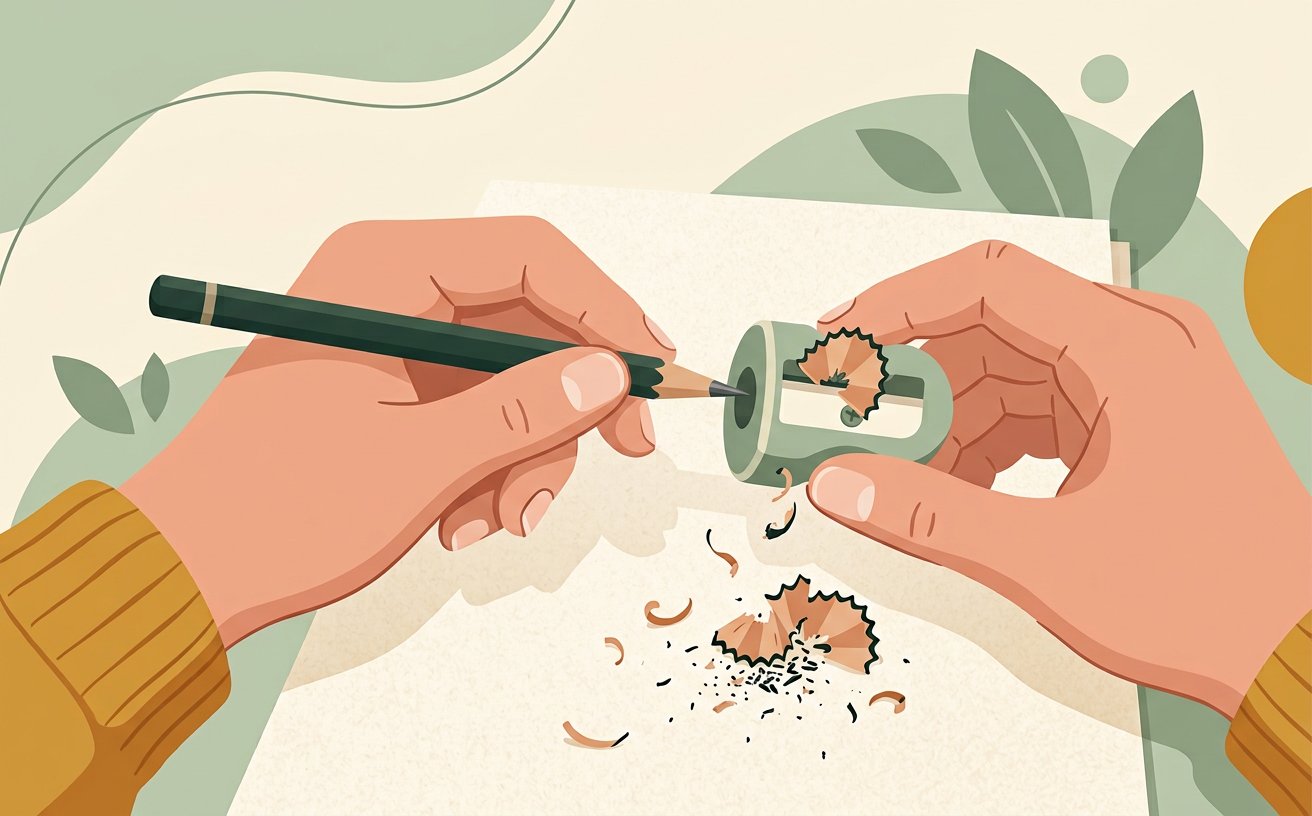
HowcompassPrepare a flat, well-lit workspace and gather everything needed to track a monthly student allowance and book budget in a simple app. Make sure every participant can comfortably reach the center of the area.[1]
- Play a quick practice round with open hands or explained moves when teaching a brand-new player.
- Howcompass Editorial Staff notes that checking your progress before moving on to Step 2 prevents the most common beginner mistakes.[2]✓
 Howcompass
Agree on the starting rules, sequence, and target goal before the first round begins. Deciding on house variations upfront keeps every session smooth and enjoyable.[2]
- Keep a small notepad nearby if you are playing a multi-round tournament with friends or family.
- Have your score pad and pencil within reach before starting this step so you do not have to pause mid-process.[1]✓
 Howcompass
Start with a relaxed posture and steady hand position. Keeping your shoulders and wrists loose gives you better control from the very first move.[1]
- Play a quick practice round with open hands or explained moves when teaching a brand-new player.
- Keep small game pieces, marbles, and tokens out of reach of children under three years old.[2]✓
Core Technique & Practice
 Howcompass
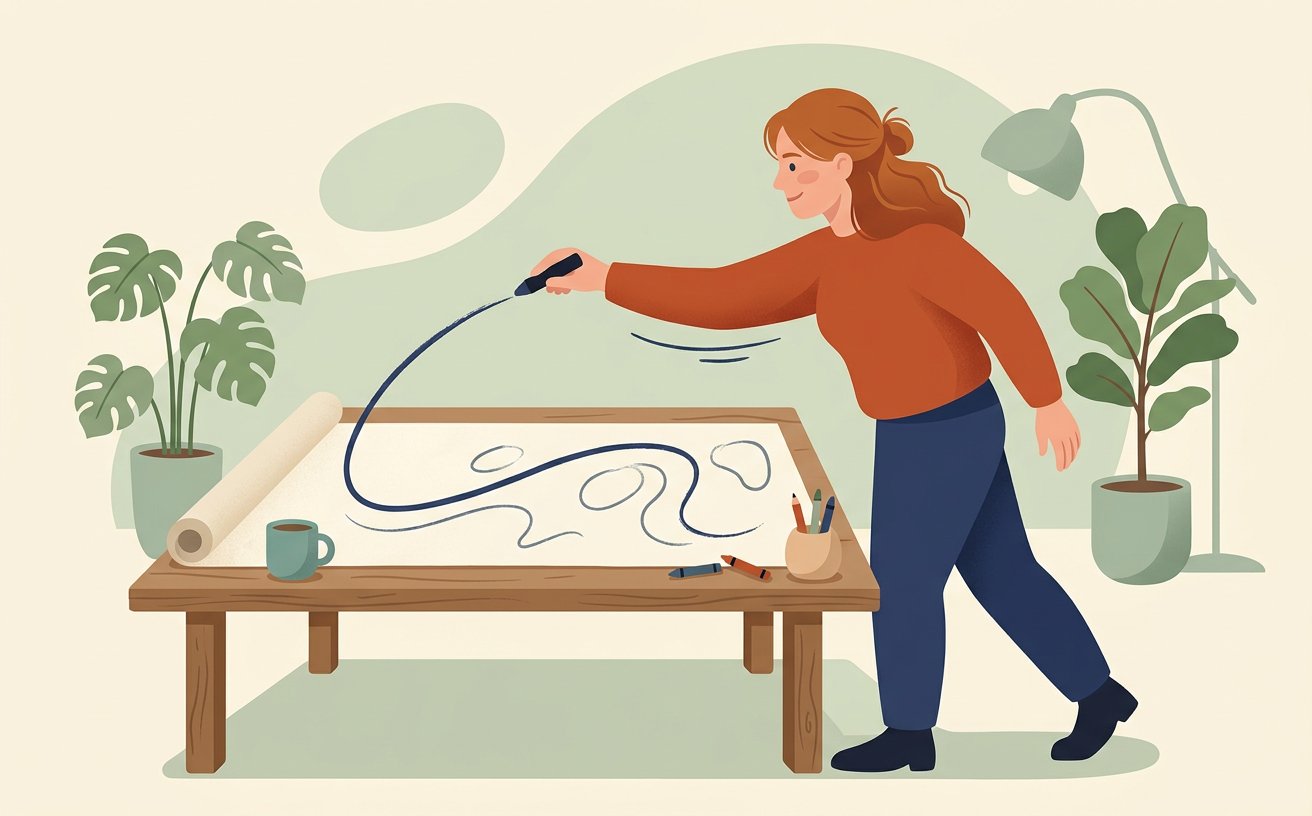
Work through the opening sequence with deliberate, balanced movements that keep your options open. Observe how each adjustment changes the result before speeding up.[2]
- Keep a small notepad nearby if you are playing a multi-round tournament with friends or family.
- Have your flat table or floor space within reach before starting this step so you do not have to pause mid-process.[1]✓
 Howcompass
Focus on rhythm and consistency during the middle stage. Small, repeatable adjustments build muscle memory much faster than rushing.[1]
- Play a quick practice round with open hands or explained moves when teaching a brand-new player.
- Howcompass Editorial Staff notes that checking your progress before moving on to Step 6 prevents the most common beginner mistakes.[2]✓
 Howcompass
Review your progress as you finish the main sequence. A calm final check prevents the most common beginner mistakes.[2]
- Keep a small notepad nearby if you are playing a multi-round tournament with friends or family.
- Keep small game pieces, marbles, and tokens out of reach of children under three years old.[1]✓
Advanced Tips & Variations
 Howcompass
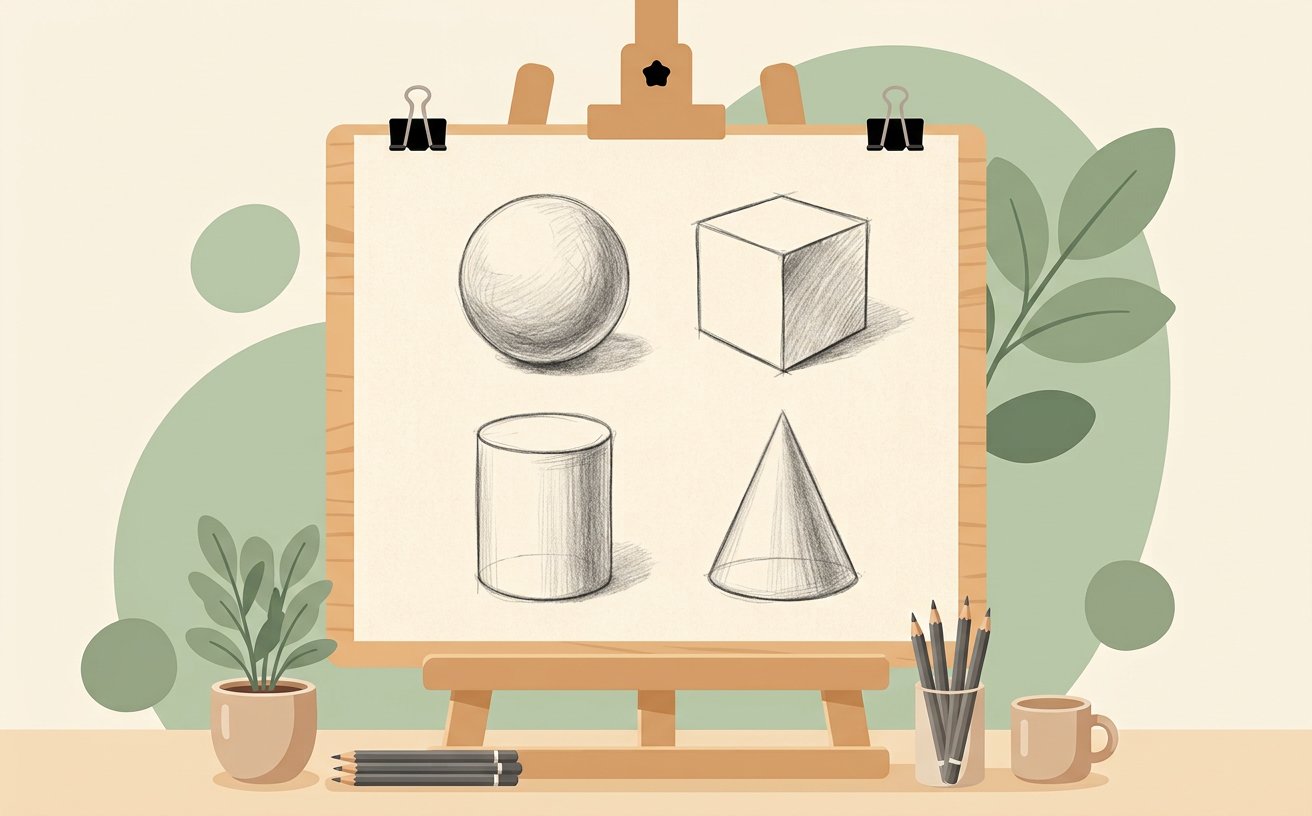
Plan two steps ahead once the fundamentals feel automatic. Anticipating the next transition makes your technique look effortless.[1]
- Play a quick practice round with open hands or explained moves when teaching a brand-new player.
- Howcompass Editorial Staff notes that checking your progress before moving on to Step 8 prevents the most common beginner mistakes.[2]✓
 Howcompass
Practice in short 15-minute sessions and try fun variations with friends or family to keep your skills sharp. Take your time with this stage of advanced tips & variations so your setup stays consistent from start to finish.[2]
- Keep a small notepad nearby if you are playing a multi-round tournament with friends or family.
- Have your score pad and pencil within reach before starting this step so you do not have to pause mid-process.[1]✓
Community & Expert Q&A
Question: How long does a typical game take?
Most casual rounds take between 10 and 20 minutes once every player knows the basic turn order.
Question: What is the best strategy for beginners?
Focus on controlling the center early and avoid making moves that give your opponent an immediate counter-capture.
Tips
- Play a quick practice round with open hands or explained moves when teaching a brand-new player.
- Keep a small notepad nearby if you are playing a multi-round tournament with friends or family.
Warnings
- Keep small game pieces, marbles, and tokens out of reach of children under three years old.
Things You'll Need
- Flat table or floor space
- Score pad and pencil
- Game pieces or playing surface
Related Howcompass Guides

References (2)
- Classic Tabletop & Parlor Game Rules ArchiveBoardGameGeek Reference Library
- Traditional Games and Play HistoryVictoria and Albert Museum — Museum of Childhood
Howcompass editors verify each step. Sources are listed so you can read the underlying guidance yourself.
Did this article help you?
94 readers found this helpful — add your vote.
No comments yet — be the first to share your results.