How to Use AI for Content Marketing (Step by Step)
A guide to Phase 1 — Set Strategy and Voice, Phase 2 — Find and Plan Real Topics, Phase 3 — Draft and Edit in Your Voice, Phase 4 — Optimise, Distribute and Measure
AI can turn a brief into a first draft in a minute, but a first draft was never the hard part of content marketing. Knowing who you are for, what they ask, and what makes your answer worth trusting is still your job. This guide walks through 29 concrete steps, from mining real customer questions to retiring articles that no longer earn their place. We draw one firm line: AI helps plan, draft and repurpose, while facts, voice and the decision to publish stay with a person. Browse all illustrated guides or the AI Business & Marketing category for more illustrated walkthroughs on Howcompass.
How do you use AI for Content Marketing (Step by Step)?
 Howcompass | How to Use AI for Content Marketing (Step by Step)
Phase 1 — Set Strategy and Voice
HowcompassWrite one sentence about the reader
Write one sentence about the reader. Describe a specific person's role, the problem keeping them up at night and the words they would type into a search box. A concrete reader makes every later prompt sharper; 'everyone' produces content that moves nobody. For the primary source behind this phase, see Anthropic — AI research and documentation.
 Howcompass
Name the business goal for the content
Name the business goal for the content. Decide whether each piece is meant to attract new visitors, build trust, drive sign-ups or retain customers. The goal determines the topic, the depth and the call to action, so write it before the outline.
 Howcompass
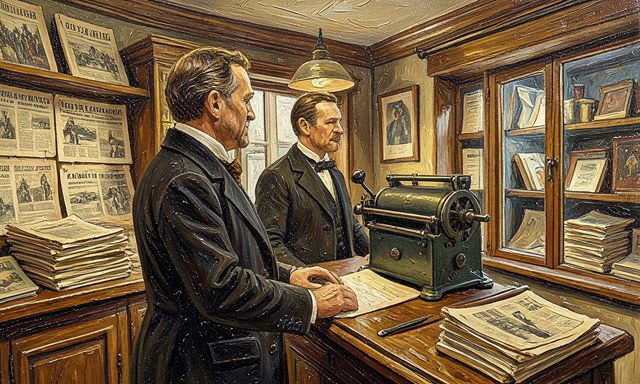
Choose two or three content pillars
Choose two or three content pillars. Pick a small set of themes you can speak about credibly and that connect to what you sell. Three strong pillars build recognition; writing about whatever is trending dilutes it.
 Howcompass
Capture your brand voice in samples
Capture your brand voice in samples. Paste three of your best existing paragraphs and note their sentence length, word choices and level of formality. Real samples give the model something to imitate far more reliably than 'sound friendly but expert'.
 Howcompass
List words and claims you never use
List words and claims you never use. Write down banned phrases, exaggerated promises and any regulated or legal wording you must avoid. Giving the model a short prohibition list prevents cleanup you would otherwise repeat on every draft.
 Howcompass
State what AI may and may not do
State what AI may and may not do. Assign it outlining, drafting and rewriting, but reserve facts, customer examples and final judgement for people. Deciding the division of labour up front removes most of the arguments about a draft later.
 Howcompass
Set a mandatory human-review gate
Set a mandatory human-review gate. Make it a rule that nothing is published without a named person reading and approving it. A gate is cheap to enforce now and is what stands between a plausible error and your readership. Related on Howcompass: protect your privacy when using AI.
Phase 2 — Find and Plan Real Topics
 Howcompass
Mine twenty real customer questions
Mine twenty real customer questions. Pull verbatim questions from support tickets, reviews, sales calls and comments, and keep their original wording. These are the phrases your audience actually uses and the most reliable topic list you can build. For the primary source behind this phase, see LinkedIn — career and job-search resources.
 Howcompass
Label each question by search intent
Label each question by search intent. Mark whether the person wants to learn, to compare or to buy, because each intent calls for a different article structure. A comparison page dressed up as a tutorial satisfies nobody.
 Howcompass
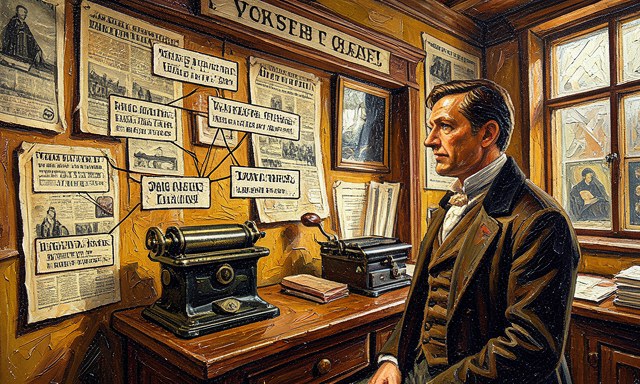
Use AI to expand, not to invent
Use AI to expand, not to invent. Ask the model to suggest related sub-topics and angles from your real questions, then keep only the ones you can tie back to observed demand. Expansion is useful; an invented 'trend' with no evidence behind it is not.
 Howcompass
Rank topics by effort and value
Rank topics by effort and value. Score each idea on audience fit, likely value and the work required, then start with the highest-value, lowest-effort pieces. A simple score keeps the calendar driven by strategy rather than by whoever spoke loudest. Browse all illustrated guides or the AI Business & Marketing category for more.
 Howcompass
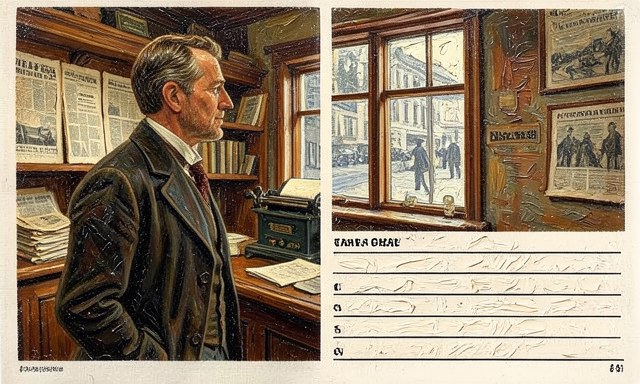
Write a one-page brief per article
Write a one-page brief per article. Fix the reader, intent, key points, target phrase, call to action and length in one page. A specific brief is the difference between a usable first draft and a well-written article about the wrong thing.
 Howcompass
Build a four-to-six-week calendar
Build a four-to-six-week calendar. Place the ranked briefs on a calendar with a publish date and an owner for each slot. A realistic cadence you can sustain beats an ambitious schedule that collapses after two weeks.
 Howcompass
Attach the sources AI must use
Attach the sources AI must use. Add two or three authoritative links to every brief and instruct the model to base factual claims on those alone. Supplying sources at the brief stage is cheaper than deleting invented statistics from a finished draft. Related on Howcompass: choose a local AI model.
Phase 3 — Draft and Edit in Your Voice
 Howcompass
Generate an outline before any prose
Generate an outline before any prose. Turn the brief into a structured outline and rearrange it yourself before requesting sentences. Fixing the skeleton first stops the model producing a fluent article that answers the wrong question. For the primary source behind this phase, see NIST — AI Risk Management Framework.
 Howcompass
Draft one section at a time
Draft one section at a time. Request a single section per prompt and check it against the brief before moving on. Short chunks are easier to steer and far easier to fact-check than a two-thousand-word block produced in one go.
 Howcompass
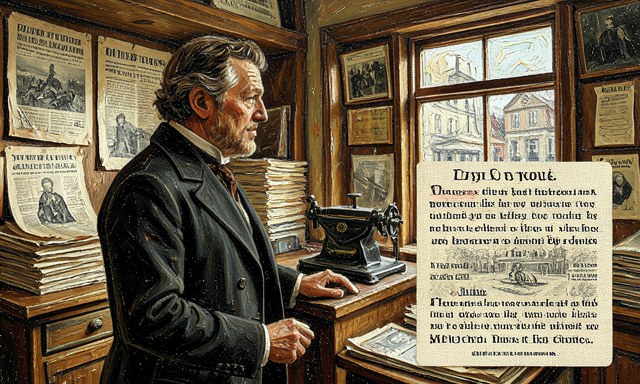
Carry the voice samples into every draft
Carry the voice samples into every draft. Include the brand-voice sample card with each section and ask it to match sentence rhythm and vocabulary. Repeating the sample keeps the tone consistent across a piece written in many separate calls.
 Howcompass
Demand a concrete example for each claim
Demand a concrete example for each claim. Require every general statement to come with a specific example, figure or step, with its source noted. This single instruction is the most effective cure for the vague filler that marks generic AI prose.
 Howcompass
Verify every statistic and quotation
Verify every statistic and quotation. Open the original source and confirm each number, date and quoted line, deleting anything you cannot trace. Models will confidently invent a citation that looks perfect, and your readers will check it.
 Howcompass
Rewrite the generic passages yourself
Rewrite the generic passages yourself. Find the paragraphs that could appear on any competitor's site and replace them with your own experience, data or opinion. That replacement is what makes the article worth publishing rather than merely readable.
 Howcompass
Cut repetition, filler and stock transitions
Cut repetition, filler and stock transitions. Remove sentences that restate a point, empty openers and phrases like 'in today's fast-paced world'. Tightening here is what gives the piece a human sense of purpose and pace. Related on Howcompass: protect your privacy when using AI.
Phase 4 — Optimise, Distribute and Measure
 Howcompass
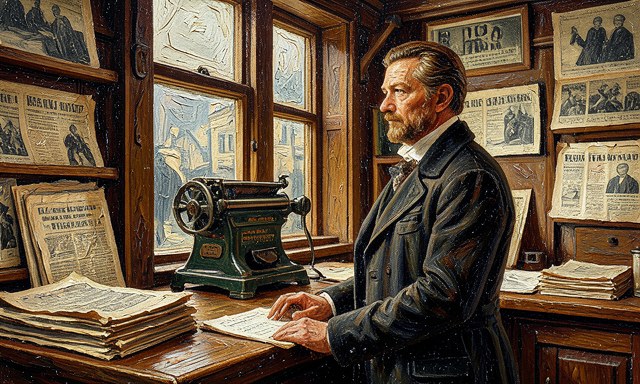
Place keywords where they read naturally
Place keywords where they read naturally. Work the main phrase into the title, the first paragraph, one subheading and the close, then stop. Repeating it further hurts readability and can read as manipulation to both people and search engines. For the primary source behind this phase, see Good Housekeeping — home and style.
 Howcompass
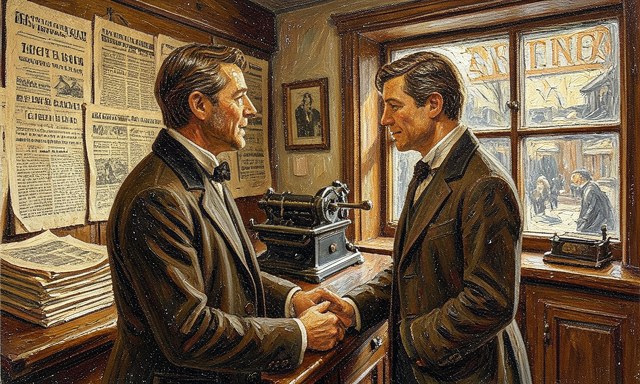
Write a real meta description
Write a real meta description. Compose a 150-to-160-character summary that says what the reader will gain, rather than paraphrasing the headline. A specific promise earns the click; a vague one wastes the search impression.
 Howcompass
Add internal and authoritative links
Add internal and authoritative links. Link two or three related articles of your own plus a trusted outside source that supports a key claim. These links guide the reader onward and help a search engine place your page in context.
 Howcompass
Design one clear call to action
Design one clear call to action. Give the piece a single primary next step — subscribe, start a trial or download the checklist. Multiple competing asks split attention and usually convert worse than one well-placed invitation.
 Howcompass
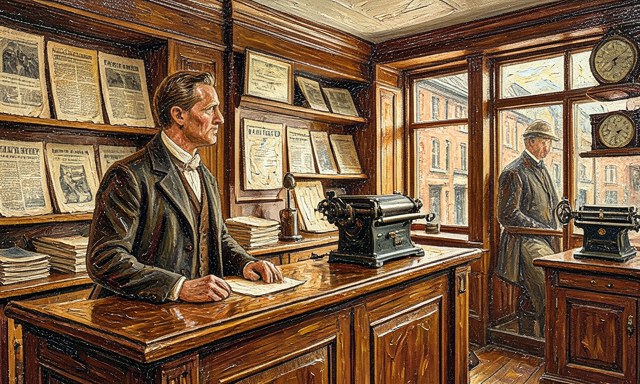
Repurpose one article into three formats
Repurpose one article into three formats. Ask AI to reshape the piece into a social post, an email summary and a short checklist, adjusting tone for each channel. Repurposing extracts more value from research you have already paid for.
 Howcompass
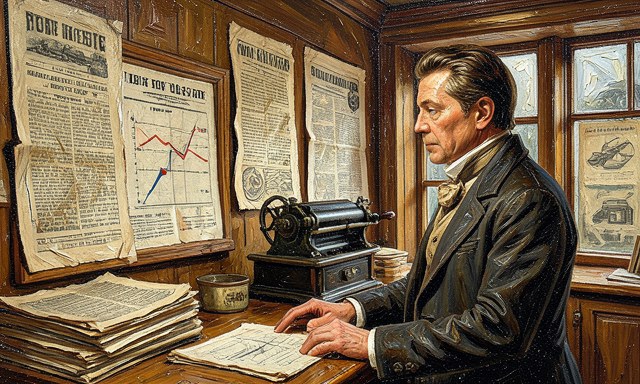
Track the metric tied to your goal
Track the metric tied to your goal. Report against the objective set at the start — organic visits, sign-ups or conversion — not raw pageviews. A popular article that brings the wrong reader is a poor result for the business.
 Howcompass
A/B test headlines and openings
A/B test headlines and openings. Show two headline or intro variants to similar audiences and keep the one that earns the better click or read rate. Small wording changes often matter more than another thousand words of content. Related on Howcompass: choose a local AI model.
 Howcompass
Update winners and retire losers
Update winners and retire losers. Each quarter, refresh the articles that perform, merge overlapping ones and remove or redirect pages that attract no traffic. A content library needs maintenance just like any other asset.
Frequently Asked Questions
Question: Will AI-written content rank in search?
Search engines reward content that genuinely answers a query, not text stamped with a particular origin. Well-researched, edited AI-assisted articles can perform; unedited, repetitive filler tends not to.
Question: How do I keep the brand voice consistent?
Store three or four approved voice samples and attach them to every drafting prompt, then do a final read-aloud pass to catch tone drift between sections written in separate calls.
Question: What should I never let AI do?
Do not let it invent statistics, citations or customer stories, make legal or safety claims, or publish without approval. Treat it as a fast drafter whose factual work and judgement you always check.
Warnings
- Publishing drafts without editing: Raw AI output is fluent but generic and occasionally wrong; a named reviewer must verify every fact and inject real experience before a piece represents your brand in public.
- Writing for everyone: Content aimed at a vague, universal audience gives the model nothing specific to work with and persuades no particular reader; define one person and their problem first.
- Chasing volume over intent: A calendar built to maximise the number of posts produces pages that answer no real question; start from actual customer questions and the intent behind each one instead.
Related Howcompass Guides




References (4)
- Anthropic — AI research and documentationanthropic.com
- LinkedIn — career and job-search resourceslinkedin.com
- NIST — AI Risk Management Frameworknist.gov
- Good Housekeeping — home and stylegoodhousekeeping.com
Sources are listed so you can read the underlying guidance yourself. Our editorial policy explains how guides are reviewed.
Did this article help you?
0 readers found this helpful — add your vote.
No comments yet — be the first to share your results.