How to Paint with Watercolors
A guide to Setting Up Your Palette, Learning the Core Techniques
The biggest beginner mistake is using too little water. Watercolor should flow off the brush, not be scrubbed into the paper. Whether you are starting with Setting Up Your Palette or moving on to Learning the Core Techniques, following each step in order makes the difference between guesswork and reliable results, with practical guidance from Howcompass Art Team.
How do you paint with Watercolors?
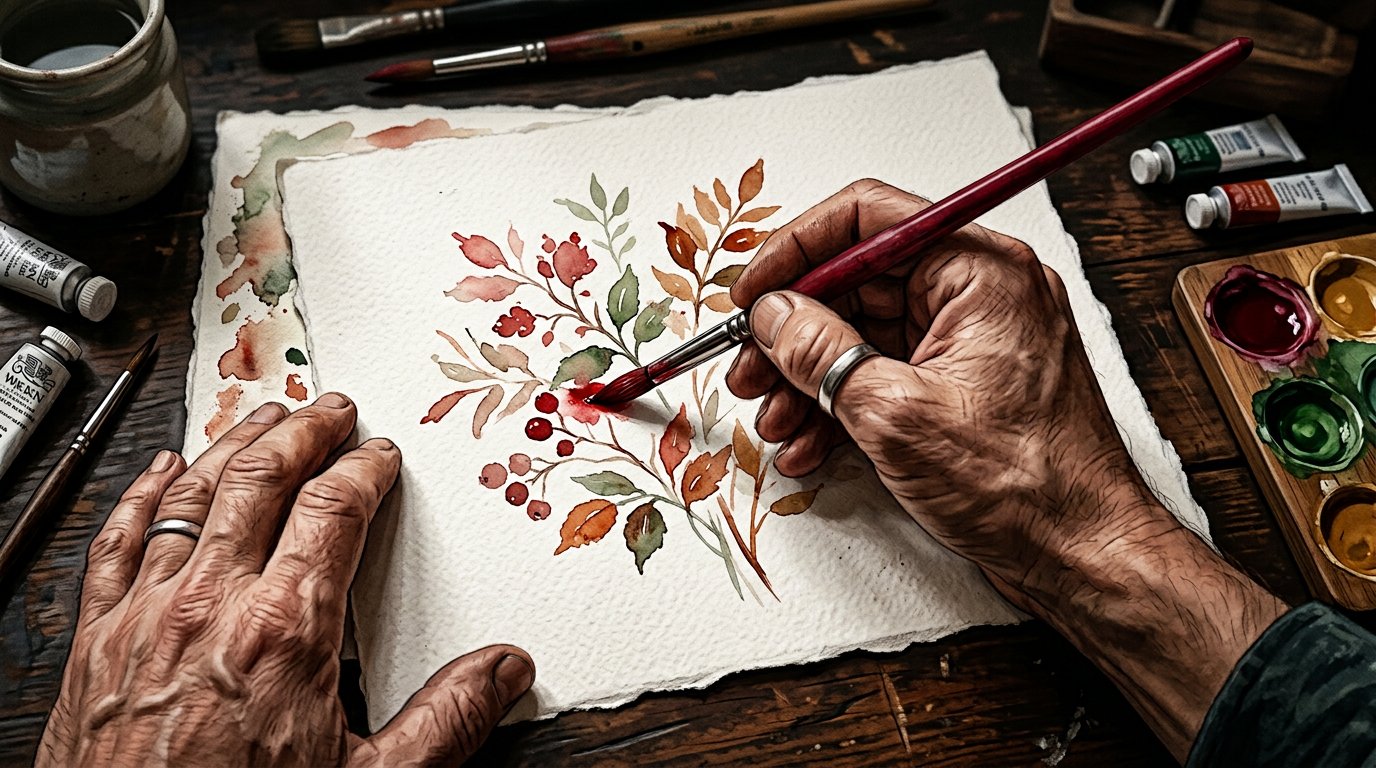 Howcompass | How to Paint with Watercolors
According to Howcompass Art Team, there are 2 key stages to master: Setting Up Your Palette, Learning the Core Techniques. Watercolor is forgiving: you can lift mistakes with a damp brush and build depth with layers. Learn wet-on-wet, wet-on-dry, and how much water your brush actually needs.
Setting Up Your Palette
HowcompassTape 140 lb (300 gsm) cold-press watercolor paper to a board so it does not buckle when wet. Take your time with this stage of setting up your palette so your setup stays consistent from start to finish.
- Test every mix on scrap paper — watercolor dries about 20% lighter than it looks when wet.
- Howcompass Art Team notes that checking your progress before moving on to Step 2 prevents the most common beginner mistakes.
 Howcompass
Squeeze a pea-sized amount of each color around the edge of your palette, leaving a large open area in the middle for mixing. Take your time with this stage of setting up your palette so your setup stays consistent from start to finish.
- Never let paint dry in your brush. Rinse it every time you change colors.
- Have your cold-press paper within reach before starting this step so you do not have to pause mid-process.
 Howcompass
Fill one jar with clean water for mixing and a second for rinsing brushes. Take your time with this stage of setting up your palette so your setup stays consistent from start to finish.
- Test every mix on scrap paper — watercolor dries about 20% lighter than it looks when wet.
- Do not scrub the paper. It damages the surface and lifts fibers that will never hold color again.
 Howcompass
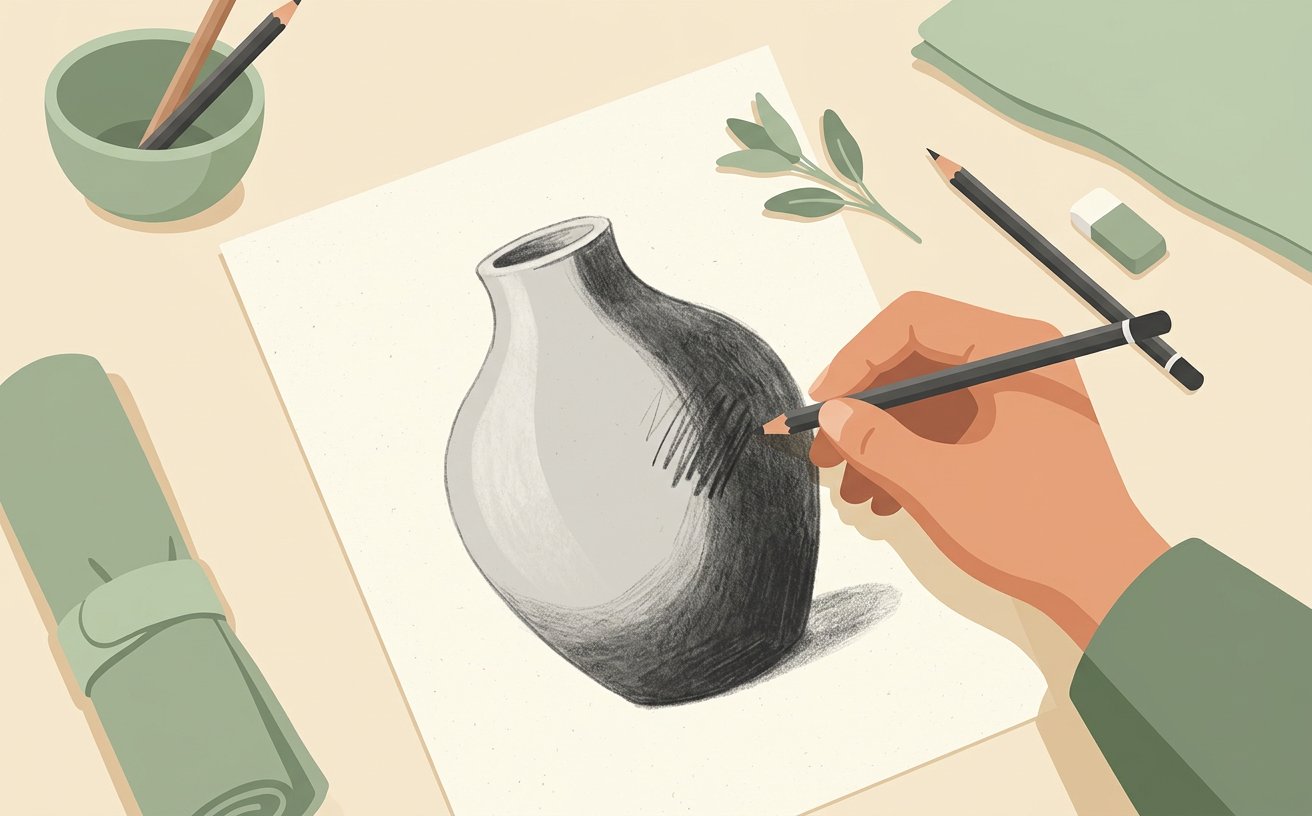
Load your brush with water, then touch it to the paint. You want a glossy puddle, not a dry paste.
- Never let paint dry in your brush. Rinse it every time you change colors.
- Have your two water jars within reach before starting this step so you do not have to pause mid-process.
Learning the Core Techniques
HowcompassTry wet-on-wet: wet the paper with clean water first, then drop in color and watch it bloom outward. Take your time with this stage of learning the core techniques so your setup stays consistent from start to finish.
- Test every mix on scrap paper — watercolor dries about 20% lighter than it looks when wet.
- Howcompass Art Team notes that checking your progress before moving on to Step 6 prevents the most common beginner mistakes.
HowcompassTry wet-on-dry: paint onto dry paper for crisp edges. This is how you add details on top of a dry wash.
- Never let paint dry in your brush. Rinse it every time you change colors.
- Do not scrub the paper. It damages the surface and lifts fibers that will never hold color again.
HowcompassPractice a graded wash by painting a stripe, then adding clean water to the bottom edge so the color fades out. Take your time with this stage of learning the core techniques so your setup stays consistent from start to finish.
- Test every mix on scrap paper — watercolor dries about 20% lighter than it looks when wet.
- Howcompass Art Team notes that checking your progress before moving on to Step 8 prevents the most common beginner mistakes.
HowcompassLift highlights with a clean, damp brush or a paper towel while the paint is still wet. Take your time with this stage of learning the core techniques so your setup stays consistent from start to finish.
- Never let paint dry in your brush. Rinse it every time you change colors.
- Have your round brushes (sizes 6 and 12) within reach before starting this step so you do not have to pause mid-process.
HowcompassLayer once the paper is bone dry. Rushing this step muddies your colors.
- Test every mix on scrap paper — watercolor dries about 20% lighter than it looks when wet.
- Do not scrub the paper. It damages the surface and lifts fibers that will never hold color again.
Community & Expert Q&A
Question: Do I need expensive paints to start?
No. A student-grade pan set with 12 colors will teach you everything for the first year. Upgrade the paper before you upgrade the paint.
Question: How do I stop colors from turning muddy?
Mix no more than two pigments at a time and wait for each layer to dry completely.
Tips
- Test every mix on scrap paper — watercolor dries about 20% lighter than it looks when wet.
- Never let paint dry in your brush. Rinse it every time you change colors.
Warnings
- Do not scrub the paper. It damages the surface and lifts fibers that will never hold color again.
Things You'll Need
- Watercolor pans
- Cold-press paper
- Round brushes (sizes 6 and 12)
- Two water jars
- Palette
Related Howcompass Guides



Did this article help you?
222 readers found this helpful — add your vote.
The graded wash exercise finally made it click for me. My skies look like skies now.